Historical Map
Font Size
Language
Theme

Explore World Wars

73
Period
Region
Persian Revolt 552 BC – 550 BC
Ancient 552 BC – 550 BC Persis and Media (Modern Iran)

Persian Revolt

Birth of an Empire

Persia rises against Media to forge a new empire.

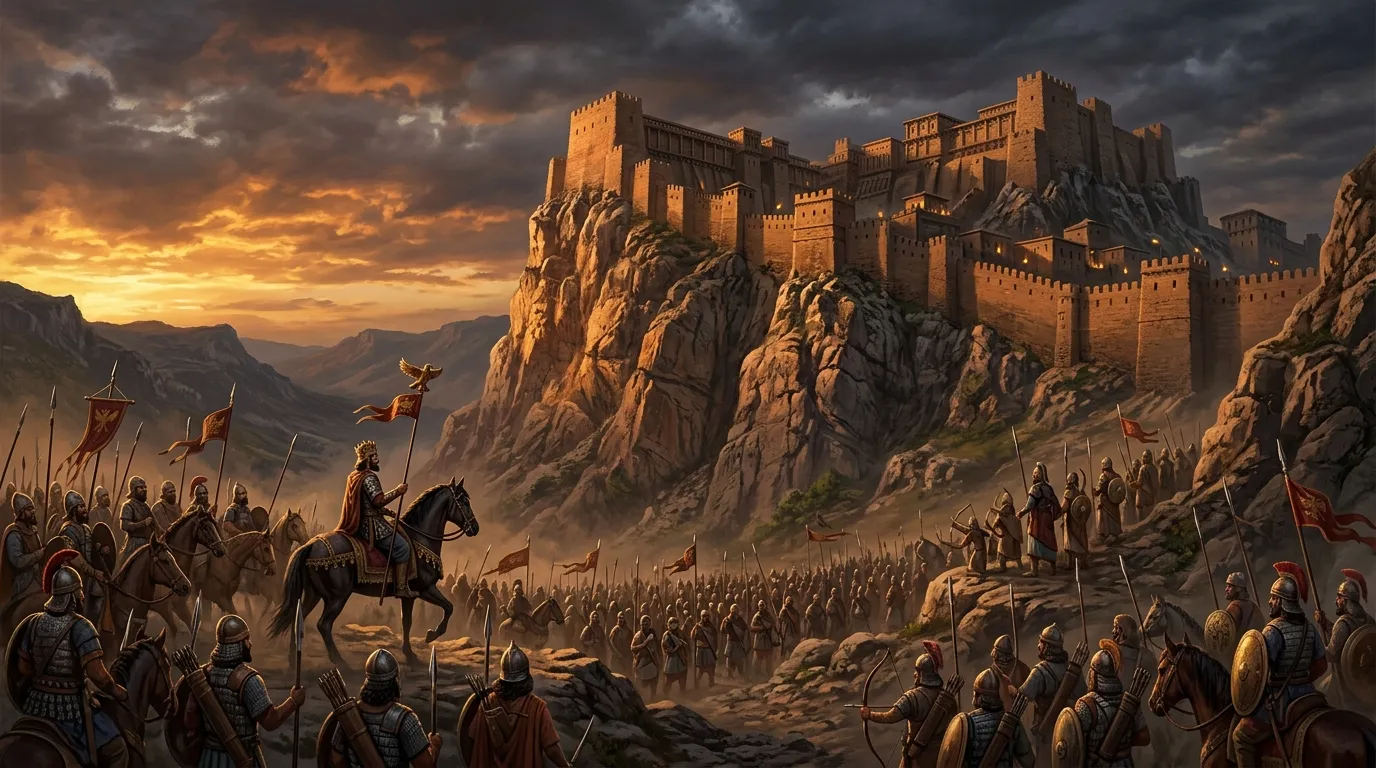
Lydian-Persian War 547 BC – 547 BC
Ancient 547 BC – 547 BC Anatolia (Modern Turkey)

Lydian-Persian War

The Fall of Croesus

Cyrus the Great conquers the wealthy kingdom of Lydia.

Greco-Persian Wars 499 BC – 449 BC
Ancient 499 BC – 449 BC Greece, Asia Minor, Aegean Sea, Eastern Mediterranean

Greco-Persian Wars

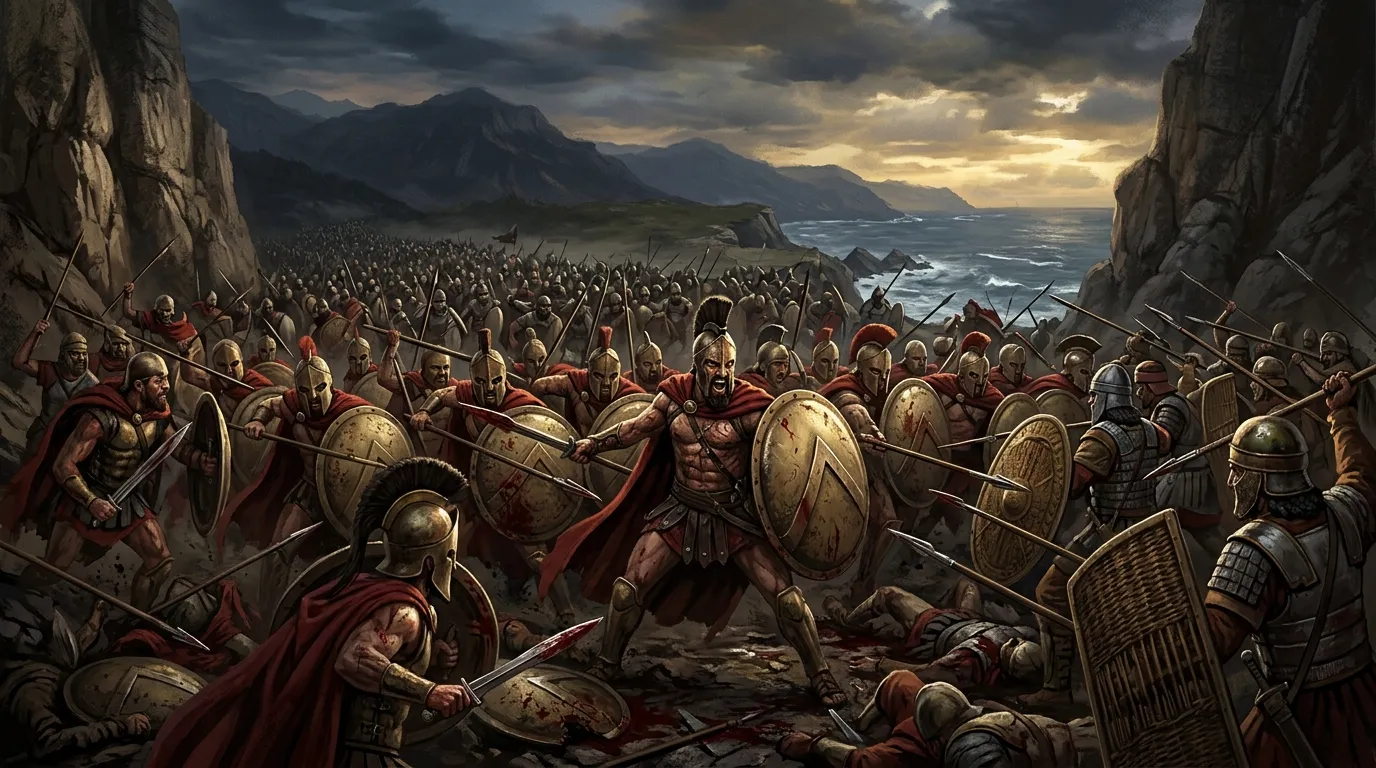
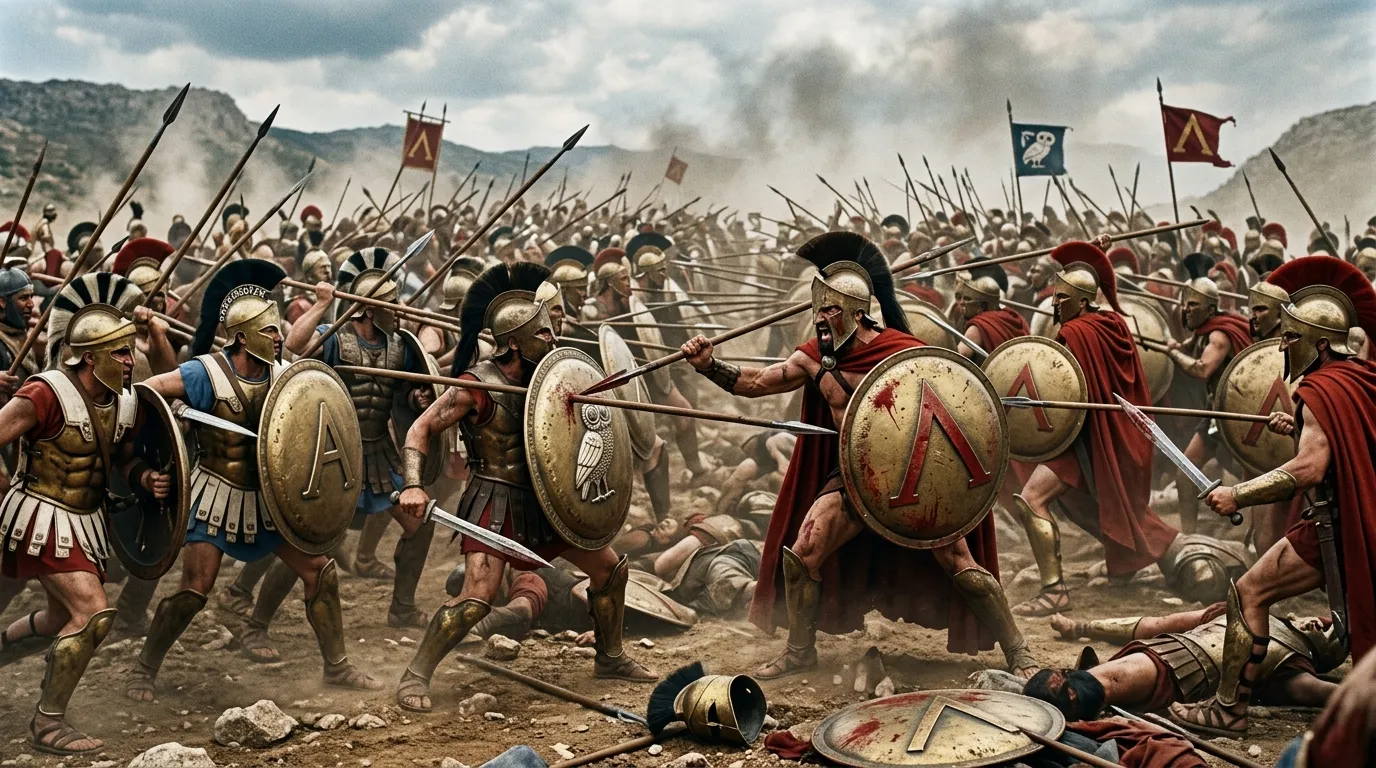
The 300 Spartans

Small force against an empire.

Peloponnesian War 431 BC – 404 BC
Ancient 431 BC – 404 BC Greece, Asia Minor, Aegean Sea, Sicily

Peloponnesian War

The Sun Sets on Greece

Sparta won but lost the peace.

Alexander's Conquests 336 BC – 323 BC
Ancient 336 BC – 323 BC Greece, Asia Minor, Persia, Egypt, India

Alexander's Conquests

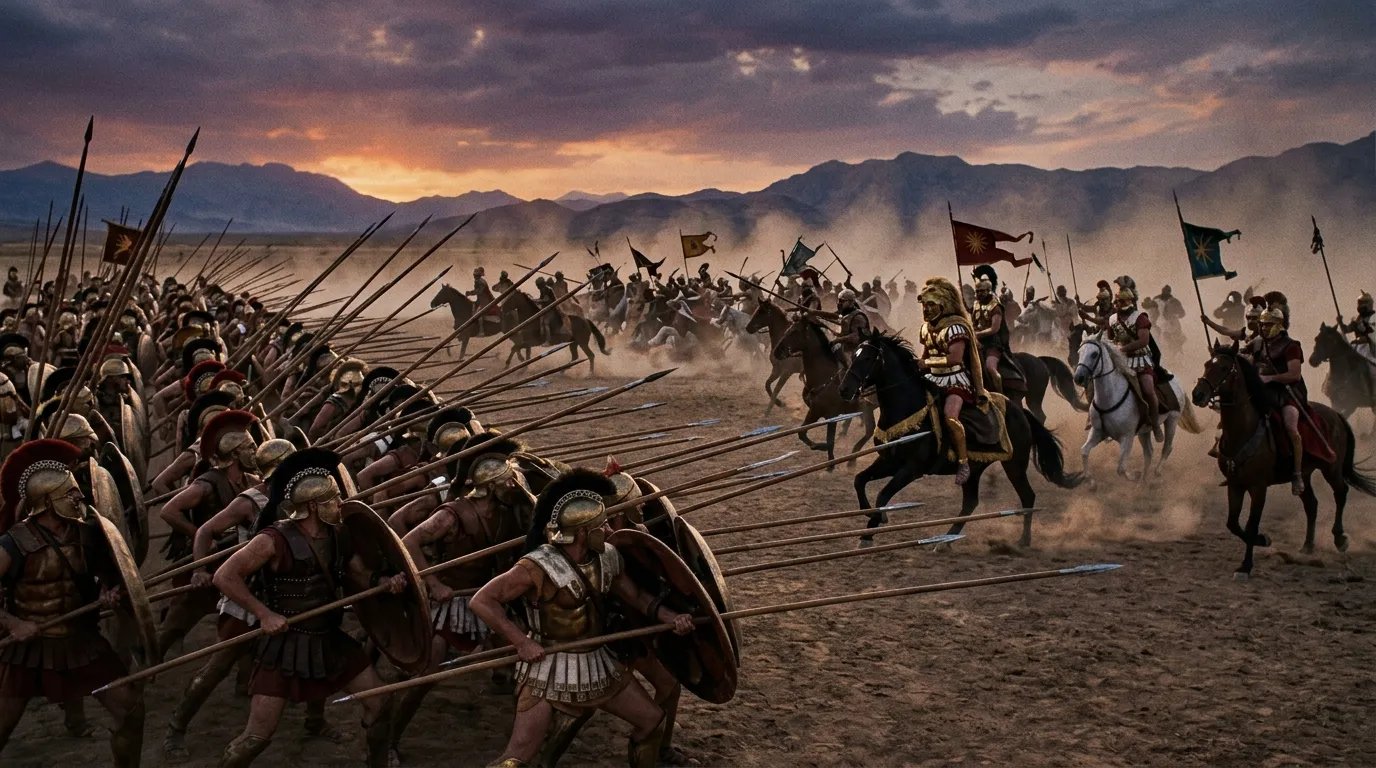
To the Ends of the Earth

A young king conquers the world to the ends of the earth.

The Diadochi Wars 323 BC – 281 BC
Ancient 323 BC – 281 BC Former Empire of Alexander the Great

The Diadochi Wars

The War of the Successors

Alexander's generals tear his vast empire apart in a bitter struggle for supremacy.

The Punic Wars 264 BC – 146 BC
Ancient 264 BC – 146 BC Western Mediterranean (Italy, Sicily, North Africa, Spain)

The Punic Wars

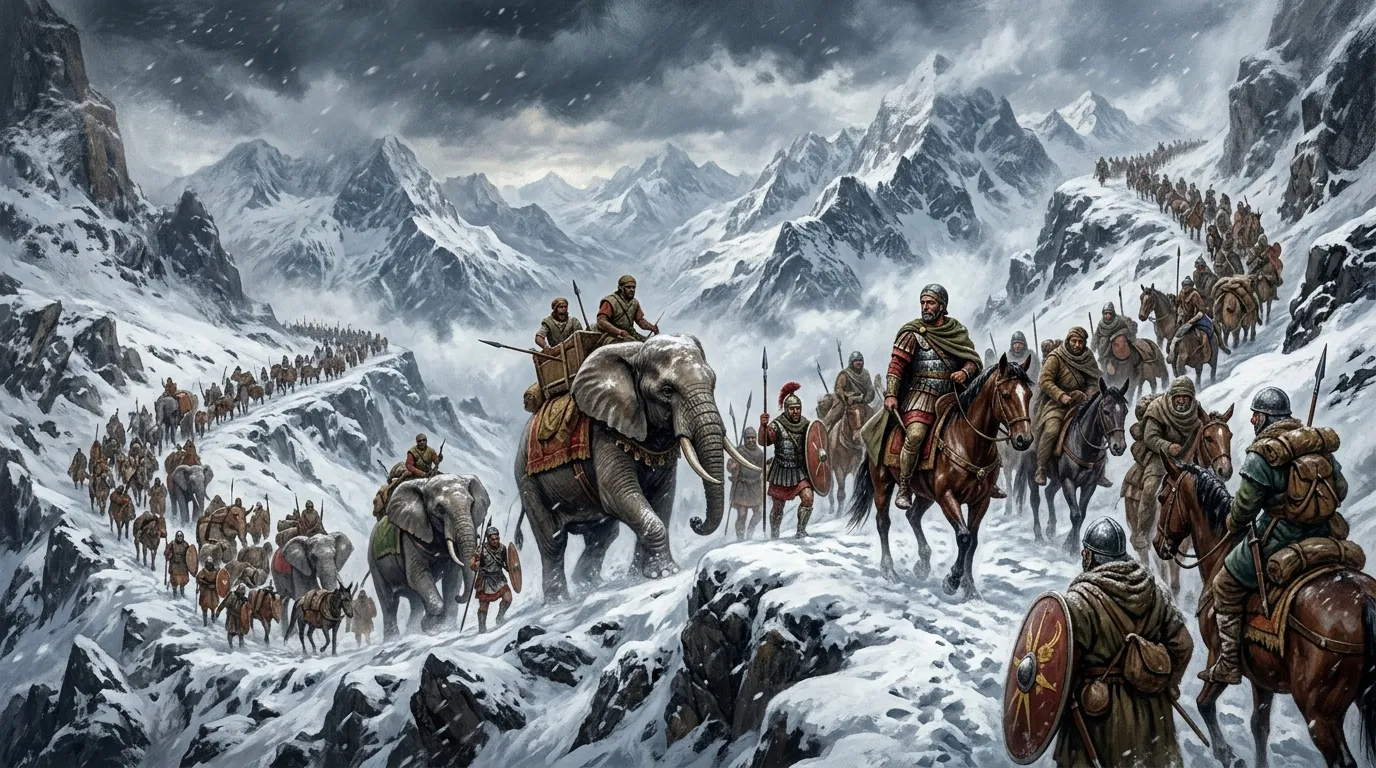
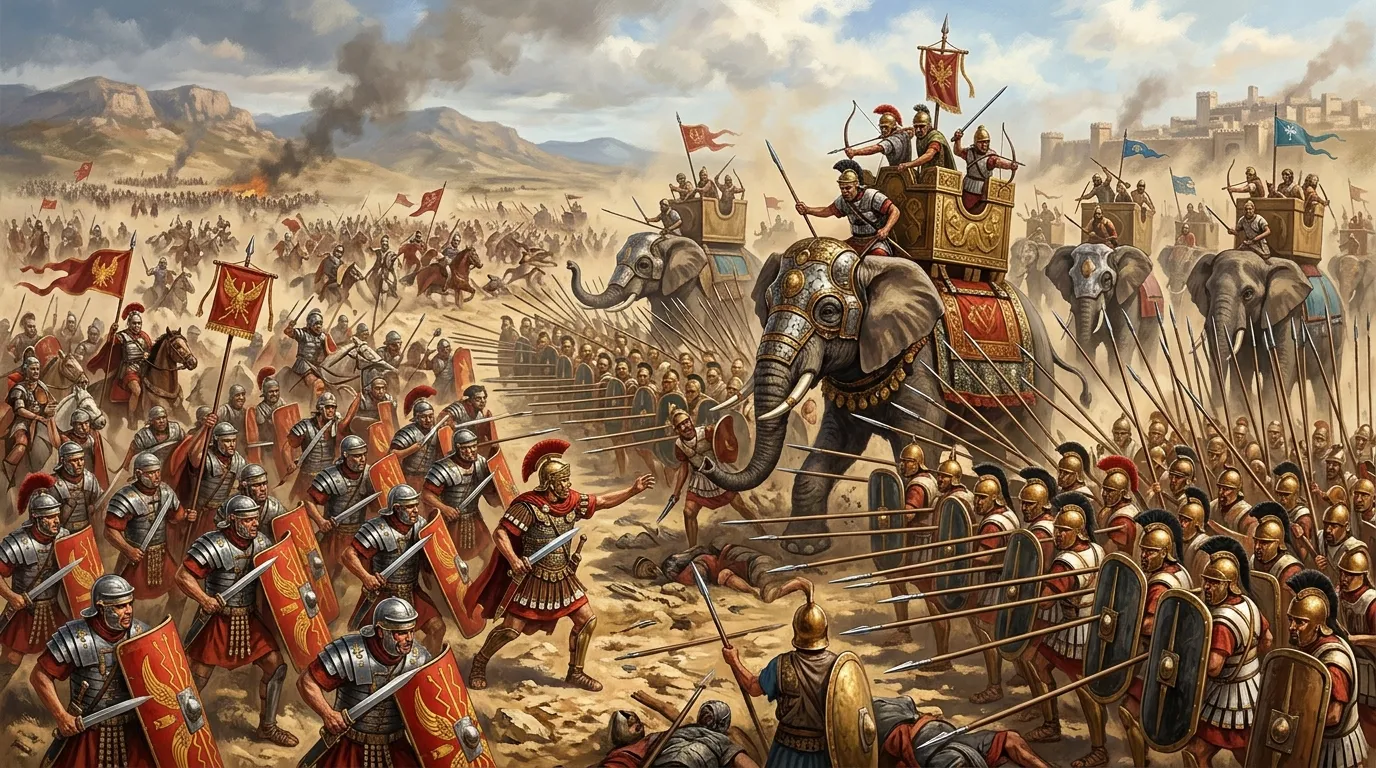
The Day Rome Died

Hannibal's masterpiece at Cannae.

War for the Foundation of the Parthian Kingdom 247 BC – 238 BC
Ancient 247 BC – 238 BC Parthia and Hyrcania

War for the Foundation of the Parthian Kingdom

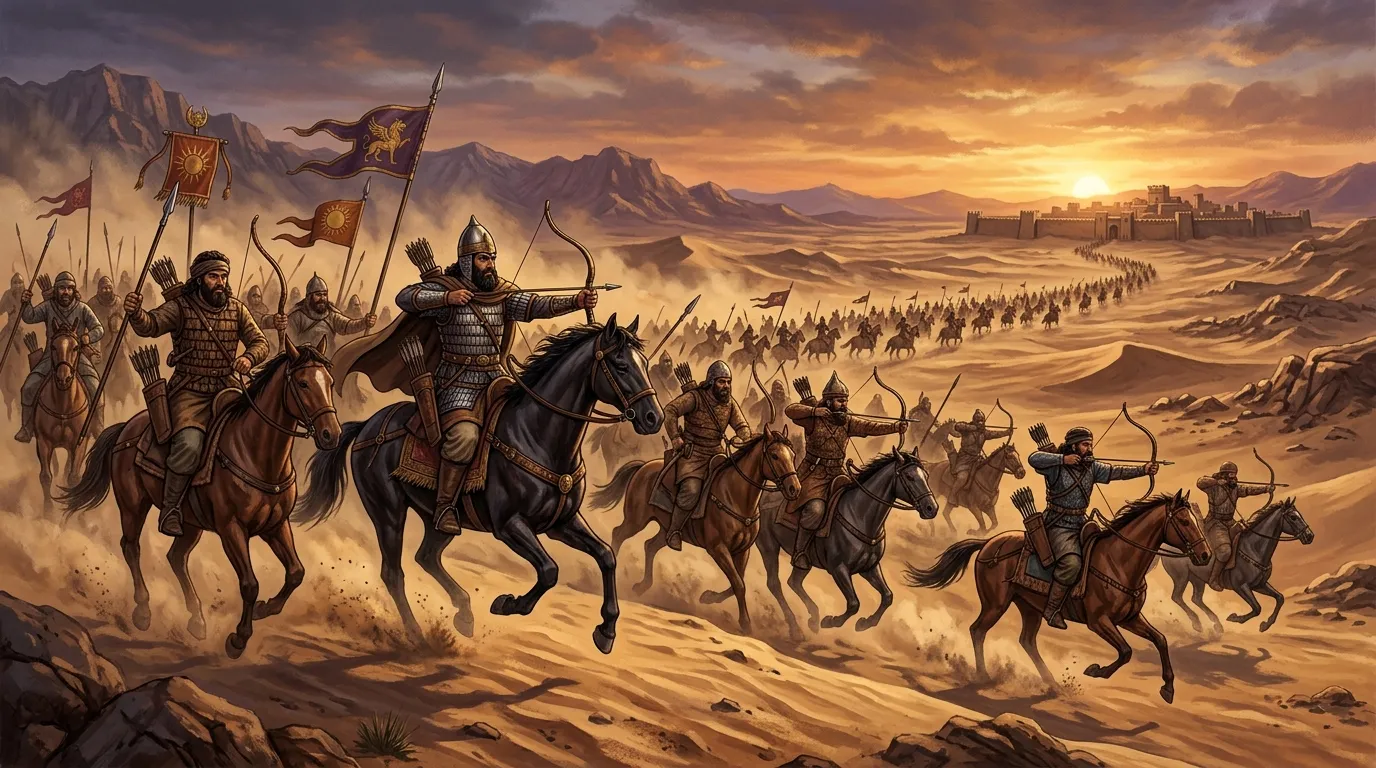
Rise of the Horse Lords

The Parni tribe rises to found the Parthian Empire.

Macedonian Wars 214 BC – 148 BC
Ancient 214 BC – 148 BC Greece, Macedon, and the Adriatic Sea

Macedonian Wars

Unraveling Alexander's Legacy

The Roman Republic dismantles the Macedonian Kingdom.

Chu-Han Contention 206 BC – 202 BC
Ancient 206 BC – 202 BC China

Chu-Han Contention

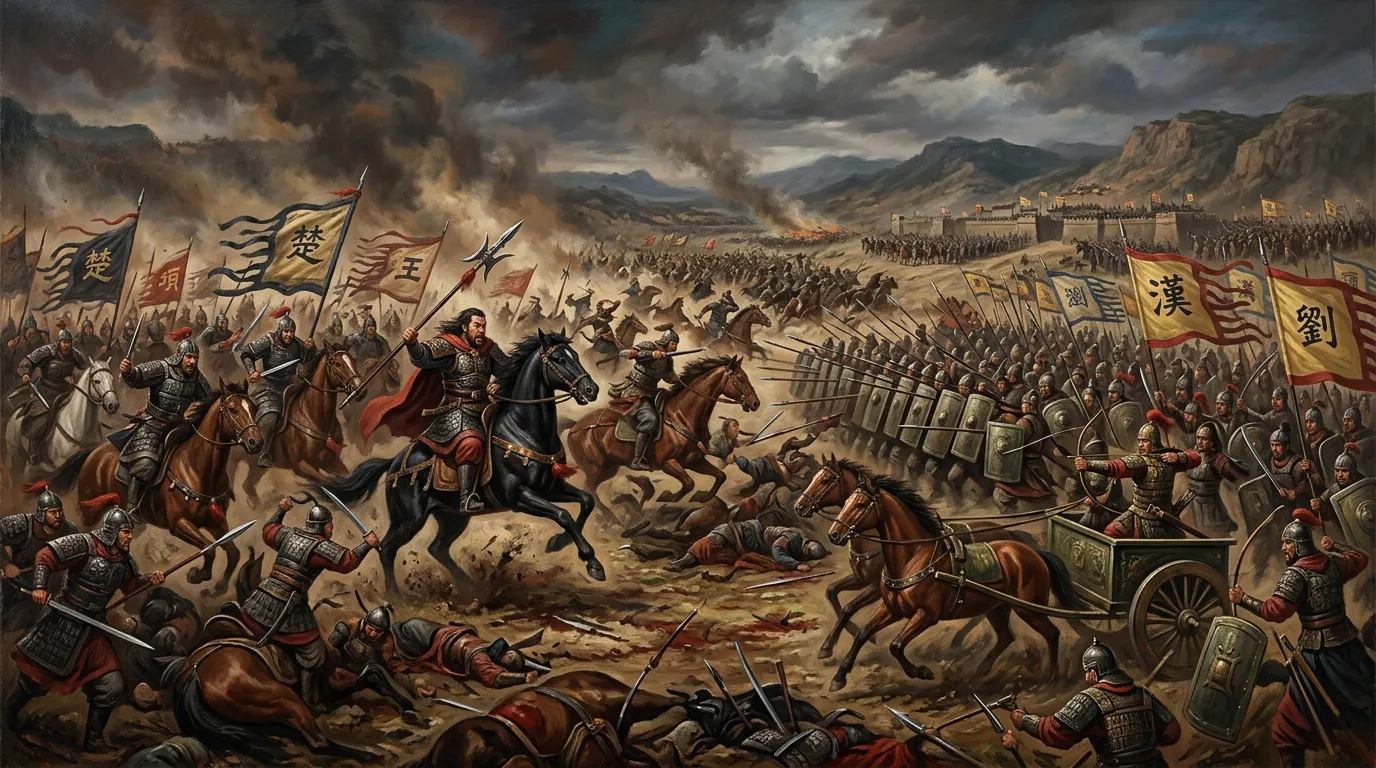
The Hegemon and the Peasant

The epic duel between Xiang Yu and Liu Bang for China's throne.

Han–Xiongnu War 200 BC – 36 BC
Ancient 200 BC – 36 BC Northern China and the Eurasian Steppe

Han–Xiongnu War

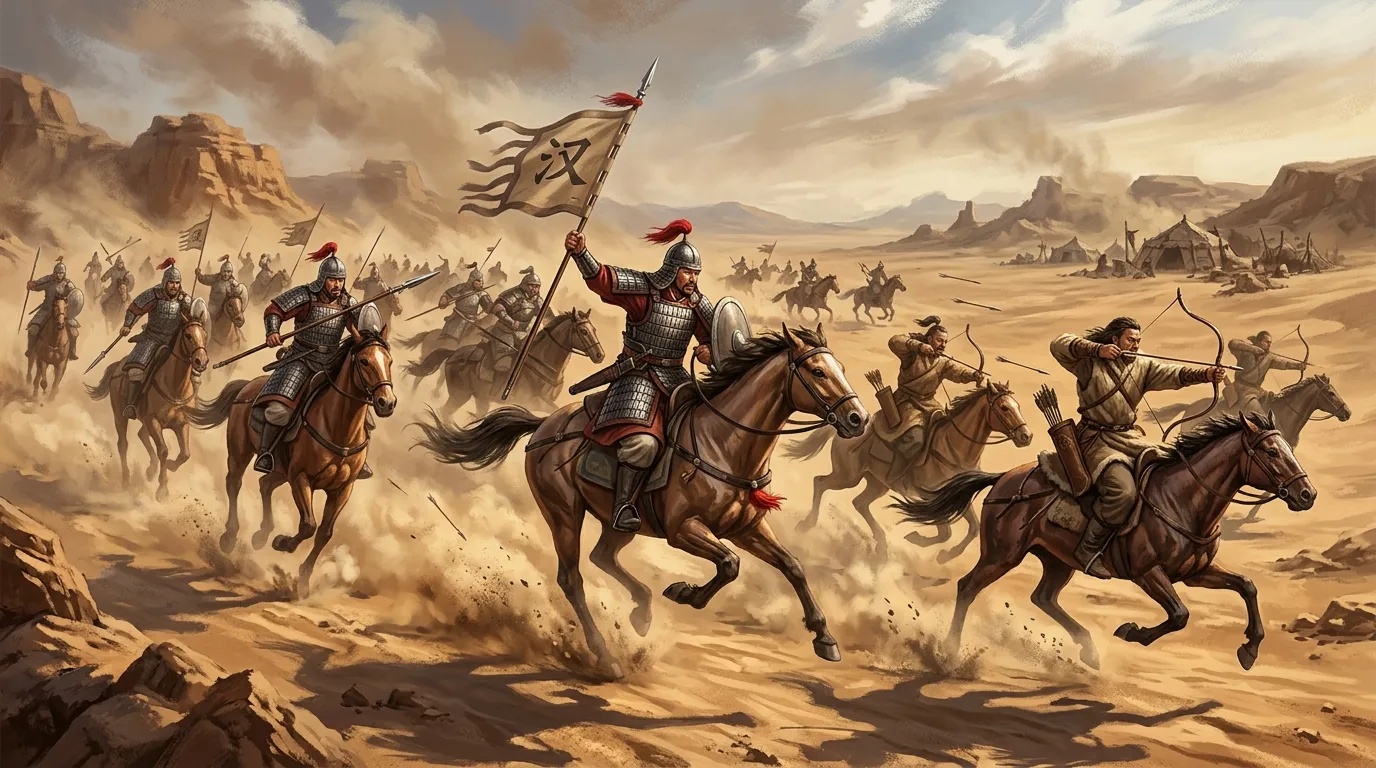
Shadow of the Steppe

China's century-long struggle against the nomadic Xiongnu Empire.

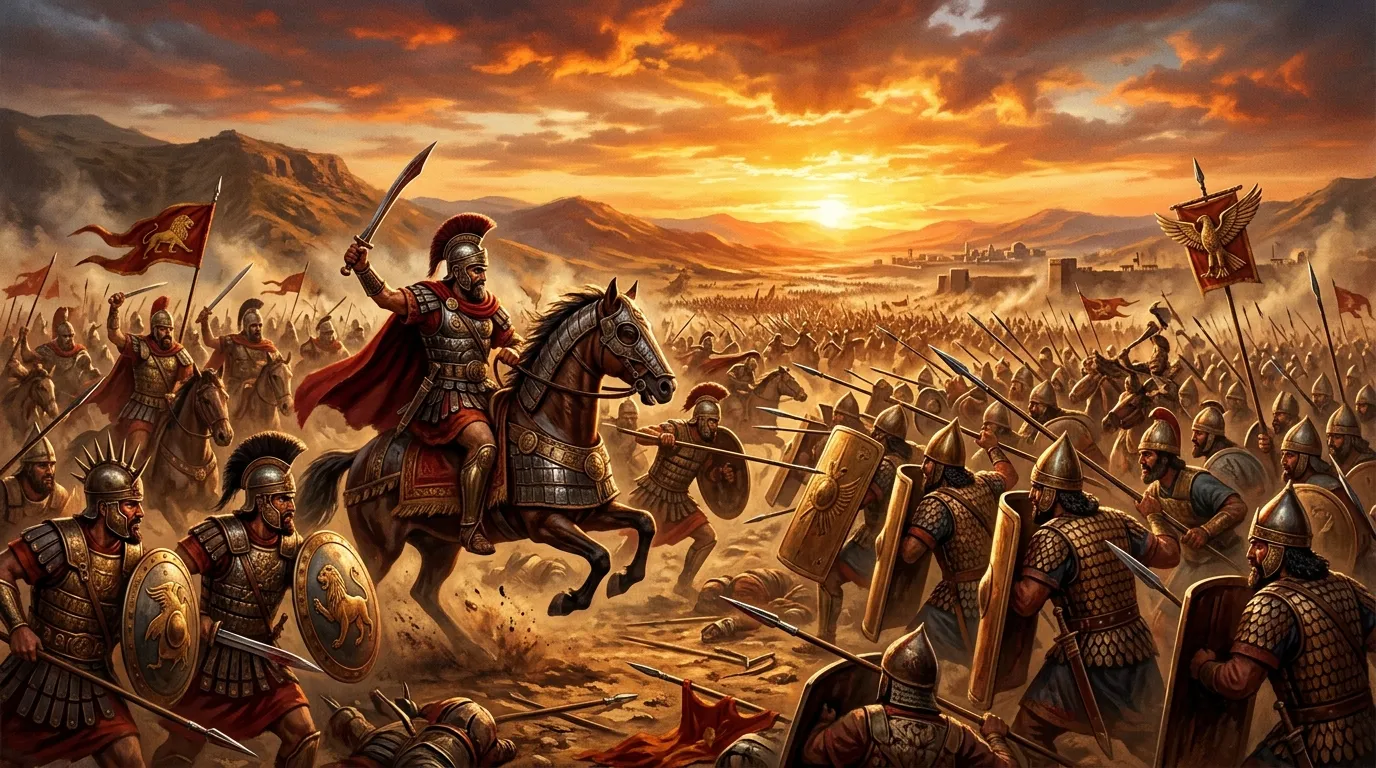
Roman-Seleucid War 192 BC – 188 BC
Ancient 192 BC – 188 BC Greece, Aegean Sea, Asia Minor

Roman-Seleucid War

Rome Enters the East

Rome challenges the Seleucid Empire for control of Greece.

Deep-Dive Articles

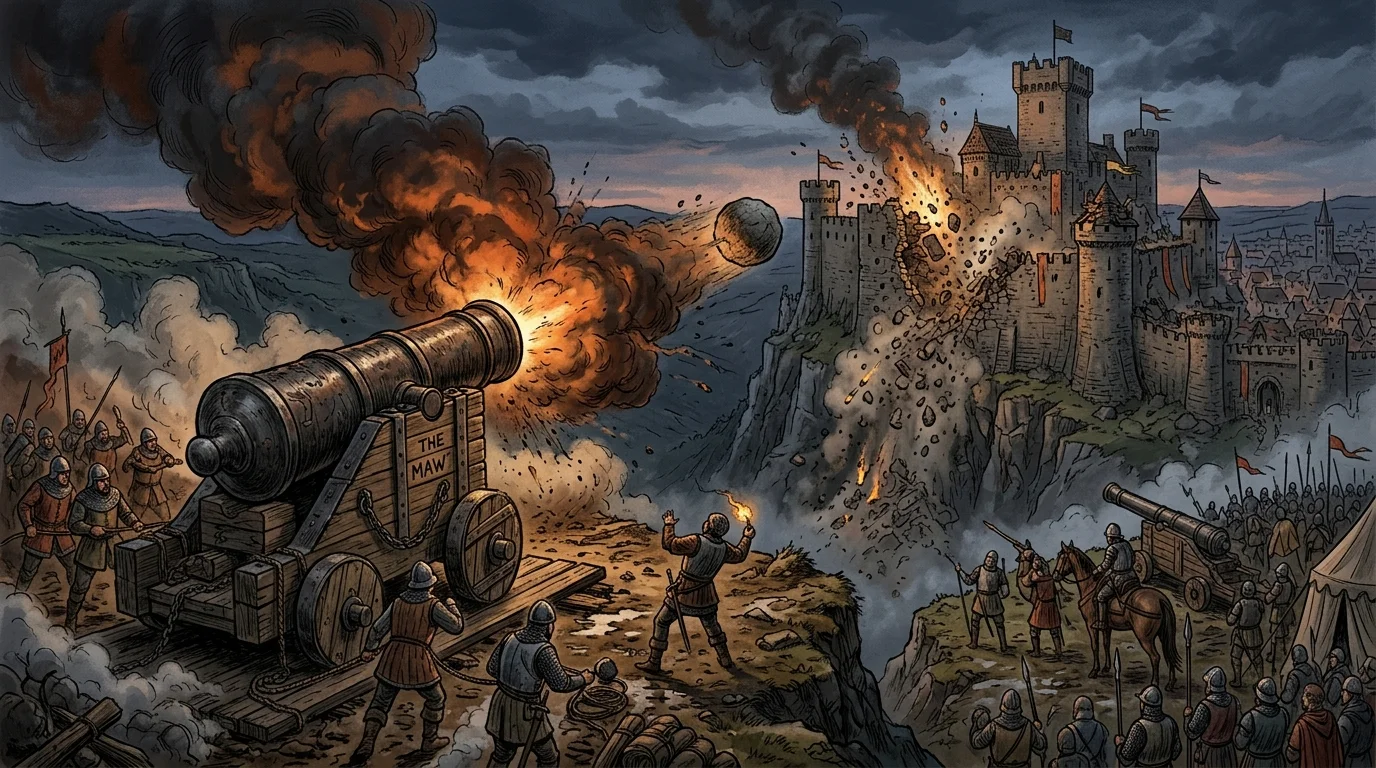
The Evolution of Artillery: From Trebuchets to Cannons, and the Fall of Castles

From mechanical force to chemical energy, how artillery reshaped warfare.

Artillery has been one of the most powerful weapons in human history. Early 'cannons' were not gunpowder weapons, but massive mechanical siege engines like trebuchets that hurled stones using leverage and gravity. However, following the accidental invention of gunpowder by alchemists, artillery evolved into terrifying firearms utilizing chemical energy. This devastating firepower shattered towering medieval walls, revolutionized fortification designs, and ultimately brought an end to the Middle Ages.
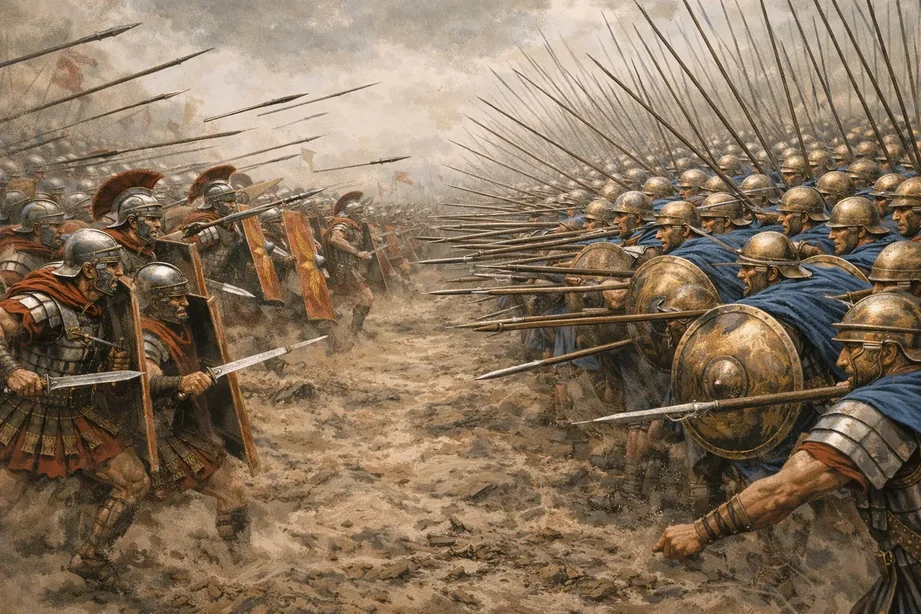
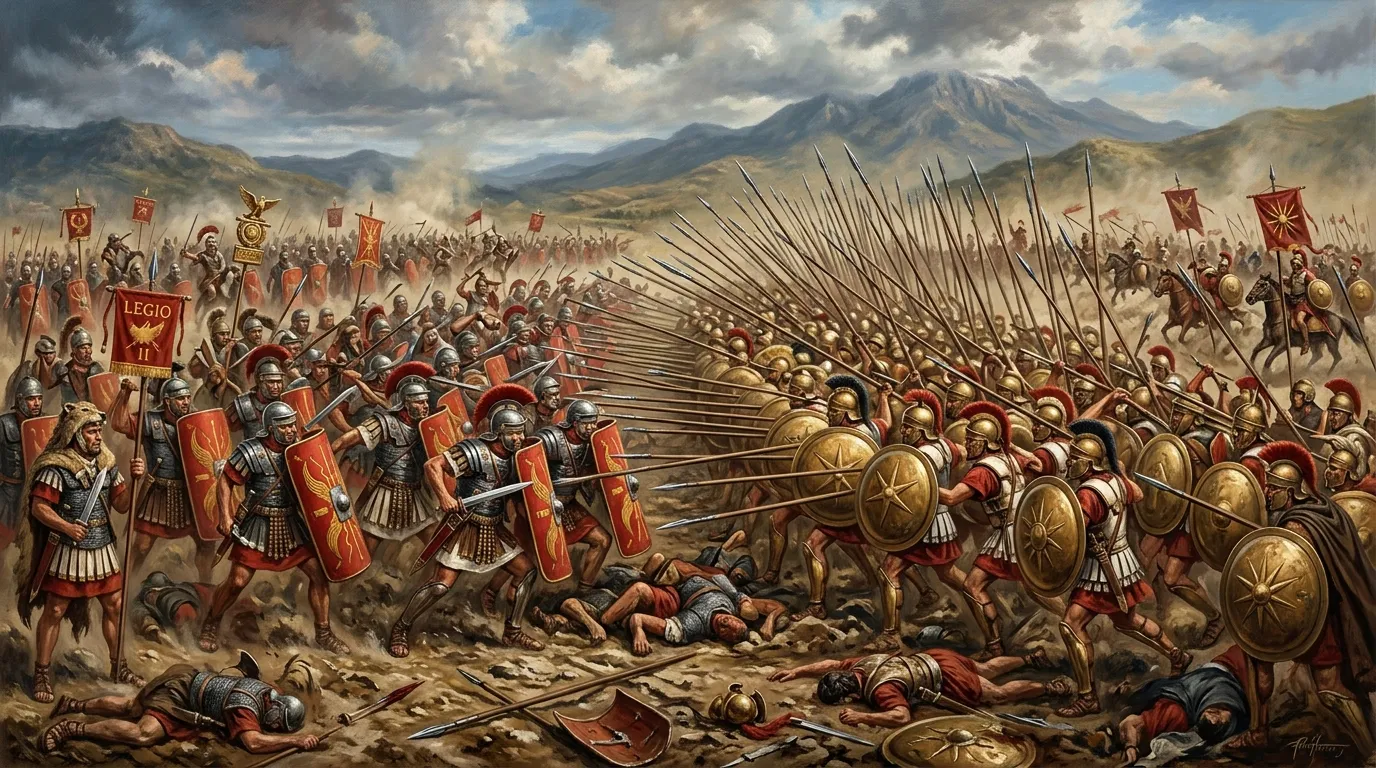
Legion vs Phalanx: The Clash of Titans

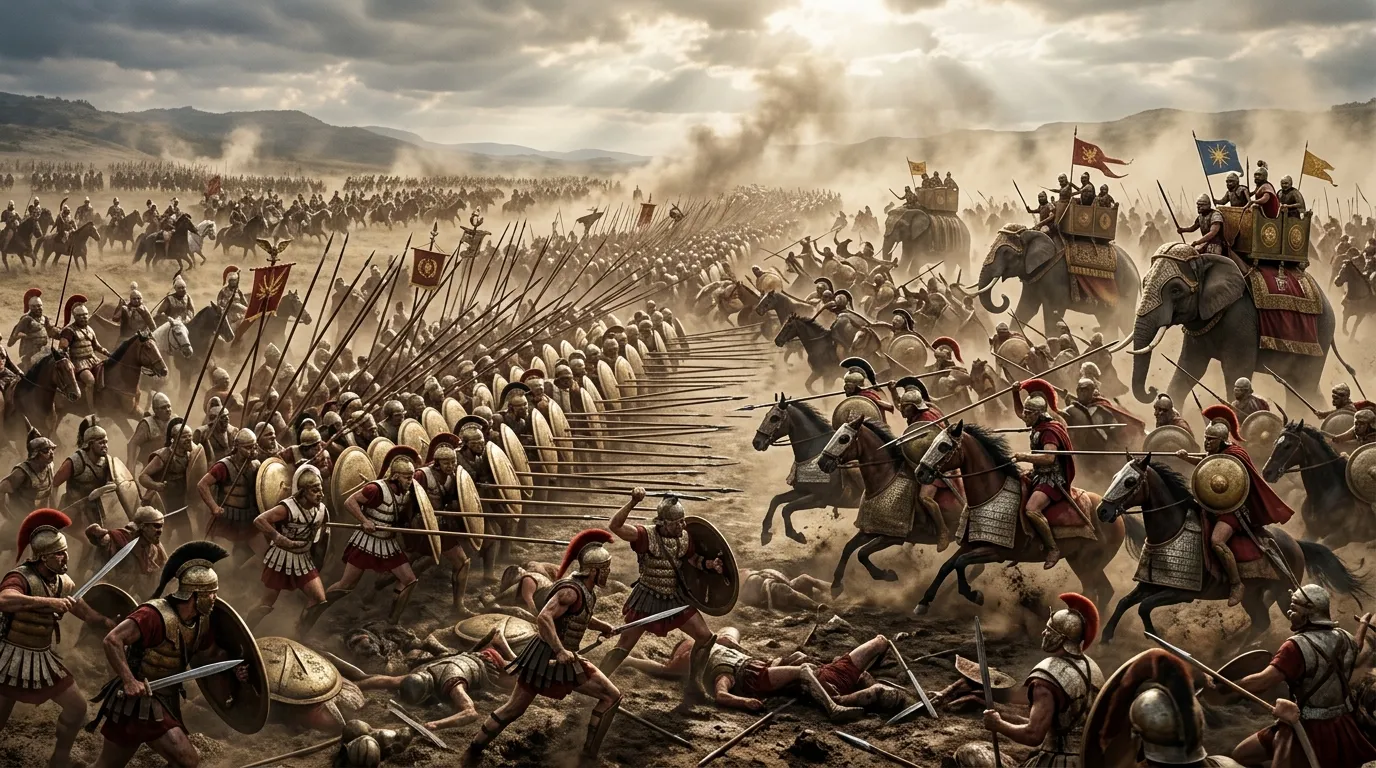
A tactical analysis of how the Roman Legion dismantled the Macedonian Phalanx.

For centuries, the Macedonian Phalanx was the supreme military formation of the ancient world. Yet, it was ultimately superseded by the Roman Legion. This article explores the tactical nuances, equipment differences, and the decisive factors that led to Rome's military dominance.

What Are the Criteria for Dividing Ancient, Medieval, Early Modern, and Modern History—and Why?

Not Arbitrary Calendar Numbers, but Fundamental Shifts in How Societies and Wars Operate

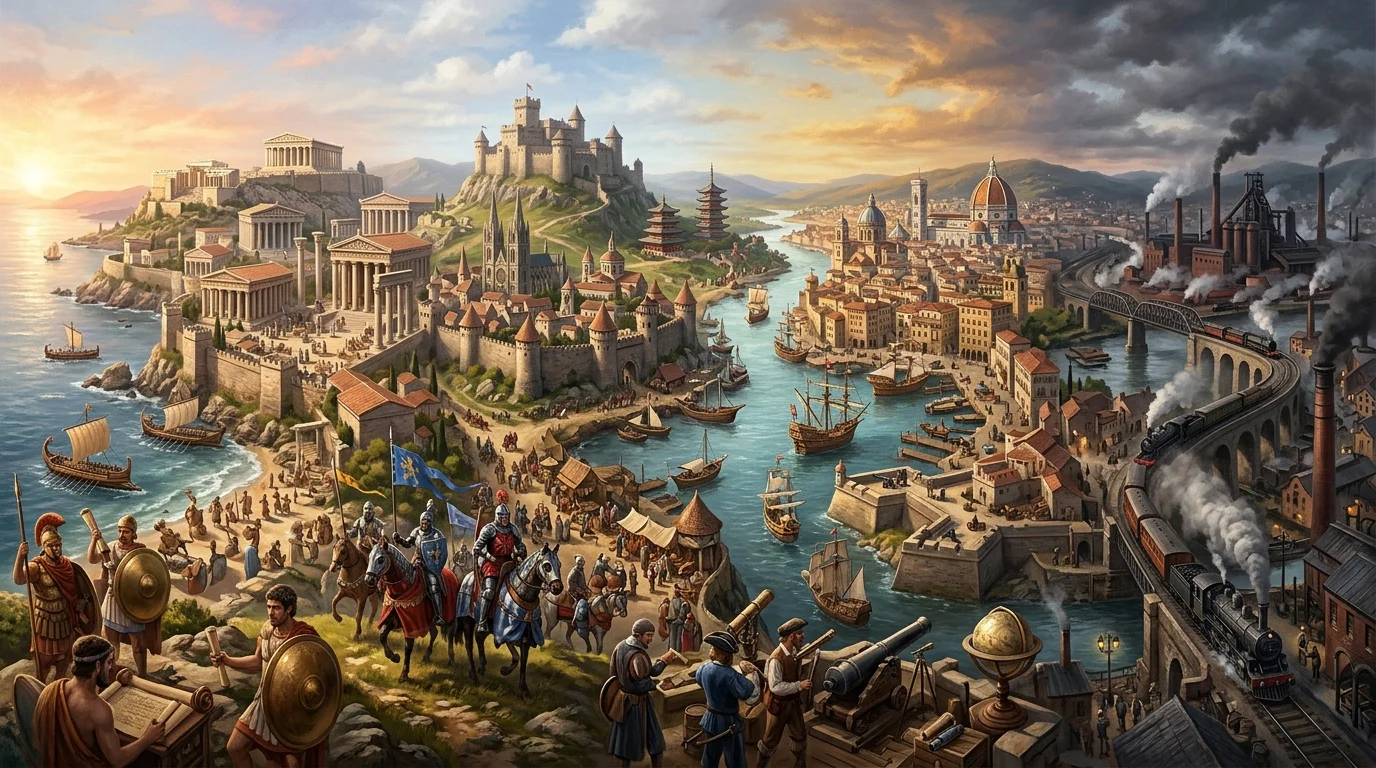
Historians do not divide human history into Ancient, Medieval, Early Modern, and Modern eras simply because the calendar turned to a round number. Instead, these eras mark structural turning points where the core operating principles of society—how political power is legitimized, how labor and social status are organized, what worldview governs international order, and how wars are fought—fundamentally changed.

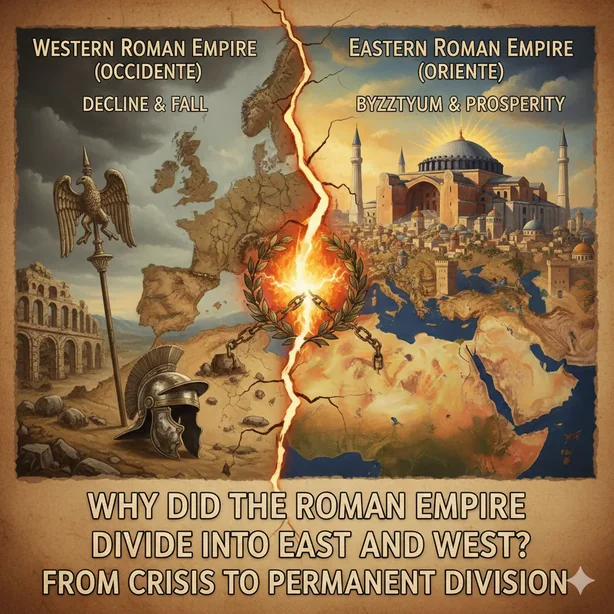
Why did the Roman Empire split?

From Crisis to Permanent Division