Before Cyrus declared his independence, the Median King Astyages had been haunted by two prophetic dreams. In the first, his daughter Mandane urinated so much that it flooded his capital, Ecbatana, and then the whole of Asia. In the second, after he married her to a quiet Persian prince to mitigate the threat, he saw a vine growing from her womb that overshadowed all of Asia. His magi interpreted these as signs that Mandane's son would usurp him. Terrified, Astyages ordered his general Harpagus to kill Mandane's newborn son, Cyrus. Harpagus, unwilling to shed royal blood himself, gave the baby to a shepherd to expose, but the shepherd raised him as his own. When the truth came out years later, Astyages punished Harpagus by killing his son and serving the child's flesh to his unwitting father at a banquet. This horrific act planted the seeds of Harpagus's eventual betrayal.
In 552 BC, Cyrus the Great declared independence from the Median Empire. Astyages sent his general Harpagus to crush the rebellion. However, Harpagus, who held a grudge against Astyages, defected to Cyrus with a large portion of the army at the Battle of Hyrba Battle of Hyrba .
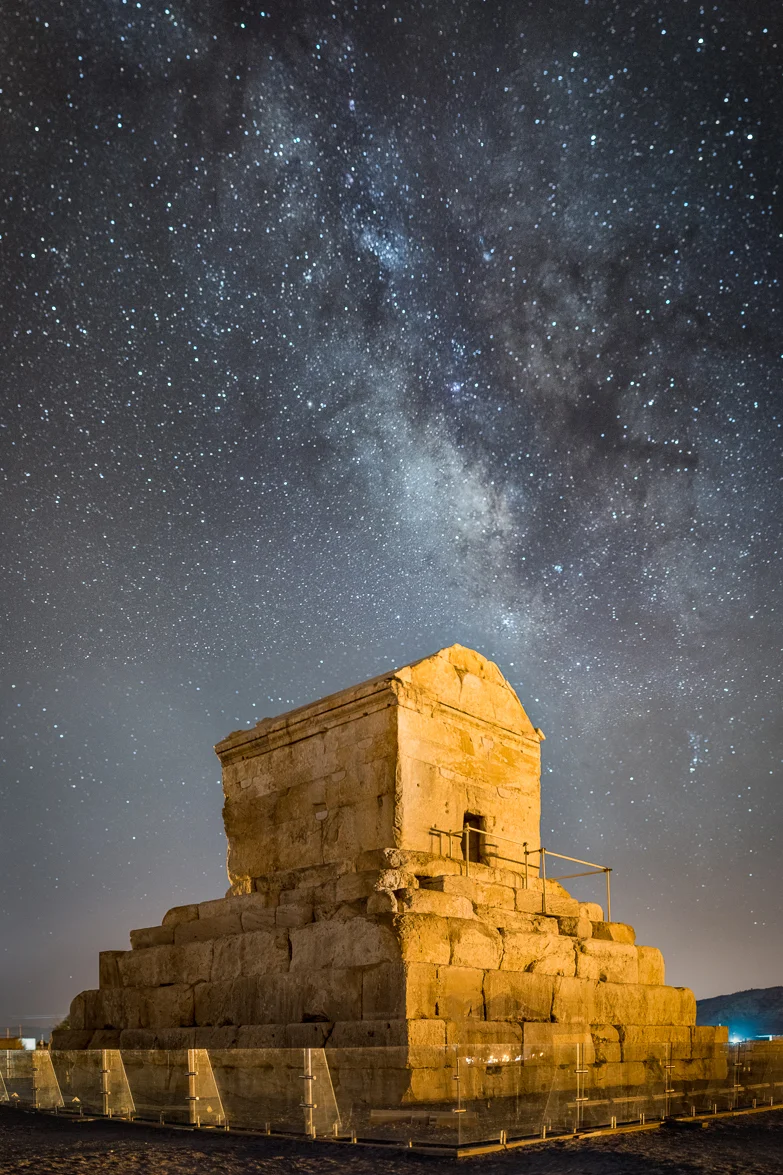
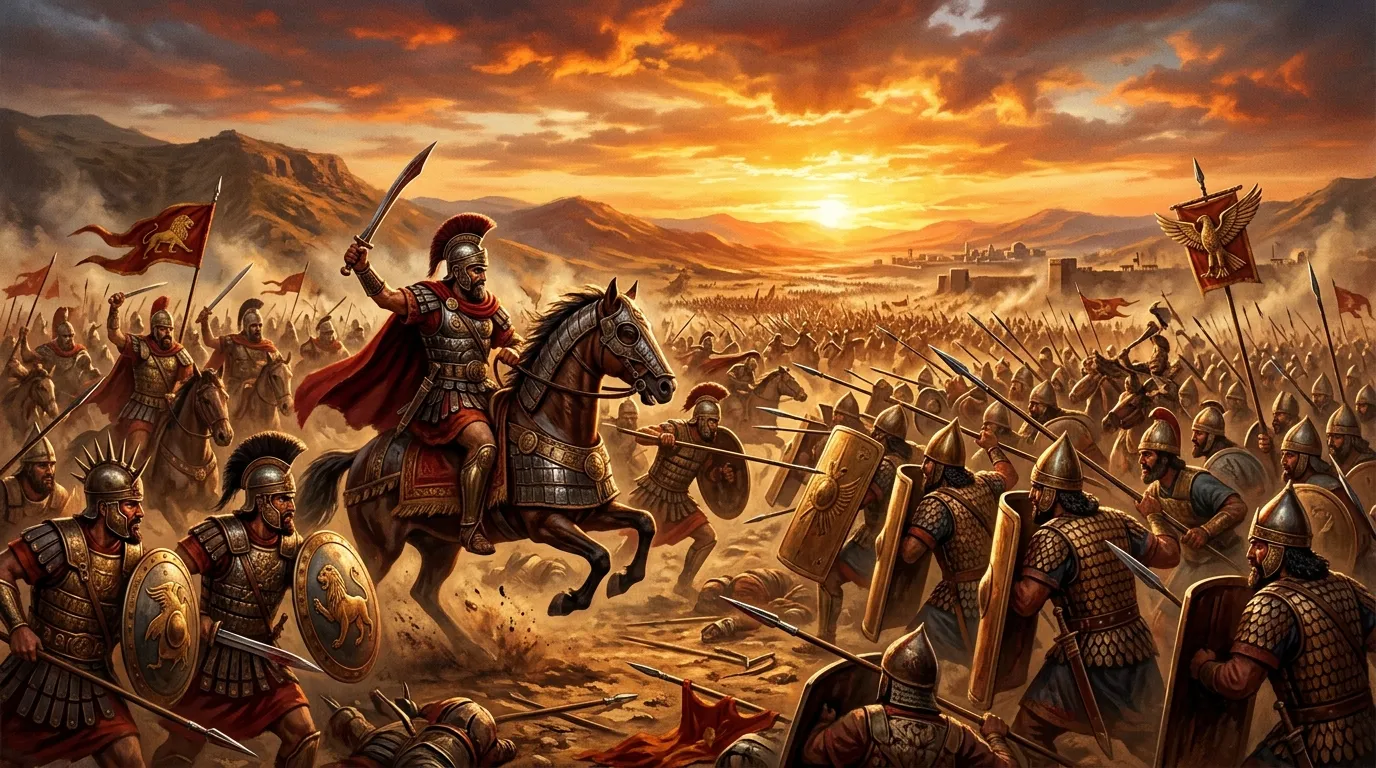
Battle of Pasargadae Astyages then personally led a second army against Cyrus. They met near the Persian capital, Pasargadae. After fierce fighting, the Persians retreated deeper into the city's defenses. There, in a desperate last stand, Cyrus rallied his troops and decisively defeated the Median army. Despite being heavily outnumbered, the Persians utilized the rugged hilly terrain to nullify the Median numerical advantage. Legend also holds that when Persian soldiers began to flee, their wives and mothers blocked their path and shamed them into returning to the fight, sparking a fierce counter-attack that secured victory.
Fall of Ecbatana With the Median army shattered, Cyrus marched on the Median capital, Ecbatana. The city fell in 550 BC, and Astyages was captured. Cyrus assumed the title 'King of Media,' effectively merging the two Iranian peoples into a new superpower: the Achaemenid Empire.
.webp)