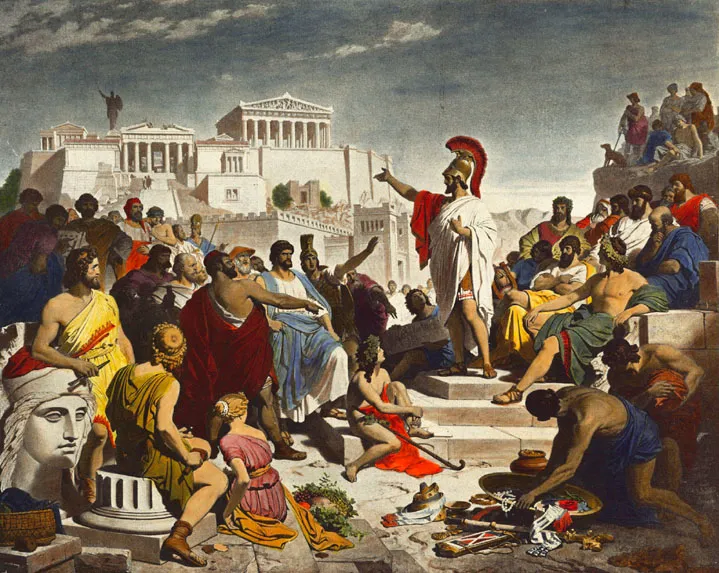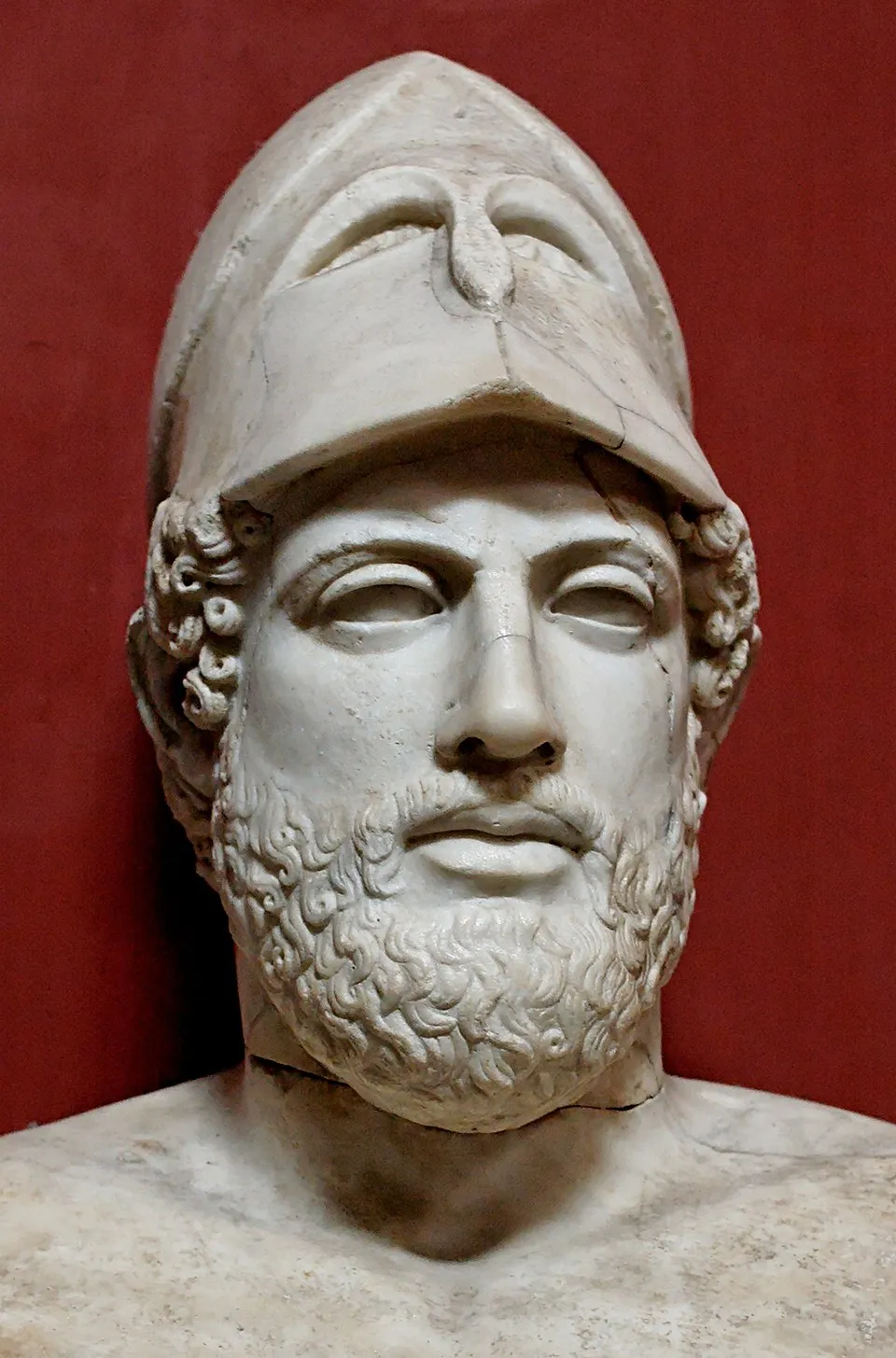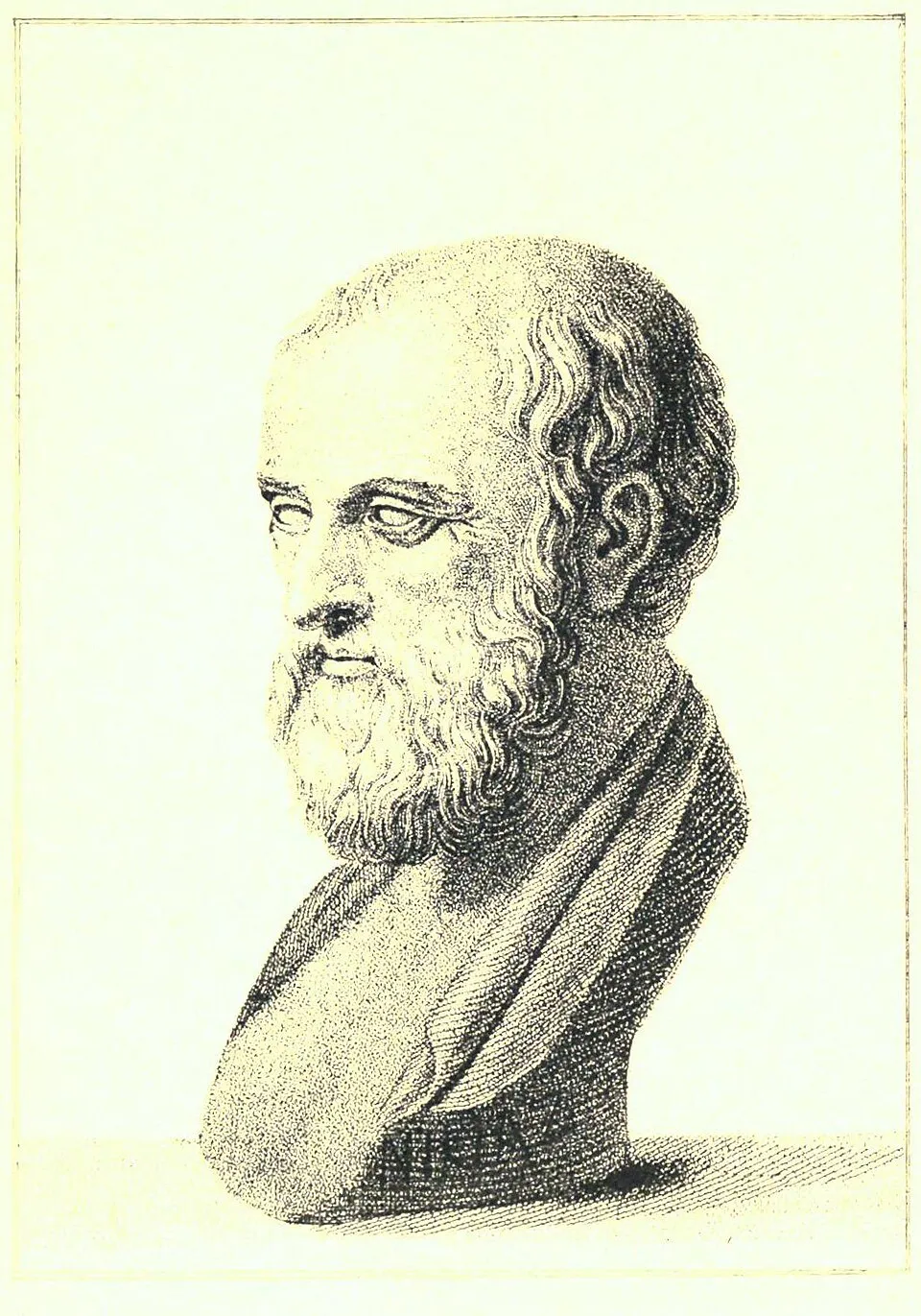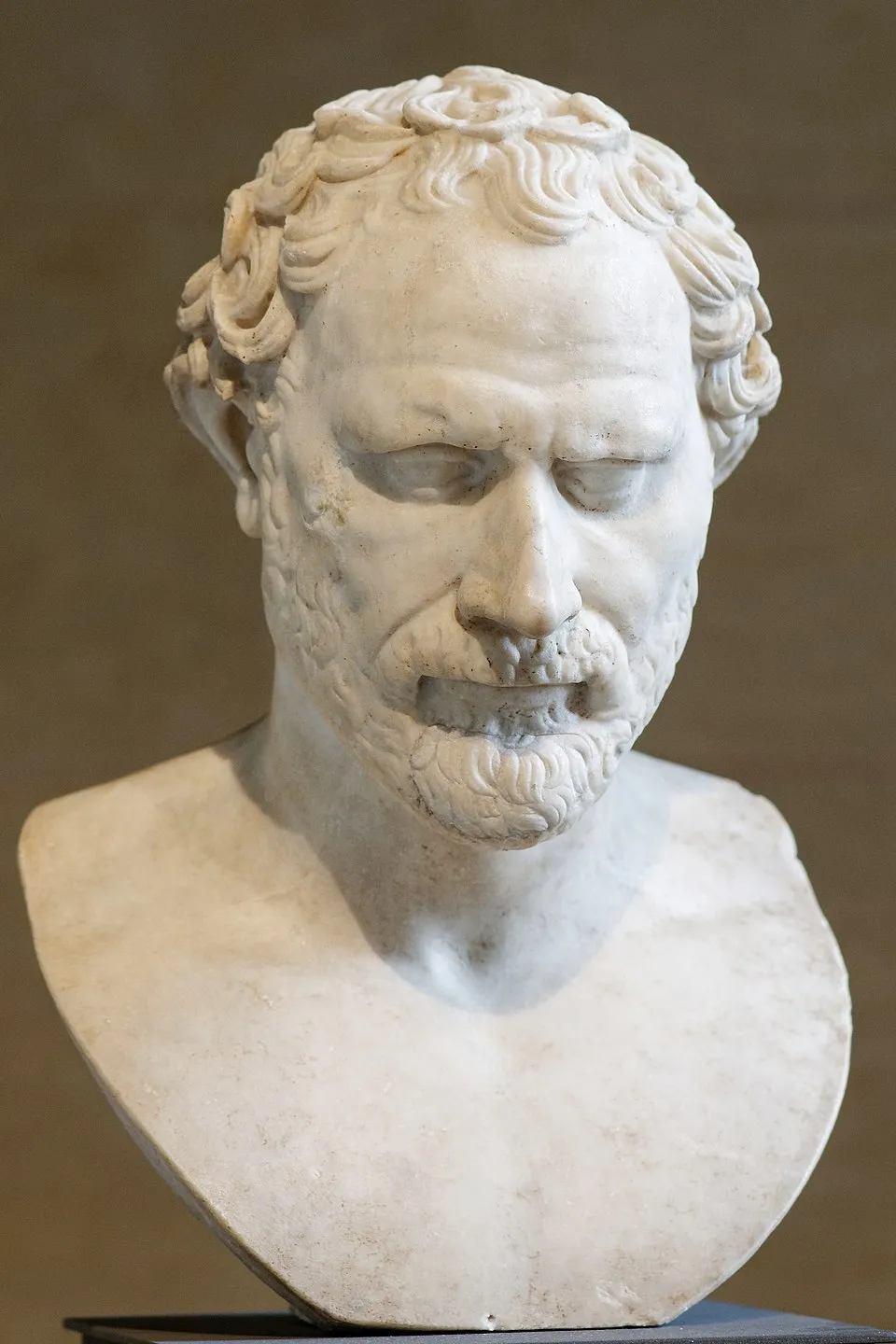
The war began as a stalemate. Pericles - Pericles was born into an influential Athenian family and rose to dominate the city’s politics during its Golden Age. of Athens - Maritime democracy of Attica, famed for its navy, Acropolis, and cultural life. After the Persian Wars it led the Delian League, drawing tribute from allies and clashing with Sparta over influence in Greece. knew they couldn't beat Sparta - A militarized polis in the Peloponnese ruled by dual kings and a council of elders. Spartan citizens (Spartiates) trained as hoplites from youth and relied on Helot labor to sustain their war-ready society. on land, so he pulled everyone behind the Long Walls and relied on the navy. It was a brilliant plan, until nature intervened. A plague struck the overcrowded city, killing a third of the population, including Pericles himself.
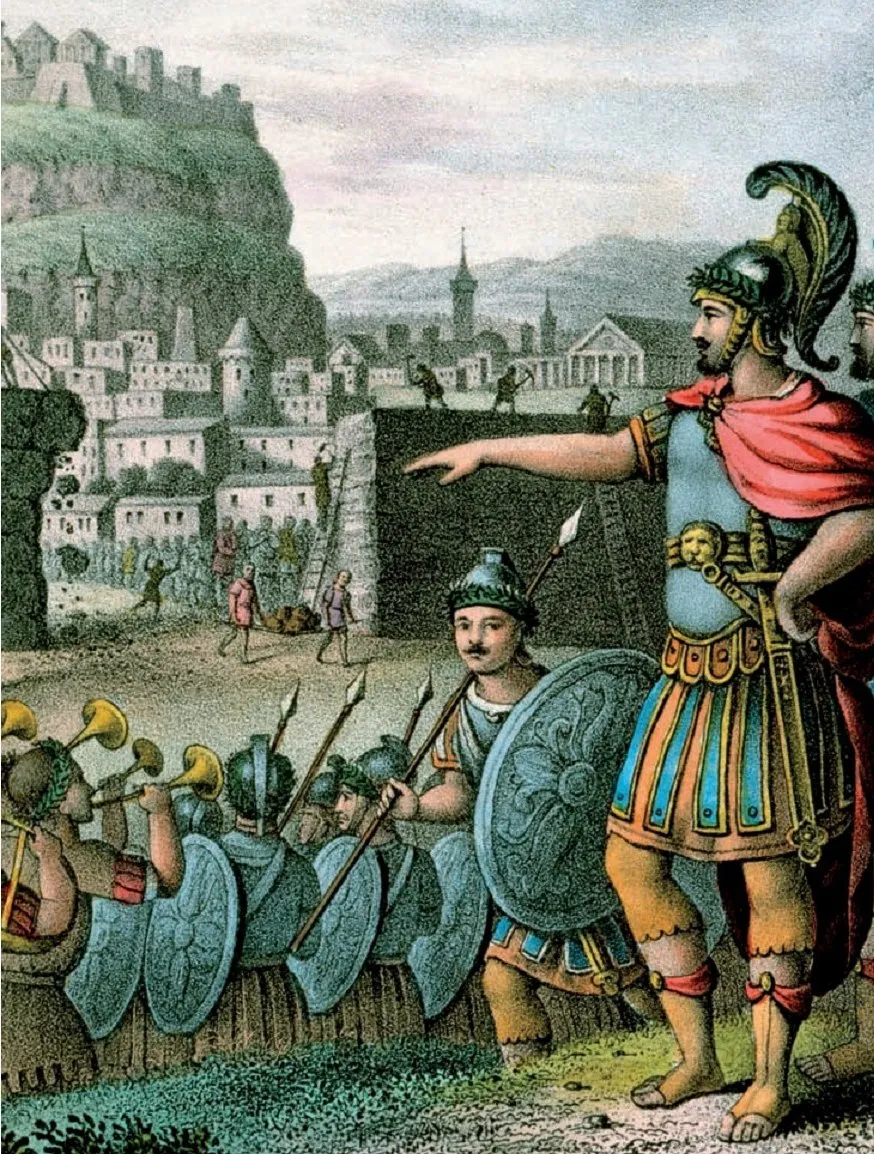
While Athens reeled, Sparta found its own hero in Brasidas - Brasidas was a Spartan officer distinguished by his energy, charisma, and diplomatic skill—qualities often lacking in typical Spartan leaders.. He marched through Thrace - A region northeast of mainland Greece stretching toward the Hellespont. Rich in timber and mines, it was strategically vital for routes to the Black Sea; both Athens and Sparta campaigned here during the Peloponnesian War., capturing Athenian allies and even Amphipolis . When Brasidas and the Athenian commander Cleon - Cleon rose to prominence in Athens after the death of Pericles. both died there, the exhausted sides agreed to the uneasy Peace of Nicias - A 50-year truce between Athens and Sparta that paused the Peloponnesian War after both sides were exhausted. Brokered by the Athenian general Nicias, it briefly halted major fighting, but neither alliance fully trusted or complied, and war soon resumed. in 421 BC—a pause everyone used to rearm.
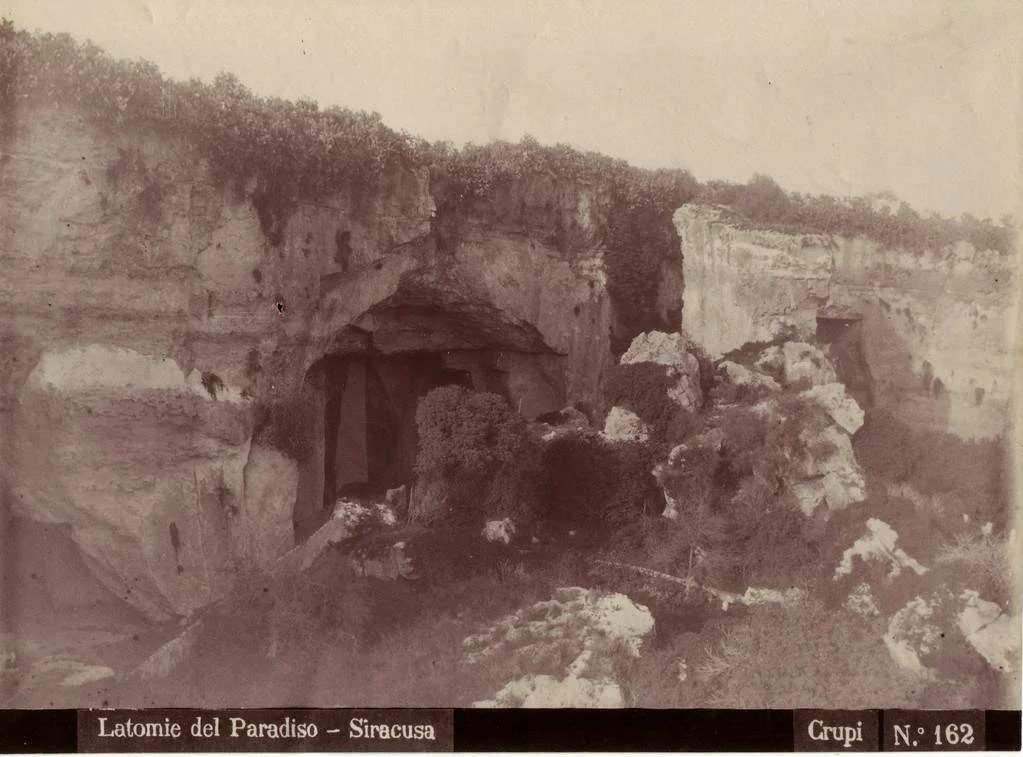
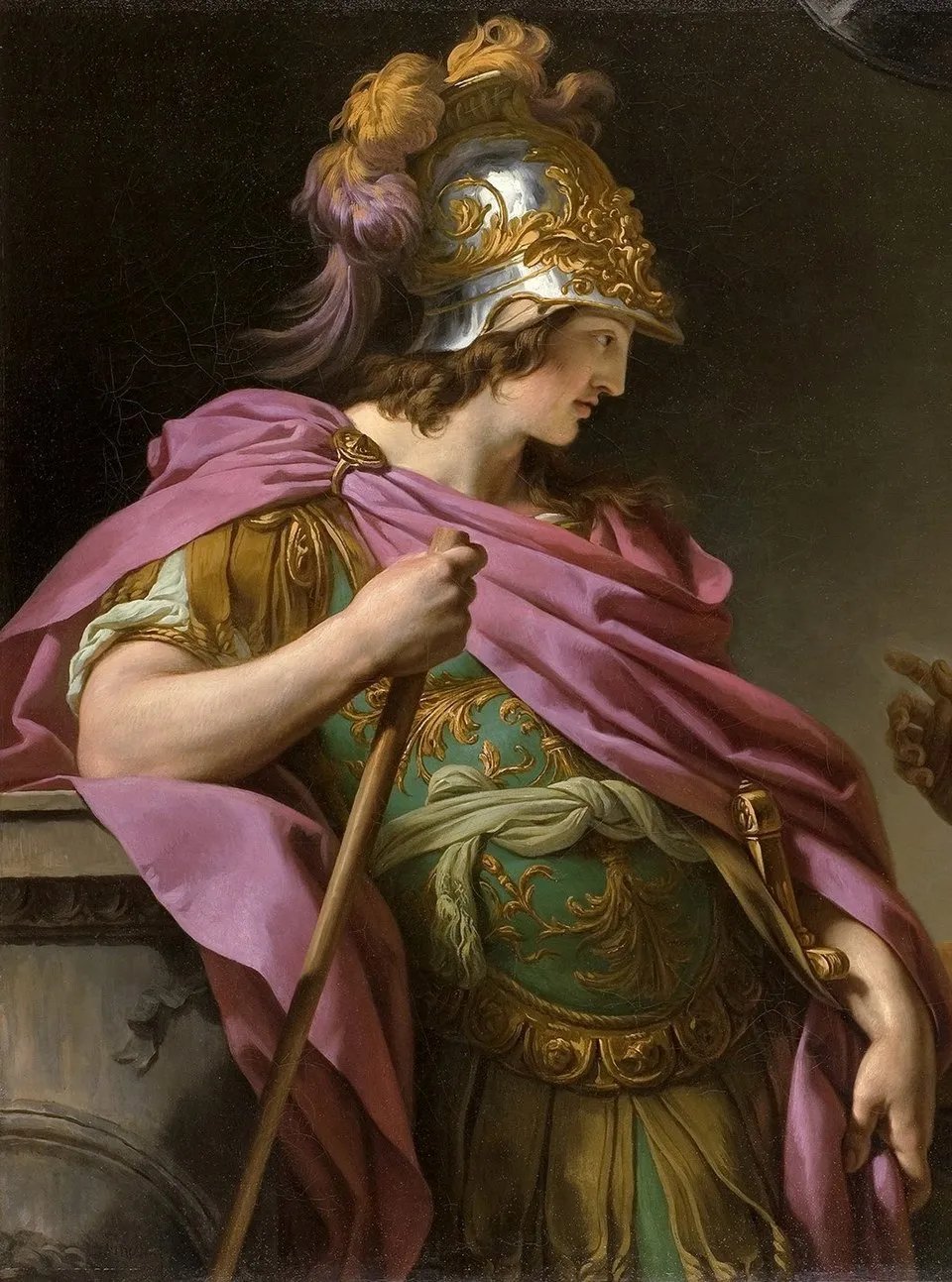
Without steady leadership, Athens grew reckless. The charismatic but dangerous Alcibiades - Alcibiades was a charismatic aristocrat raised in the circle of Pericles and reportedly taught by Socrates. convinced them to launch a massive invasion of Sicily. It was a catastrophic gamble. The entire Athenian fleet and army were destroyed in Syracuse —a loss from which they never truly recovered.
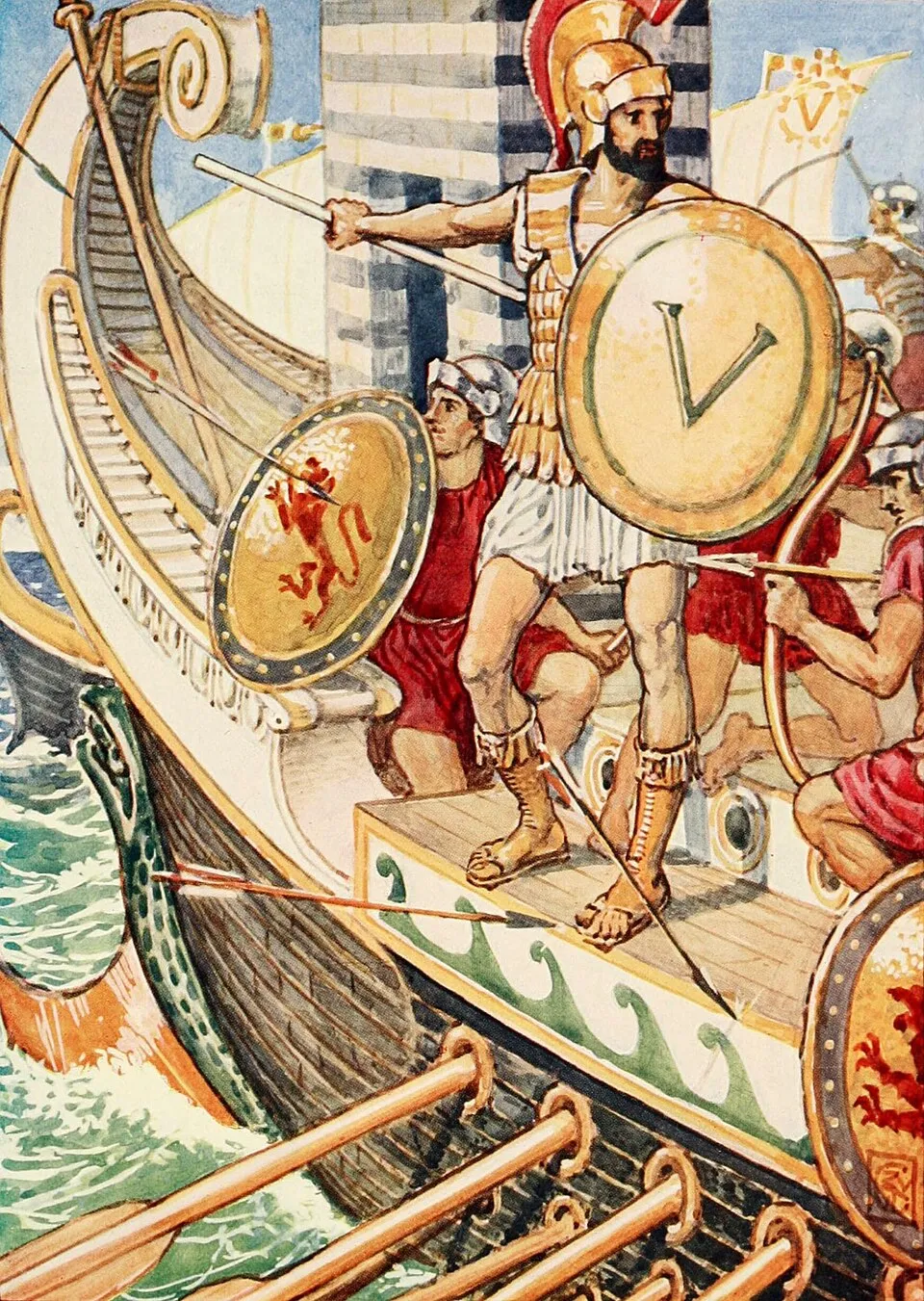
The end was slow and agonizing. Sparta, aided by Persian gold, finally built a fleet to challenge Athens. At Aegospotami , they caught the Athenians off guard and destroyed their last ships. Starved into submission, Athens tore down its walls to the sound of Spartan flutes. The Golden Age was over.