Historical Map
Font Size
Language
Theme

Loading Map...

Map height
Scroll Sensitivity1.0
323 BC – 281 BC

The Diadochi Wars

A long series of conflicts among Alexander the Great’s generals—known as the Diadochi—who fought to control or reunify his vast empire after his death.

LocationFormer Empire of Alexander the Great
BelligerentsMacedonian Empire, Successors (Diadochi), Rival Hellenistic Factions

Context & Background

323 BC

Death of Alexander

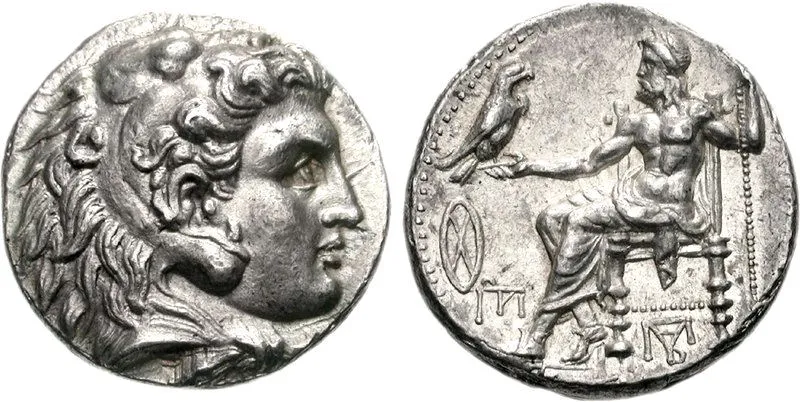
Alexander died in 323 BCE in Babylon after a sudden illness, possibly malaria, typhoid fever, or poisoning. He died without naming a clear successor, leaving an empire stretching from Greece to India leaderless.

323 BC

Power Vacuum

Rival generals, regents, and royal family members clashed over succession, guardianship of the infant king, and control of key provinces.

The Narrative

After Alexander the Great died of a sudden illness in Babylon in 323 BCE, his generals initially attempted to preserve a unified empire by proclaiming Philip III Arrhidaeus and the infant Alexander IV as joint kings. However, actual power was held by regents like Perdiccas, to whom Alexander, on his deathbed, entrusted his signet ring. Perdiccas served as Chiliarch and managed state affairs to maintain central authority.

However, just two years after Alexander's death, the First War of the Diadochi erupted. It was driven by Perdiccas's attempt to consolidate power by marrying Alexander's sister, which united Antipater, Craterus, and Ptolemy against him. The conflict ignited when Ptolemy hijacked Alexander's funeral cortege, which was en route to Macedon for burial. Possessing the king's body was seen as a symbol of legitimacy, so Ptolemy diverted it to Egypt to bolster his own authority. Perdiccas invaded Egypt in retaliation but faced disaster when attempting to cross the Nile. Following this failure, he was killed in a mutiny by his own officers—Peithon, Antigenes, and Seleucus—triggering further fragmentation. The empire began to split as each general sought autonomy.

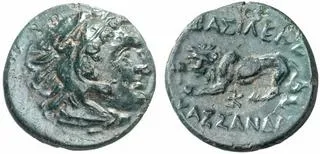
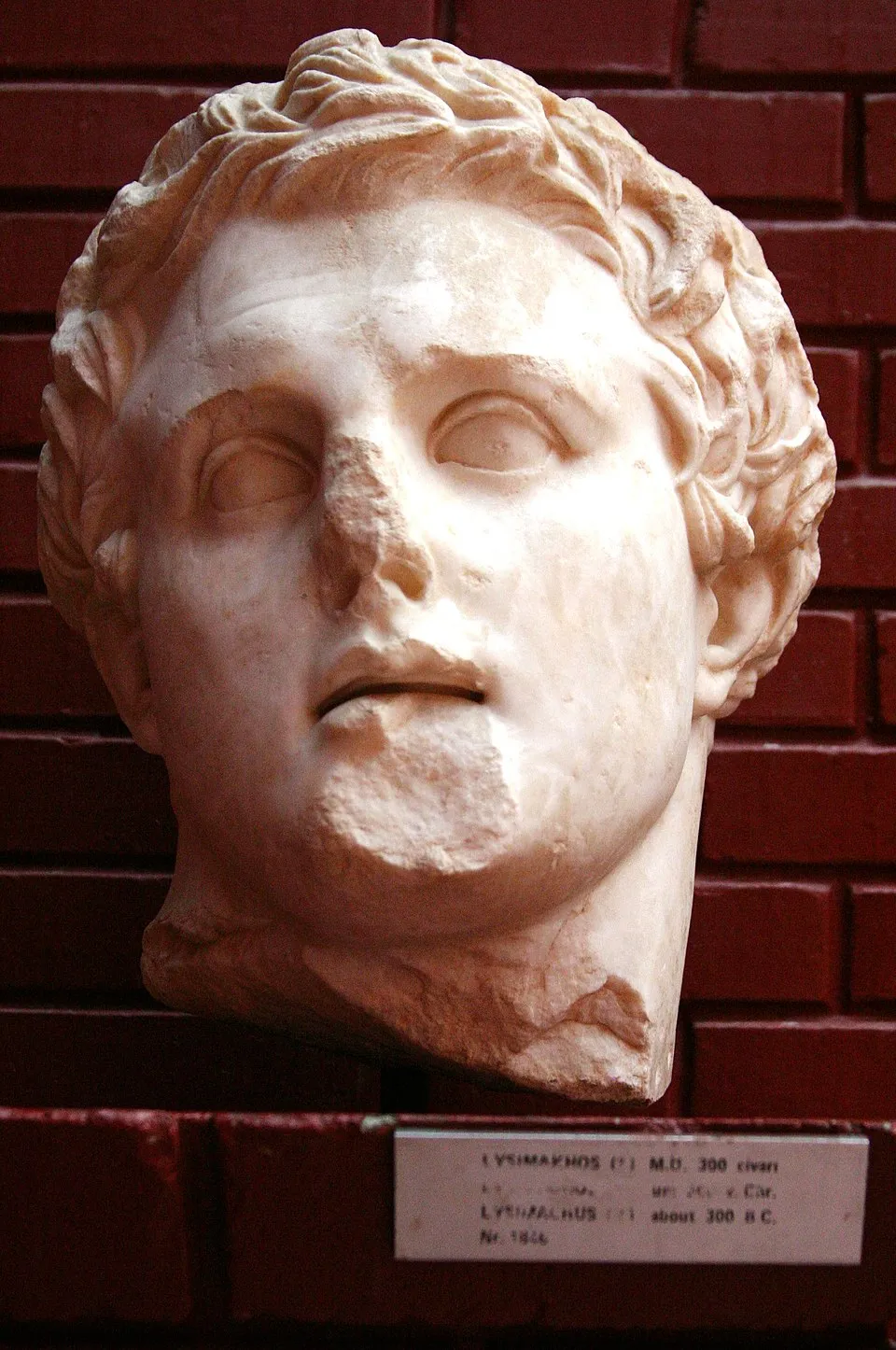
Following Perdiccas's death, Antigonus the One-Eyed was appointed Commander of Asia at the conference of Triparadisus. He was tasked with hunting down Perdiccas's remaining allies, most notably Eumenes. After defeating Eumenes, Antigonus emerged as the most powerful figure, controlling vast territories in Asia and the royal treasury. His rapid rise and ambition to rule the entire empire alarmed the other Diadochi—Lysimachus, Seleucus, Cassander, and Ptolemy—who formed a coalition to stop him.

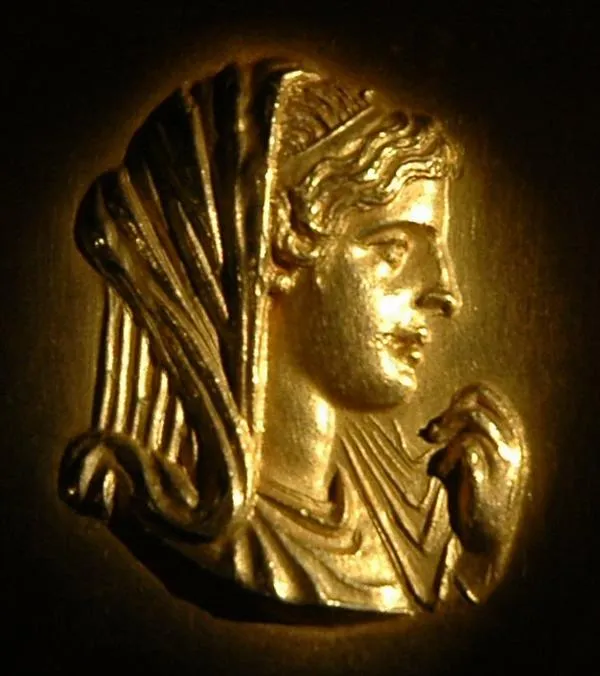
Amidst these power struggles, the Argead royal family met tragic ends. In 317 BCE, Philip III Arrhidaeus was captured and executed by Olympias, Alexander the Great's mother, who sought to protect her grandson's rights. However, the young King Alexander IV and his mother Roxana were later imprisoned by Cassander. Around 310 BCE, Cassander ordered their assassination by poison or strangulation to eliminate the last legitimate heirs to the throne. With these deaths, Cassander declared himself King of Macedon.

As a direct confrontation against Antigonus's imperial ambitions, the climactic Battle of Ipsus in 301 BCE ended Antigonus’s ambitions; he was killed in battle, and the remaining territories were divided among the victors. Seleucus gained most of Asia, Lysimachus took western Anatolia, and Ptolemy kept Egypt.

The final major conflict arose when Seleucus defeated Lysimachus at the Battle of Corupedium in 281 BCE. However, Seleucus was soon assassinated by Ptolemy Ceraunus, a refugee he had harbored. Ceraunus, driven by the ambition to become King of Macedon, betrayed and murdered his benefactor. With this, the hope of reunifying Alexander's empire was lost forever. The vast empire permanently split into three main powers: Macedon in Europe, the Seleucid Empire in Asia, and the Ptolemaic Kingdom in Egypt.
Chronology

323 BC

Death of Alexander

Alexander died without naming a clear successor, leaving his vast empire leaderless. His generals began to fight for control, marking the beginning of the Diadochi Wars.

320 BC

Disaster at the Nile

The conflict began when Perdiccas invaded Egypt to punish Ptolemy for hijacking Alexander the Great's funeral cortege. Possessing the King's body was a symbol of legitimacy, which Ptolemy used to challenge the regent's authority. Perdiccas led his army to the Nile near Memphis and attempted a forced crossing. However, the operation turned into a nightmare as unexpected rising waters and aggressive crocodiles claimed the lives of over 2,000 soldiers. This catastrophe destroyed the army's morale. That night, disillusioned officers, including Seleucus, mutinied and assassinated Perdiccas, ending his dream of a unified empire.

ResultPtolemaic Strategic Victory
Commanders:
⚔️ Attacker: Perdiccas (Macedonian) 🛡️ Defender: Ptolemy I (Macedonian)
321 BC

Partition of Triparadeisos

Following Perdiccas's death, the empire's power structure was reorganized at Triparadisus. Antipater became the new Regent, while key satrapies were redistributed: Ptolemy was confirmed in Egypt, Seleucus received Babylon, and Antigonus was appointed Strategos of Asia to hunt down Eumenes. This partition effectively dissolved central authority, setting the stage for the rise of independent dynasties.

Truce / Interlude (5 years)
316 BC

Battle of Gabiene

In the decisive clash between Antigonus and Eumenes, Eumenes's elite Silver Shields (Argyraspides) dominated the battlefield. However, Antigonus used the dust to outflank them and capture their baggage train, which contained their families and decades of loot. Desperate to recover their possessions, the Silver Shields betrayed Eumenes, handing him over to Antigonus to be executed. This victory left Antigonus as the undisputed master of Asia.

ResultAntigonid Victory
Commanders:
⚔️ Attacker: Antigonus I (Macedonian) 🛡️ Defender: Eumenes (Greek)
Forces:
⚔️ Attacker: 22,000 infantry, 9,000 cavalry, 65 elephants 🛡️ Defender: 36,000 infantry (including Silver Shields), 6,000 cavalry, 114 elephants
Truce / Interlude (15 years)
301 BC

Battle of Ipsus

The Battle of Ipsus was the decisive confrontation of the Fourth War of the Diadochi. Antigonus I Monophthalmus, aiming to reunify Alexander's empire under his sole rule, faced a grand coalition of Cassander, Lysimachus, and Seleucus. Ptolemy was also part of the alliance but retreated upon receiving a false report that Antigonus had already won. The battle turned when Seleucus deployed 500 war elephants, blocking Antigonus's cavalry led by his son Demetrius from returning to the main fight. Antigonus was killed, and with him died the last hope of a unified empire. The victors partitioned the realm: Seleucus gained Syria and most of Asia, Lysimachus took Asia Minor, Cassander secured Macedon, and Ptolemy confirmed his control over Egypt.

ResultCoalition Victory
Commanders:
⚔️ Attacker: Antigonus I and Demetrius 🛡️ Defender: Seleucus I (Macedonian), Lysimachus (Macedonian)
Truce / Interlude (20 years)
281 BC

Battle of Corupedium

The Battle of Corupedium was the final conflict of the Wars of the Diadochi, fought between the last two surviving contemporaries of Alexander: Seleucus I Nicator and Lysimachus. Seleucus invaded Lysimachus's territory in Asia Minor, and in the ensuing battle, Lysimachus was killed. This victory gave Seleucus control over nearly all of Alexander's empire, except for Egypt. However, his triumph was short-lived; he was assassinated shortly after by Ptolemy Ceraunus before he could claim the Macedonian throne. This marked the definitive end of the Diadochi era. From the ashes of the empire, three major powers emerged: the Ptolemaic Kingdom in Egypt, the Seleucid Empire in Asia, and the Antigonid Kingdom in Macedon.

ResultSeleucid Victory

History Quiz

1 / 1

When did The Diadochi Wars start?