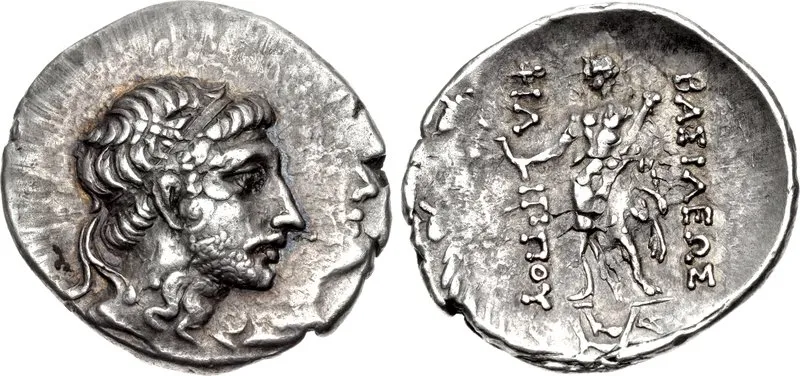
The Macedon - An ancient kingdom that grew from a peripheral Greek state into the dominant power of Hellenistic Greece. Under Alexander the Great, it established a vast empire stretching from Greece to India, initi...ian Wars were a series of conflicts that drew Rome - The Roman Republic (509 BC – 27 BC) was the era of ancient Roman civilization characterized by a republican form of government. It began with the overthrow of the Roman monarchy and lasted for over 450 years until its subversion through a series of civil wars, leading to the Roman Empire. deeper into the complex politics of the Hellenistic world. The First Macedonian War (214–205 BC) was a sideshow to the much larger Second Punic War, sparked by Philip V - Philip V (238–179 BC) was King of Macedon from 221 to 179 BC, a member of the Antigonid dynasty.'s alliance with Hannibal. It was largely indecisive, ending with the Treaty of Phoenice - The peace treaty concluded in 205 BC that ended the First Macedonian War. It was signed at Phoenice in Epirus between the Roman Republic and Philip V of Macedon. The treaty recognized the current territorial holdings, allowing Macedon to keep some of its conquests in Illyria, while Rome secured its influence in the Adriatic. It marked the end of the first phase of conflict but left underlying tensions unresolved.. The Treaty of Phoenice - An ancient Greek city in Epirus and the capital of the Chaonians. It was the site of the Treaty of Phoenice in 205 BC, which ended the First Macedonian War. was a peace agreement where both sides agreed to stop fighting and keep the lands they currently held. However, it marked the beginning of long-term Roman-Macedonian hostility.
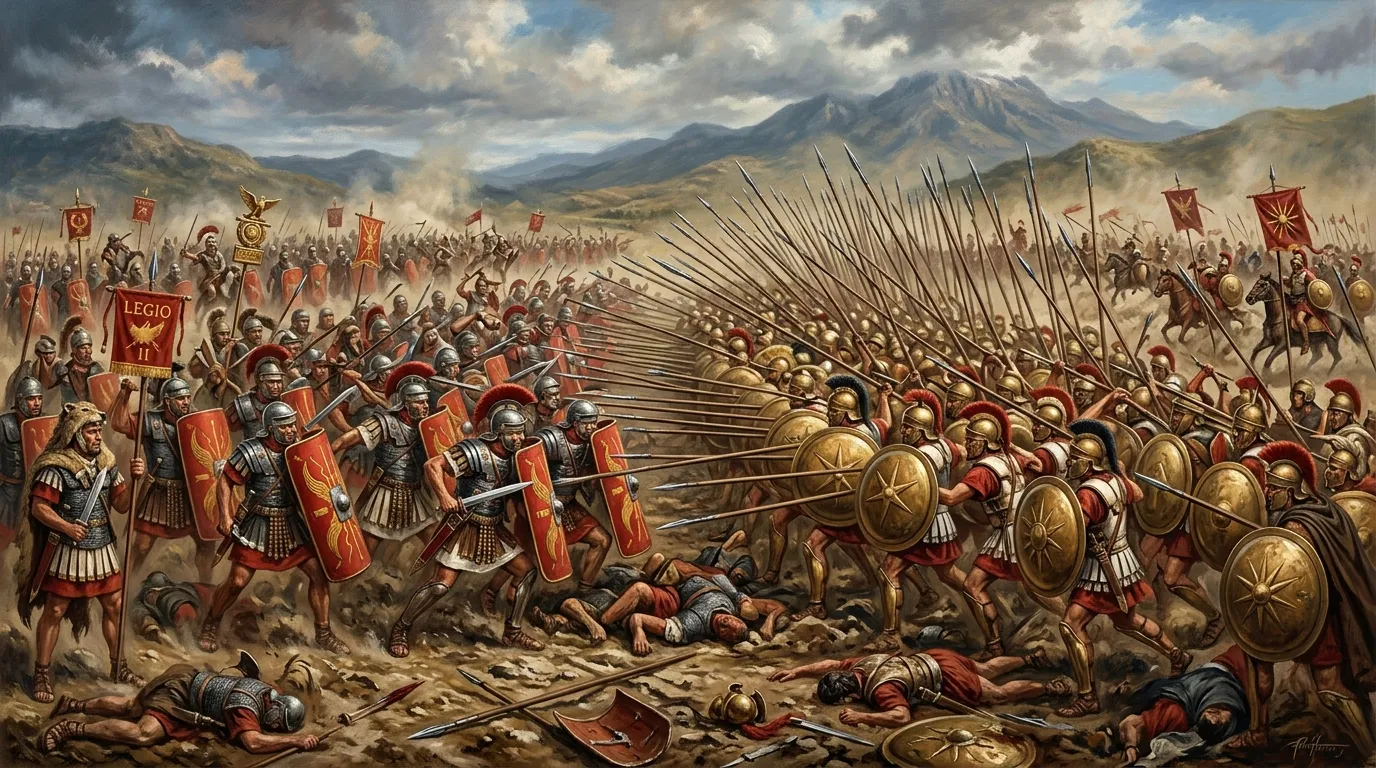
The Second Macedonian War (200–197 BC) was a more direct confrontation. Rome, urged by its allies Pergamum - A Hellenistic kingdom in Western Asia Minor. A staunch ally of Rome, it played a key role in the Macedonian and Roman-Seleucid Wars. and Rhodes - A powerful island city-state in the Aegean Sea during the Hellenistic period. Famed for its formidable navy, it was an important Roman ally., declared war on Philip V for his expansionist policies in the Aegean. The decisive battle came at Cynoscephalae - A range of hills in Thessaly, Greece. The name means 'Dog's Heads' due to the shape of the peaks. It is best known as the site of the decisive battle in 197 BC where the Roman legions under Flamininus defeated the Macedonian phalanx of Philip V. in 197 BC, where the Roman legion - The Roman legion was the largest military unit of the Roman army. A legion was roughly of brigade size, composed of 4,200 infantry and 300 cavalry in the republican period, later expanded to 5,200 infantry in the imperial period. It was known for its flexibility and discipline, which allowed it to fight on varied terrain, utilizing specialized Legionary Equipment in contrast to the more rigid phalanx.s' flexibility triumphed over the rigid Macedonian phalanx - An ancient Greek and Macedonian dense infantry formation. Soldiers overlapped shields and presented a forest of spears, forming an impenetrable defensive wall.. The defeat forced Philip to abandon his territories in Greece, pay a large indemnity, and become a Roman ally.
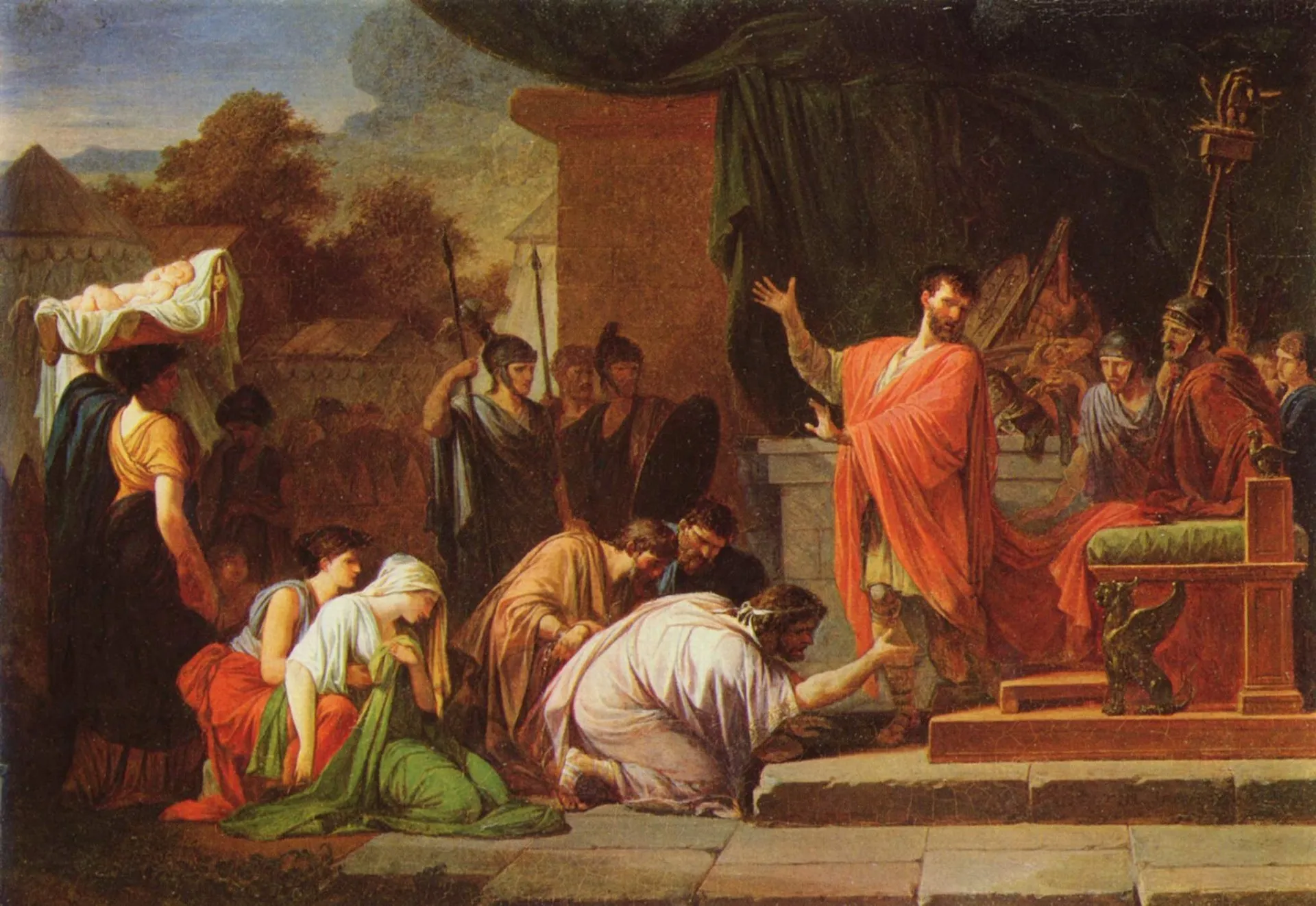
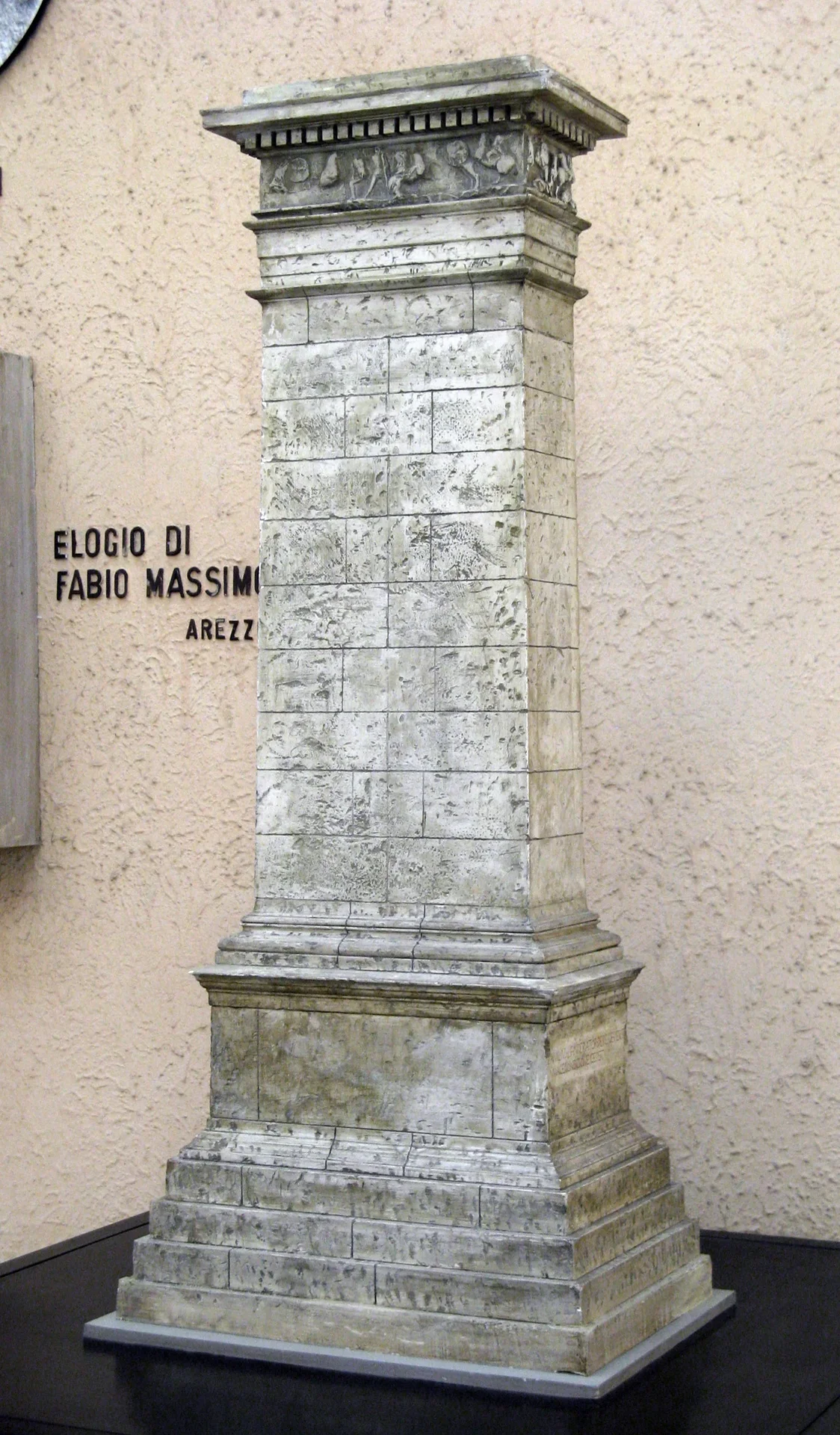
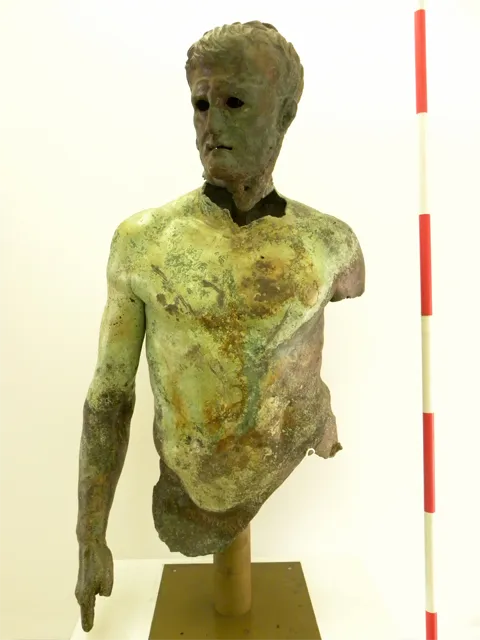
After Philip V's death, his son Perseus of Macedon - Perseus (c. inherited the throne and began to rebuild Macedonian power and challenge Roman dominance. This led to the Third Macedonian War (171–168 BC). The war culminated in the Battle of Pydna in 168 BC, where the Roman general Lucius Aemilius Paullus - Lucius Aemilius Paullus was born into one of the most ancient and aristocratic patrician families in Rome. decisively defeated Perseus. Perseus was captured and the Antigonid kingdom was dissolved, replaced by four client republics under Roman supervision.
The final act was the Fourth Macedonian War (150–148 BC). A man named Andriscus - Andriscus, often called Pseudo-Philip, was a man of humble origins, reportedly a fuller from Adramyttium in Aeolis., claiming to be Perseus's son, attempted to restore the Macedonian monarchy and briefly succeeded in uniting the region. However, he was swiftly defeated by the Romans under Quintus Caecilius Metellus Macedonicus. Following this uprising, Rome formally annexed Macedon as a province in 148 BC, ending its independence and the history of the Antigonid dynasty.
.webp)