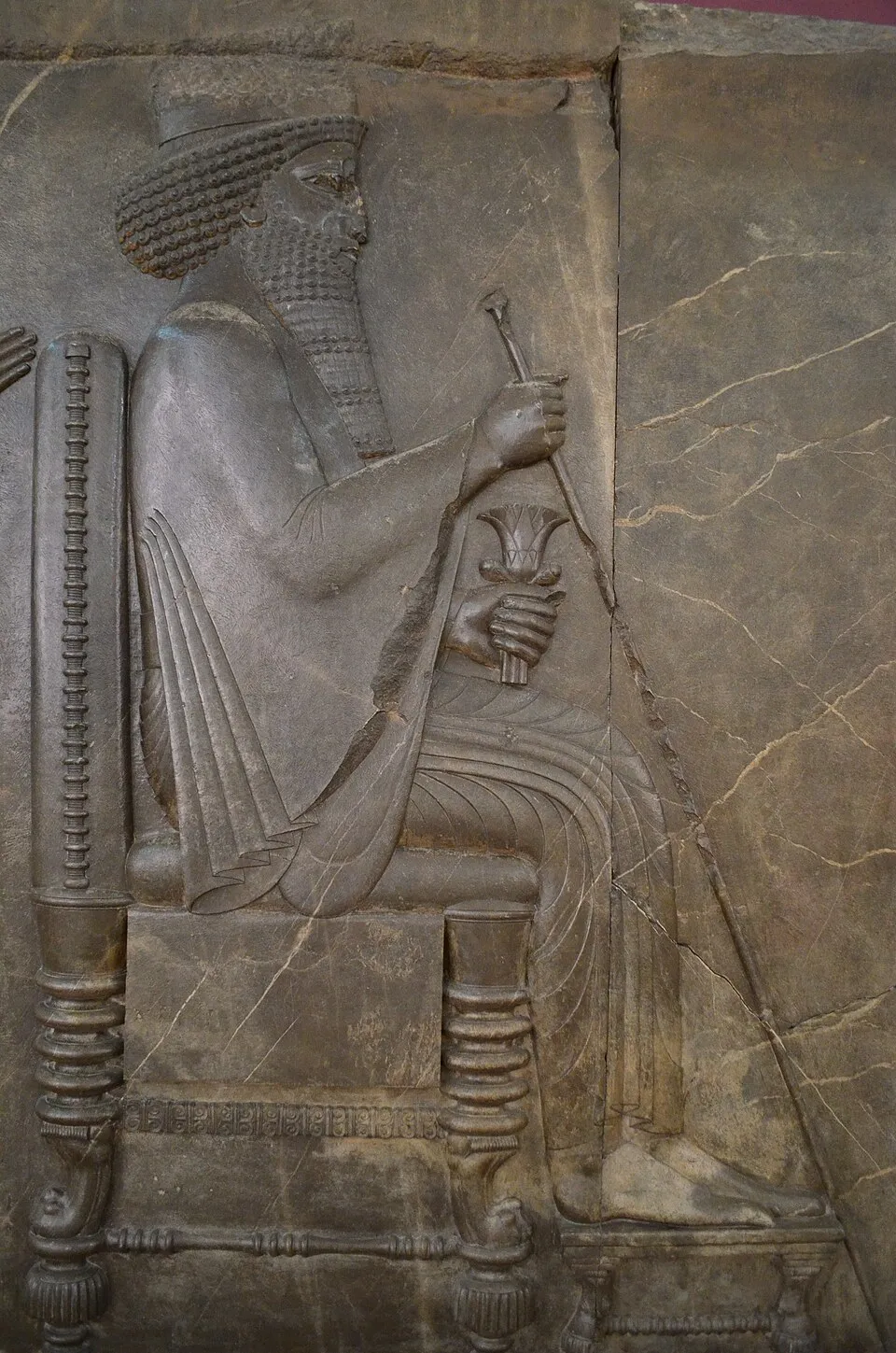
The conflict escalated when King Darius I - Darius I, known as Darius the Great, was the third King of Kings of the Achaemenid Empire. sent heralds to the Greek city-states - A loose alliance of independent city-states (poleis) in ancient Greece, most notably Athens and Sparta, that united to defend against the Persian invasions. Known for their development of democracy, p... demanding 'earth and water' as a token of submission. Many submitted, but Athens and Sparta remained defiant; Athens threw the heralds into a pit, and Sparta threw them into a well.
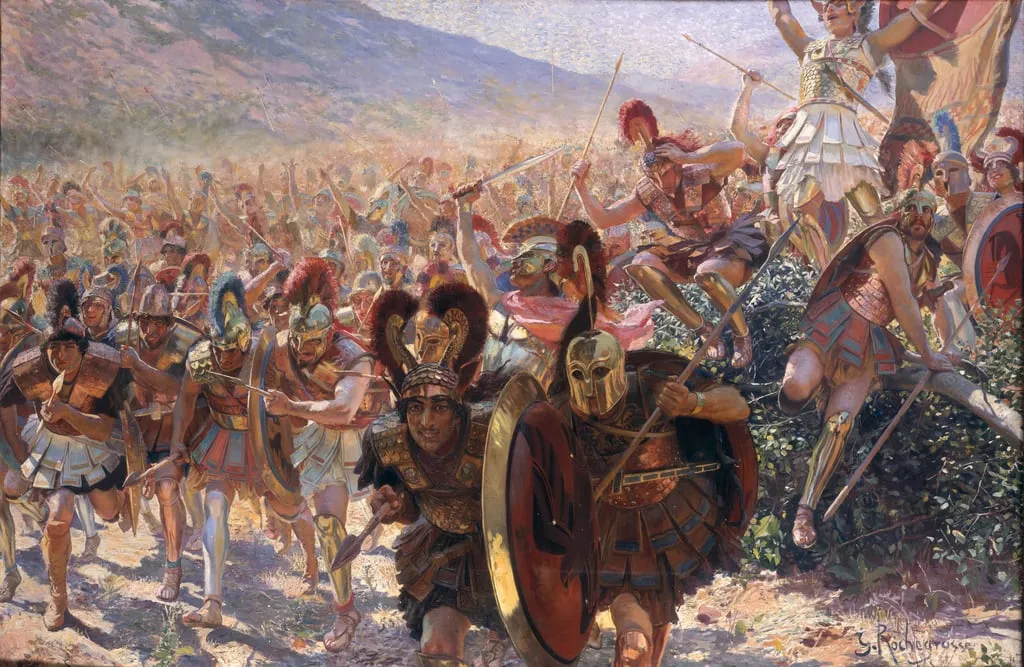
In 490 BC, Darius launched a punitive expedition. At the Battle of Marathon , the Athenian general Miltiades employed a brilliant strategy. He weakened his center and strengthened his flanks, luring the Persia - Originating as the Kingdom of Anshan, a vassal of the Median Empire, it rose to power under Cyrus the Great, becoming the First Persian Empire. Spanning from the Balkans and Egypt to the Indus Valley,...n infantry in before enveloping them. The result was a stunning Greek victory that proved the Persian war machine could be beaten.
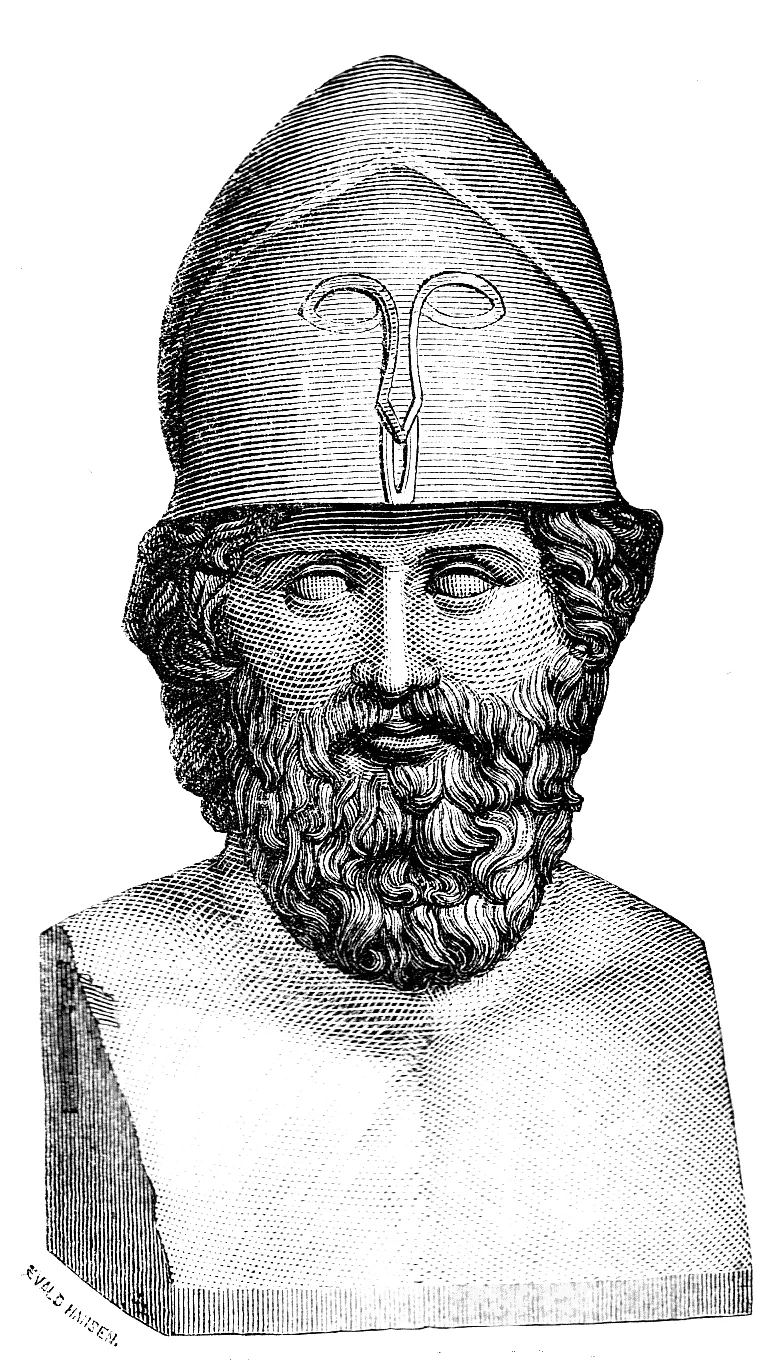
During the ten-year interlude, Athens struck a rich vein of silver at Laurium - The silver mines of Laurium in Attica were the primary source of Athens' wealth. A massive new vein of silver discovered in 483 BC provided the funds for Themistocles to build the fleet of 200 triremes that ultimately defeated the Persians at Salamis.. The foresight of Themistocles - Themistocles was a populist politician who foresaw the Persian threat. convinced the Athenians to use this wealth to build a massive fleet of triremes, a decision that would save Greece.
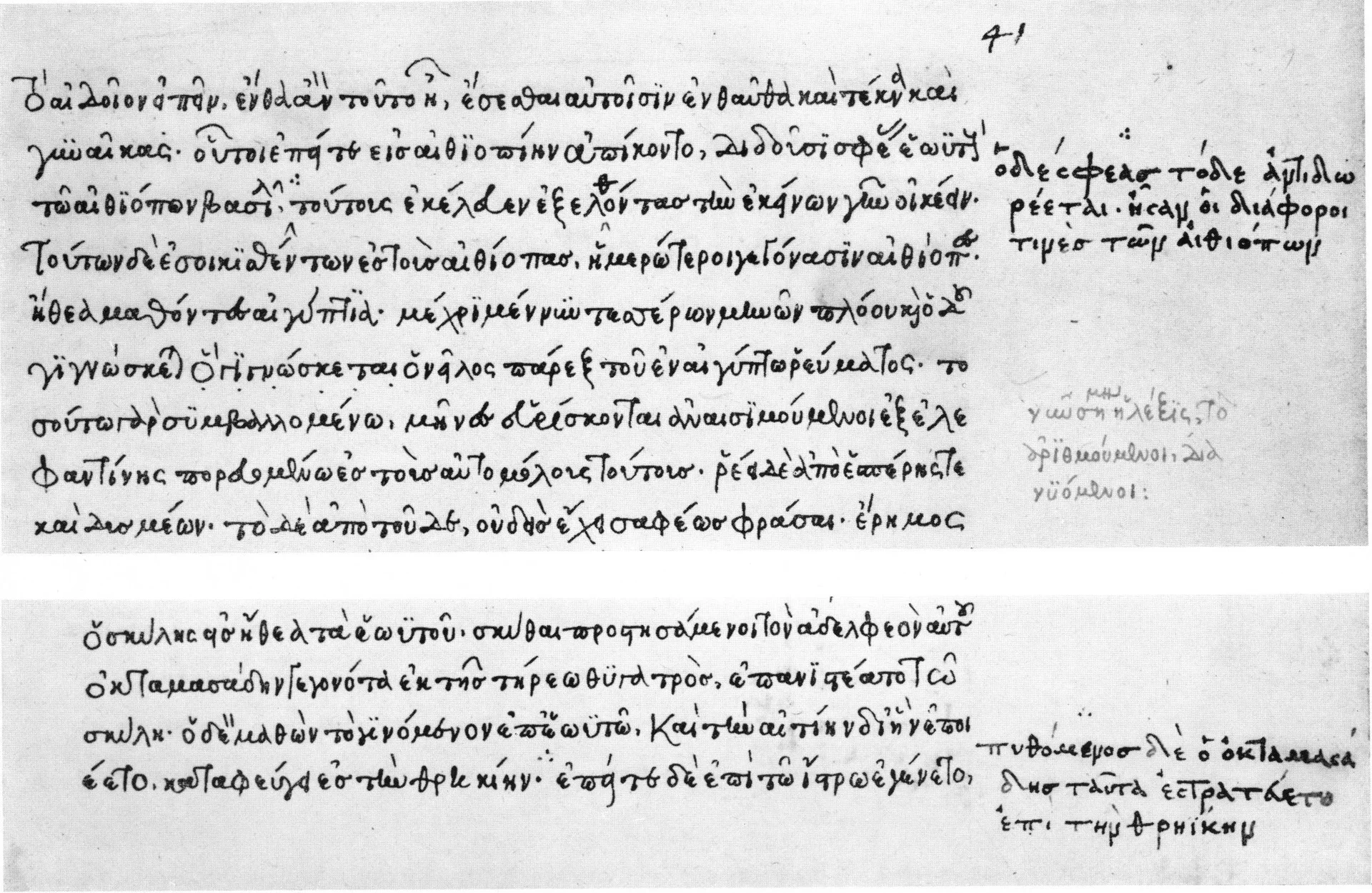
In 480 BC, Darius's son Xerxes I - Xerxes I was the son of Darius the Great and Atossa (daughter of Cyrus the Great). returned with a colossal force. His invasion was a logistical marvel, featuring pontoon bridges across the Hellespont - A narrow strait connecting the Aegean Sea to the Sea of Marmara, separating Europe from Asia. Historically known for Xerxes' pontoon bridge and Alexander the Great's crossing. and a canal cut through the Mount Athos - Mount Athos is a mountain and peninsula in northeastern Greece. In 492 BC, the Persian fleet was wrecked by a storm while rounding this cape. To prevent a repeat disaster during his 480 BC invasion, Xerxes I ordered a massive canal to be cut through the base of the peninsula, allowing his fleet to sail safely. Traces of this engineering marvel are still visible today. peninsula to avoid the storms that had wrecked a previous fleet.
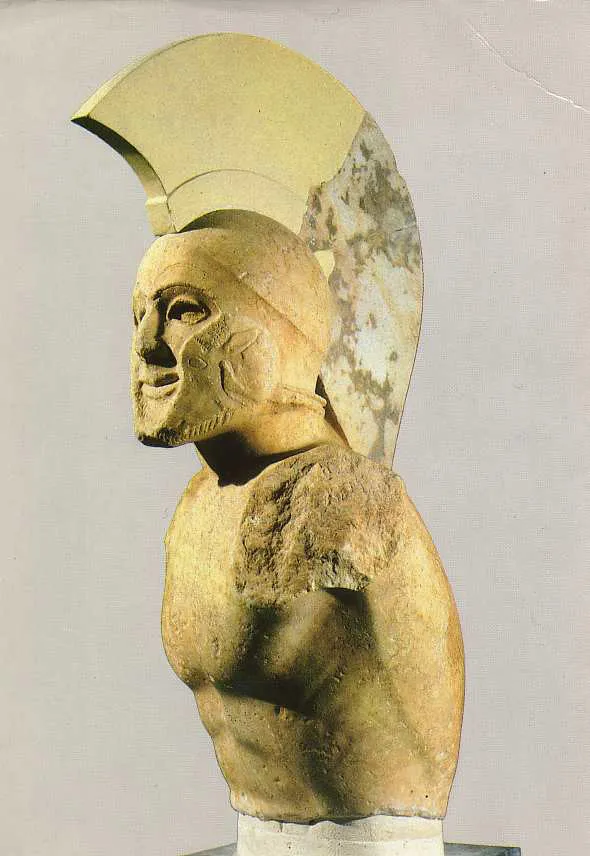
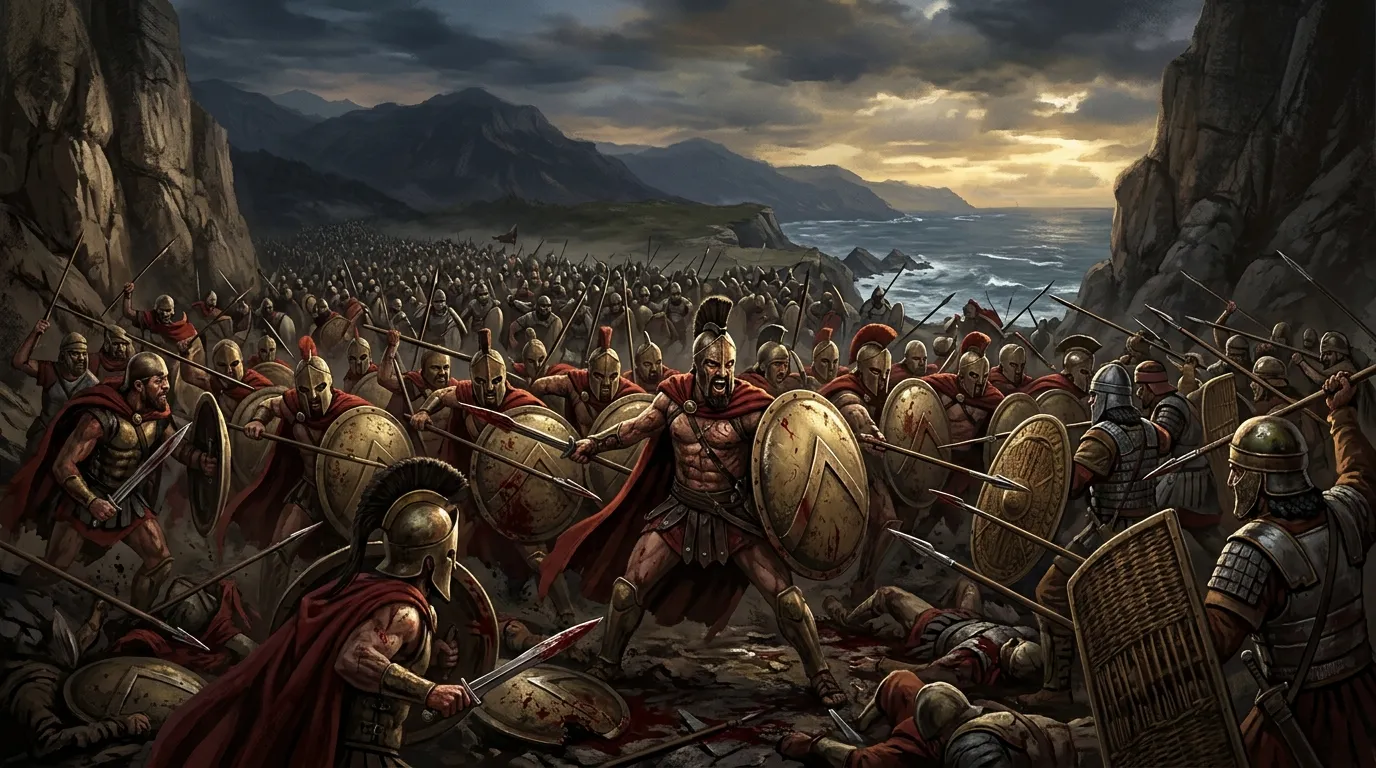
The Greeks attempted to hold the pass at Thermopylae . King Leonidas and 300 Spartans, along with other allies, held off the massive Persian army for days. They were only defeated after a local traitor, Ephialtes - A local Greek shepherd who betrayed the Greek forces at the Battle of Thermopylae. Motivated by greed, he revealed the Anopaea mountain path to Xerxes, allowing the Persian army to outflank King Leonidas and the Spartans. His name became synonymous with 'nightmare' and 'traitor' in Greek culture. He was later killed by Athenades of Trachis., revealed a mountain path to the Persians, allowing them to outflank the Greeks. The Spartans fought to the death to buy time for the rest of Greece.
Following Thermopylae , the road to Athens was open. The Persians sacked the city and burned the Acropolis. However, the Athenians had already evacuated to the island of Salamis , pinning their hopes on their navy.
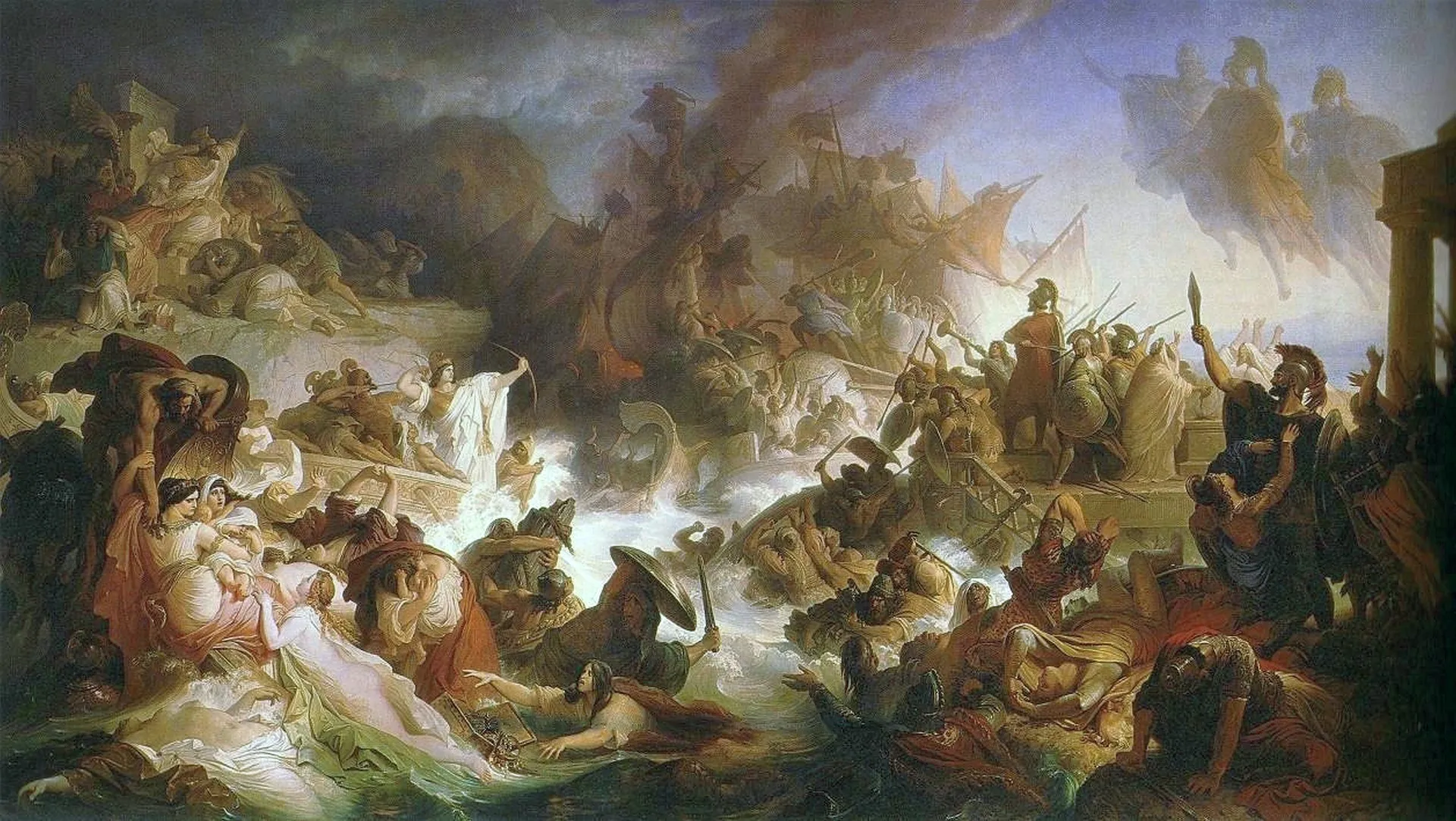
At Salamis , Themistocles used a ruse, sending a false message to Xerxes claiming the Greeks were in disarray and planning to flee. Xerxes took the bait and sent his fleet into the narrow straits, where their numbers became a hindrance. The Greek triremes rammed and destroyed the Persian fleet in a decisive naval victory.
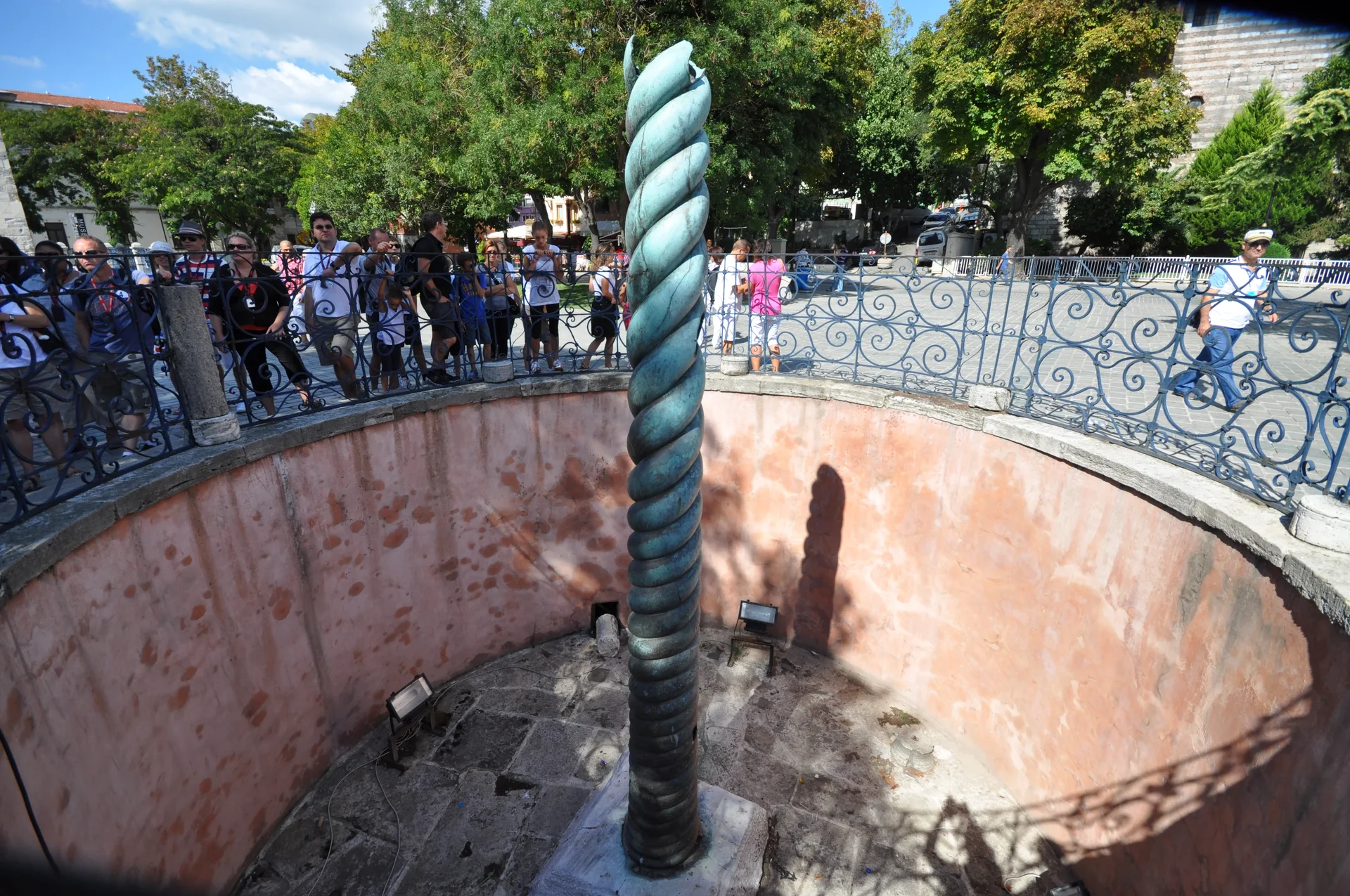
Xerxes returned to Persia, leaving Mardonius - Mardonius was a prominent Persian noble and general of the Achaemenid Empire, closely connected to the royal family through marriage. to finish the conquest. In 479 BC, at the Battle of Plataea , the largest Greek army ever assembled, led by the Spartan Pausanias - Pausanias was a Spartan regent from the royal Agiad line, acting on behalf of the young king Pleistarchus after the death of Leonidas I., crushed the Persian forces and killed Mardonius. On the same day, at the Battle of Mycale , the Greek fleet destroyed the remnants of the Persian navy in Ionia - An ancient region on the western coast of Anatolia (modern Turkey), home to the Ionian League of twelve Greek city-states (Dodecapolis). It was a thriving center of Greek culture, philosophy, and science, known for figures like Thales of Miletus. The Ionian Revolt against Persian rule (499 BC) was the catalyst for the Greco-Persian Wars., effectively ending the Persian threat.
.webp)