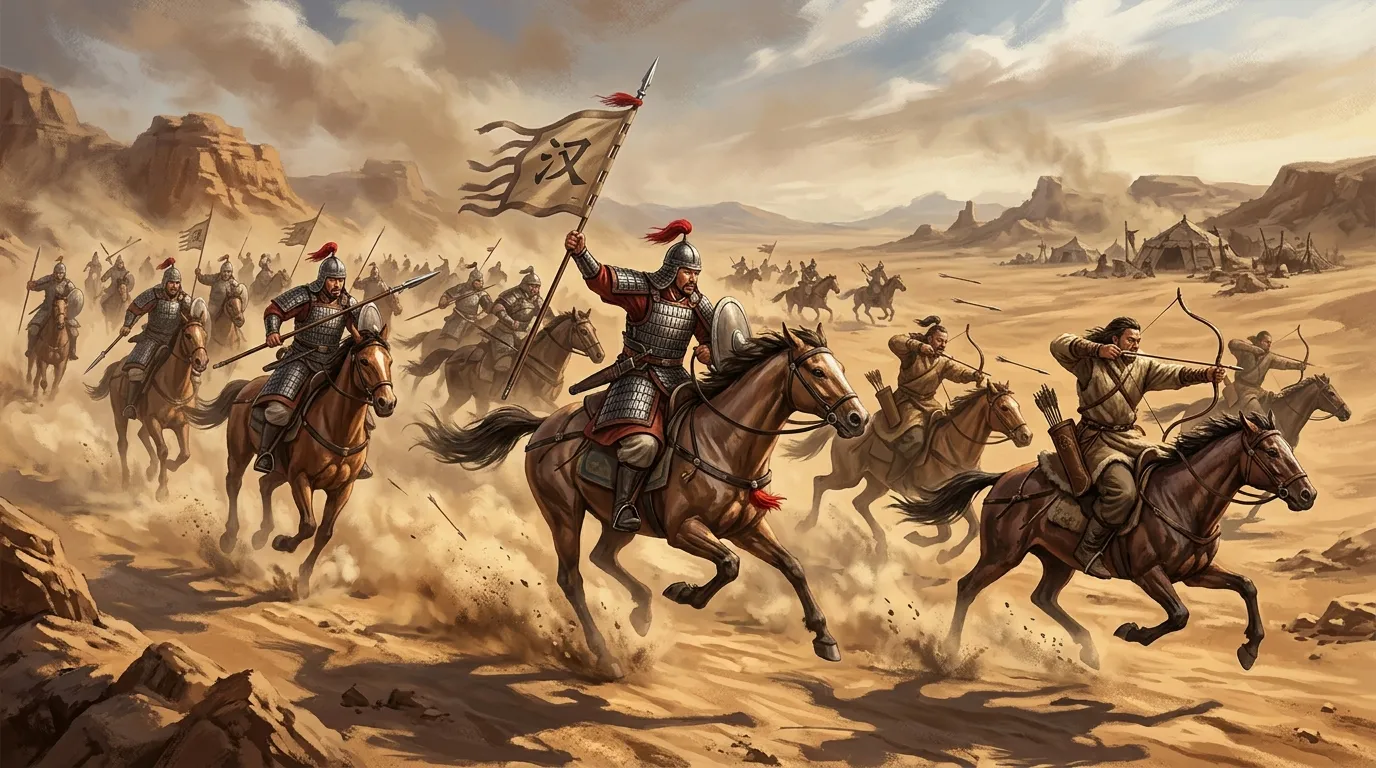
Han–Xiongnu War
A long-term conflict between the Han Dynasty of China and the Xiongnu Empire. It began with the Han's early defeat at Baideng and transitioned from a period of defensive appeasement to an aggressive expansion under Emperor Wu.
Context & Background
The Rise of the Xiongnu Empire
While China was fractured by the civil wars of the Chu-Han Contention, a brilliant and ruthless leader named Modu Chanyu (묵특 선우, the supreme leader of the Xiongnu) unified the fragmented nomadic tribes of the north. He transformed the Xiongnu into a centralized, highly mobile military empire that dominated the Eurasian Steppe, becoming a formidable threat to the newly established Han Dynasty.
Post-Civil War Weakness
After years of constant warfare against the state of Chu, the early Han Dynasty was economically exhausted. The empire was so poor that even the Emperor could not find four horses of the same color for his carriage, and the army lacked the cavalry needed to counter the Xiongnu's swift horse-archers. This forced early Han emperors to prioritize internal recovery over large-scale military defense, choosing to maintain peace through diplomatic gifts and marriage alliances while slowly rebuilding their strength.
The Narrative
Chronology
Battle of Baideng
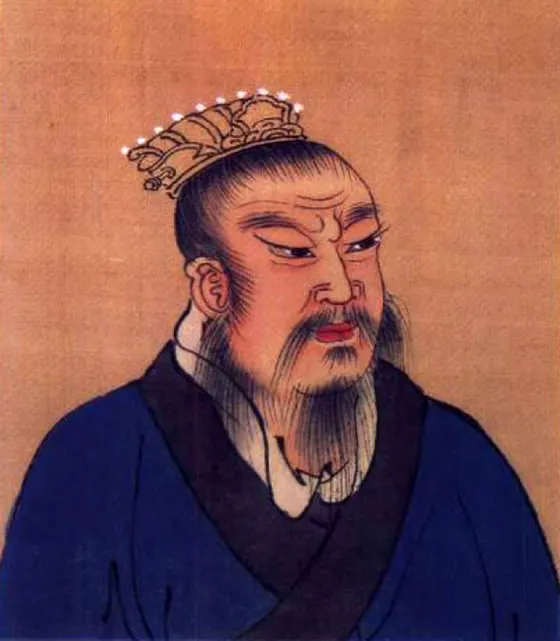
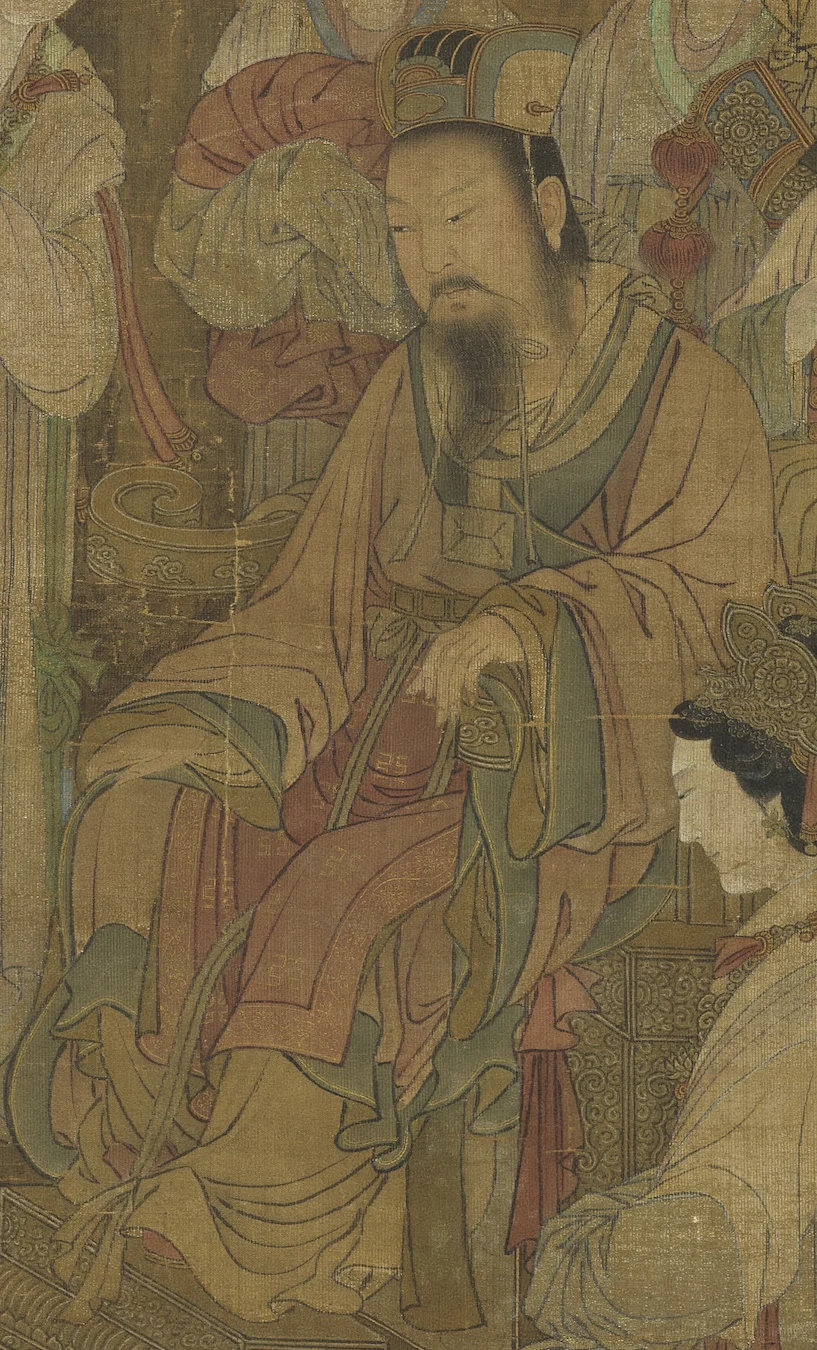
Shortly after unifying China, Emperor Gaozu personally led an army to stop the Xiongnu raids. However, the clever Modu Chanyu used a 'false retreat' to lure the overconfident Han army into a deep trap. The Emperor's main force found itself surrounded for seven days at Mount Baideng without any food or supplies in the freezing winter. Facing total disaster, the Emperor escaped only by bribing Modu's consort to persuade the Chanyu to open a path. This painful defeat forced the Han into a humiliating 'Marriage Alliance' (Heqin, 和親) policy, where they had to send princesses as brides and pay massive annual tributes of silk and grain to the Xiongnu for over 60 years.
Mayi Plot
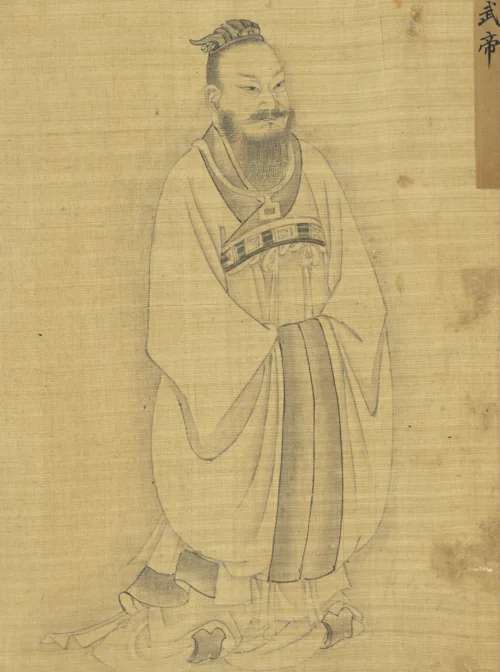
Having accumulated vast wealth and a strong cavalry over several decades, Emperor Wu decided to end the Xiongnu's dominance once and for all. He planned to lure the Chanyu's main force into a massive ambush at Mayi using 300,000 hidden Han soldiers. However, the plan failed when the Chanyu noticed that cattle were grazing in the fields but no people were around, leading him to capture a Han officer who revealed the plot. Although no major battle occurred, the discovery of this plot officially ended the era of appeasement and launched a century of intense, total warfare between the two empires.
Hexi Campaign
Emperor Wu aimed to cut off the Xiongnu's vital supply lines and their connection to the Western Regions (Central Asia). The brilliant young general Huo Qubing, only 19 at the time, led highly mobile cavalry to launch surprise lightning raids deep into enemy territory, often traveling hundreds of kilometers without heavy supplies. His daring tactics led to the total surrender of two major Xiongnu kings and their entire tribes. This decisive victory gave Han control over the vital Hexi Corridor, opening the path for the Silk Road and forever cutting off the Xiongnu from their Western allies.
Battle of Mobei
To finish the threat once and for all, Emperor Wu launched his most ambitious expedition yet. Generals Wei Qing and Huo Qubing led 100,000 elite cavalry and hundreds of thousands of support troops across the vast Gobi Desert to find the Xiongnu heartland. Wei Qing's forces encountered the Chanyu's main army during a sudden, blinding sandstorm. Using the chaos of the storm, the Han cavalry launched a fierce assault and shattered the Xiongnu forces. The survivors were pushed so far north that 'no more Xiongnu courts' remained south of the desert. While this was a massive strategic victory, the cost was immense, nearly draining the imperial treasury and exhausting the people.
Battle of Zhizhi
Decades later, the Xiongnu empire fractured into northern and southern factions. Zhizhi Chanyu of the Northern Xiongnu fled deep into Central Asia (modern-day Kazakhstan) and built a powerful fortress with the help of local allies. Determined to eliminate the threat, the Han general Chen Tang led a multi-ethnic army on a grueling trek across Central Asia. In a fierce siege, the Han forces breached the city using specialized crossbow squads and killed Zhizhi Chanyu. This battle is famous for 'following the enemy to the edge of the world' and solidified Han's absolute dominance over the Silk Road and the Western Regions.
Zhaojun Departs the Frontier
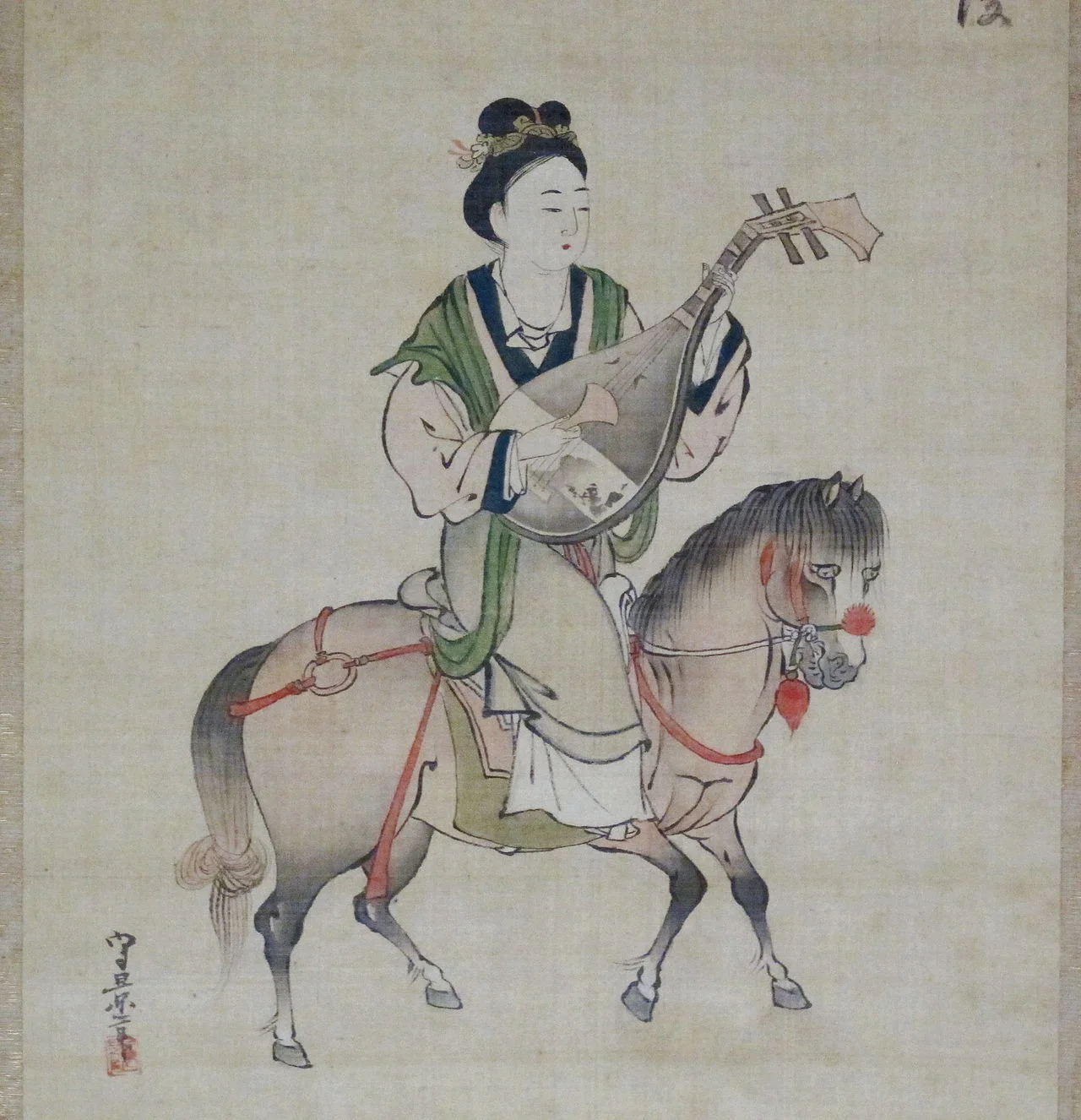
After a century of war, the Xiongnu Chanyu Huhanye sought peace with the Han and requested a royal bride to cement the alliance. The brave lady-in-waiting Wang Zhaojun volunteered to go, journeying beyond the Great Wall to marry the Chanyu. This diplomatic marriage brought an unprecedented era of stability and cultural exchange between the Han and the Xiongnu that lasted for over 60 years. Zhaojun's sacrifice became a legend, celebrated as the 'Peace-keeping Beauty' who did more for her country than a hundred thousand soldiers could.
Art & Heritage
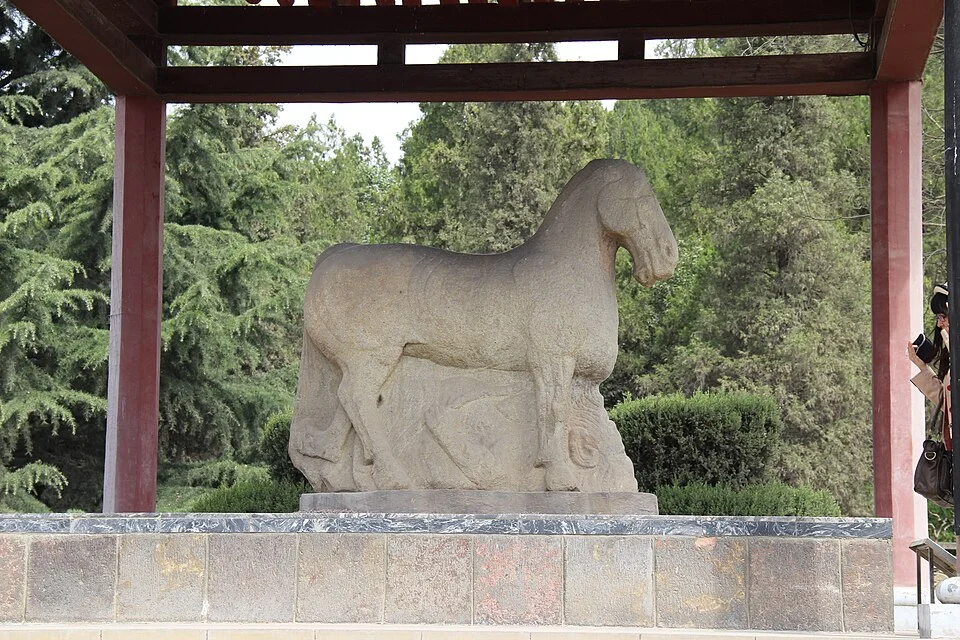
Horse Trampling the Xiongnu
🏛️ Maoling Museum, Shaanxi
A monumental stone sculpture erected at the tomb of General Huo Qubing by order of Emperor Wu of Han. Depicting a war horse trampling a defeated Xiongnu soldier, it symbolizes the Han dynasty's military victories over the Xiongnu.
Zhang Qian's Mission to the West
🏛️ Cave 323, Mogao Caves, Dunhuang, China
A wall painting of the emperor sending an envoy west to look for allies against the Xiongnu. Zhang Qian was captured and held for over ten years, escaped, and came back after thirteen years with no alliance but with the first reliable reports of Central Asia. The trade route we call the Silk Road grew out of that failed mission.
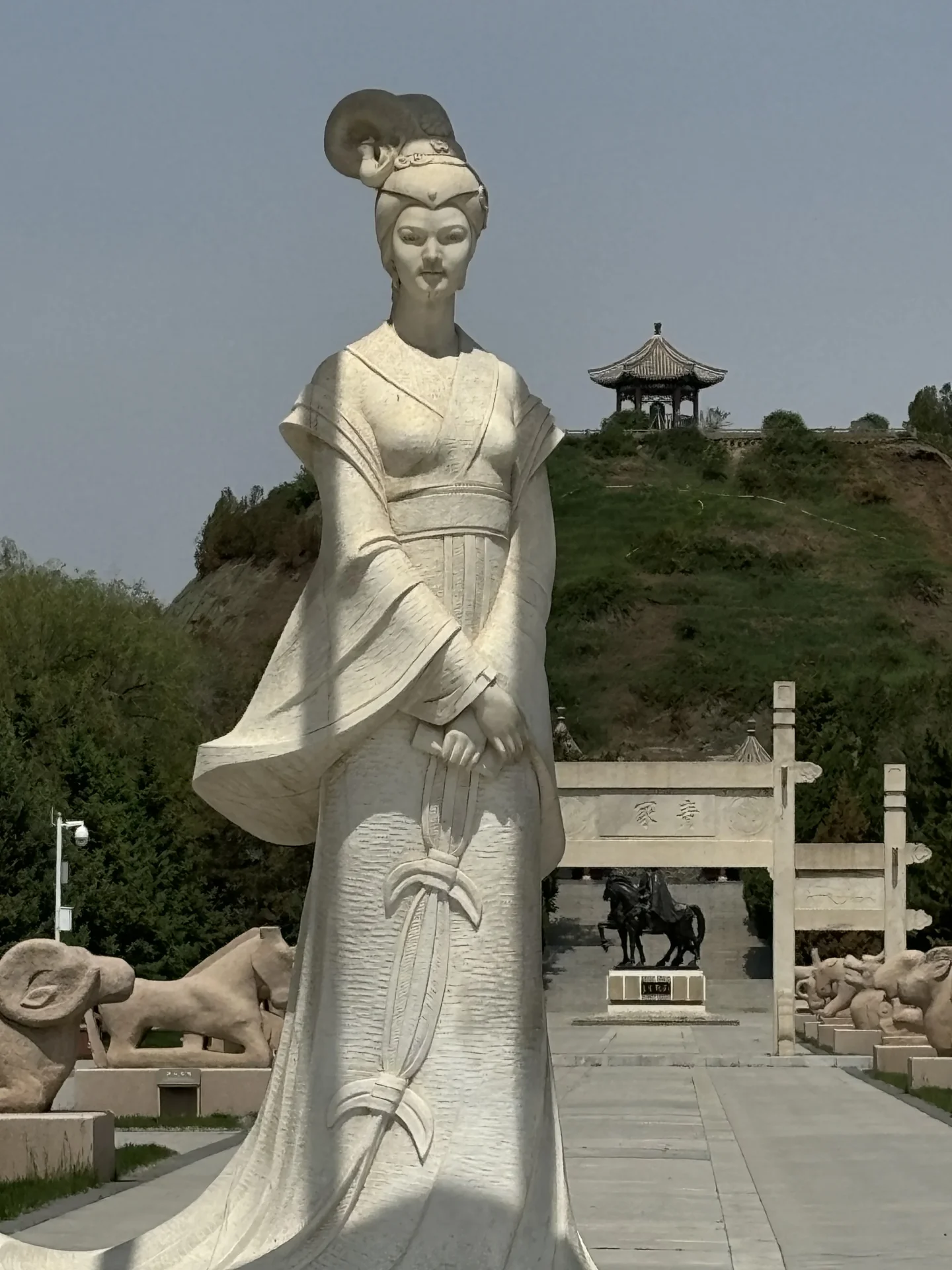
The Tomb of Wang Zhaojun
🏛️ Hohhot, Inner Mongolia, China
A large green mound said to hold a Han palace lady who was sent north to marry a Xiongnu ruler as part of a peace agreement. Poets, plays and paintings have retold her story for two thousand years, sometimes as a tragedy of exile and sometimes as the woman who brought peace between two peoples.
Related Videos
Battle of Mobei 119 BC - Han–Xiongnu War DOCUMENTARY
Key Figures
History Quiz
What was the main reason Emperor Gaozu of Han suffered a devastating defeat at the Battle of Baideng?