Historical Map
Font Size
Language
Theme

Loading Map...

Map height
Scroll Sensitivity1.0
206 BC – 202 BC

Chu-Han Contention

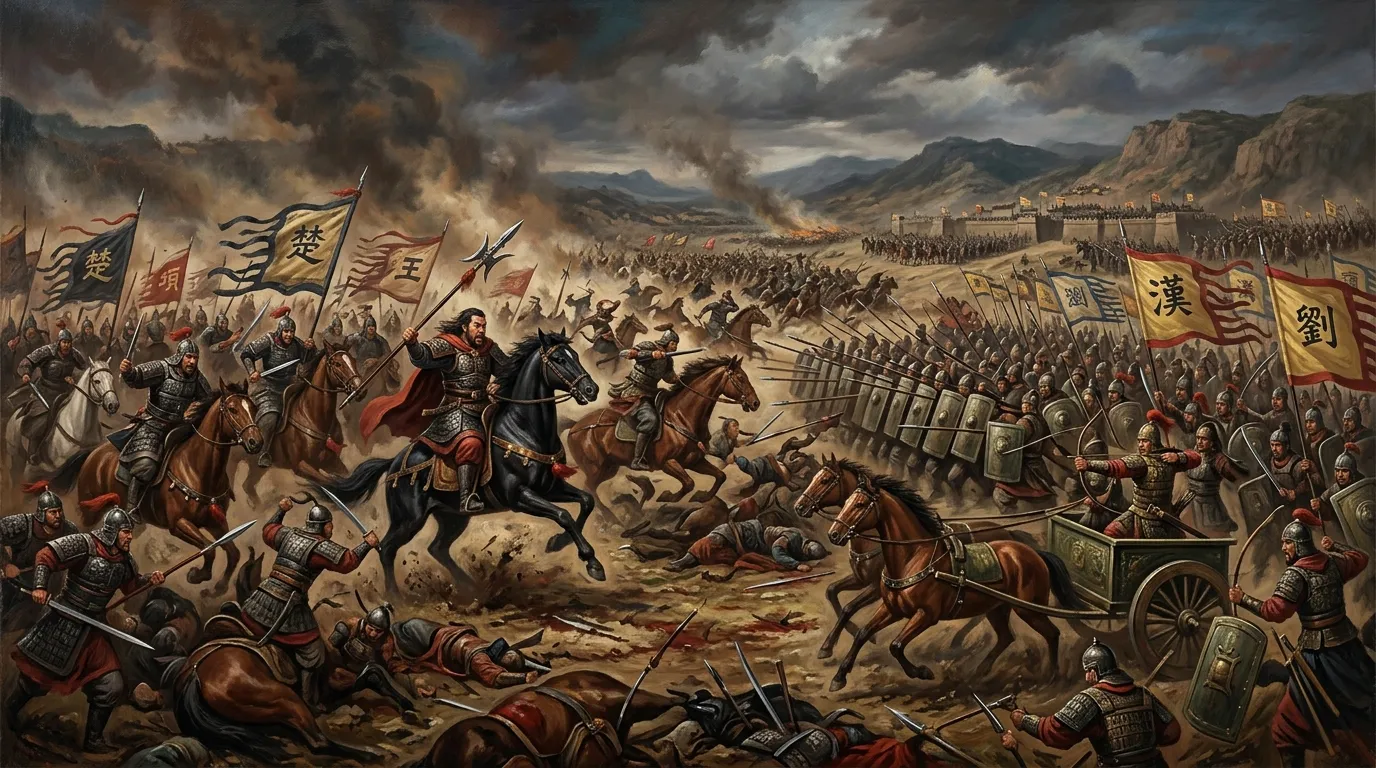
The epic conflict between the 'Hegemon-King' Xiang Yu - A legendary warlord who overthrew the Qin dynasty but lost the empire to Liu Bang in the Chu-Han Contention. of Chu - A powerful state in the Yangtze valley during the Zhou dynasty, famous for its distinctive culture. During the Chu-Han Contention, it became the rallying identity for rebels against Qin. and Liu Bang - The peasant-born founder of the Han Dynasty who defeated the mighty Xiang Yu through political astuteness and exceptional leadership. of Han - The Han Dynasty was the second great empire of China, founded by Liu Bang (Emperor Gaozu) after defeating Xiang Yu. It lasted for over 400 years and is considered a golden age in Chinese history. During this time, paper was invented, the Silk Road was opened for trade, and Confucianism became the official state philosophy. It was so influential that even today, the majority ethnic group in China calls themselves the 'Han' people. for supremacy over China following the collapse of the Qin dynasty - The Qin Dynasty was the first unified empire in Chinese history, founded by Qin Shi Huang after conquering all rival states. Although it lasted only 15 years, it brought massive changes to China. The emperor standardized writing, money, and weights and measures, and began building the Great Wall of China to defend against northern nomads. His legendary tomb is guarded by the famous Terracotta Army.. It ended with Liu Bang's victory and the founding of the Han dynasty.

LocationChina
BelligerentsHan - The Han Dynasty was the second great empire of China, founded by Liu Bang (Emperor Gaozu) after defeating Xiang Yu. It lasted for over 400 years and is considered a golden age in Chinese history. During this time, paper was invented, the Silk Road was opened for trade, and Confucianism became the official state philosophy. It was so influential that even today, the majority ethnic group in China calls themselves the 'Han' people., Western Chu - An empire declared by Xiang Yu after he divided the fallen Qin Dynasty into Eighteen Kingdoms., Qin Dynasty - The Qin Dynasty was the first unified empire in Chinese history, founded by Qin Shi Huang after conquering all rival states. Although it lasted only 15 years, it brought massive changes to China. The emperor standardized writing, money, and weights and measures, and began building the Great Wall of China to defend against northern nomads. His legendary tomb is guarded by the famous Terracotta Army.

Context & Background

c. 210 BC

Two Men, One Emperor

During the height of the Qin dynasty - The Qin Dynasty was the first unified empire in Chinese history, founded by Qin Shi Huang after conquering all rival states. Although it lasted only 15 years, it brought massive changes to China. The emperor standardized writing, money, and weights and measures, and began building the Great Wall of China to defend against northern nomads. His legendary tomb is guarded by the famous Terracotta Army., both Xiang Yu - A legendary warlord who overthrew the Qin dynasty but lost the empire to Liu Bang in the Chu-Han Contention. and Liu Bang - The peasant-born founder of the Han Dynasty who defeated the mighty Xiang Yu through political astuteness and exceptional leadership. witnessed the grand processions of the First Emperor, Qin Shi Huang. Xiang Yu, a towering noble of the conquered Chu - A powerful state in the Yangtze valley during the Zhou dynasty, famous for its distinctive culture. During the Chu-Han Contention, it became the rallying identity for rebels against Qin. state, famously declared, 'I could replace him!' Liu Bang, a minor official escorting prisoners, sighed and said, 'Ah, that is how a great man should live.' These words perfectly captured their contrasting personalities.

209 BC

Uprising against Qin

Following the death of the First Emperor Qin Shi Huang, widespread rebellions erupted against the harsh rule of the Qin dynasty. Chen Sheng and Wu Guang started the first major uprising, inspiring many others to take up arms.

The Narrative

'King Huai of Chu - A powerful state in the Yangtze valley during the Zhou dynasty, famous for its distinctive culture. During the Chu-Han Contention, it became the rallying identity for rebels against Qin.' was a descendant of the fallen Chu royal family, but he lived a quiet life as a poor shepherd. That is, until Xiang Yu - A legendary warlord who overthrew the Qin dynasty but lost the empire to Liu Bang in the Chu-Han Contention.'s uncle, a rebel leader, found him and made him a puppet king just to win the hearts and support of the people. However, when Xiang Yu's uncle died in battle, everything chan - The Han Dynasty was the second great empire of China, founded by Liu Bang (Emperor Gaozu) after defeating Xiang Yu. It lasted for over 400 years and is considered a golden age in Chinese history. During this time, paper was invented, the Silk Road was opened for trade, and Confucianism became the official state philosophy. It was so influential that even today, the majority ethnic group in China calls themselves the 'Han' people.ged. As panic spread among the rebel forces, King Huai seized the opportunity to take over the scattered armies and become the actual Supreme Commander. When the King held a war council to plan the invasion of Qin - The Qin Dynasty was the first unified empire in Chinese history, founded by Qin Shi Huang after conquering all rival states. Although it lasted only 15 years, it brought massive changes to China. The emperor standardized writing, money, and weights and measures, and began building the Great Wall of China to defend against northern nomads. His legendary tomb is guarded by the famous Terracotta Army., his biggest concern was Xiang Yu, who was unbelievably strong but notoriously cruel and uncontrollable. To keep Xiang Yu in check, the King deliberately appointed him as a subordinate in the northern army, sending him on a difficult route to fight the brutal main Qin army. Meanwhile, the King entrusted the easygoing and merciful Liu Bang - The peasant-born founder of the Han Dynasty who defeated the mighty Xiang Yu through political astuteness and exceptional leadership. with the safest and most direct route toward the Qin capital, hoping Liu Bang would win over the people and secure a peaceful surrender. The King then announced an incredible promise to the world: 'Whoever enters the Qin heartland (Guanzhong) first shall become its king!'

During this campaign, Xiang Yu proved his absolute military genius at the Battle of Julu in the north, where he shattered the main Qin army. He earned the terrifying respect of all other rebel generals, who crawled on their knees to meet him, cementing his position as the supreme military commander. Meanwhile, Liu Bang, though lacking martial skills, gathered a brilliant team of advisors through his easygoing charm and successfully advanced west. Liu Bang arrived in Guanzhong first and won the people over with kindness. But Xiang Yu, furious after completing his northern campaign, soon arrived with a much larger army and forced Liu Bang out with brute strength. This broken promise sparked the deadly, ultimate showdown between the two heroes.

In 206 BC, the Qin dynasty collapsed. Xiang Yu, with his overwhelming military power, divided the empire into Eighteen Kingdoms and declared himself the 'Hegemon-King of Western Chu - An empire declared by Xiang Yu after he divided the fallen Qin Dynasty into Eighteen Kingdoms.'. He gave Liu Bang the remote and harsh region of Hanzhong, making him the King of Han. Liu Bang, secretly building his strength and employing the military genius Han Xin - A genius military commander who won the empire for Liu Bang but was later executed when he became too powerful., eventually broke out of Hanzhong to challenge Xiang Yu's supremacy.

The war was characterized by Xiang Yu's tactical brilliance and Liu Bang's strategic resilience. Xiang Yu won many direct battles, such as the Battle of Pengcheng (205 BC), where he decisively crushed a massive coalition army led by Liu Bang. However, Liu Bang's superior political skills allowed him to survive, form alliances, and cut off Xiang Yu's supply lines.

While Liu Bang tied down Xiang Yu's main forces, his general Han Xin launched a highly successful northern campaign, conquering rival states and completely isolating Xiang Yu. In 202 BC, Liu Bang, Han Xin, and other allied forces surrounded Xiang Yu at the Battle of Gaixia. Hearing his enemies singing the songs of his homeland (a psychological tactic known as 'Chu songs on all sides - A famous idiom from the Battle of Gaixia. Han forces sang traditional Chu songs to trick Xiang Yu's surrounded army into believing their homeland had fallen, breaking their morale. It now means being surrounded by enemies with no way out.'), Xiang Yu's army broke down. Xiang Yu committed suicide, and Liu Bang became the sole ruler of China, establishing the Han dynasty.
Chronology

207 BC

Battle of Julu

📍Julu (Map)

When the main Qin - The Qin Dynasty was the first unified empire in Chinese history, founded by Qin Shi Huang after conquering all rival states. Although it lasted only 15 years, it brought massive changes to China. The emperor standardized writing, money, and weights and measures, and began building the Great Wall of China to defend against northern nomads. His legendary tomb is guarded by the famous Terracotta Army. army besieged the state of Zhao - A prominent state during the Warring States period of ancient China. After Qin's fall, it was temporarily revived by rebels, but soon became a major battleground during the Chu-Han Contention, notably at the Battle of Julu and the Battle of Jingxing. at Julu, Xiang Yu - A legendary warlord who overthrew the Qin dynasty but lost the empire to Liu Bang in the Chu-Han Contention. led the Chu - A powerful state in the Yangtze valley during the Zhou dynasty, famous for its distinctive culture. During the Chu-Han Contention, it became the rallying identity for rebels against Qin. relief force. To motivate his soldiers, Xiang Yu ordered them to sink their boats and smash their cooking pots (a tactic known as 'breaking the cauldrons and sinking the boats - A famous idiom originating from Xiang Yu at the Battle of Julu, meaning to cut off all means of retreat to force a desperate, victorious fight.'), showing there was no retreat. Fighting fiercely with their backs to the wall, his troops completely shattered the massive Qin army. This overwhelming victory established Xiang Yu as the undeniable and terrifying supreme commander of all rebel forces.

206 BC

Feast at Hong Gate

📍Hong Gate (Map)

Furious that Liu Bang - The peasant-born founder of the Han Dynasty who defeated the mighty Xiang Yu through political astuteness and exceptional leadership. had taken the Qin capital Guanzhong first, Xiang Yu prepared to annihilate him with a vastly superior force. Realizing he could not win, Liu Bang went to Xiang Yu's camp at Hong Gate to humbly apologize and surrender the city. During the tense banquet, Xiang Yu's advisor ordered a sword dance to assassinate Liu Bang. However, Liu Bang's bodyguard Fan Kuai boldly burst in to protect him, allowing Liu Bang to barely escape to safety. This pivotal moment narrowly prevented Liu Bang's early demise but cemented their deadly rivalry.

206 BC

Eighteen Kingdoms & Western Chu - An empire declared by Xiang Yu after he divided the fallen Qin Dynasty into Eighteen Kingdoms.

📍Pengcheng (Map)

After burning the Qin capital to the ground, Xiang Yu arbitrarily divided the fallen empire into Eighteen Kingdoms for the rebel leaders. He proclaimed himself the 'Hegemon-King of Western Chu - An empire declared by Xiang Yu after he divided the fallen Qin Dynasty into Eighteen Kingdoms.', asserting his status as the supreme overlord above all other kings. However, he unfairly rewarded only his loyalists and deliberately banished his greatest rival, Liu Bang, to the harsh and remote region of Han - The Han Dynasty was the second great empire of China, founded by Liu Bang (Emperor Gaozu) after defeating Xiang Yu. It lasted for over 400 years and is considered a golden age in Chinese history. During this time, paper was invented, the Silk Road was opened for trade, and Confucianism became the official state philosophy. It was so influential that even today, the majority ethnic group in China calls themselves the 'Han' people.zhong. This incredibly unfair distribution of power and territory immediately planted the seeds of widespread rebellion.

205 BC

Battle of Pengcheng

📍Pengcheng (Map)

While Xiang Yu was far away suppressing a rebellion in the Qi state, Liu Bang seized the opportunity and captured Xiang Yu's capital, Pengcheng, with a massive 560,000-strong coalition army. Hearing this, Xiang Yu led a lightning-fast counterattack with only 30,000 elite cavalry. Attacking at dawn from an unexpected western direction, Xiang Yu's highly mobile forces caught the celebrating Han army completely off guard. They drove the panicked coalition into the surrounding rivers, ruthlessly slaughtering hundreds of thousands and forcing Liu Bang into a desperate, humiliating retreat.

204 BC

Battle of Jingxing

📍Jingxing (Map)

As part of his grand northern campaign to isolate Xiang Yu, General Han Xin - A genius military commander who won the empire for Liu Bang but was later executed when he became too powerful. led 30,000 raw recruits against a fortified 200,000-strong Zhao army. In a brilliantly unorthodox tactical move, Han Xin deliberately arrayed his main force with their backs to a turbulent river. Deprived of any escape route, his outnumbered men fought desperately for their very lives, halting the Zhao advance. Meanwhile, Han Xin's hidden light cavalry sneaked into the undefended Zhao camp and replaced all their flags with red Han banners. Seeing this, the Zhao army panicked, believing they were surrounded, leading to a total collapse and a masterful Han victory.

202 BC

Battle of Gaixia

📍Gaixia (Map)

The grand finale of the war. Liu Bang's grand coalition, masterminded strategically by Han Xin, finally cornered Xiang Yu's exhausted and starving army at Gaixia. Han Xin employed the 'Ambush on Ten Sides', a multi-layered tactical encirclement that crushed Xiang Yu's offensive breakouts. At night, the true killing blow was psychological: the Han forces surrounded the camp and sang traditional Chu songs ('Chu songs on all sides - A famous idiom from the Battle of Gaixia. Han forces sang traditional Chu songs to trick Xiang Yu's surrounded army into believing their homeland had fallen, breaking their morale. It now means being surrounded by enemies with no way out.'). Believing their homeland had already fallen, the remaining Chu soldiers lost all will to fight and deserted. Xiang Yu broke through the lines with 800 cavalry but ultimately, facing total defeat, slit his own throat by the Wu River.

Art & Heritage

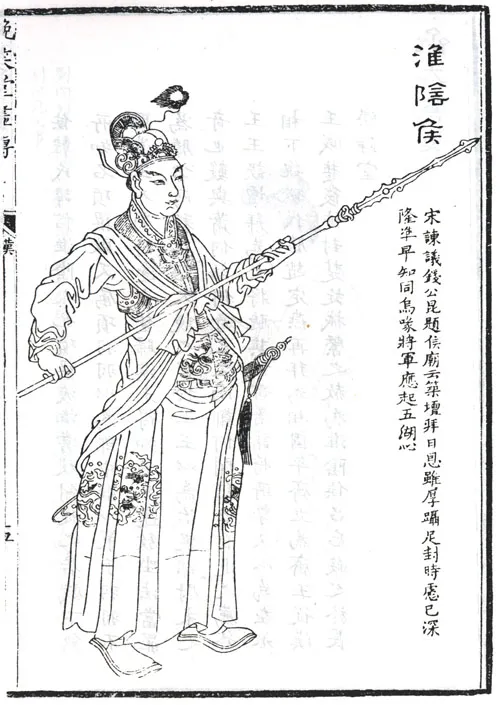
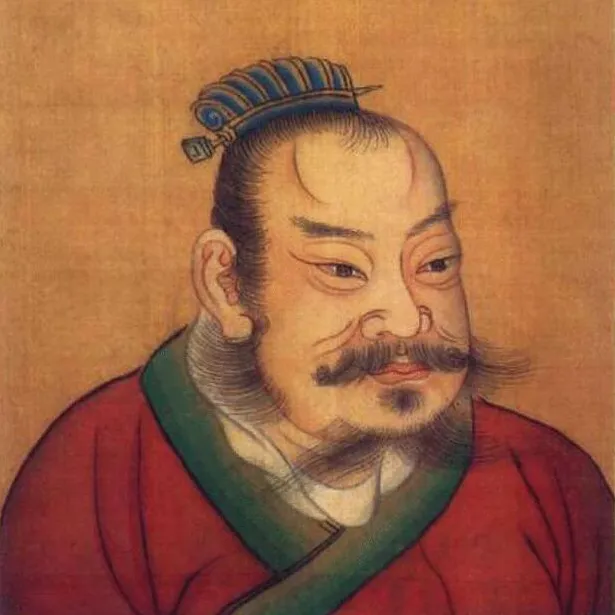
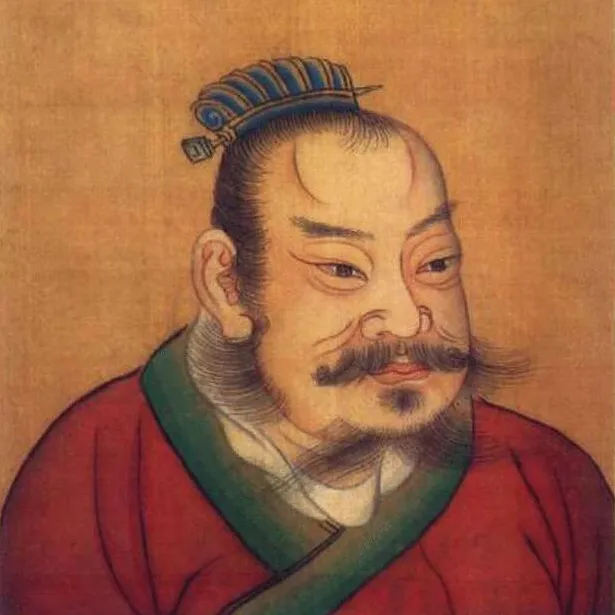
Xiang Yu

Xiang Yu

Unknown, The Qing Dynasty(1644-1912)

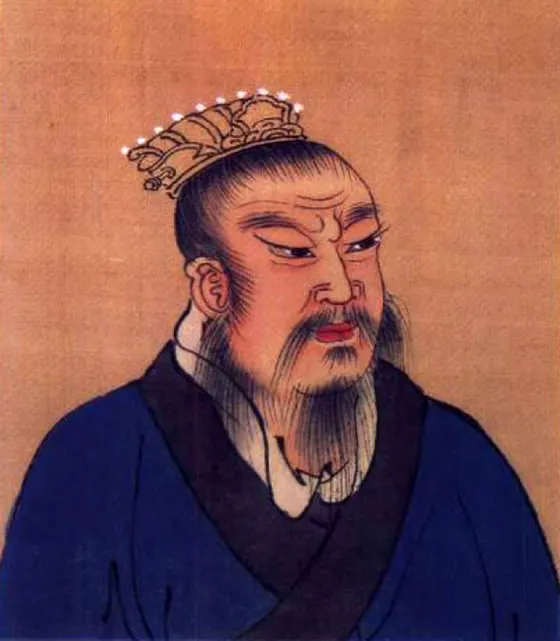
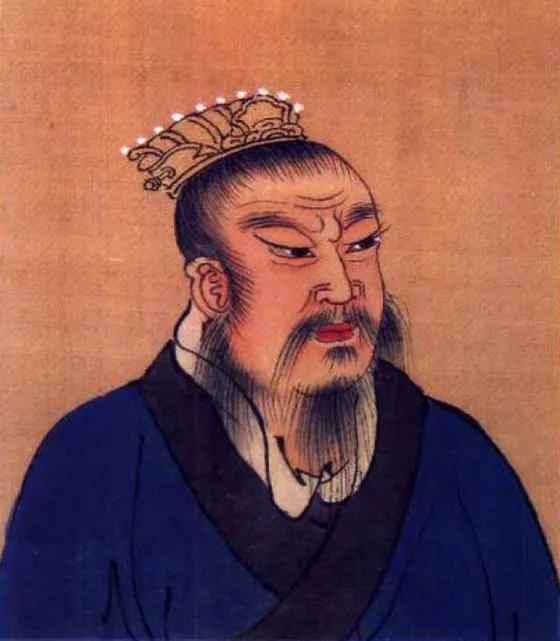
Liu Bang

Liu Bang

Unknown, The Qing Dynasty(1644-1912)

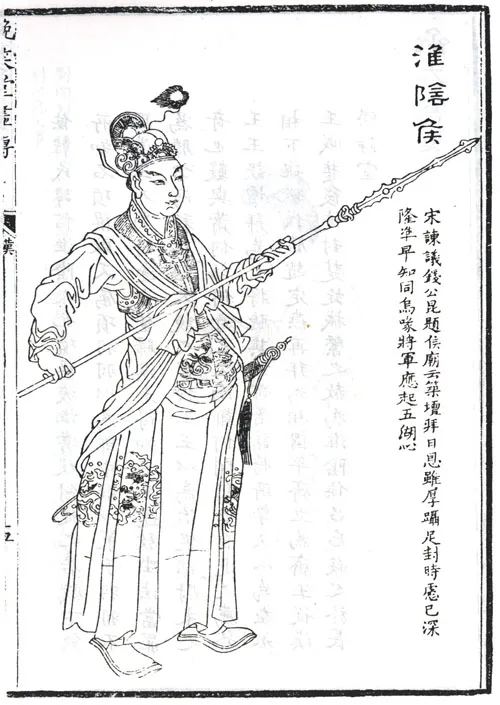
Han Xin

Han Xin

Shangguan Zhou, 1921

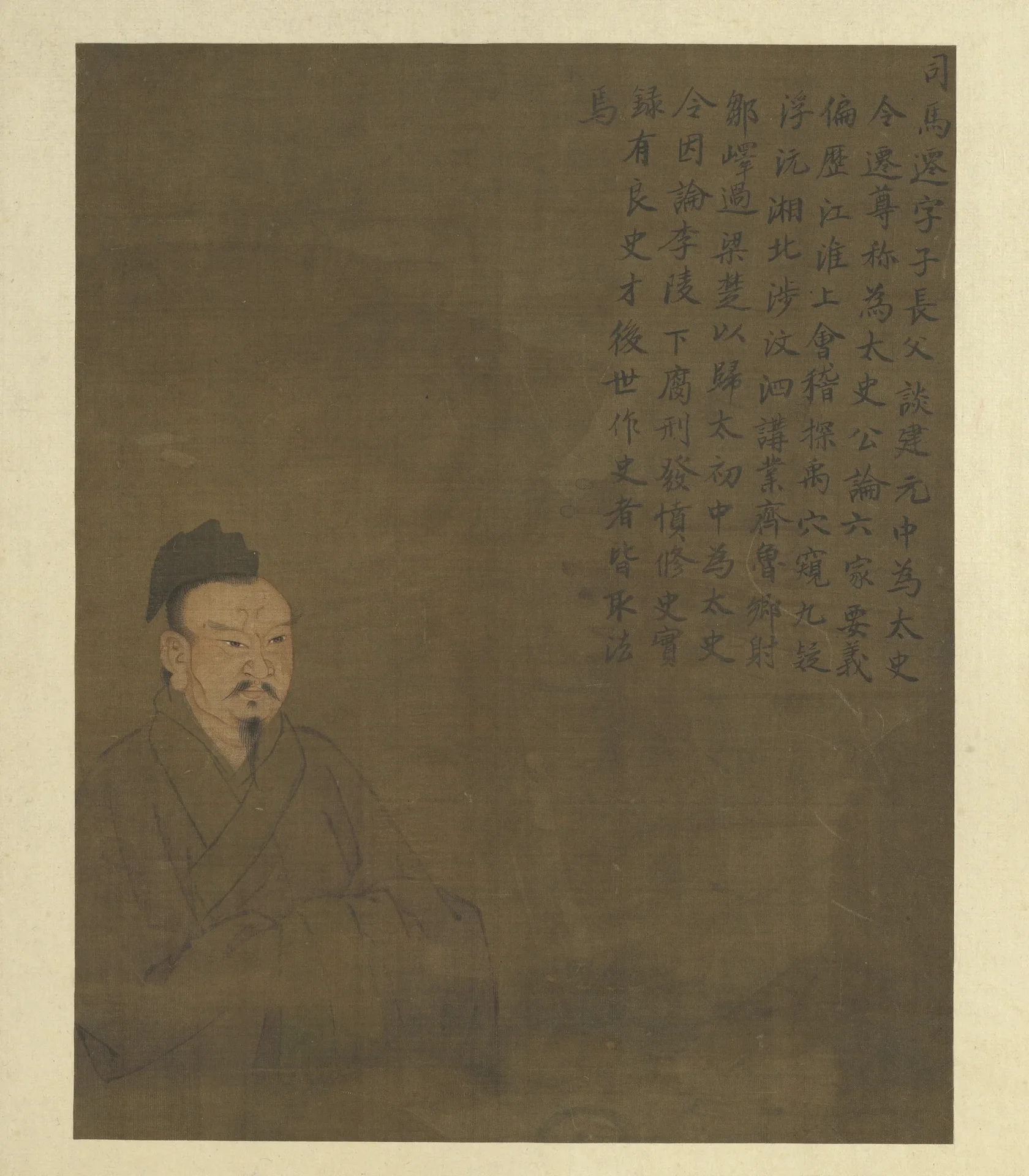
Records of the Grand Historian

Records of the Grand Historian

Sima Qian, c. 94 BC

🏛️ Early printed and manuscript copies in Chinese and Japanese collections

The historian was punished with mutilation for defending a disgraced general, and chose to live in shame so he could finish his father's book. He wrote separate chapters for the loser Xiang Yu as well as the winner Liu Bang, and almost every famous scene of this war - the banquet at Hongmen, the last song at Gaixia - comes from his pages.

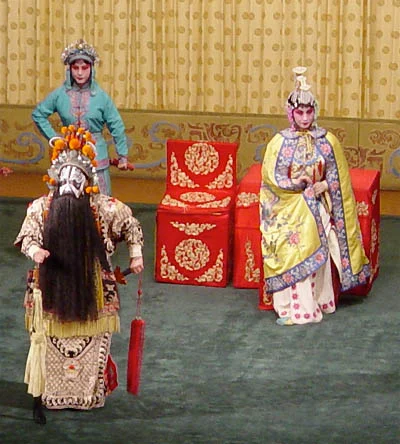
Farewell My Concubine

Farewell My Concubine

Peking opera troupes, famously Mei Lanfang, opera form from the early 20th century

🏛️ Performed in Beijing and worldwide

The most famous scene in Chinese opera shows the surrounded Xiang Yu hearing Chu songs from the enemy camp and realising his homeland has gone over to the other side. His companion Yu dances with a sword and takes her own life. From this comes the phrase 'Chu songs on all sides', still used for being hopelessly surrounded.

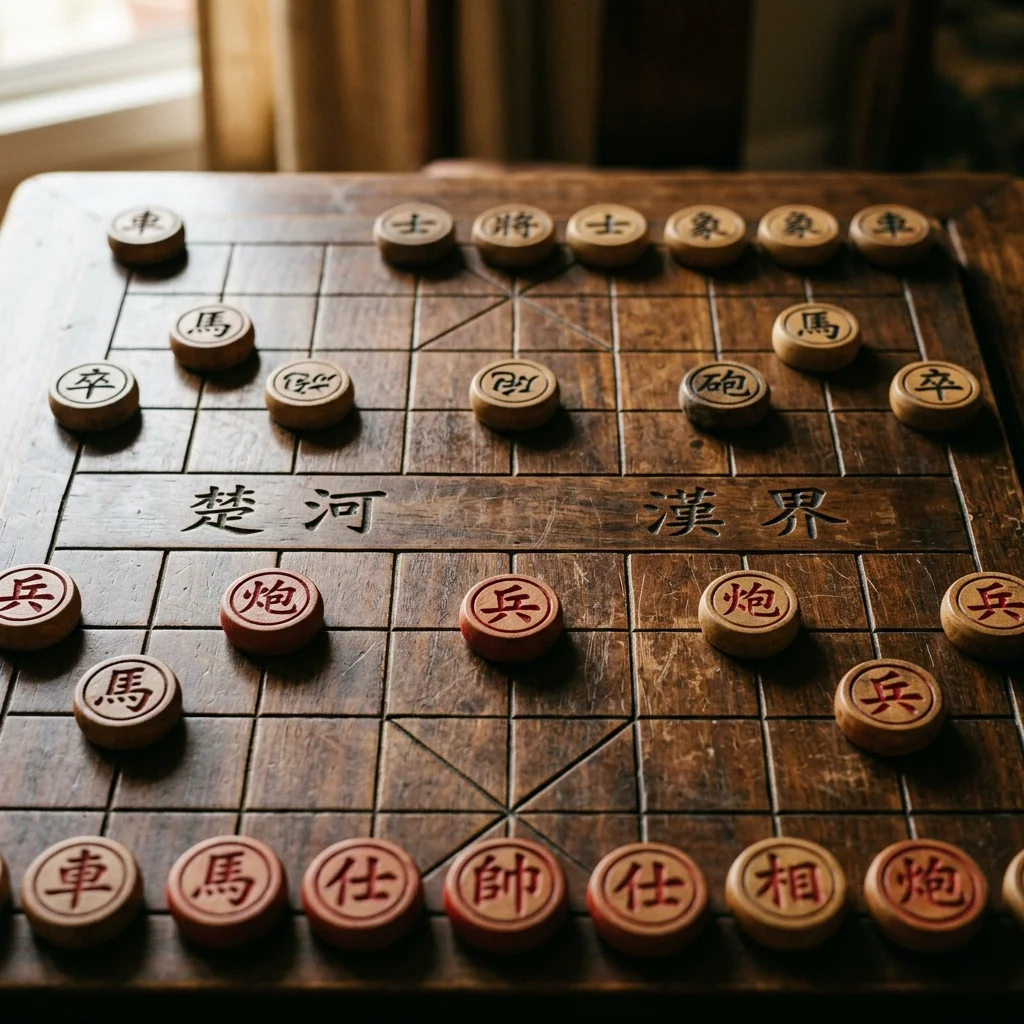
The Chu River and Han Border on a Chess Board

The Chu River and Han Border on a Chess Board

-, board layout standard since the Song dynasty

🏛️ Played across China and East Asia

Chinese chess boards have a blank strip across the middle marked 'Chu river, Han border'. It remembers the truce in which the two sides agreed to split the empire along a canal - a deal broken within months. A war that ended over two thousand years ago is replayed on kitchen tables every day.

History Quiz

1 / 5

What was the extreme tactic Xiang Yu used at the Battle of Julu to show there was no retreat?