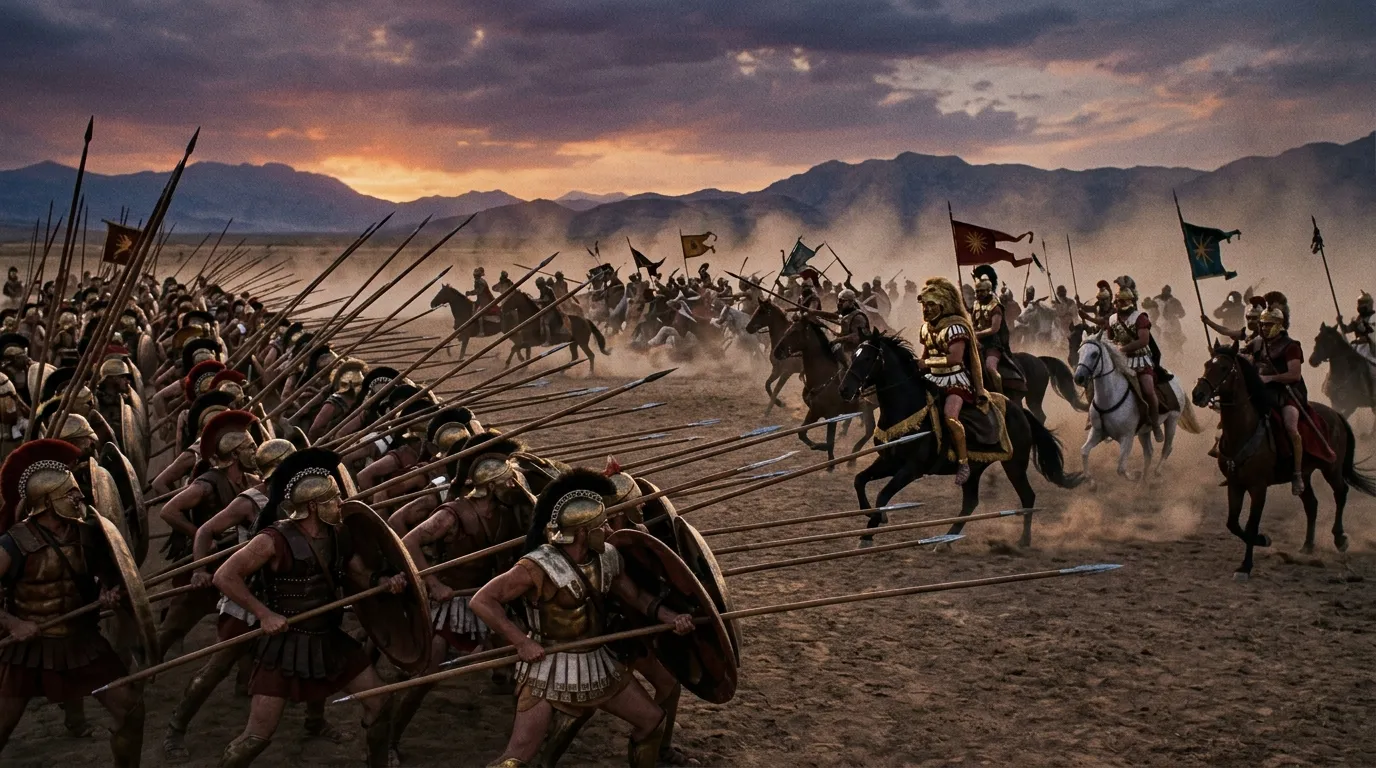
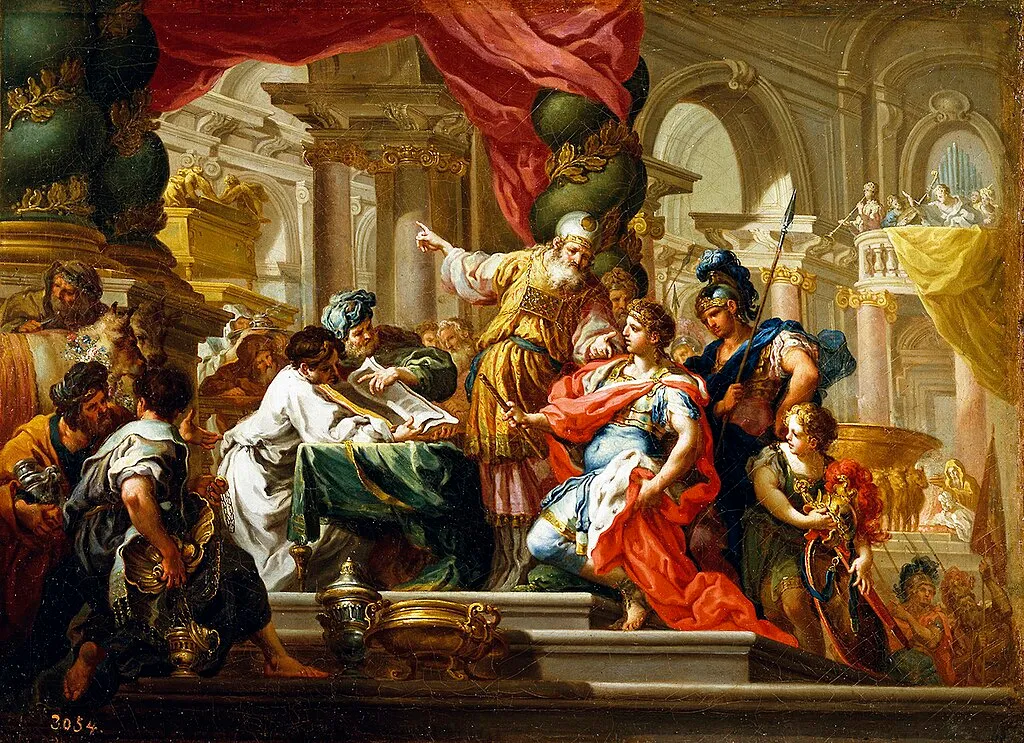
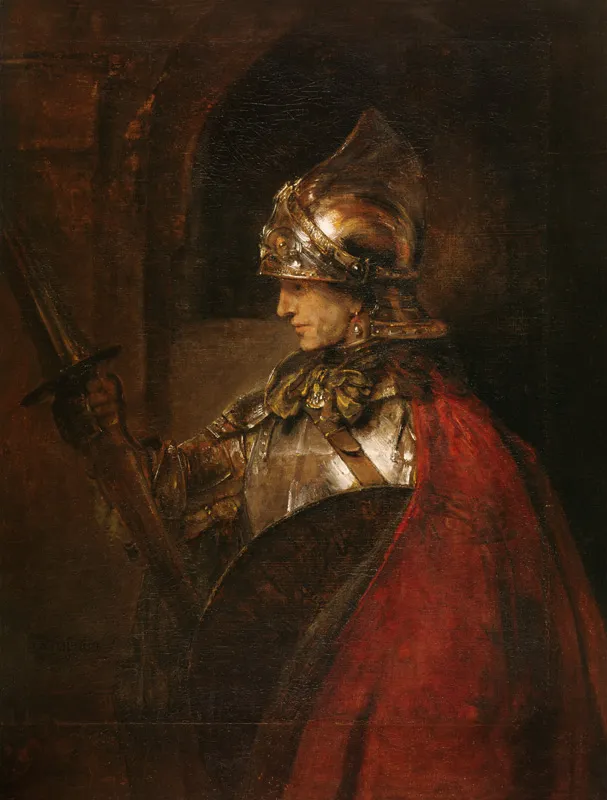
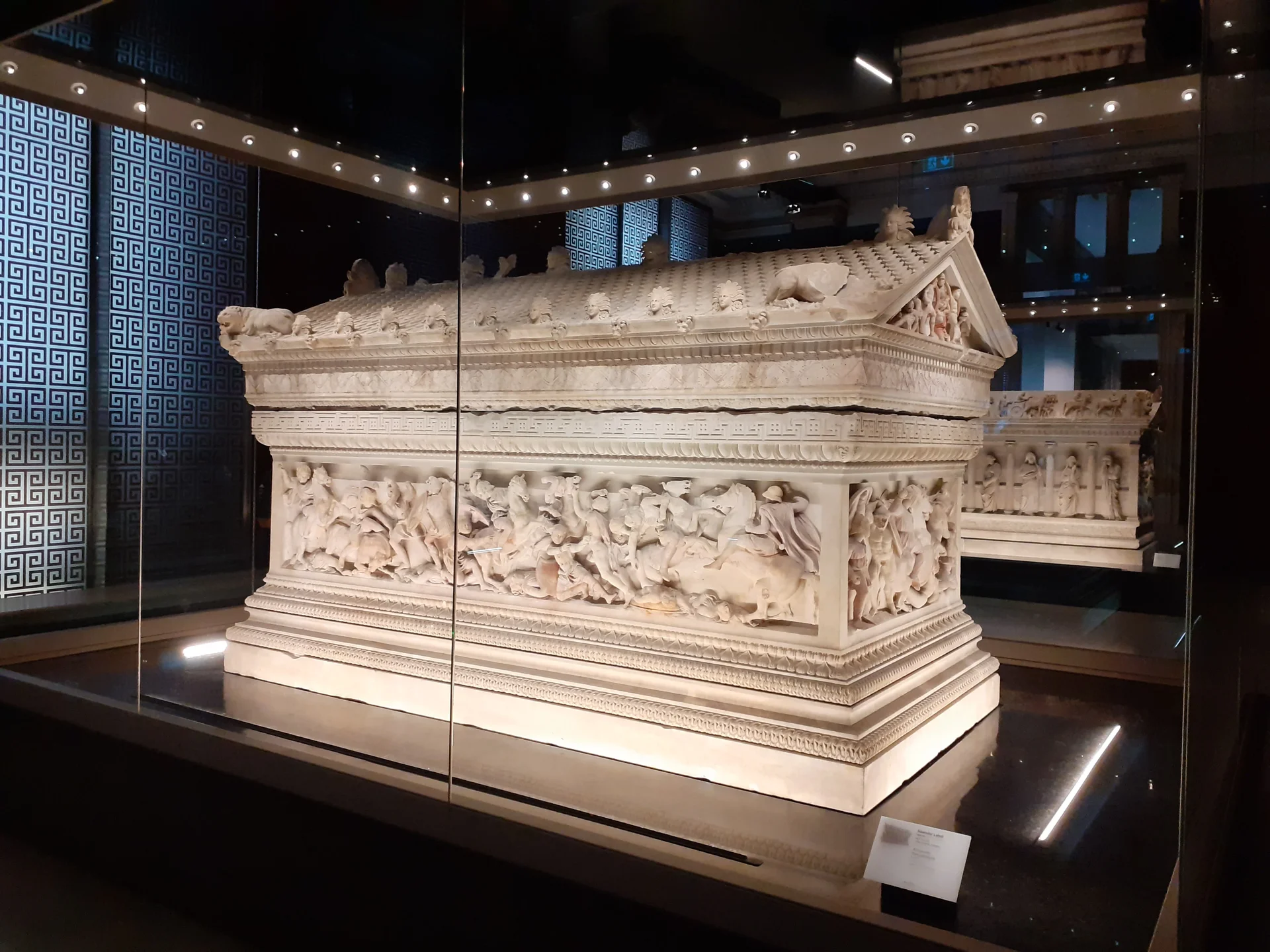
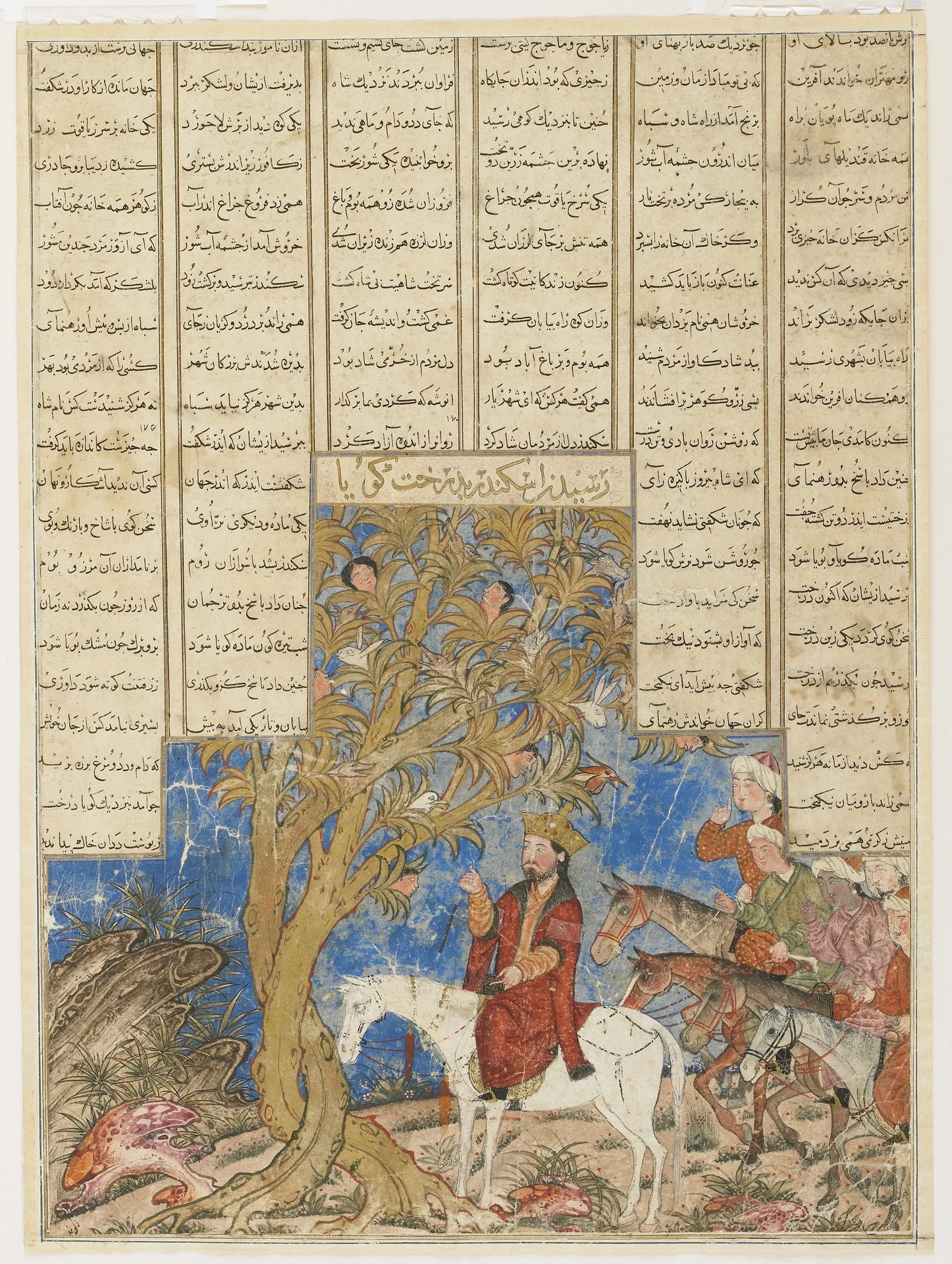
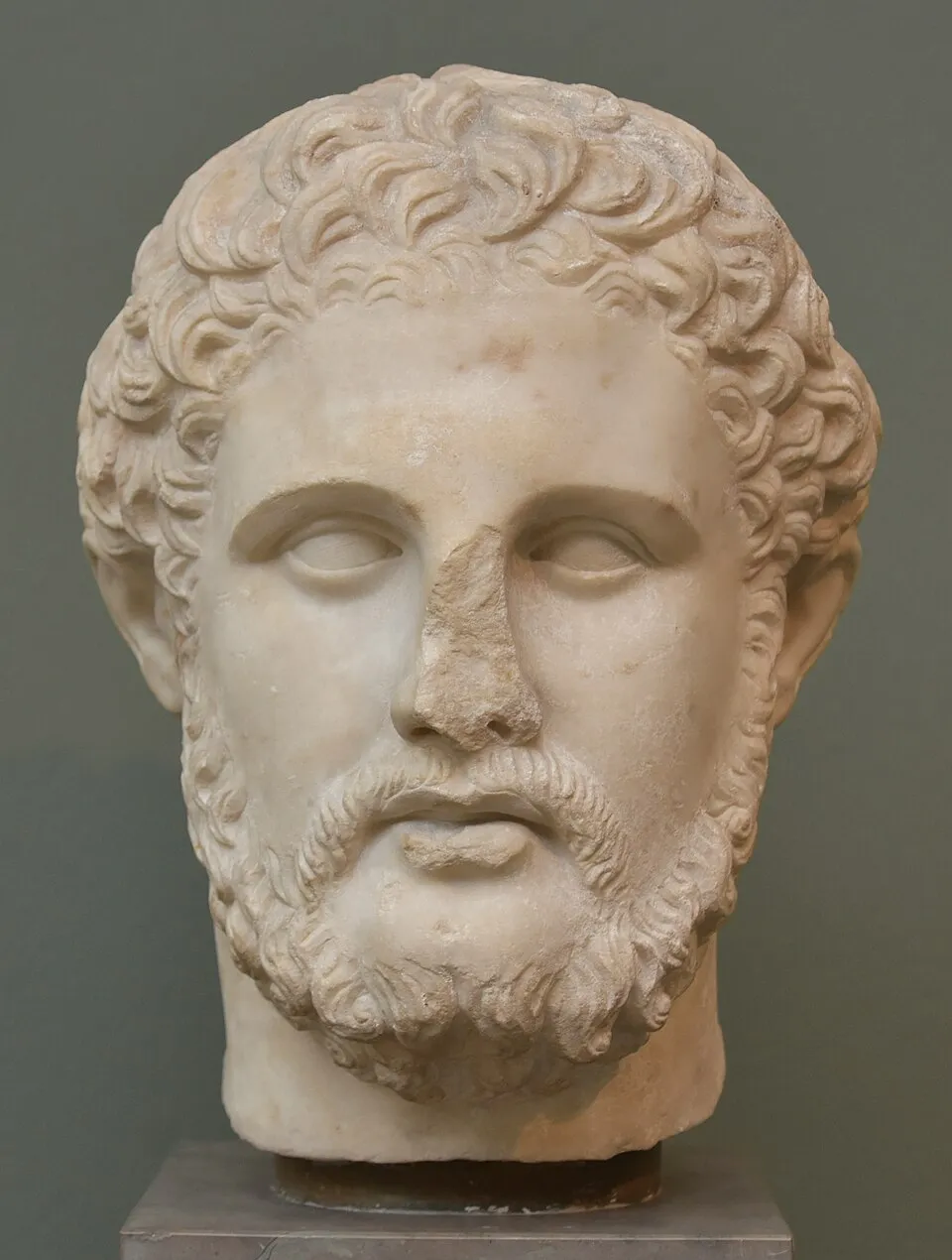
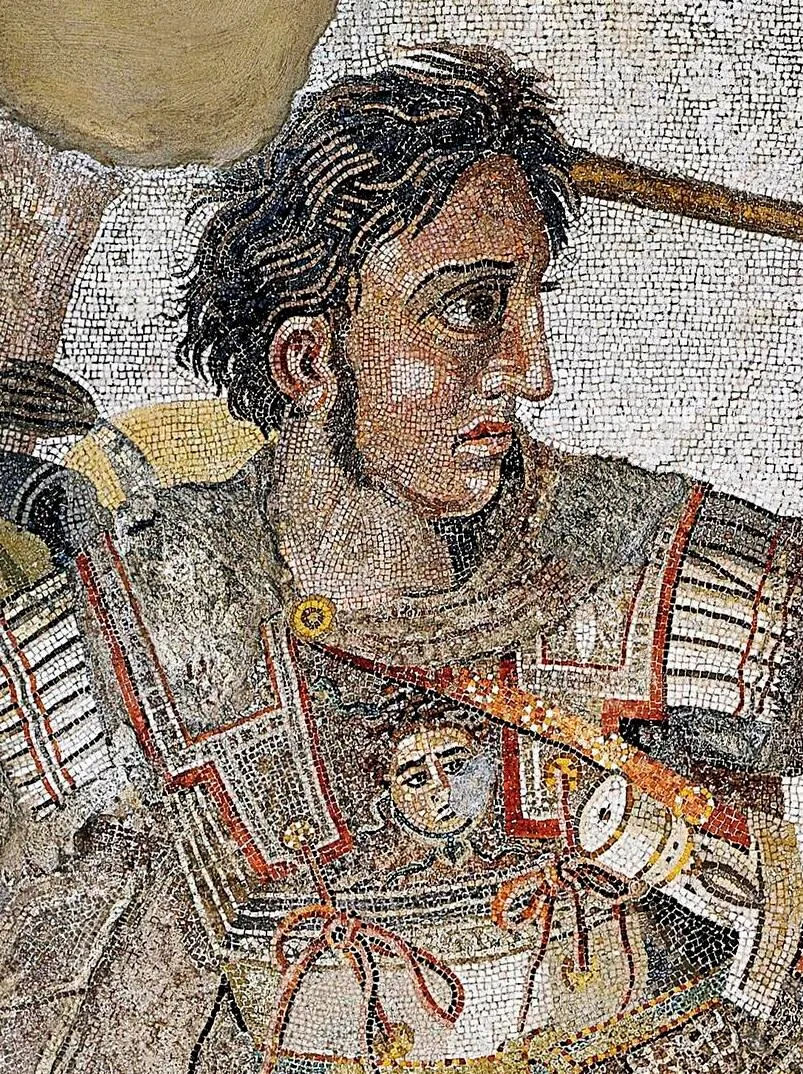
In 334 BC, Alexander - King of Macedon and military genius who conquered the Persian Empire establishing one of the largest empires in history. crossed the Hellespont - A narrow strait connecting the Aegean Sea to the Sea of Marmara, separating Europe from Asia. Historically known for Xerxes' pontoon bridge and Alexander the Great's crossing. into Asia. He won his first major victory at the Granicus River, liberating the Greek cities of Ionia. He then cut the Gordian Knot - An intricate knot tied by King Gordias in Phrygia. An oracle prophesied that whoever untied it would become the ruler of all Asia. Alexander the Great, finding no end to the knot, famously cut it with his sword—a bold act that came to symbolize solving a complex problem through decisive action. in Phrygia - An ancient kingdom in west central Anatolia. It was famous for its legendary kings Midas and Gordias. Alexander the Great passed through its capital, Gordium, where he cut the famous Gordian Knot., signaling his destiny to rule Asia.
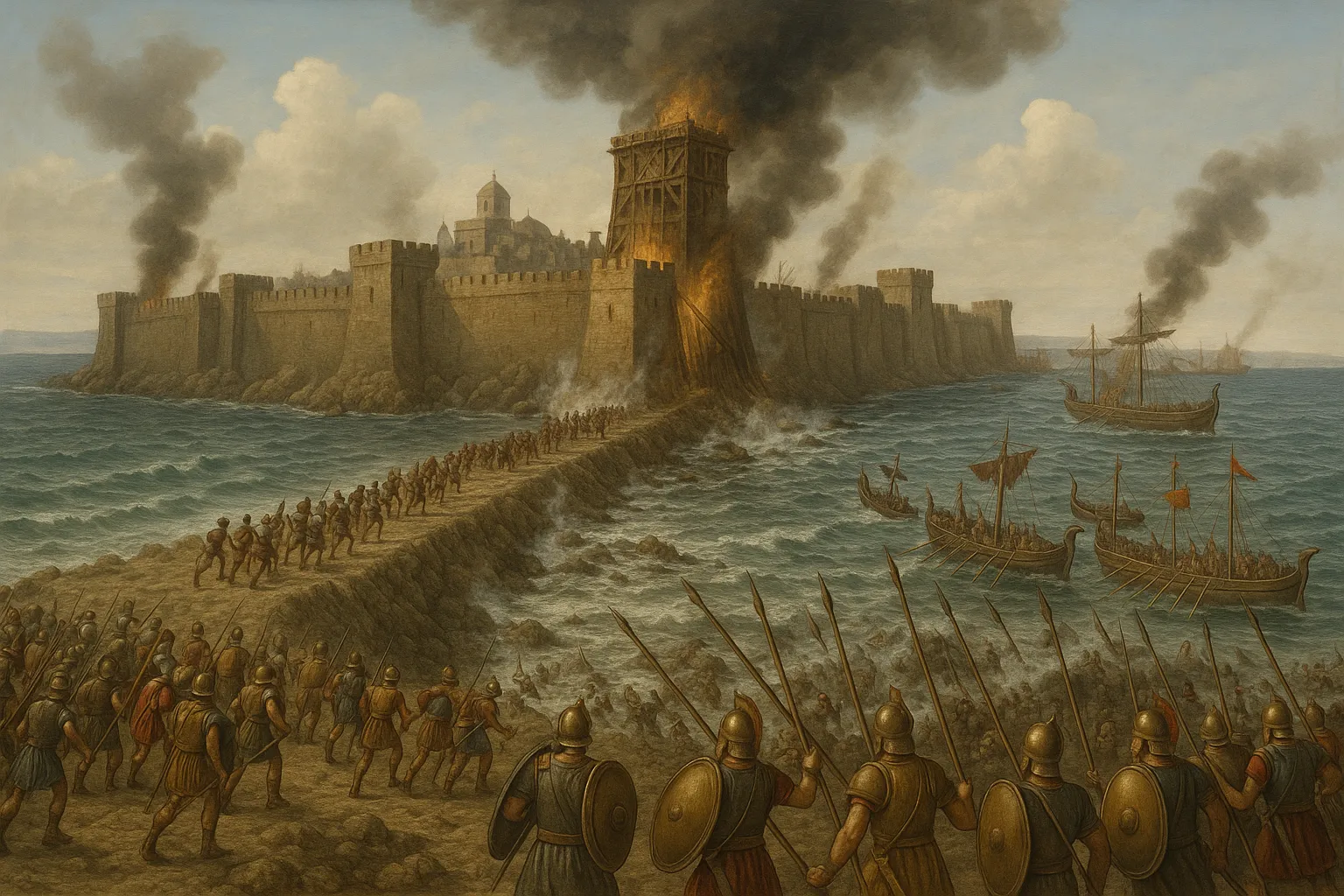
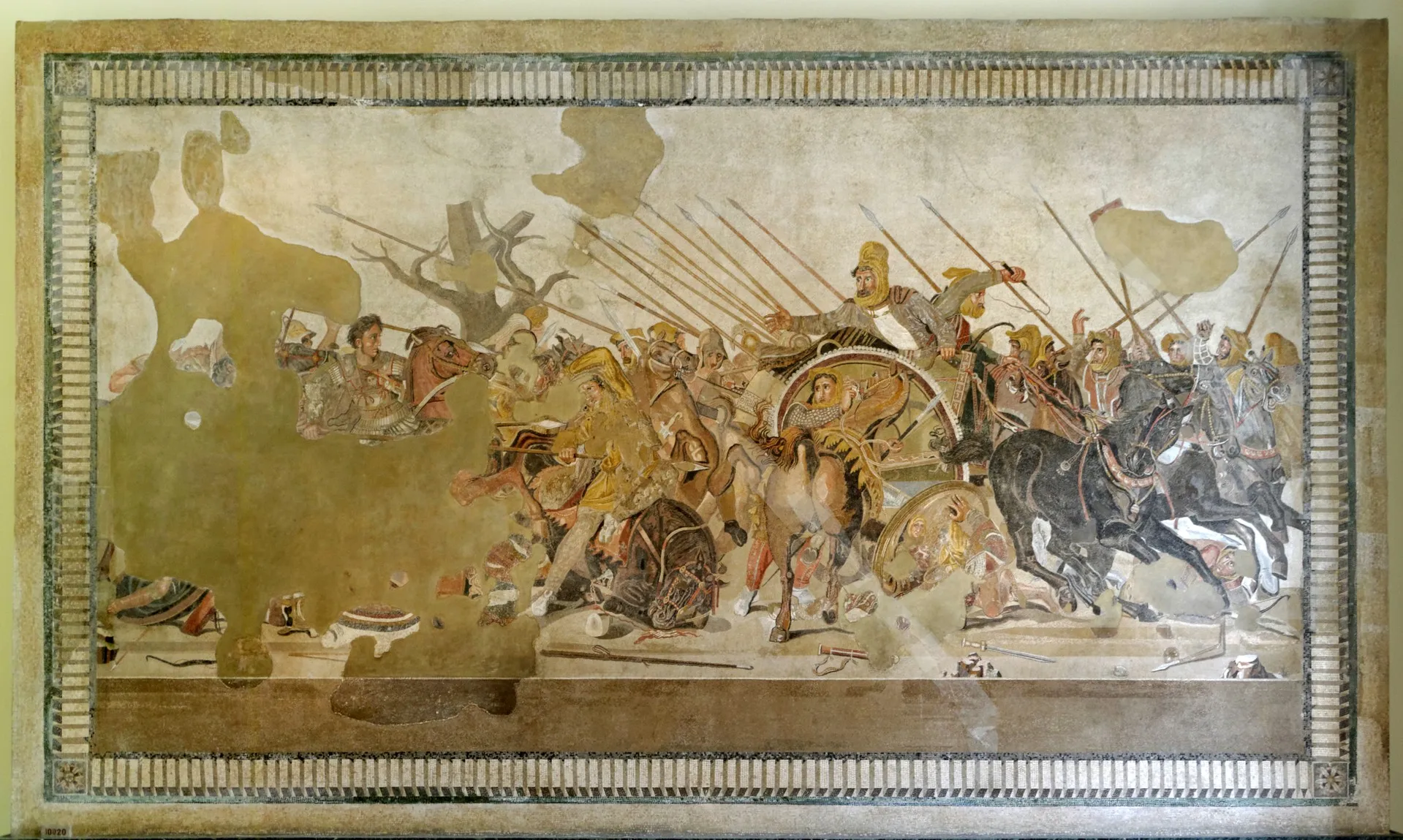
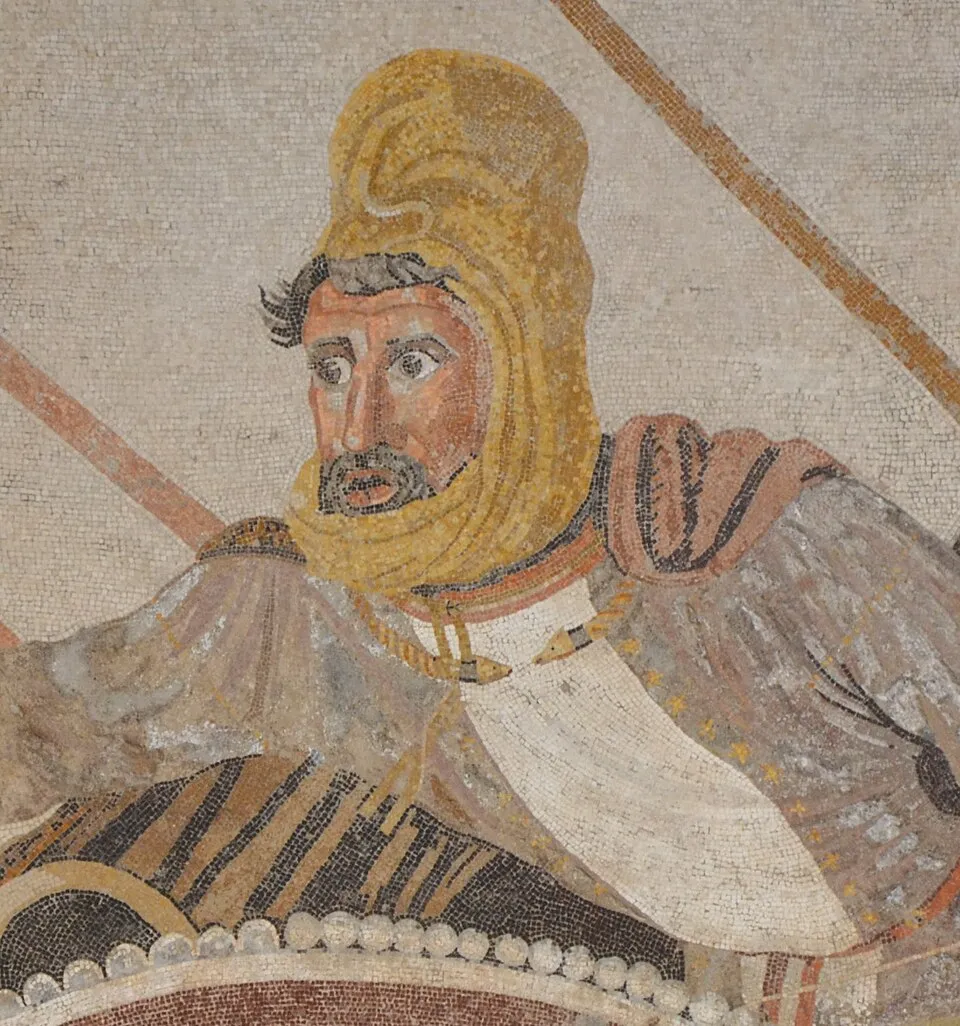
At Issus in 333 BC, Alexander directly faced King Darius III - Darius III was the last king of the Achaemenid Empire of Persia.. Despite being outnumbered, Alexander's cavalry charge shattered the Persia - Originating as the Kingdom of Anshan, a vassal of the Median Empire, it rose to power under Cyrus the Great, becoming the First Persian Empire. Spanning from the Balkans and Egypt to the Indus Valley,...n line, forcing Darius to flee and leaving his family captured. Alexander then secured the Levant - A historical geographical term referring to a large area in the Eastern Mediterranean, covering modern-day Syria, Lebanon, Jordan, Israel, Palestine, and parts of Turkey. Alexander secured this region after the Battle of Issus, capturing key cities like Tyre and Gaza. and Egypt - The ancient land of the Pharaohs. Alexander entered Egypt in 332 BC and was welcomed as a liberator from Persian rule. He was crowned Pharaoh, visited the Oracle of Siwa (where he was declared son of Zeus-Ammon), and founded the city of Alexandria, which would become a beacon of Hellenistic culture., where he was hailed as Pharaoh and founded Alexandria - A major city in Egypt, founded by Alexander the Great in 331 BC. It quickly grew into one of the greatest cities of the Hellenistic world, renowned for its Lighthouse of Alexandria (one of the Seven Wonders of the Ancient World) and its magnificent Library of Alexandria, which became a center of learning and culture..
The decisive clash came at Gaugamela in 331 BC. On a vast plain chosen by Darius, Alexander's tactical genius once again prevailed. Darius fled and was later murdered by his own satrap - A provincial governor of the Achaemenid Persian Empire, responsible for collecting tribute, raising troops, and keeping order in a satrapy while reporting to the King of Kings. Influential satraps often commanded local forces and could challenge or betray the central authority.. Alexander burned Persepolis - The ceremonial capital of the Achaemenid Persian Empire, built by Darius the Great and his successors. It was a symbol of Persian power and wealth. Alexander the Great famously burned it down in 330 BC, symbolizing the complete destruction of the Persian Empire., symbolizing the end of the Persian Empire.
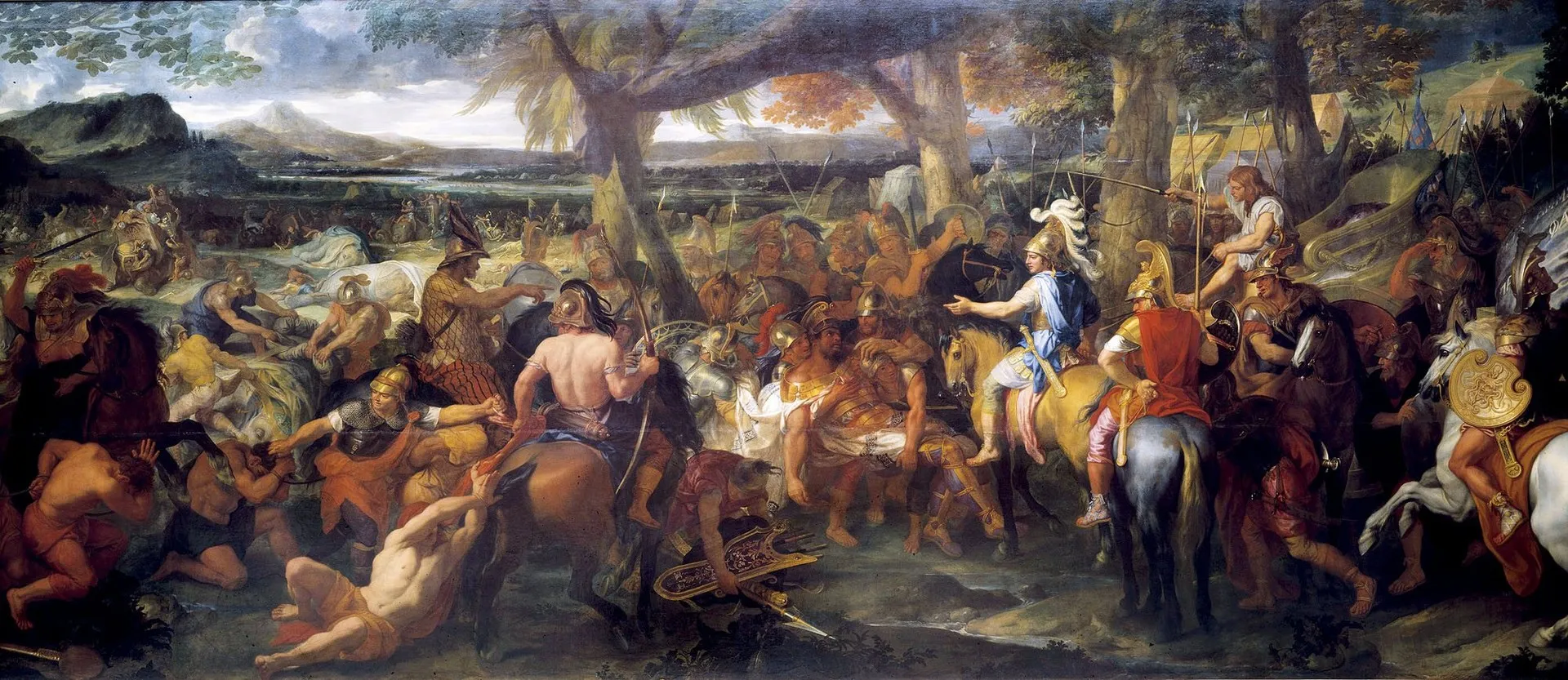
Driven by an insatiable desire for conquest, Alexander pushed into Central Asia and India. At the Hydaspes River, he defeated King Porus - King Porus ruled the Pauravas, an ancient Indian kingdom situated between the Hydaspes (Jhelum) and Acesines (Chenab) rivers in the Punjab region of ancient India. and his war elephants. However, his exhausted troops refused to go further. Alexander returned to Babylon - An ancient city in Mesopotamia, located on the Euphrates River in modern-day Iraq. Famous for its Hanging Gardens (one of the Seven Wonders of the Ancient World) and its significant role in ancient Near Eastern history. Alexander the Great made Babylon his imperial capital after conquering the Persian Empire and died there in 323 BC., where he died in 323 BC at the age of 32, leaving his empire to 'the strongest'.