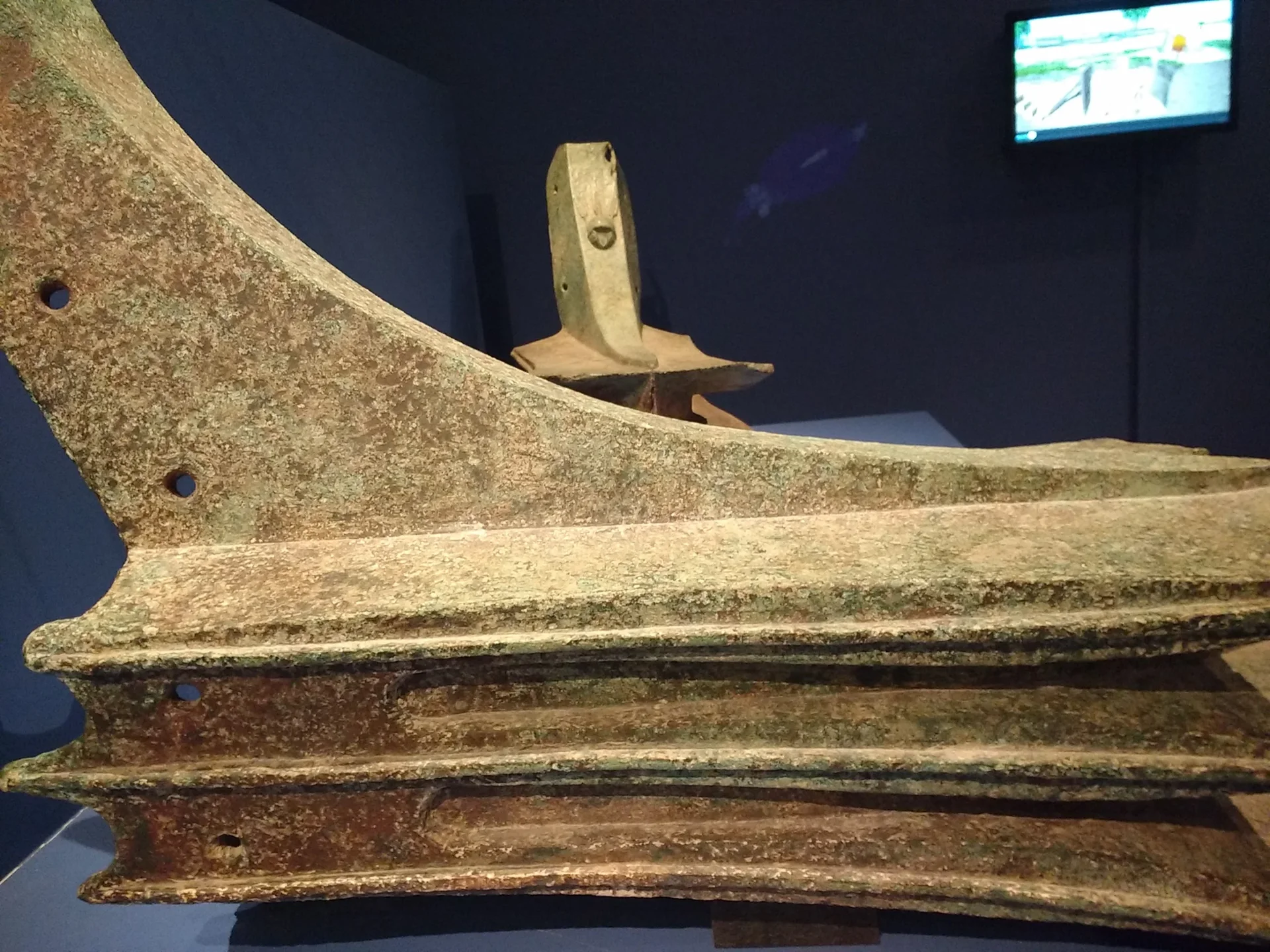
The First Punic War (264–241 BC) began over a dispute involving the city of Messana in Sicily. The Mamertines, a group of mercenaries holding the city, first sought Carthage's help against Syracuse, allowing a Carthaginian garrison into Messana. However, fearing Carthage's growing influence, they also appealed to Rome. Rome, concerned that Carthage might use Messana as a bridgehead to dominate all of Sicily and threaten the Italian mainland, decided to intervene. When Roman troops landed in Messana and expelled the Carthaginian garrison, direct conflict became inevitable, escalating into a war for control of Sicily and naval supremacy in the Mediterranean. Rome, originally a land power, innovated by building a navy and using the 'corvus' boarding bridge to turn sea battles into land battles. After exhausting 23 years of fighting, Carthage sued for peace, ceding Sicily to Rome.
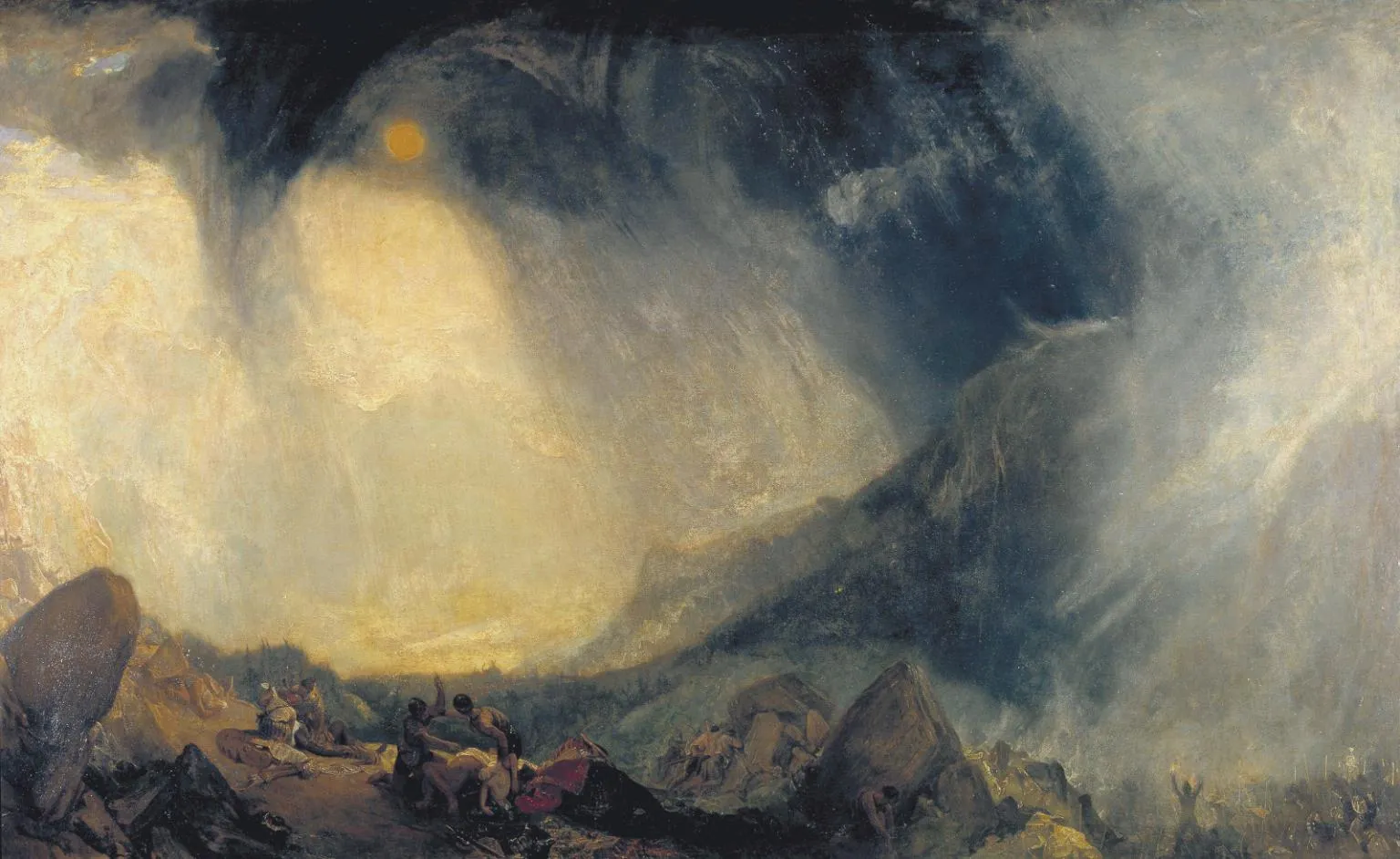
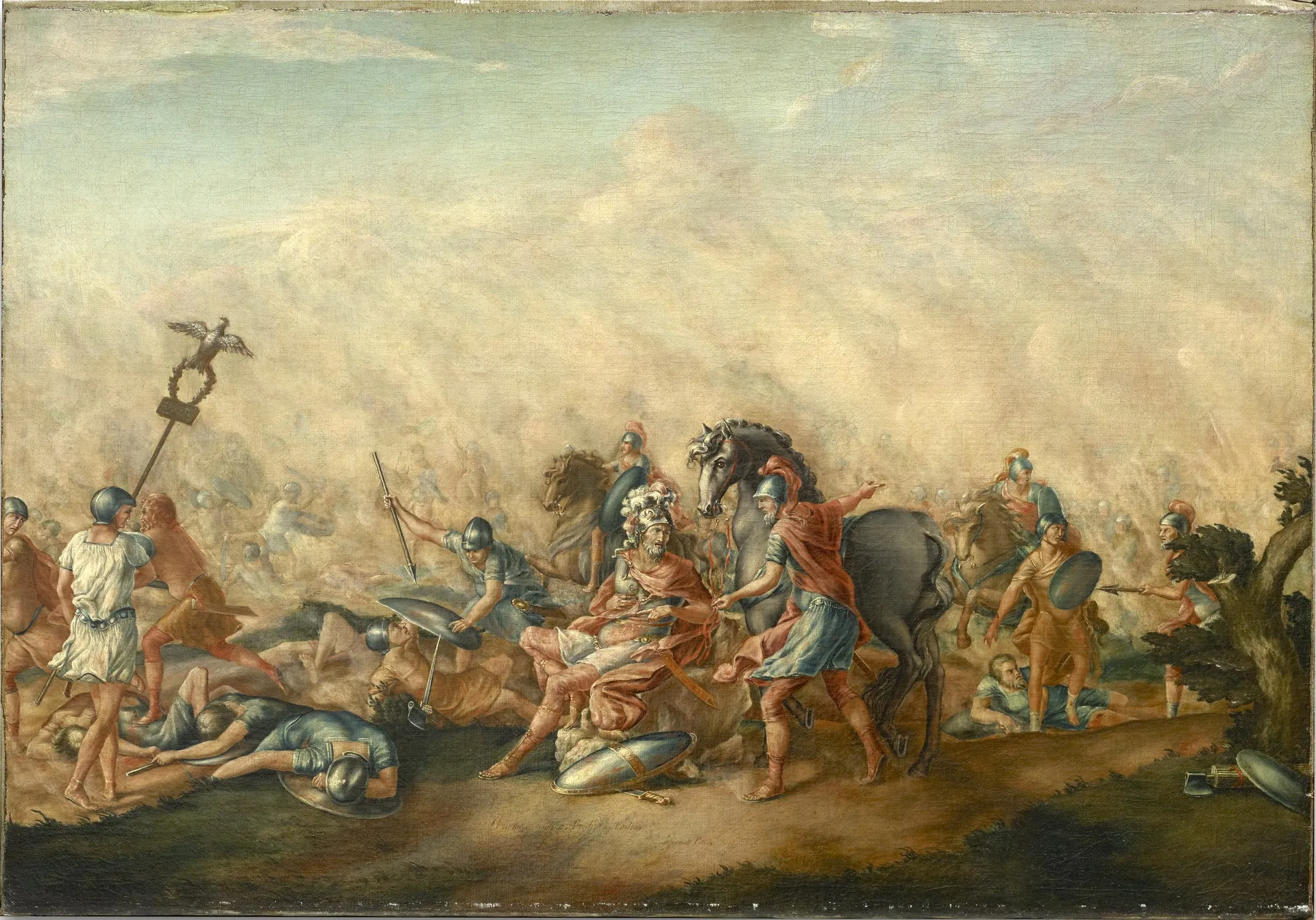
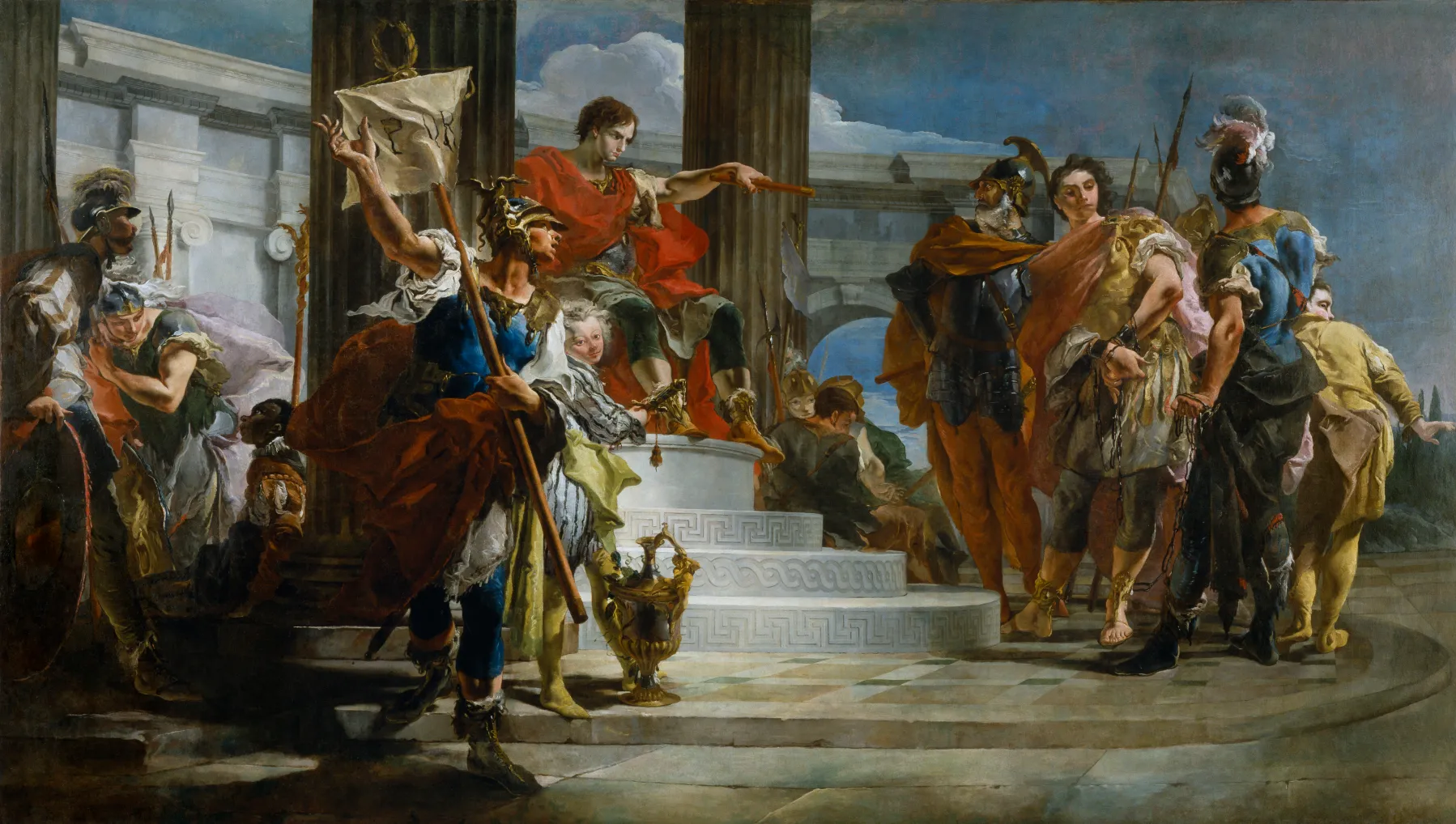
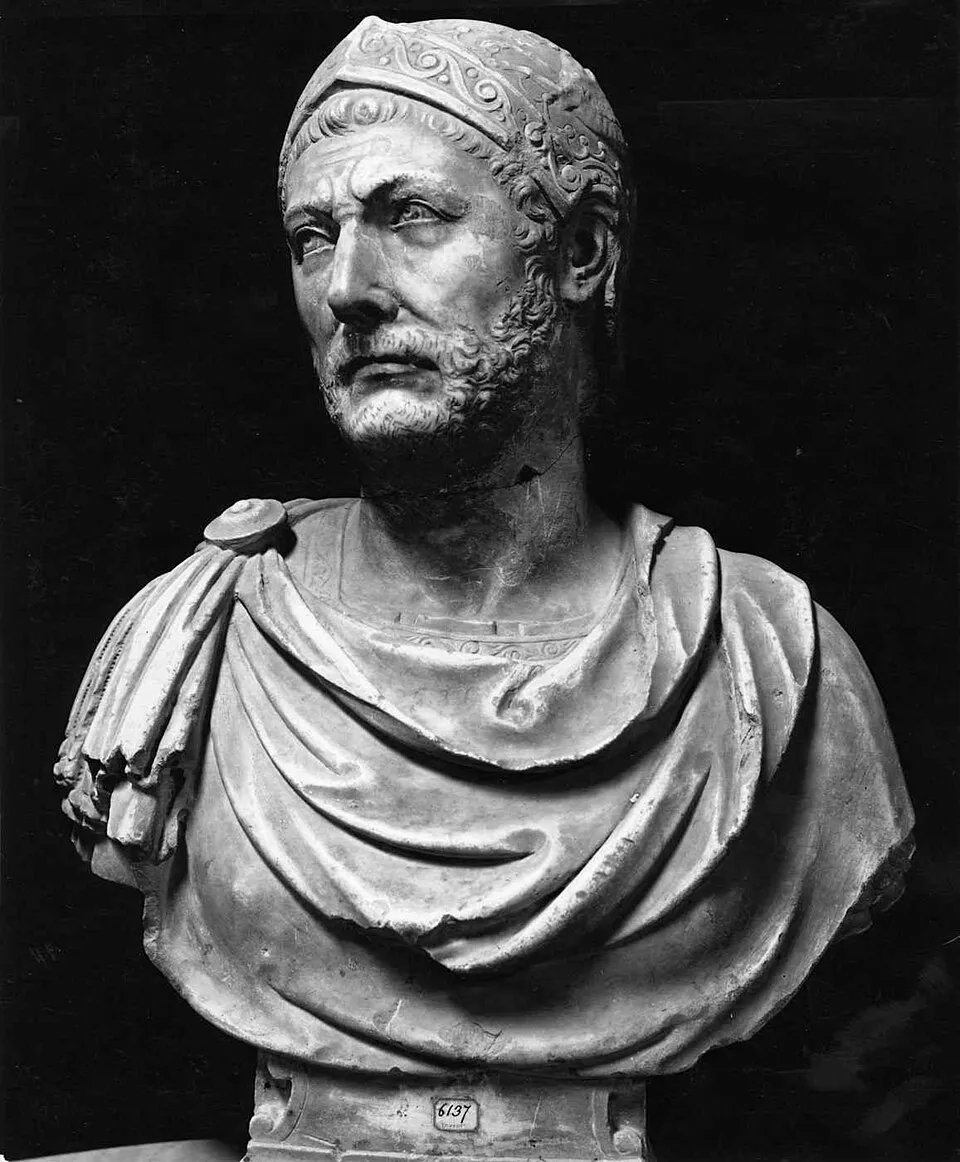
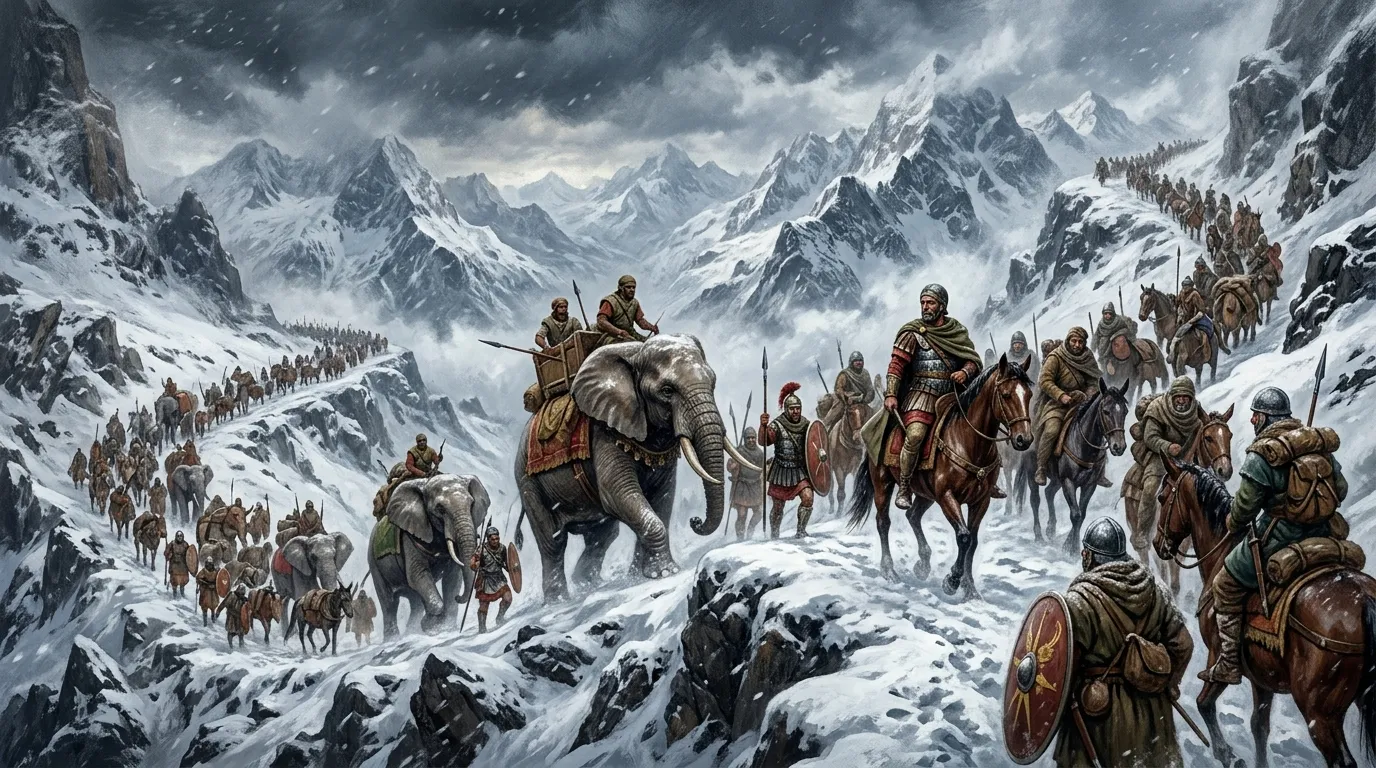
The Second Punic War (218–201 BC) was the most famous, sparked by Hannibal Barca's thirst for revenge. Driven by an oath he made to his father Hamilcar Barca as a child to never be a friend to Rome, Hannibal led his army and war elephants across the Alps, inflicting devastating defeats on Rome at Trebia, Lake Trasimene, and Cannae. However, instead of surrendering, Rome adopted the 'Fabian strategy' of attrition, avoiding direct battles to wear Hannibal down. Rome's immense manpower reserves and the loyalty of its Italian allies proved decisive against Hannibal, who remained isolated in Italy for 15 years. Despite his tactical genius, the lack of reinforcements from Carthage and Rome's control of the seas eventually confined him to southern Italy. The war ended when Scipio Africanus took the fight to Africa, forcing Hannibal to be recalled to defend his homeland, where he was finally defeated at the Battle of Zama .
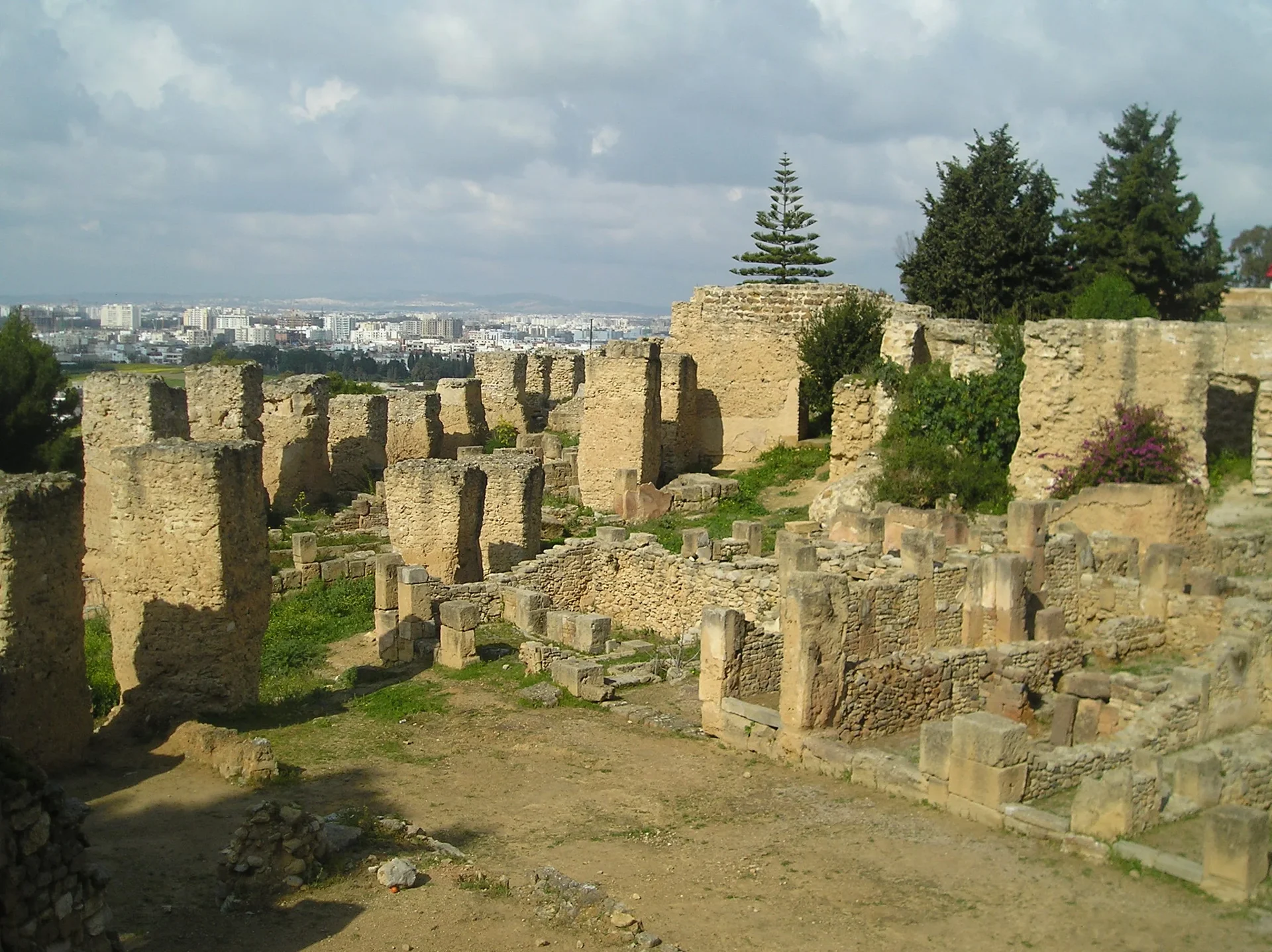
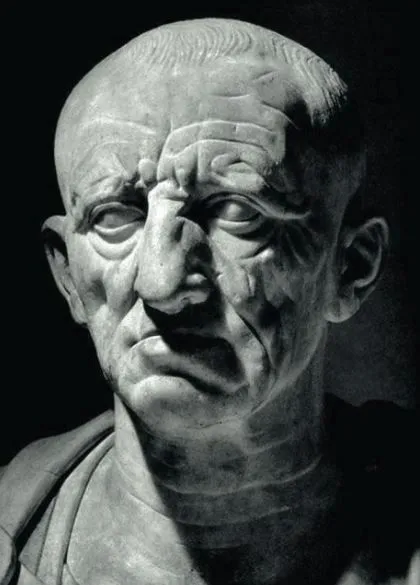
The Third Punic War (149–146 BC) was the final, brutal chapter. Following the Second Punic War, Carthage was stripped of its overseas territories, forced to pay a massive indemnity, and forbidden from waging war without Rome's consent. Despite these crushing terms, Carthage showed remarkable resilience, rapidly restoring its prosperity through commerce and agriculture. Observing this swift recovery, Rome began to fear that its old rival might rise again. Cato the Elder famously fueled this anxiety, ending every speech with 'Carthage must be destroyed.' Driven by this fear, Rome laid siege to the city for three years. The war ended with the complete destruction of Carthage; the city was burned to the ground, its population enslaved, and its territory annexed as the Roman province of Africa.