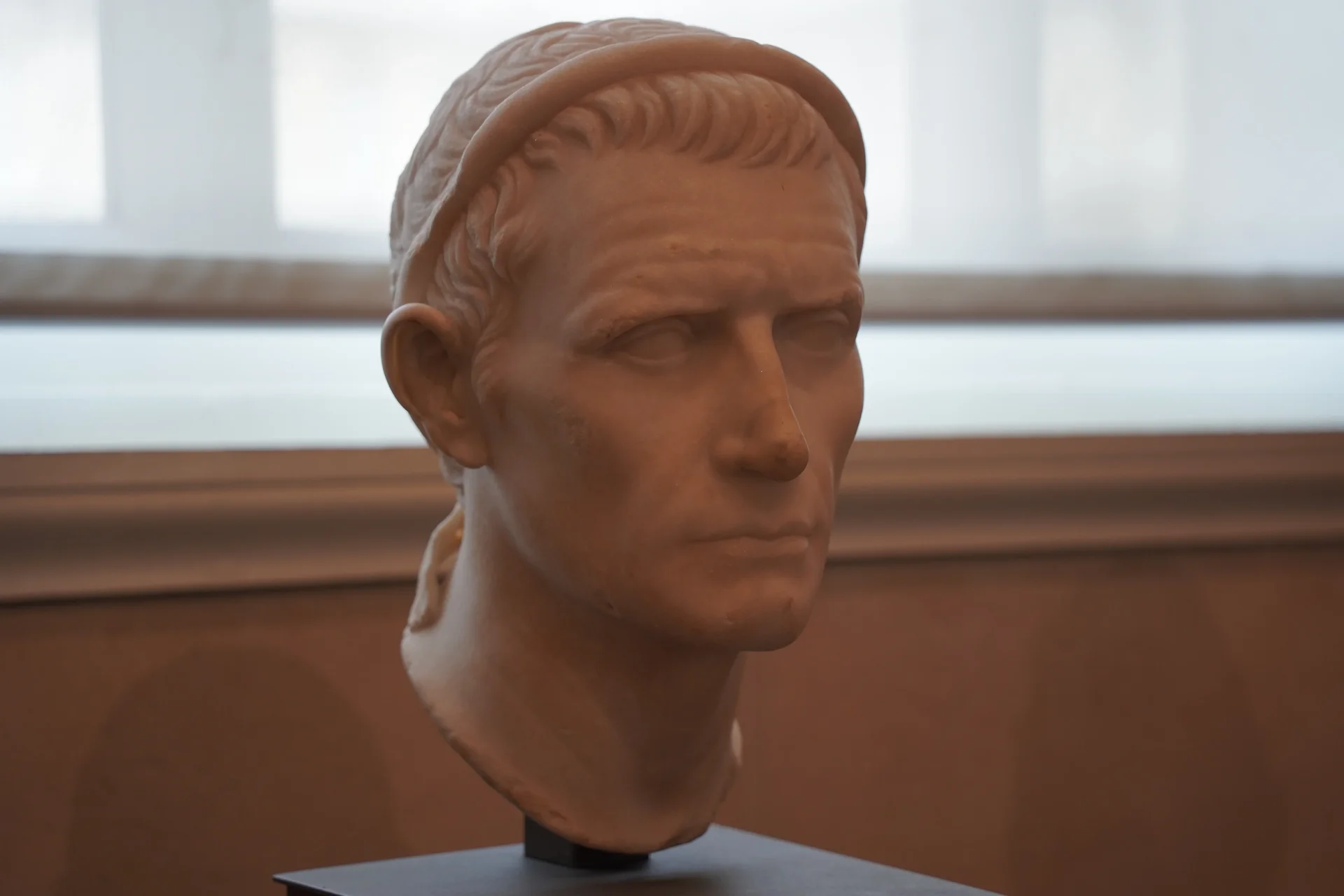
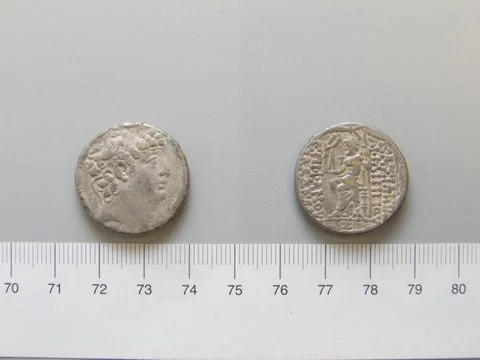
The war ignited in a Greece that was not a formal Roman province, but rather a collection of 'free' city-states under Roman influence following the defeat of Macedon in the Second Macedonian War. Dissatisfied with this Roman-led order, the Aetolian League - A confederation of tribal communities and cities in ancient Aetolia, Greece. A powerful military force in the Hellenistic period, it allied with Rome against Macedon. invited Antiochus III - Antiochus III the Great (c. to 'liberate' Greece, and he crossed into the peninsula in 192 BC. He successfully captured Chalcis - The chief town of the island of Euboea in Greece, situated on the strait of Euripus at its narrowest point. and established it as his base of operations, spending the winter there to strengthen his position. However, his initial forces were small, and he failed to gain widespread support, allowing the Romans to respond effectively.
In 191 BC, the Roman forces under Manius Acilius Glabrio decisively defeated Antiochus's army at the Battle of Thermopylae . Antiochus, outnumbered and outmaneuvered, was forced to retreat from Greece back to Asia Minor.
The next phase of the war involved the Romans carrying the fight into Asia. A Roman fleet, with Rhodian and Pergamene allies, gained control of the Aegean Sea - The Aegean Sea is an elongated embayment of the Mediterranean Sea located between the Greek and Anatolian peninsulas. It has been historically important, especially in the time of ancient Greece, as the cradle of two of the earliest civilizations, the Minoan and Mycenaean.. Then, in 190 BC, a large Roman army, nominally led by Lucius Cornelius Scipio Asiaticus - Lucius Cornelius Scipio Asiaticus was a Roman general and statesman, the younger brother of Scipio Africanus. but heavily influenced by his more famous brother Scipio Africanus - Roman general who defeated Hannibal at the Battle of Zama, ending the Second Punic War., crossed the Hellespont - A narrow strait connecting the Aegean Sea to the Sea of Marmara, separating Europe from Asia. Historically known for Xerxes' pontoon bridge and Alexander the Great's crossing..
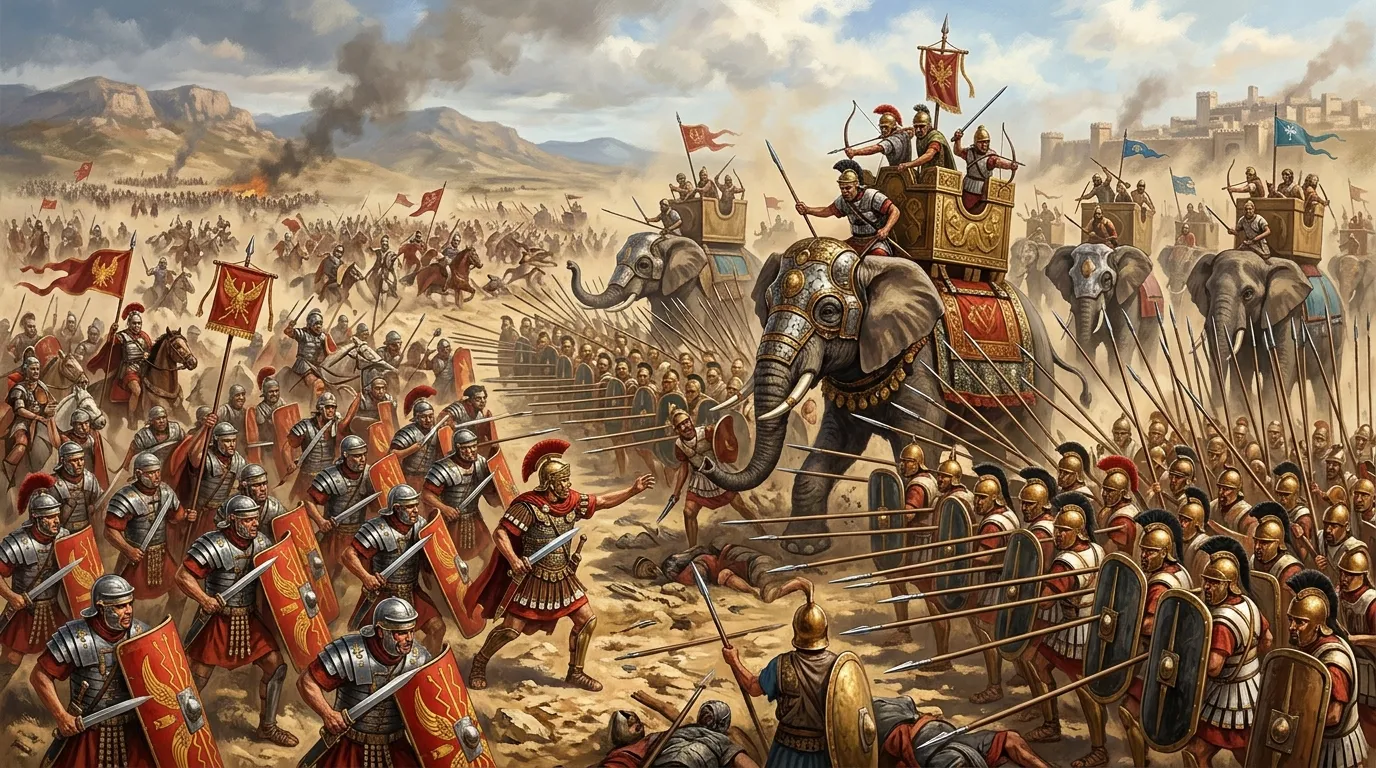
The decisive engagement took place at the Battle of Magnesia , near Sardis. The Roman-Pergamene forces inflicted a crushing defeat on the much larger Seleucid army. Antiochus III's forces, despite having war elephants and a numerically superior army, were routed, marking the end of Seleucid ambitions in Asia Minor and Europe.
The war concluded with the Treaty of Apamea in 188 BC. This treaty severely curtailed Seleucid power, forcing them to cede all territories west of the Taurus Mountains - The vast region in Asia Minor west of the Taurus Mountains that the Seleucid Empire was forced to cede following the Treaty of Apamea (188 BC). This territory was largely redistributed to Rome's allies, the Kingdom of Pergamum and the Republic of Rhodes, effectively ending Seleucid power in the region. to Rome - The Roman Republic (509 BC – 27 BC) was the era of ancient Roman civilization characterized by a republican form of government. It began with the overthrow of the Roman monarchy and lasted for over 450 years until its subversion through a series of civil wars, leading to the Roman Empire. and its allies (Pergamum - The approximate location of the ancient city of Pergamon, which was the capital of the Kingdom of Pergamon. The kingdom's influence in Western Asia Minor was significant during the Hellenistic period, especially as a Roman ally in conflicts like the Macedonian Wars. Precise historical boundaries for the kingdom are difficult to acquire in GeoJSON format. and Rhodes - The approximate location of the island city-state of Rhodes, a major naval and trading power in the Aegean Sea during the Hellenistic period. Its influence extended across the seas, playing a key role as a Roman ally in conflicts like the Macedonian Wars. Precise historical boundaries for its maritime dominance are difficult to acquire in GeoJSON format.), pay a massive war indemnity, and surrender their war elephants and fleet. Antiochus was also required to hand over Hannibal - Carthaginian general considered one of the greatest military commanders in history, famous for crossing the Alps to fight Rome., though Hannibal managed to escape.