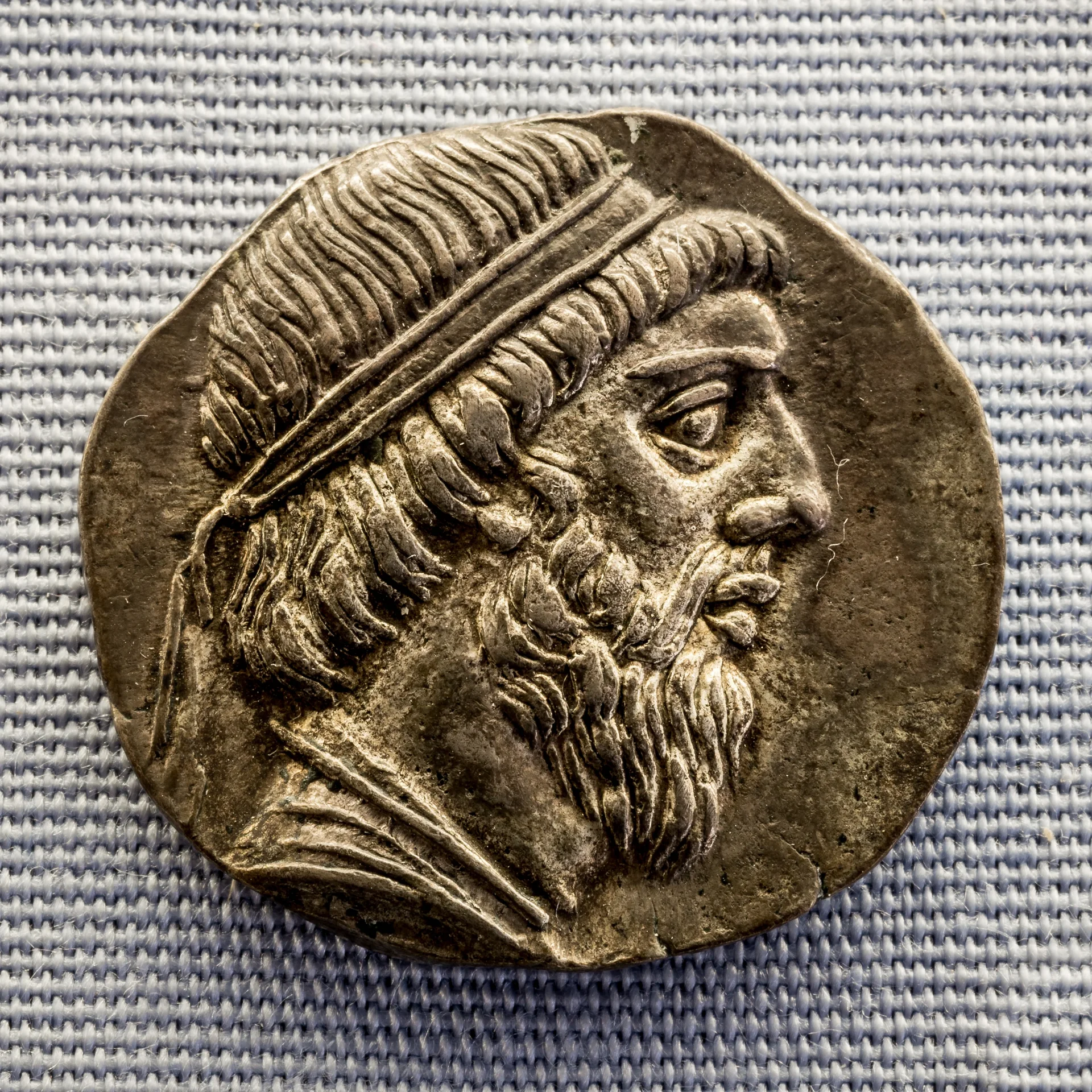
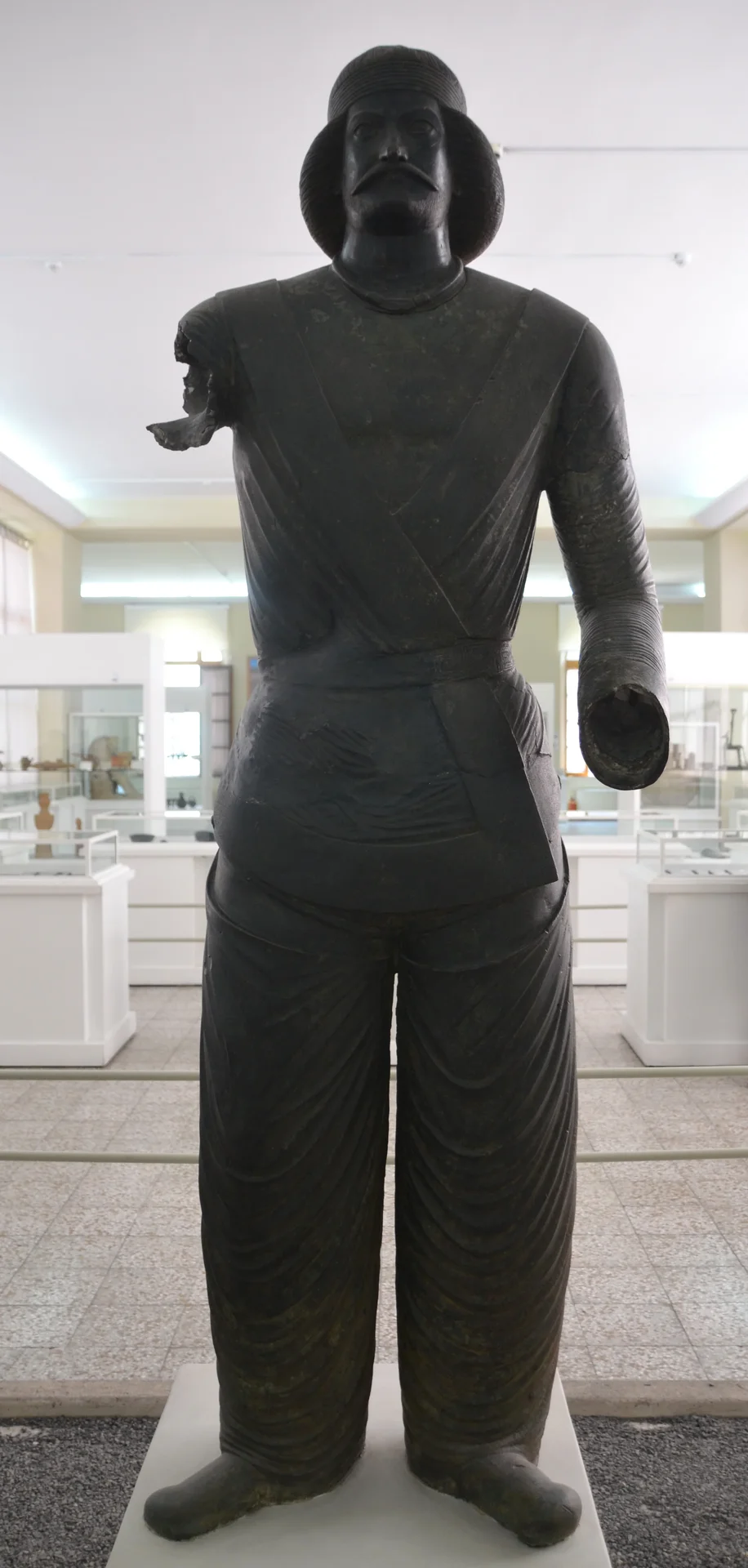
After the Parthia - The Parthian Empire (247 BC – 224 AD), also known as the Arsacid Empire, was a major Iranian political and cultural power in ancient Iran. It was founded by Arsaces I of the Parni tribe after rebellin...n Kingdom was founded, the Seleucid Empire - A major Hellenistic state in Western Asia that existed from 312 BC to 63 BC. Founded by Seleucus I Nicator, it controlled vast territories including Anatolia, Persia, the Levant, Mesopotamia, and part... was weakened by internal struggles and the difficulty of ruling far eastern provinces. Mithridates I - Mithridates I was the Parthian king who transformed a growing kingdom into a major empire by conquering Media, Babylonia, and Seleucia on the Tigris. aimed to secure richer lands and the main routes where people and goods moved in the west, so he began a long campaign against Seleucid governors.
Starting in 171 BC, Parthian forces advanced west and first seized Media - Media was a historical highland region in western Iran. In the Seleucid and Parthian period, it was strategically important because it connected Mesopotamia, the Iranian plateau, and key military routes. Ecbatana was one of its best-known major cities.. About six years later, in 141 BC, they pushed further to capture Seleucia - Seleucia on the Tigris was the first capital of the Seleucid Empire, founded by Seleucus I Nicator around 305 BCE. Located at the intersection of major trade routes, it became one of the largest cities in the world and a major center of Hellenistic culture in Mesopotamia. It remained a vital administrative and commercial hub even after the capital was moved to Antioch. Its site lies near modern Baghdad in Iraq (southeast of today's city center). on the Tigris - The Tigris is one of the two great rivers of the ancient Near East, running roughly parallel to the Euphrates. Many important cities, including Seleucia on the Tigris, grew along its banks because the river provided water, transport, and fertile land., a major administrative center. This victory shifted the balance of power, giving Parthia control over the heart of Mesopotamia.
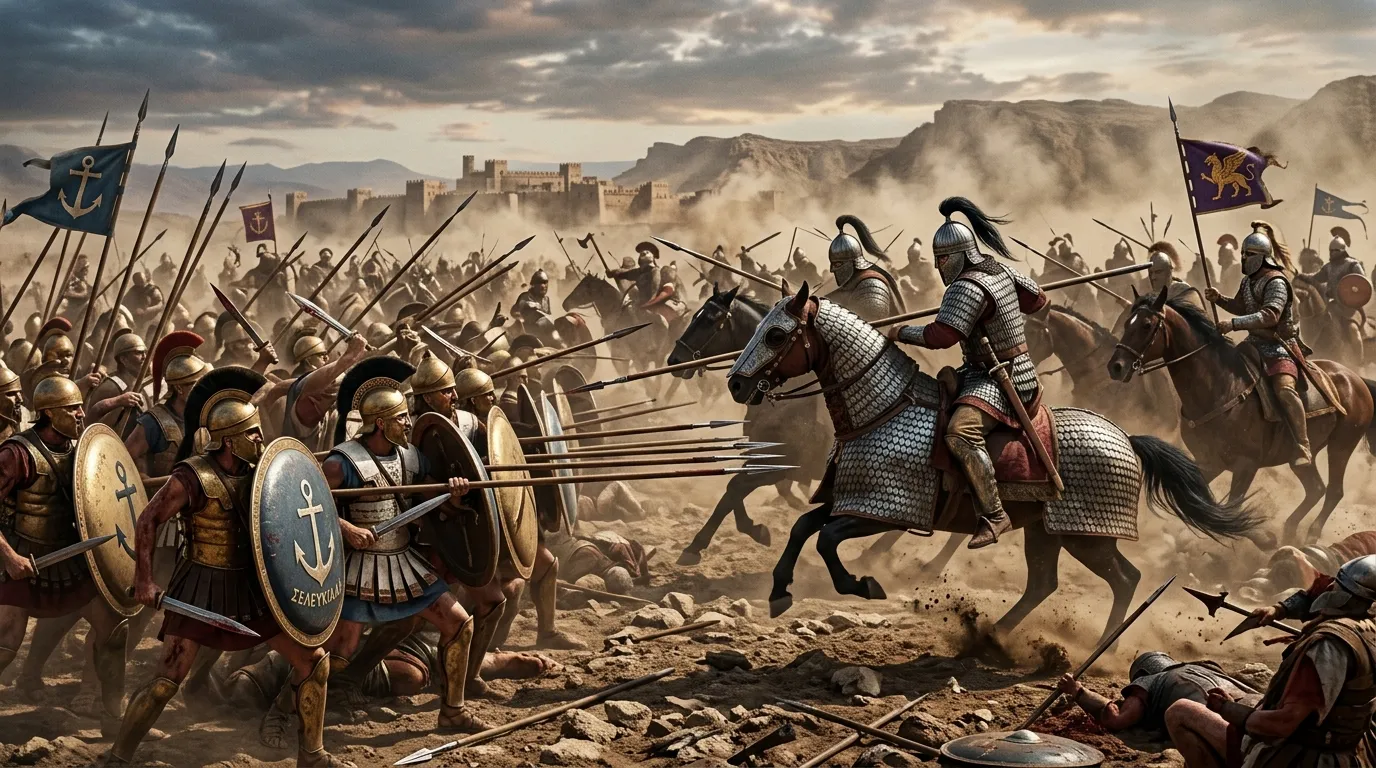
Twelve years after the fall of Seleucia, in 129 BC, the Seleucid Empire launched a final massive counterattack under Antiochus VII - The last great Seleucid king who attempted to restore the empire's eastern territories but fell in battle against the Parthians. to regain their lost eastern territories. However, he was defeated and killed at the Battle of Ecbatana . This decisive defeat ended Seleucid influence in the east forever and established Parthia as a major empire capable of challenging Rome. Following this, the Seleucid Empire was reduced to a minor power confined to Syria, plagued by civil wars until it was finally annexed by Rome in 63 BC.