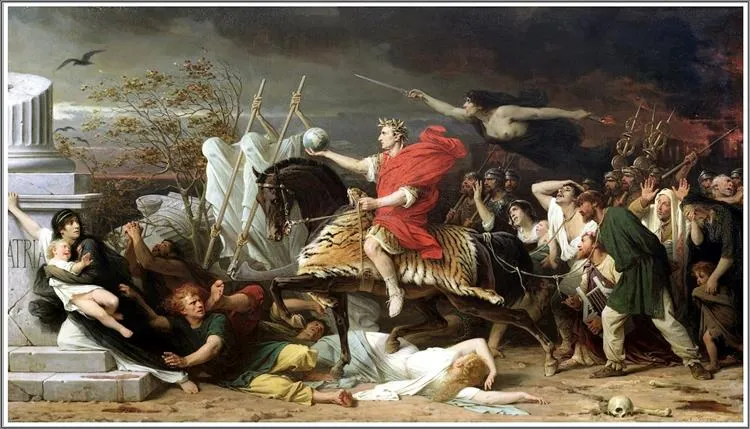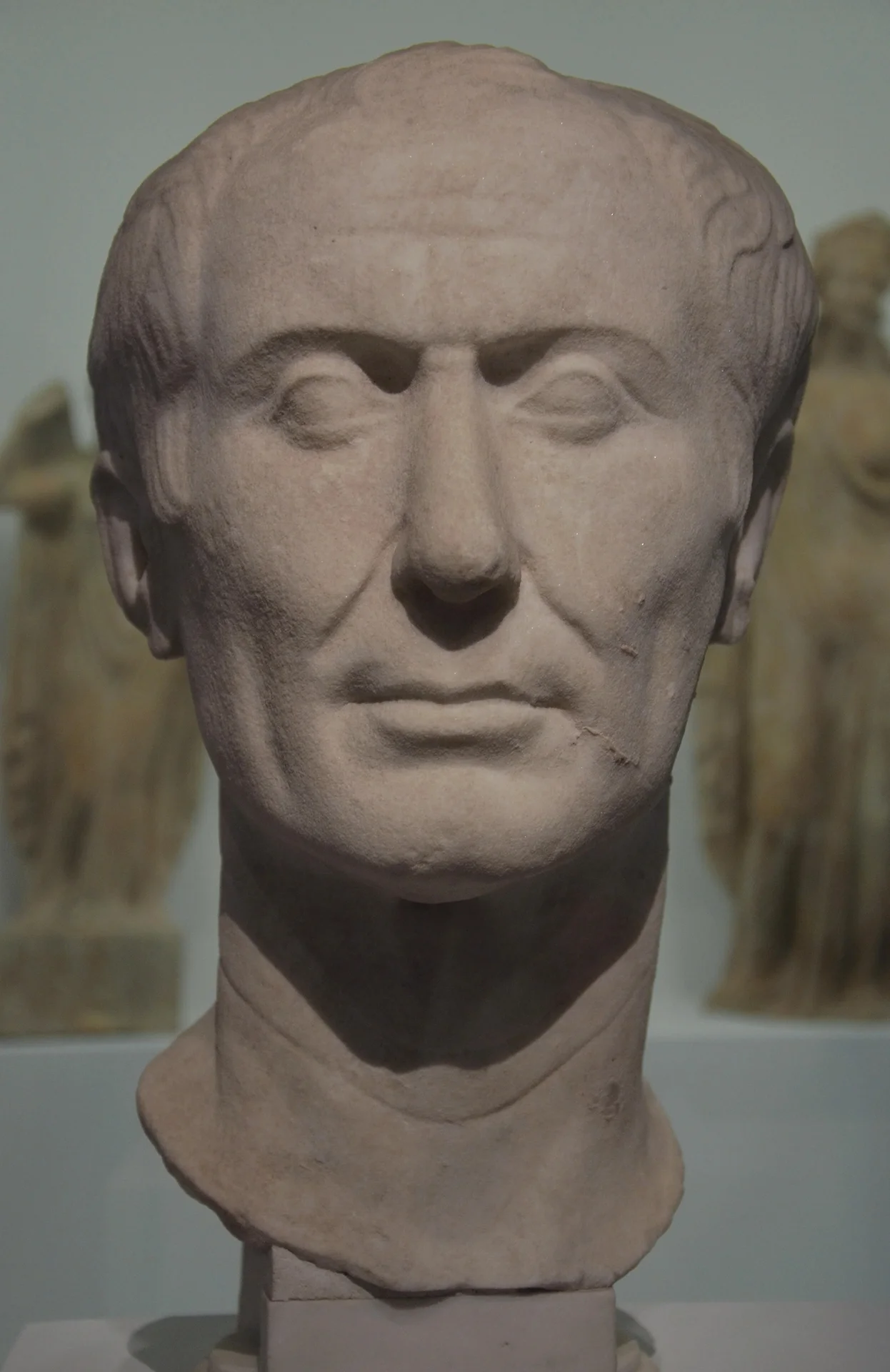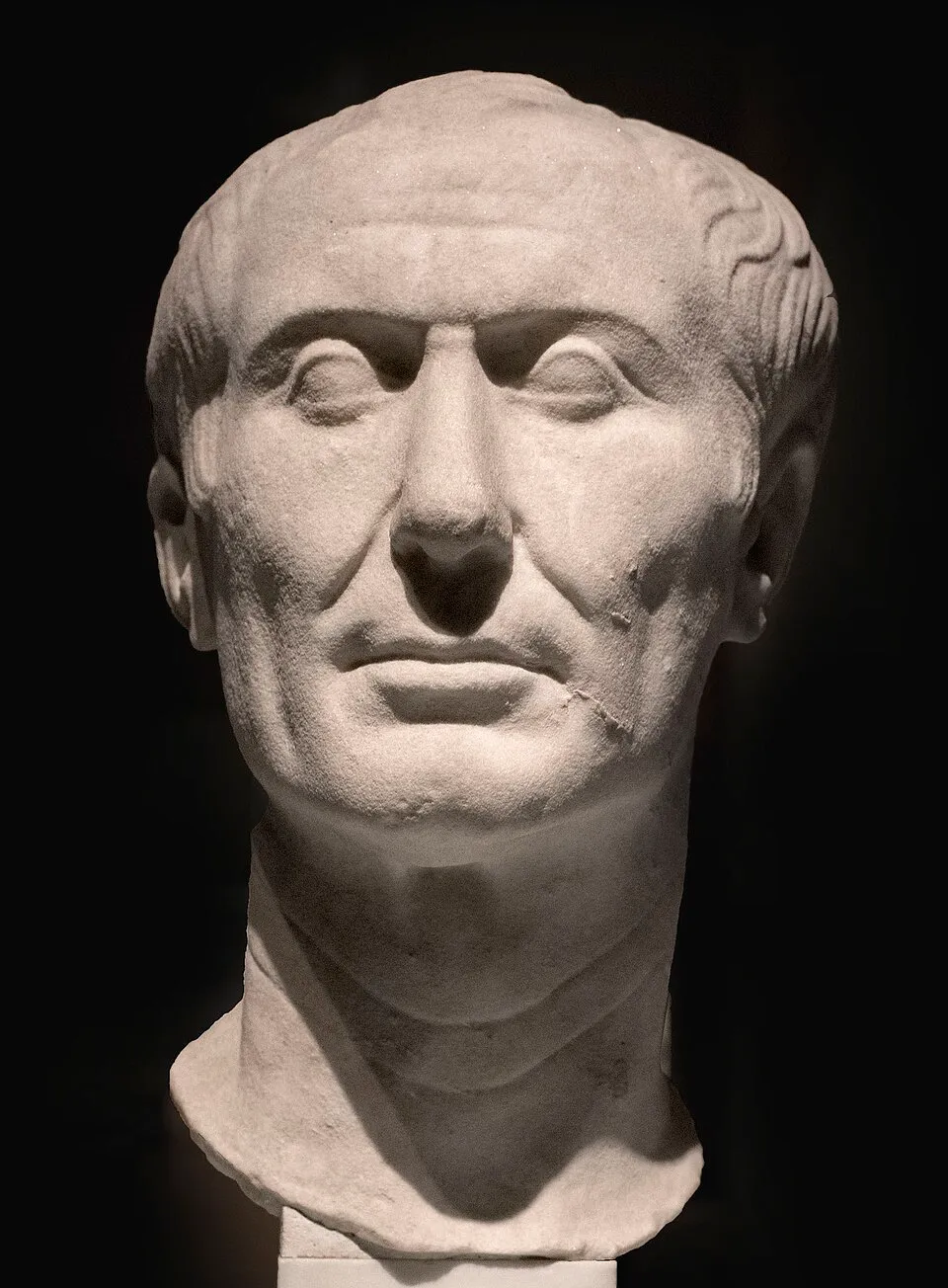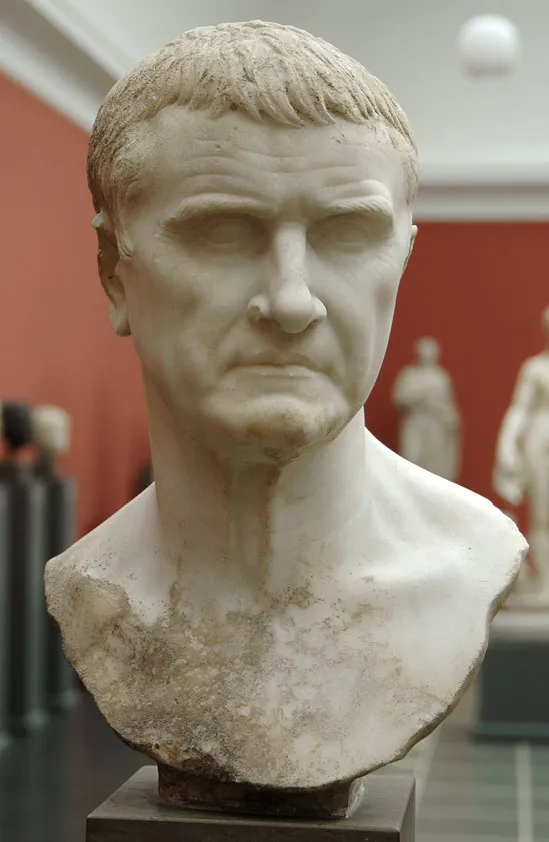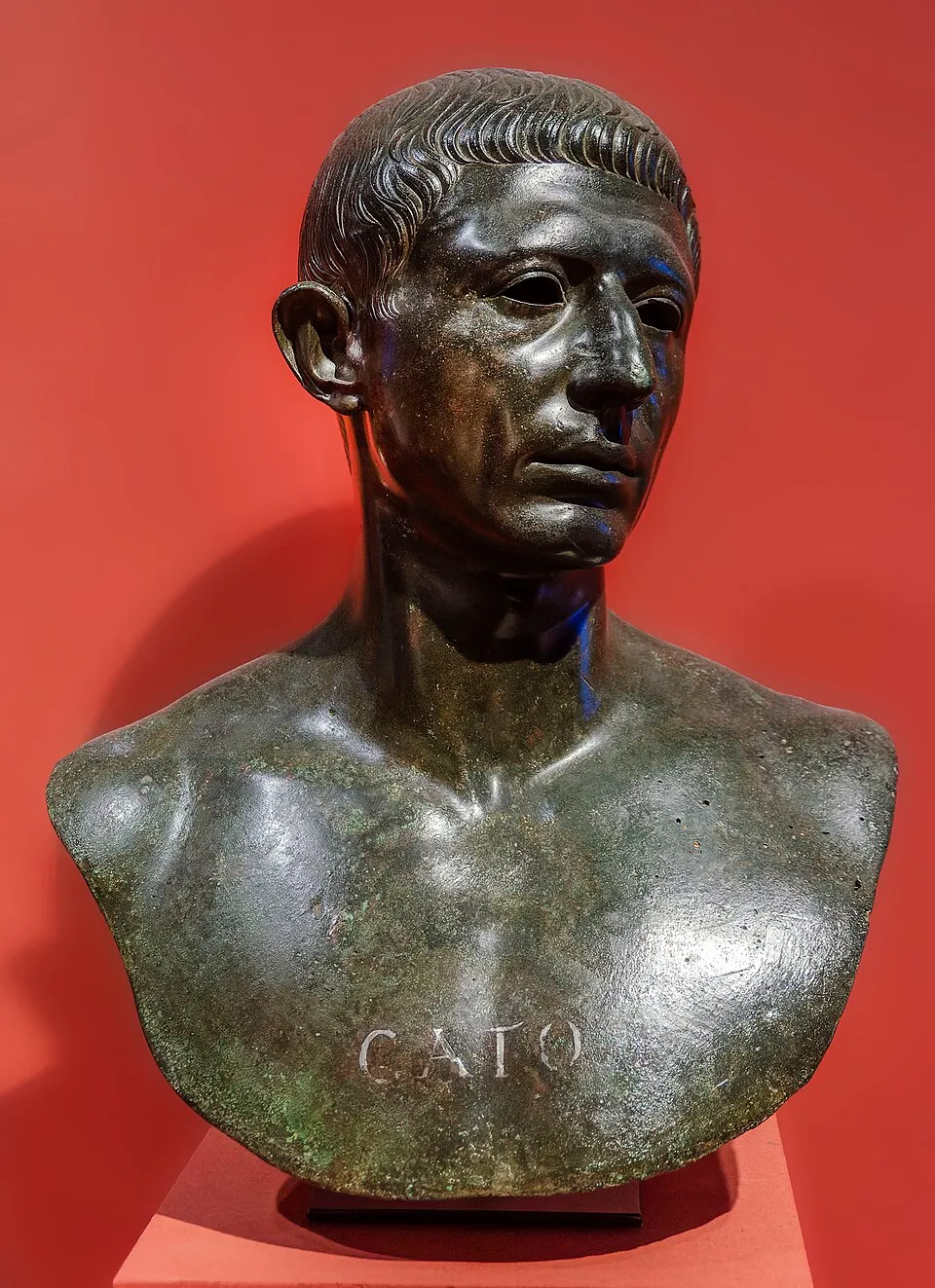
The crisis began when the Senate, led by Pompey, demanded Caesar disband his army after the Gallic Wars. Caesar knew that returning to Rome without his army would strip him of his legal immunity, leaving him vulnerable to prosecution by his political enemies for alleged irregularities during his consulship and the Gallic Wars. Facing a choice between political ruin and treason, he chose the latter. On January 10, 49 BC, he paused at the Rubicon River, famously declaring 'Alea iacta est' (The die is cast), and crossed into Italy with his 13th Legion. This decisive act ignited the civil war, catching Pompey and the Senate unprepared and forcing them to flee to Greece.
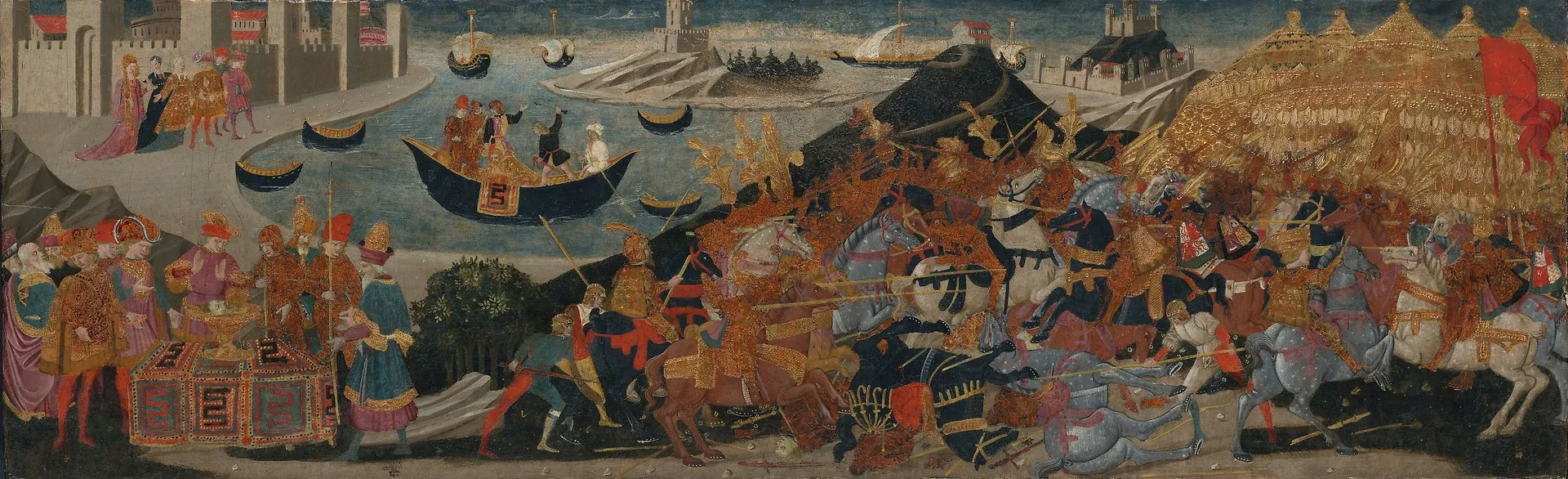
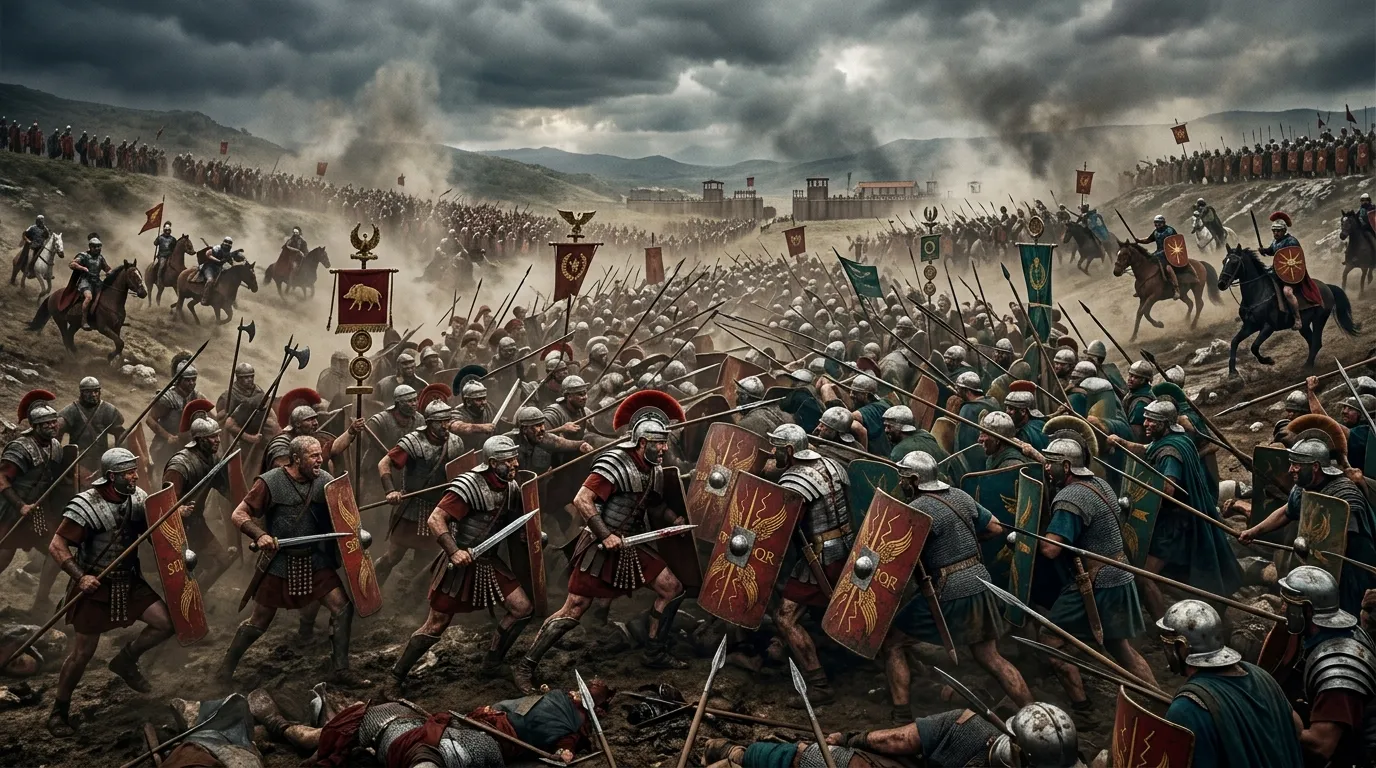
Caesar rapidly secured Italy and Spain, then pursued Pompey across the Adriatic to Greece. In 48 BC, he besieged Pompey at Dyrrhachium , but Pompey's defenses held, and Caesar was repulsed and nearly defeated. Undeterred, Caesar retreated to Thessaly, where he lured Pompey into a decisive engagement at Pharsalus . Despite being outnumbered, Caesar's veteran legions crushed Pompey's forces. Pompey fled to Egypt, seeking asylum, but the boy-king Ptolemy XIII had him assassinated to curry favor with Caesar—a gesture that horrified Caesar when he arrived and was presented with his rival's head.
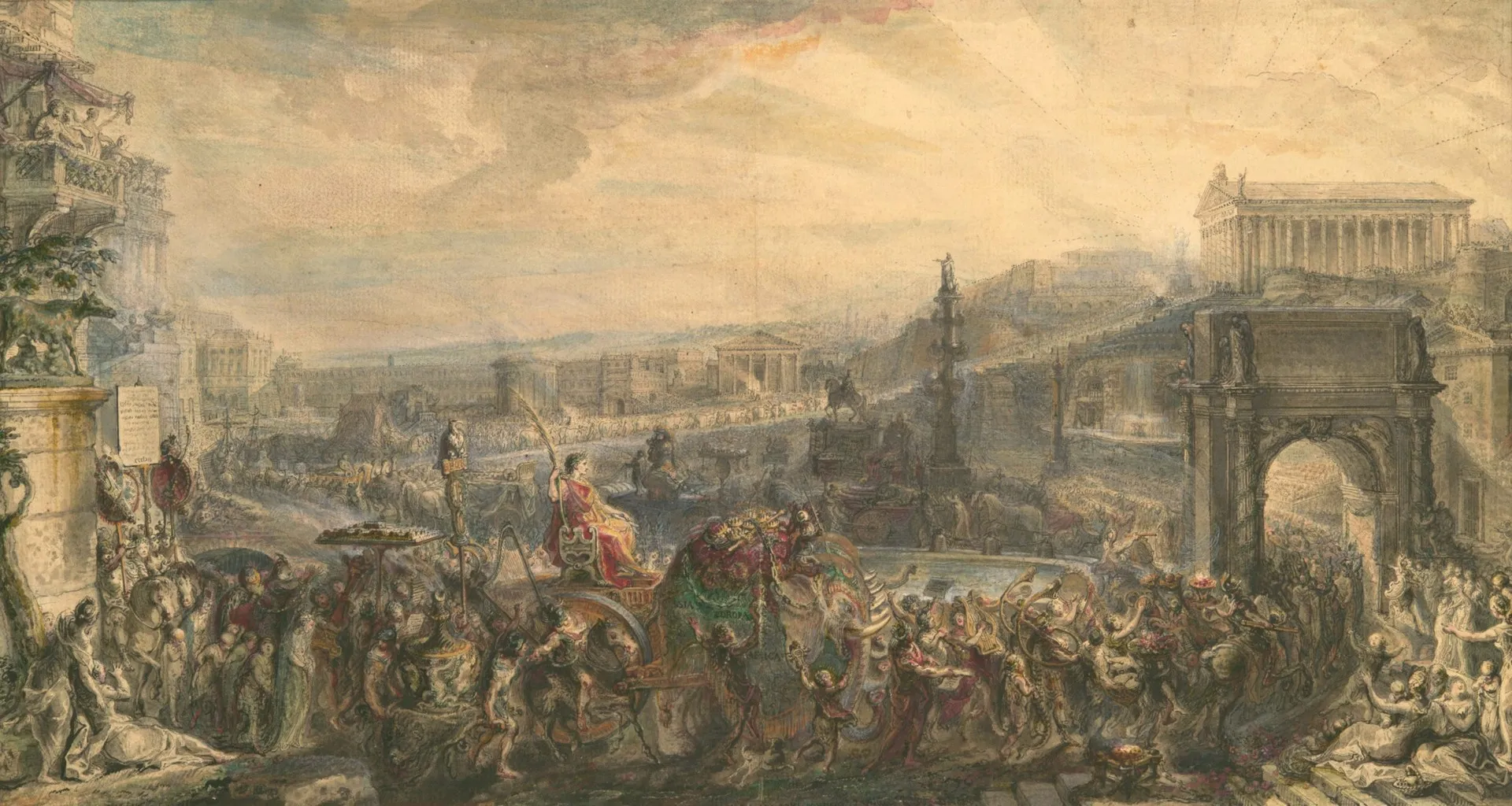
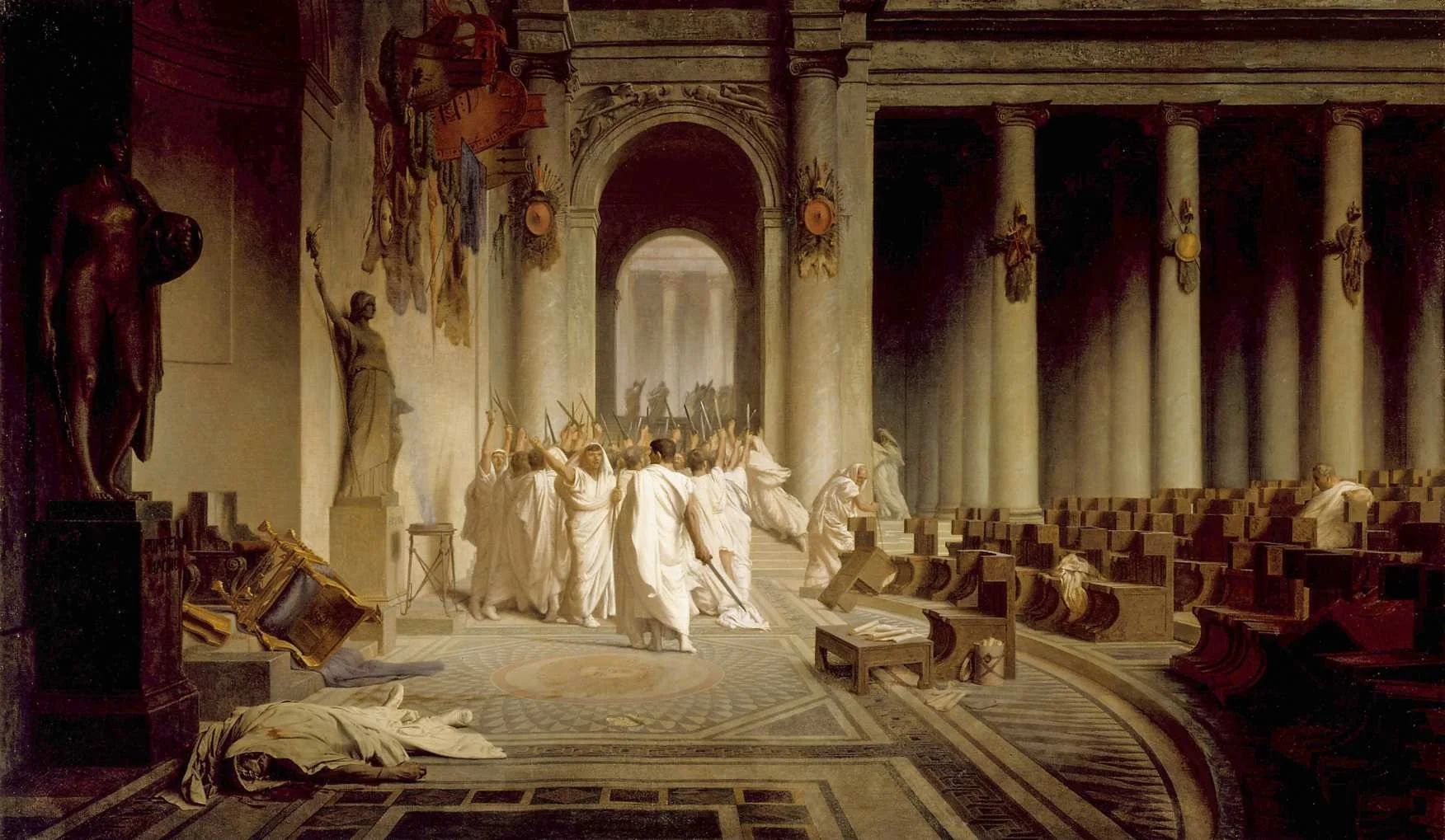
After mopping up resistance in Africa (Battle of Thapsus ) and Spain (Battle of Munda ), Caesar returned to Rome as undisputed master. He was appointed Dictator Perpetuo (Dictator for Life), but his king-like power and reforms alienated the traditionalist Senate. On the Ides of March (March 15, 44 BC), a group of senators led by Brutus and Cassius stabbed him 23 times in the Theatre of Pompey. They hoped to restore the Republic, but instead, their act plunged Rome into a final series of civil wars that ultimately paved the way for the Roman Empire.