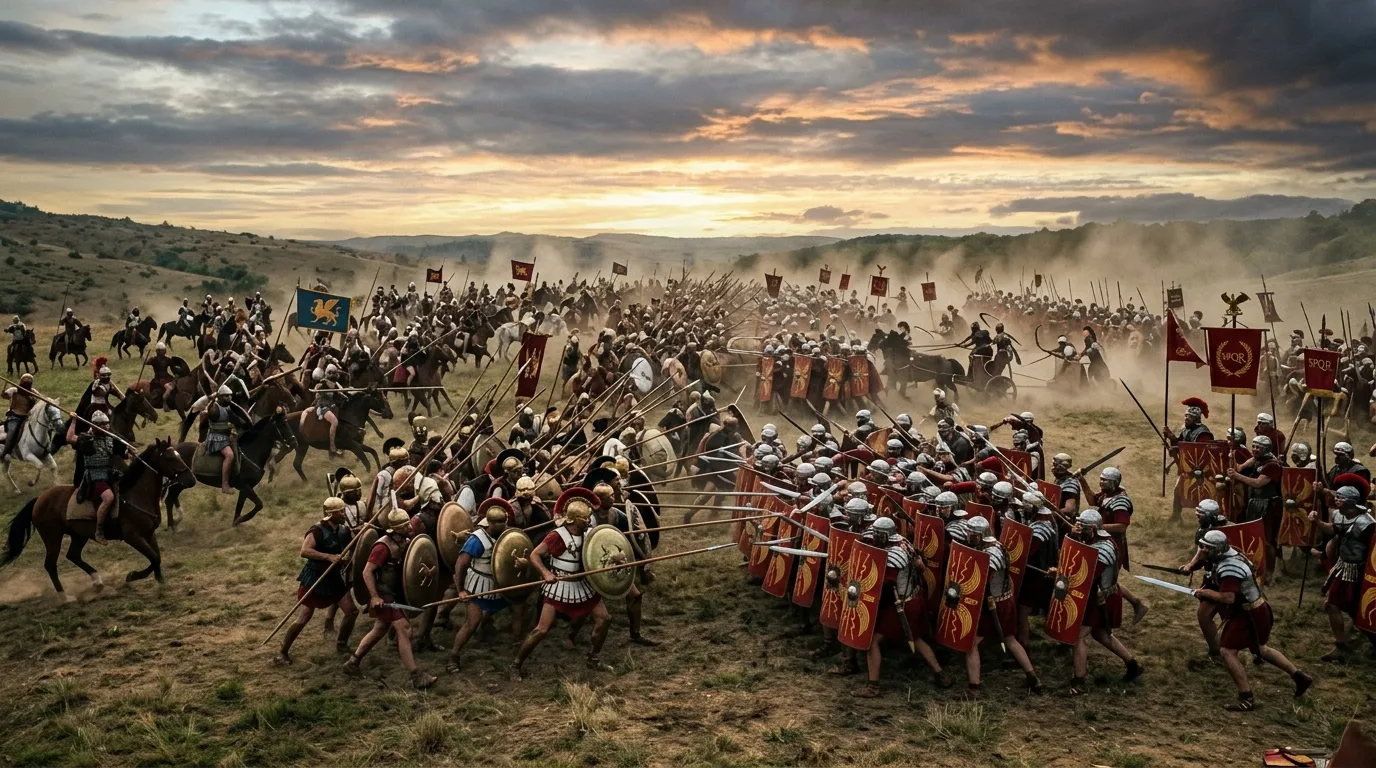
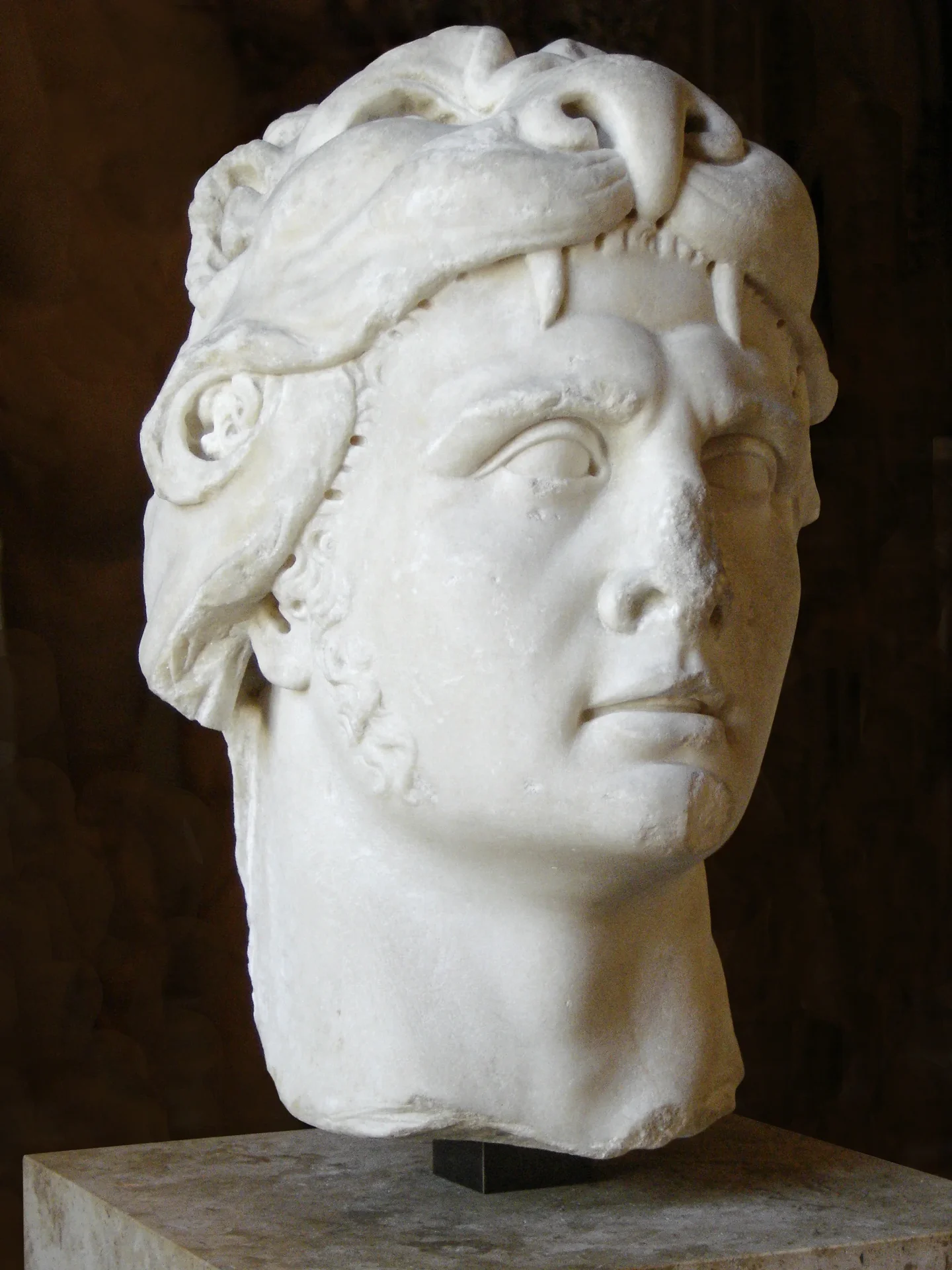
The First Mithridatic War (88–85 BC) began with Mithridates sweeping through Asia Minor, hailed as a liberator from Roman oppression. For decades, corrupt Roman 'Publicani' (tax farmer - The Agents of Greed The Publicani were private contractors in ancient Rome who bid for the right to collect taxes in the provinces. The Roman state, lacking a large bureaucracy, auctioned these rights to private companies. The Publicani paid the state upfront and then collected taxes from the provincials to recoup their investment—plus a profit.A System of Exploitation Because their profit depended on how much they could extract beyond the official tax owed, the Publicani became notorious for their ruthlessness. They often demanded exorbitant sums, seizing property and enslaving those who could not pay. In the province of Asia (western Asia Minor), their predation was so severe that it drove the population into deep debt and despair.The Fuel for War This widespread hatred of the Publicani was the primary reason Mithridates VI was welcomed as a savior. When he ordered the massacre of Romans in 88 BC (the Asiatic Vespers), the locals eagerly participated, venting decades of rage against these tax farmers and the corrupt Roman governors who protected them.s) had ruthlessly exploited the province, driving the population into destitution and debt slavery. Capitalizing on this deep-seated resentment, Mithridates cleverly won over the Greek cities by promising freedom, cancelling all debts, and remitting taxes for five years. This populist strategy culminated in the 'Asiatic Vespers - The Massacre of 88 BC The Asiatic Vespers (also known as the Vespers of 88 BC) refers to a coordinated massacre of Romans and people from Italy throughout Asia Minor (modern-day Turkey), orchestrated by King Mithridates VI of Pontus.A Bloody Signal In a single day, an estimated 80,000 to 150,000 men, women, and children were killed by the local Greek population under Mithridates' orders. The king had sent secret letters to the governors of various cities, instructing them to kill all Roman and Italian residents on a specific date. The massacre was intended to bind the Greek cities irrevocably to Mithridates' cause—by participating in such a heinous crime against Rome, they would have no choice but to fight to the death, as there could be no turning back.Origin of the Name The term 'Asiatic Vespers' was coined by later historians as an analogy to the Sicilian Vespers of 1282, a similar revolt against French rule in Sicily. The name 'Vespers' refers to the evening prayer service, implying a sudden, coordinated uprising, although the massacre of 88 BC was not necessarily timed to an evening bell.', a coordinated massacre of 80,000 Romans and people from Italy in a single day, which irrevocably bound the cities to his cause.
He then turned his eyes to Greece, sending his generals to capture Athens - The cradle of democracy, philosophy, and naval mastery that led the golden age of classical Greece. There, he installed the philosopher-tyrant Aristion, who ruled with an iron fist. Mithridates also targeted the sacred island of Delos, a major slave market and Roman stronghold, where his forces slaughtered 20,000 people from Italy.
However, the tide turned when the ruthlessly efficient Roman general Sulla arrived. Sulla besieged Athens and Piraeus - Piraeus is the historic port of Athens, located just a few kilometers to the southwest. Since classical antiquity, it has served as the naval and commercial gateway for the city. Fortified by the famous Long Walls, which connected it securely to Athens, Piraeus was the heart of Athenian naval power and a bustling hub of trade, teeming with merchants, sailors, and goods from across the Mediterranean., eventually sacking the city. In the battles of Chaeronea and Orchomenus, Sulla's disciplined legions crushed the numerically superior Pontic armies. The war ended with the Treaty of Dardanos, which forced Mithridates to abandon all his conquests in Greece and Asia Minor, pay a heavy indemnity, and surrender part of his fleet, although he retained his kingdom.
The Second Mithridatic War (83–81 BC) was a brief but significant interlude. It began when the Roman general Murena, Sulla's lieutenant left in command of Asia, launched an unprovoked attack on Pontus - Pontus was not just a kingdom, but a living bridge connecting two worlds. Rising from the stormy northern coast of Anatolia, it thrived as a vital guardian of the Black Sea trade routes. It proudly claimed a dual heritage: the ancient authority of Persian kings and the vibrant culture of Greek conquerors. Here, eastern treasures and western philosophy mingled, creating a prosperous civilization that shone as a beacon between empires. to win a triumph. Mithridates, acting in self-defense, inflicted a humiliating defeat on Murena at the Battle of Halys. Sulla, wanting to maintain the peace, ordered Murena to stop. This victory bolstered Mithridates' prestige and exposed the fragility of the peace.
The Third Mithridatic War (73–63 BC) was sparked by the death of King Nicomedes IV of Bithynia, who bequeathed his kingdom to Rome - The Roman Republic (509 BC – 27 BC) was the era of ancient Roman civilization characterized by a republican form of government. It began with the overthrow of the Roman monarchy and lasted for over 450 years until its subversion through a series of civil wars, leading to the Roman Empire.. Seeing this as a threat, Mithridates invaded Bithynia. Rome sent Licinius Lucullus, who brilliantly outmaneuvered Mithridates at the Siege of Cyzicus and crushed his army. After another defeat at the Battle of Cabira, Mithridates was forced to flee his own kingdom. He sought refuge in Armenia - The Kingdom of Armenia, situated in the rugged Armenian Highlands, was a formidable power in the ancient Near East. Emerging from the ashes of the Iron Age kingdom of Urartu, it reached its zenith under Tigranes the Great (r. 95–55 BC). Tigranes expanded the kingdom into a vast empire stretching from the Caspian Sea to the Mediterranean, earning the title 'King of Kings' and building a magnificent new capital, Tigranocerta. with his son-in-law, Tigranes the Great. When Lucullus demanded Mithridates' surrender, Tigranes famously refused, stating that 'the world would rightfully condemn him' if he betrayed his own father-in-law. This refusal gave Lucullus the pretext to invade Armenia, leading to the decisive Battle of Tigranocerta.
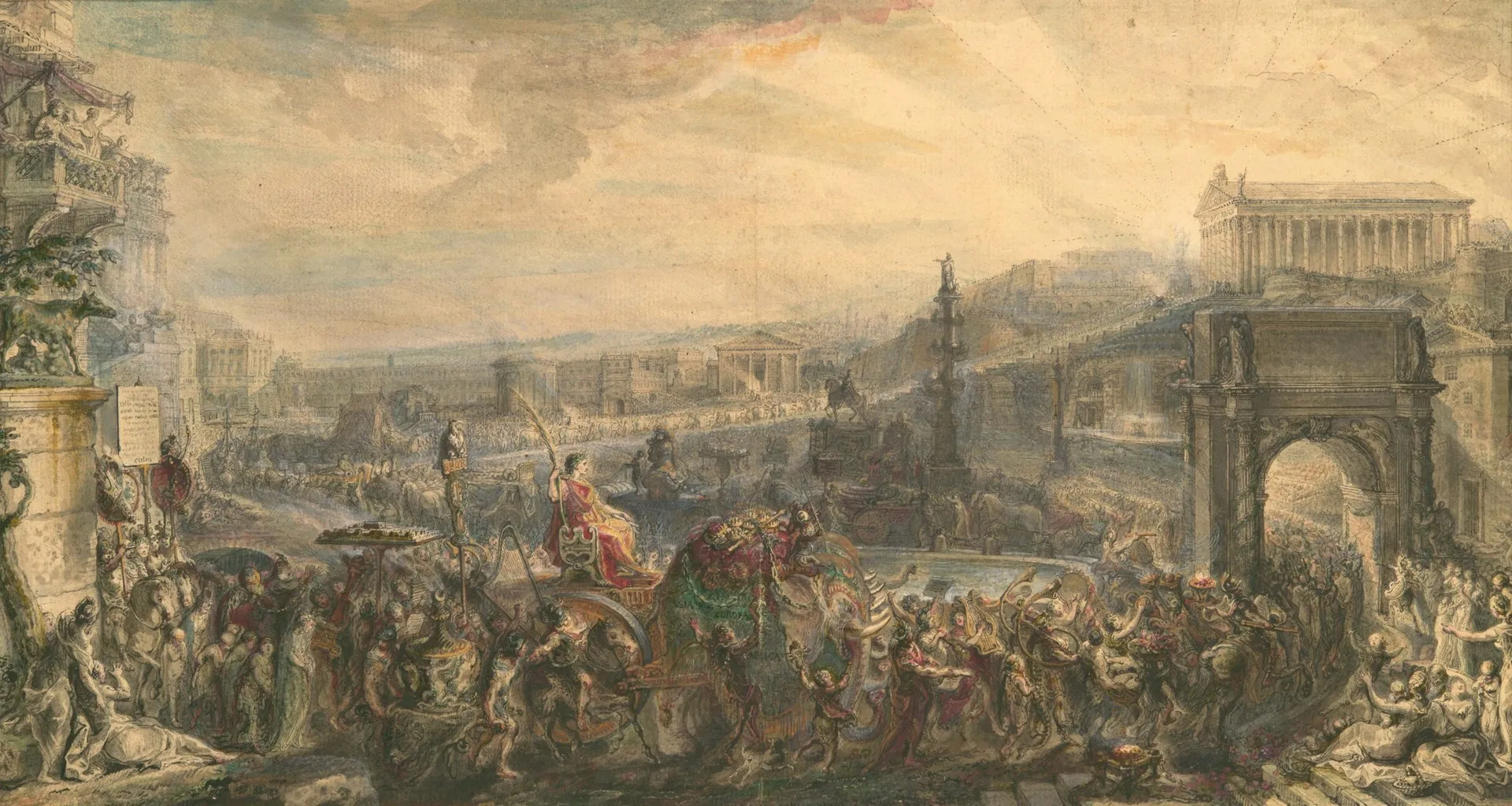
Despite Lucullus's brilliant victories, his soldiers, exhausted by years of campaigning and harsh discipline, mutinied and refused to advance further. Taking advantage of this, Mithridates returned to Pontus and reclaimed his kingdom. In 66 BC, Rome replaced Lucullus with Pompey the Great - Distinguished Roman general and statesman, member of the First Triumvirate, and Caesar's main rival in the Civil War.. Pompey, commanding overwhelming forces, finally drove Mithridates to flight. Betrayed by his son Pharnaces and cornered in the Crimea - , the old king took his own life in 63 BC, ending the wars and cementing Roman dominance in the East.