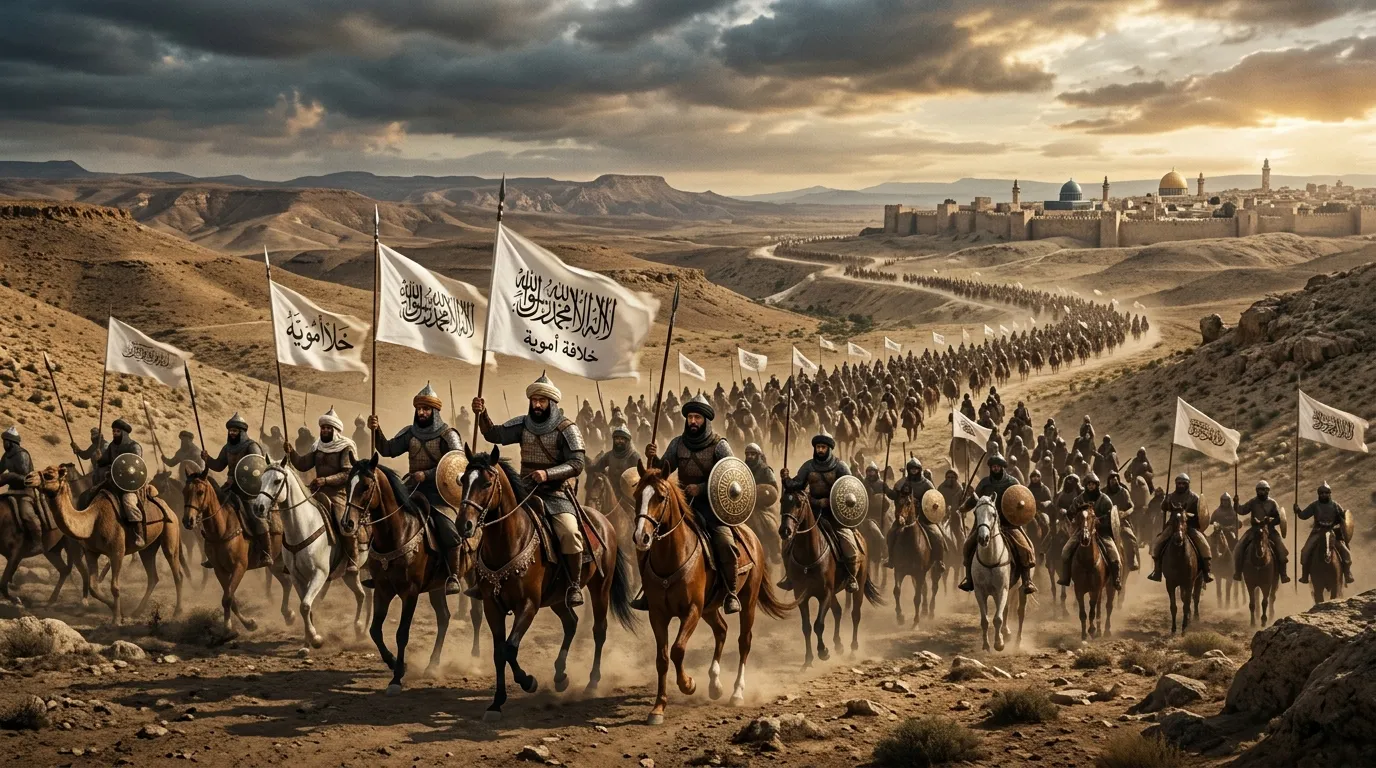
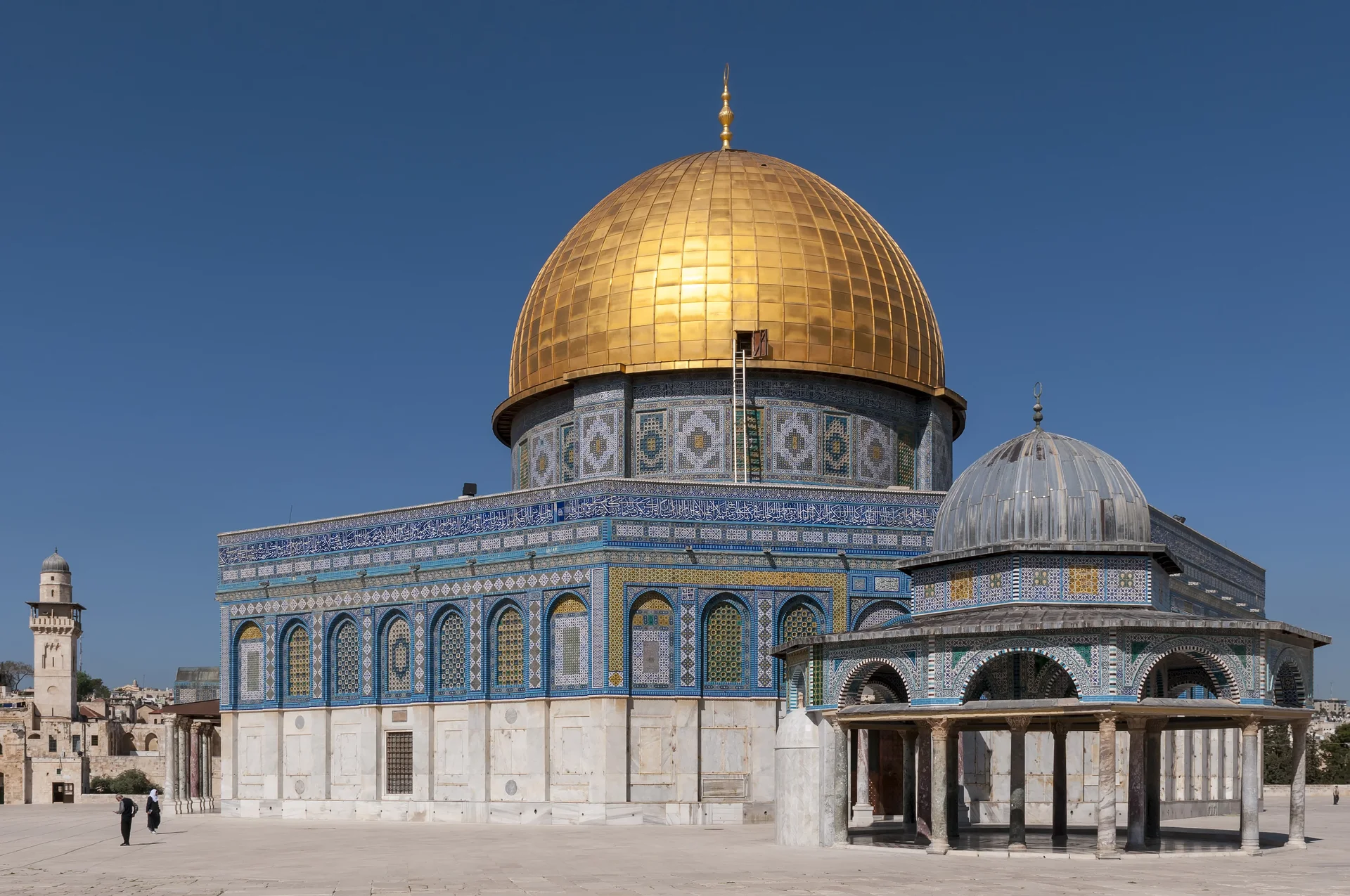
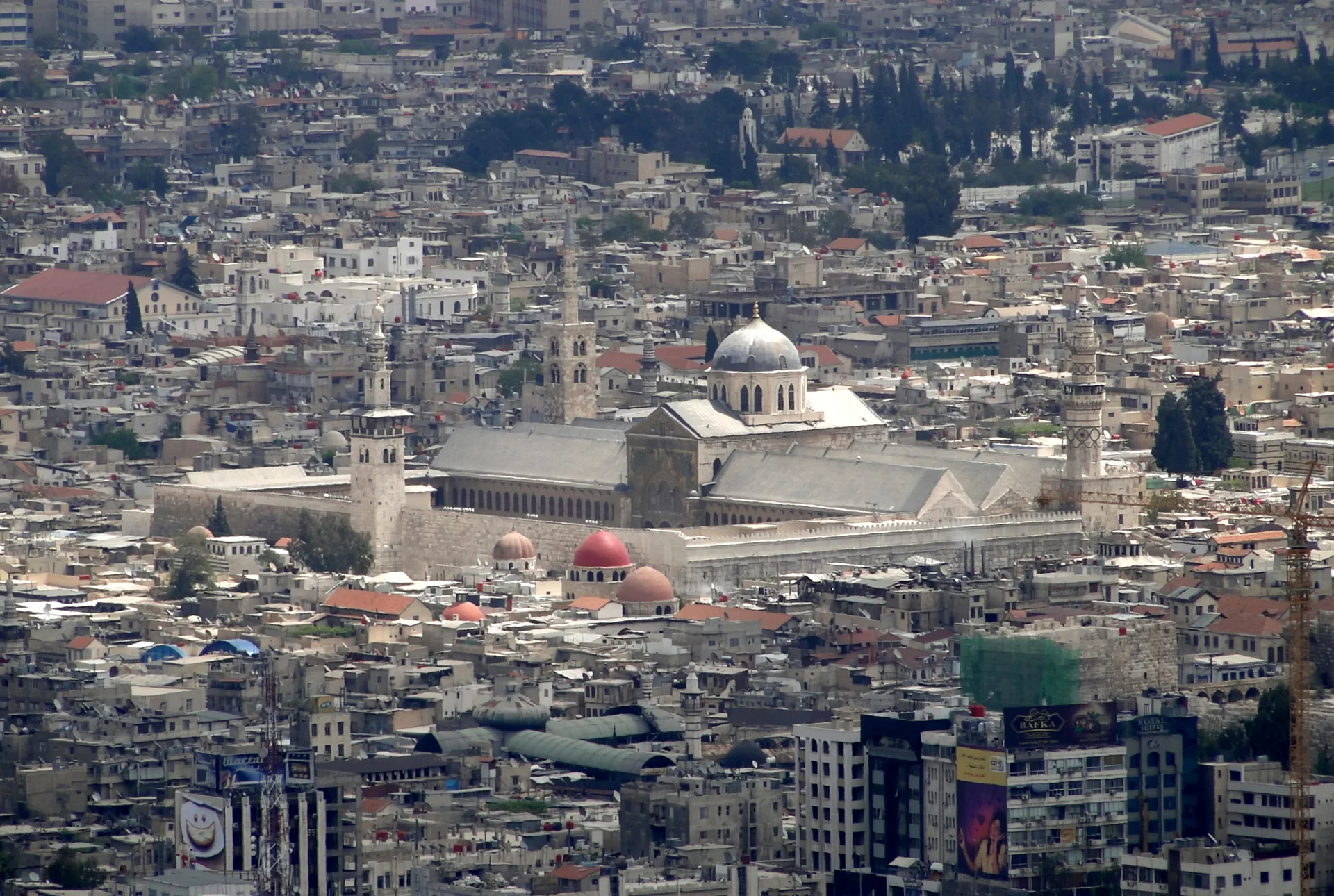
After the end of the First Fitna in 661, Muawiyah I - Muawiyah ibn Abi Sufyan was a masterful politician and administrator who served as the governor of Syria for 20 years. established the Umayyad dynasty - The second major Islamic caliphate after the First Fitna. Capital: Damascus (661-744), then Harran (744-750). It expanded from Spain to India. with Damascus as its capital. This marked the beginning of a century-long period of organized external expansion that transformed the Islamic state into a world empire.
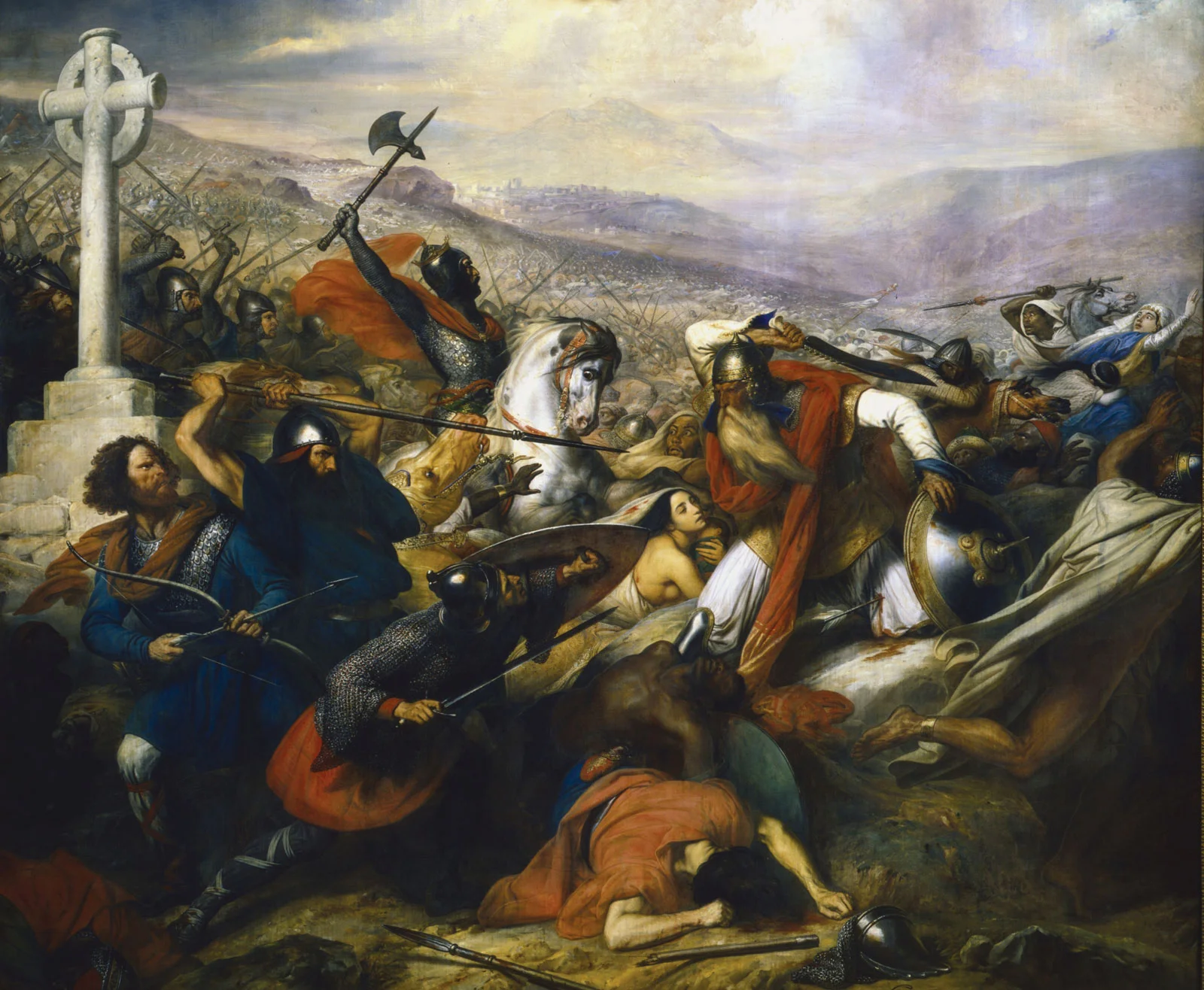
In North Africa, Uqba ibn Nafi - General and governor who led early Maghreb campaigns and founded Kairouan as a lasting base. pushed westward and established the city of Kairouan - A city in modern Tunisia founded in 670 by Uqba ibn Nafi as a strategic base for the Islamic conquest of the Maghreb. in 670, which became a base for further conquests. By 711, the commander Tariq ibn Ziyad - Tariq ibn Ziyad was a loyal lieutenant of Musa ibn Nusayr, the governor of North Africa. crossed the strait to Hispania. After defeating the Visigoths - A Germanic kingdom that emerged from the Visigothic migrations, centered first in southern Gaul and later in Hispania with its capital at Toledo. at the Battle of Guadalete , most of the Iberian Peninsula - The Roman and Greek name for the Iberian Peninsula, which includes modern-day Spain and Portugal. During the Umayyad conquests, it was largely ruled by the Visigoths until the Muslim forces crossed the strait in 711, rapidly conquering the region and transforming it into Al-Andalus. came under Muslim rule, known as Al-Andalus - The historical name for the parts of the Iberian Peninsula (modern Spain and Portugal) under Muslim rule between 711 and 1492. It was a major center of cultural and scientific exchange in medieval Europe..
To the east, the empire expanded across the Central Asian regions of Transoxiana. General Qutayba ibn Muslim - Qutayba ibn Muslim served as the governor of Khorasan and was assigned the mission to expand Islamic rule eastward into Central Asia. captured the legendary Silk Road cities of Bukhara - A historic city in modern-day Uzbekistan that long served as a center of trade, scholarship, and culture on the Silk Road. It was added to the Umayyad Caliphate in 709 during the conquests of Qutayba ibn Muslim. and Samarkand - One of the oldest continuously inhabited cities in Central Asia and a vital hub on the Silk Road. It was captured by Qutayba ibn Muslim in 712 and became a major center for Islamic learning and commerce., reaching all the way to the Ferghana Valley - A fertile valley in Central Asia spread across modern Uzbekistan, Kyrgyzstan, and Tajikistan. Historically, it was a vital hub on the Silk Road and the farthest point of Alexander the Great's conquests in the east. In the 8th century, it was conquered by the Umayyad general Qutayba ibn Muslim, marking the eastern limit of the caliphate's expansion.. Meanwhile, the young general Muhammad ibn Qasim - Muhammad ibn Qasim was born in Taif and was a nephew of the powerful Umayyad governor Al-Hajjaj ibn Yusuf. led an expedition to Sindh - A historical region in South Asia, centered on the lower Indus River. It was the first region in the Indian subcontinent to come under Islamic rule following the campaigns of Muhammad ibn Qasim in 711., establishing the first permanent Islamic administration in South Asia.
Despite these successes, the Umayyads faced strong resistance from the Byzantine Empire - The medieval continuation of the Roman Empire in the East, centered on Constantinople. For over a millennium, it served as a bastion of Christianity and Roman law, preserving ancient knowledge until its fall in 1453.. They launched two massive sieges of Constantinople - Formerly the Greek city of Byzantium, it was rebuilt as 'New Rome' by Emperor Constantine I in 330 AD. Located on the Bosporus, it served as a bridge between Europe and Asia and was the wealthiest and largest city in Europe for centuries. Its strategic location and massive Theodosian Walls made it nearly impregnable until its fall to the Ottomans in 1453. (674–678 and 717–718). Both failed due to the city's impenetrable walls, Greek Fire - A devastating incendiary weapon used by the Byzantine Empire, especially in naval warfare. Its exact composition was a closely guarded state secret, but it was renowned for its ability to burn even on water. Greek Fire played a decisive role in repelling the Umayyad sieges of Constantinople, effectively saving the Byzantine Empire and checking Islamic naval expansion in the Mediterranean., and strategic defenses, which effectively halted Umayyad expansion into Eastern Europe.
By the 740s, internal exhaustion and rebellions began to weaken the dynasty. The Battle of Talas in 751 marked the final major expansion before the Umayyad dynasty was overthrown by the Abbasid Revolution - A transformative political and military movement (747–750 CE) that ended the Umayyad dynasty and saw the Abbasid Caliphate officially replace the Umayyad Caliphate as the leaders of the Islamic world. It was driven by widespread anger over Umayyad favoritism toward Arab elites and discrimination against Mawali (non-Arab Muslims). The revolution began in Khorasan under General Abu Muslim, and its success led to the shift of the empire's capital from Damascus to the newly built Baghdad in Iraq, ushering in the multicultural Islamic Golden Age., leaving behind a vast empire that integrated cultures across three continents.