The campaigns began successfully under Nero Claudius Drusus (12–9 BC), who pushed deep into Germanic territory, reaching the Elbe river - The Elbe (Latin: Albis) was the strategic goal of Emperor Augustus, who aimed to move the Roman border from the Rhine to the Elbe to shorten the defensive line. Roman naval and land forces reached the river in 5 AD, but the subsequent defeat at Teutoburg Forest led Rome to withdraw back to the Rhine.. Following Drusus's sudden death in 9 BC after a fall from his horse, his brother Tiberius—the future emperor—continued the pacification. By 6 AD, Germania - Germania Magna, the area east of the Rhine and north of the Danube, remained largely outside Roman control despite several attempts at conquest. It was known for its dense forests, swamps, and fierce warriors who eventually played a key role in the fall of the Western Roman Empire. seemed poised to become a Roman province.
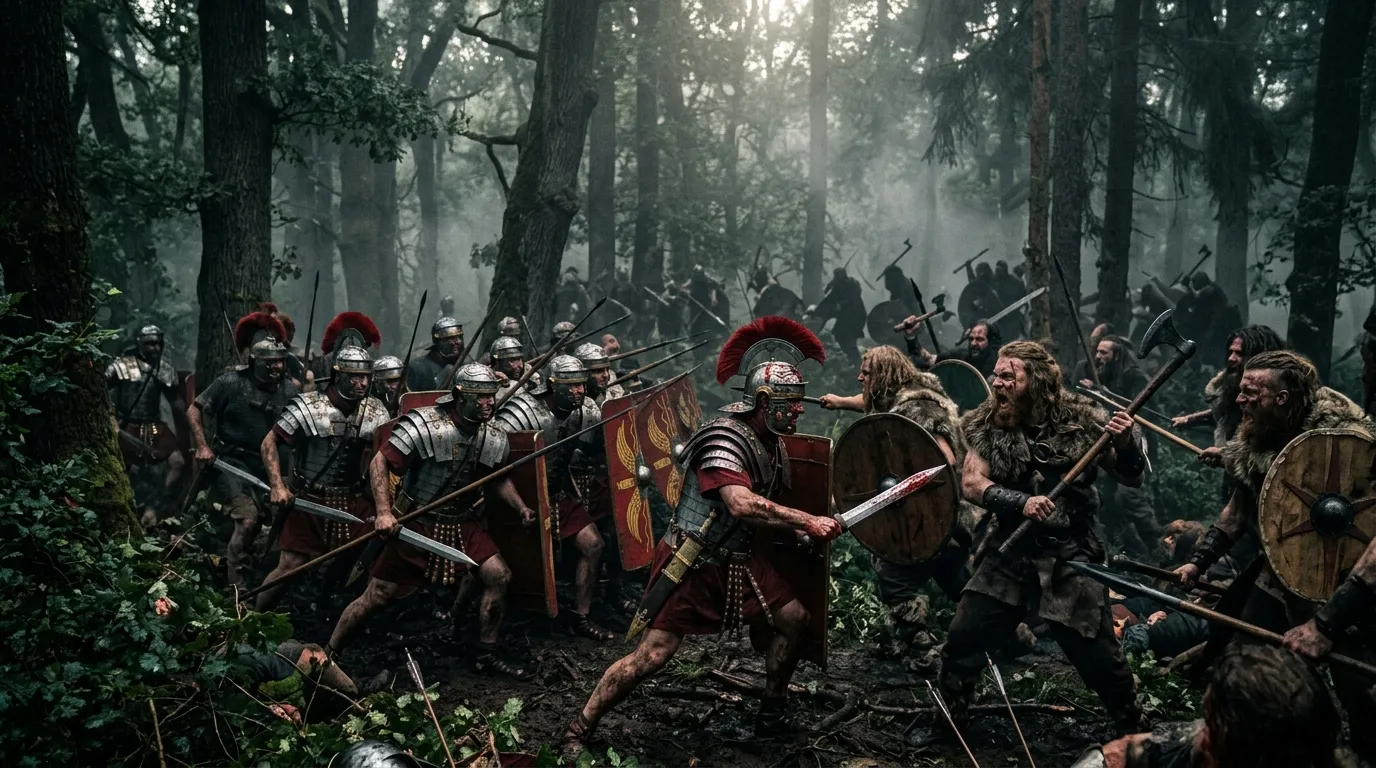
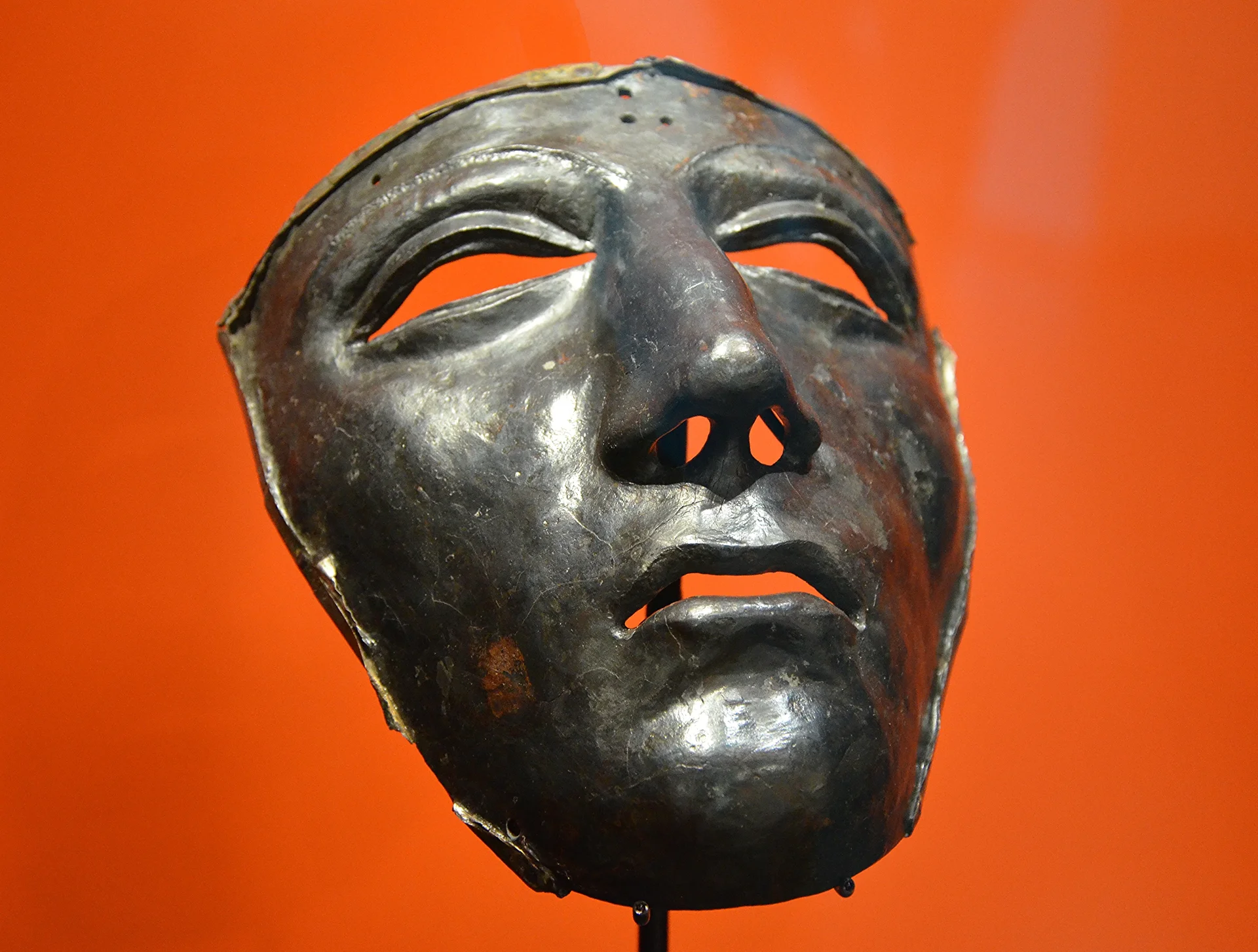
However, in 9 AD, disaster struck. Publius Quinctilius Varus - Varus was appointed governor of Germania with the task of consolidating Roman rule. However, his rigid administration and trust in Arminius led to a catastrophic ambush. Upon realizing the battle was lost, he committed suicide to avoid capture. His defeat was a major blow to Augustus and ended Roman ambitions to conquer Germania Magna., the governor of Germania, was betrayed by Arminius - Arminius was a Roman citizen and a member of the Roman auxiliary cavalry before betraying Rome to lead a coalition of Germanic tribes. His victory at Teutoburg Forest preserved the Germanic language and culture from Romanization. Although later defeated by Germanicus, he is celebrated as a national hero in Germany (where he is known as Hermann)., a Roman-educated chieftain of the Cherusci - A powerful Germanic tribe that inhabited the northern Rhine valley and the Northwestern German Forests, between the Weser River and Elbe. They are best known for their leader Arminius, who annihilated three Roman legions at the Battle of the Teutoburg Forest.. Arminius led three Roman legion - The Roman legion was the largest military unit of the Roman army. A legion was roughly of brigade size, composed of 4,200 infantry and 300 cavalry in the republican period, later expanded to 5,200 infantry in the imperial period. It was known for its flexibility and discipline, which allowed it to fight on varied terrain, utilizing specialized Legionary Equipment in contrast to the more rigid phalanx.s into an ambush in the Teutoburg Forest - The site of the Battle of the Teutoburg Forest (Varusschlacht), where the alliance of Germanic tribes led by Arminius ambushed the Roman legions commanded by Publius Quinctilius Varus. This event halted the Roman expansion into Germania and is considered one of the most important turning points in world history., annihilating them completely. It was one of the worst defeats in Roman history, allegedly causing Augustus to bang his head against a wall, crying, 'Varus, give me back my legions!'
Rome - The Roman Republic (509 BC – 27 BC) was the era of ancient Roman civilization characterized by a republican form of government. It began with the overthrow of the Roman monarchy and lasted for over 450 years until its subversion through a series of civil wars, leading to the Roman Empire. retaliated with punitive campaigns led by Germanicus - Germanicus was beloved by the Roman people and military. He led large-scale invasions into Germania between 14 and 16 AD, recovering two of the three lost eagles from Varus's legions. Despite his tactical victories and the defeat of Arminius, he was recalled by Tiberius who favored a defensive frontier along the Rhine. He died young under mysterious circumstances in Syria. (14–16 AD), defeating Arminius at Idistaviso and recovering the lost legionary eagles. However, after the death of Augustus in 14 AD, his successor Tiberius adopted a more cautious foreign policy. Despite Germanicus's victories, Emperor Tiberius decided that conquering Germania was too costly and dangerous. He recalled Germanicus and established the Rhine as the permanent boundary of the empire.