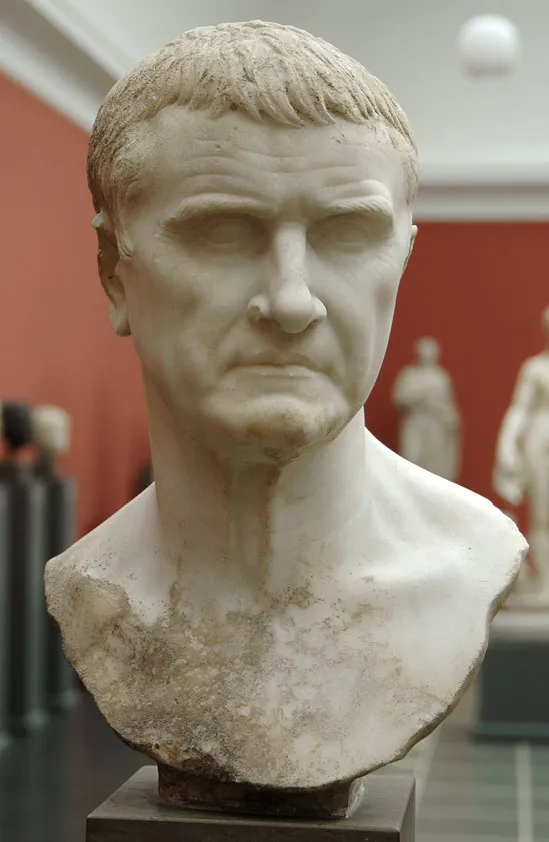
By 54 BC, the First Triumvirate controlling Rome was fragile. While Caesar was conquering Gaul and Pompey had already won fame in the East, Marcus Licinius Crassus, the wealthiest man in Rome, lacked a comparable military victory. Driven by a desire for glory and immense plunder, Crassus looked to the rich Parthian Empire in the east. Despite warnings and bad omens, he led a massive army of over 40,000 men across the Euphrates River, violating existing treaties.
The Parthian King Orodes II sent his brilliant general, Surena, to face the invaders. Crassus, expecting the Parthians to flee or fight a traditional infantry battle, marched his legions directly into the flat desert plains of Mesopotamia. This was a fatal mistake. The open terrain was perfect for the Parthian cavalry, and Surena had prepared a trap.
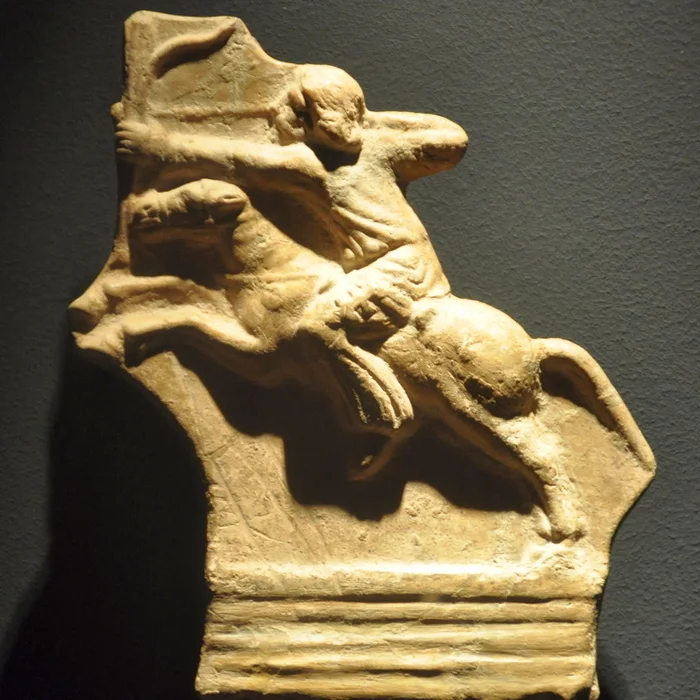
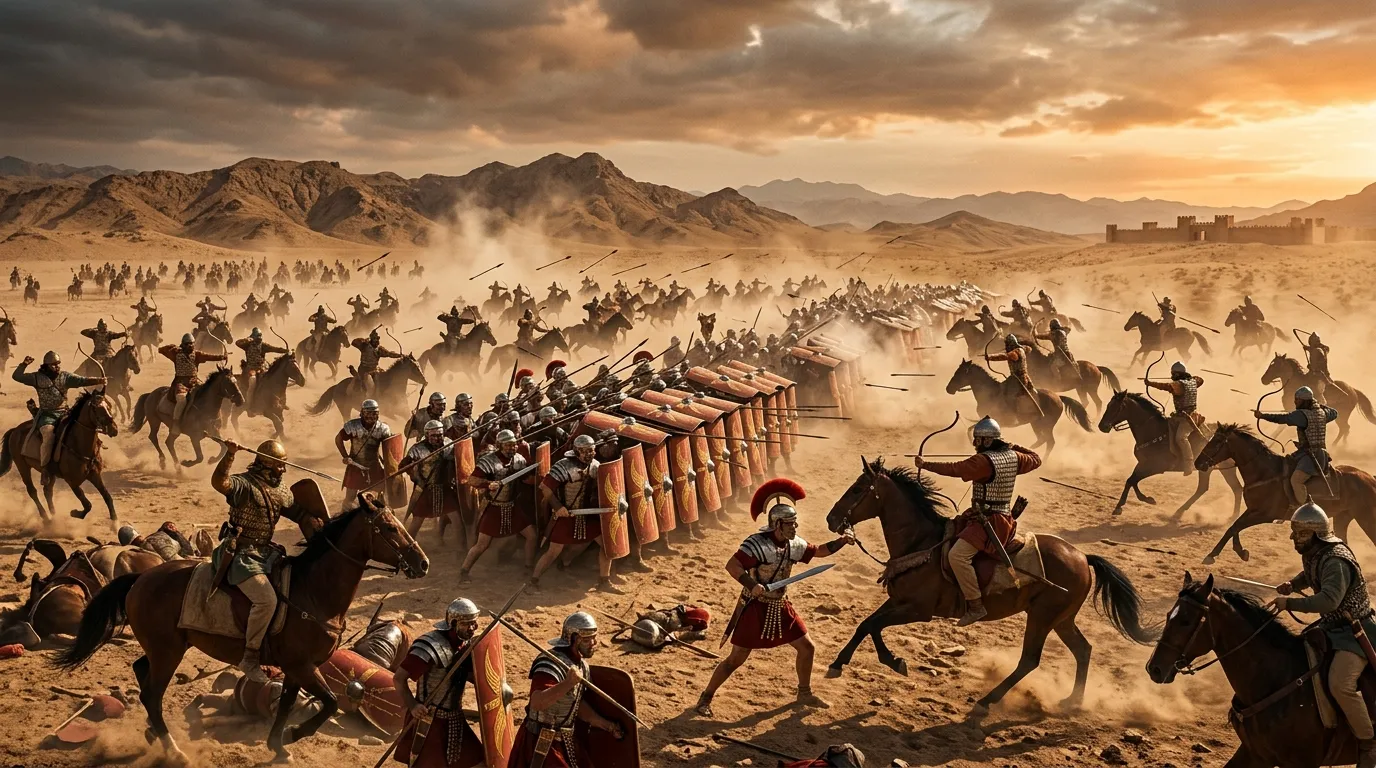
At the Battle of Carrhae in 53 BC, the Roman legions faced a nightmare. They were surrounded by Parthian horse archers who showered them with arrows from a safe distance. Whenever the Romans attempted to charge, the archers would retreat while shooting backward—a tactic known as the 'Parthian Shot'. Meanwhile, heavily armored Parthian cataphracts waited to charge any disorganized formations. The Roman testudo (tortoise) formation offered some protection but made them immobile targets.
The defeat was absolute. Crassus's son was killed leading a desperate counterattack, and Crassus himself was killed during a parley that turned into a skirmish. According to legend, molten gold was poured down his throat to mock his greed. Rome lost 20,000 men, and another 10,000 were captured. The humiliating loss of the Legionary Eagles (Aquilae) was a stain on Roman honor that would last for decades.
The war dragged on with sporadic raids, and later, Mark Antony launched a massive campaign to avenge Crassus in 36 BC. However, he too suffered from the harsh terrain and Parthian mobile tactics, barely escaping with his life. The Euphrates remained the boundary between the two powers, and the rivalry established here would define Roman-Eastern relations for centuries.