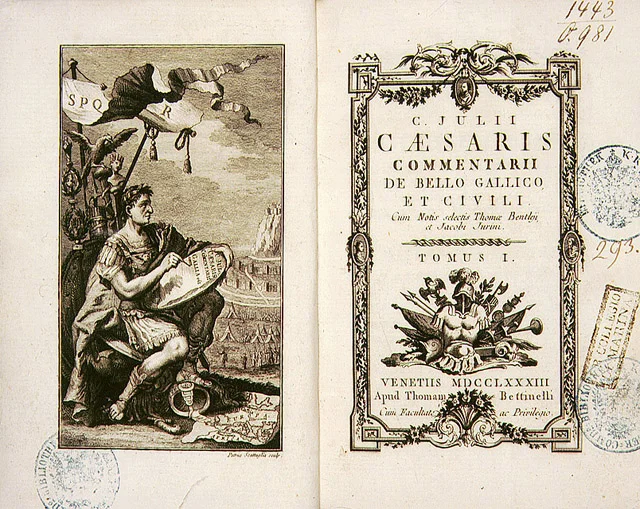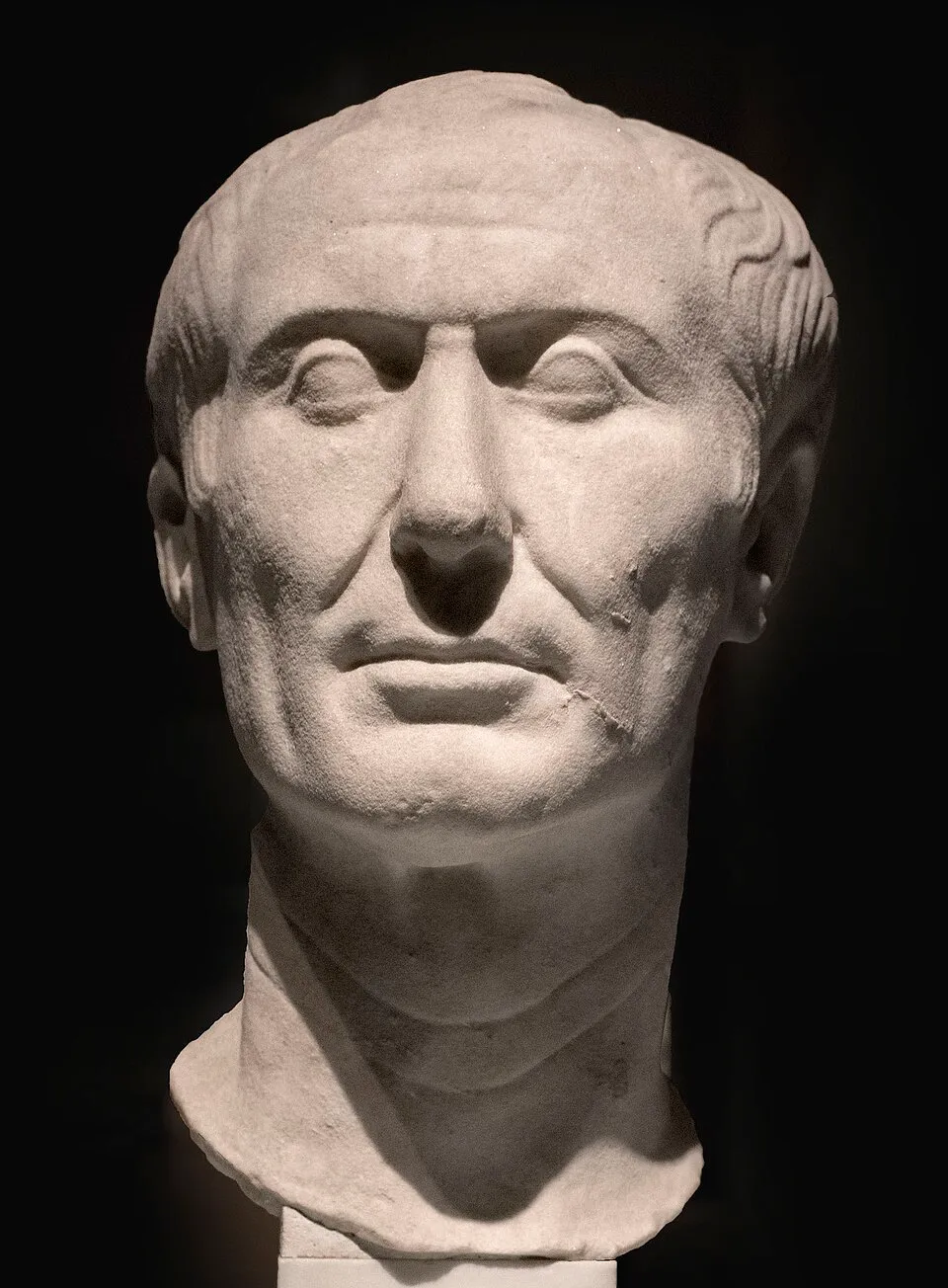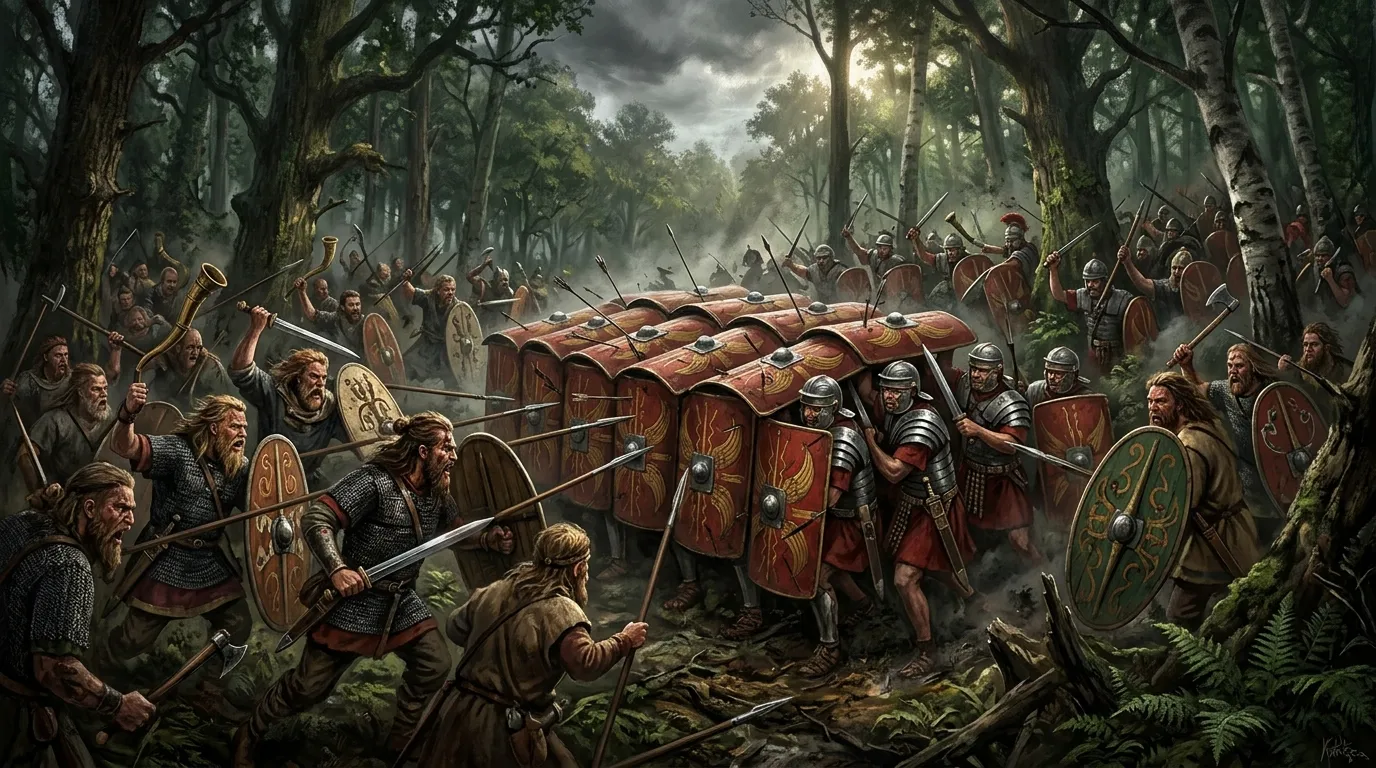
For Julius Caesar, who needed a major victory to solidify his political standing, the wild lands of Gaul were a golden opportunity. The fire was lit when the Helvetii tribe attempted a massive migration across the continent. Caesar jumped at the chance to intervene, crushing them at the Battle of Bibracte .
He didn't stop there; he pushed further north and east, even repelling the terrifying Germanic Suebi tribe at the Battle of Vosges . For years, Caesar marched his legions through forests and marshes, systematically bringing the fierce Gallic tribes under Roman shadow, while sending back home tales of his heroic conquests that made him a superstar in Rome.
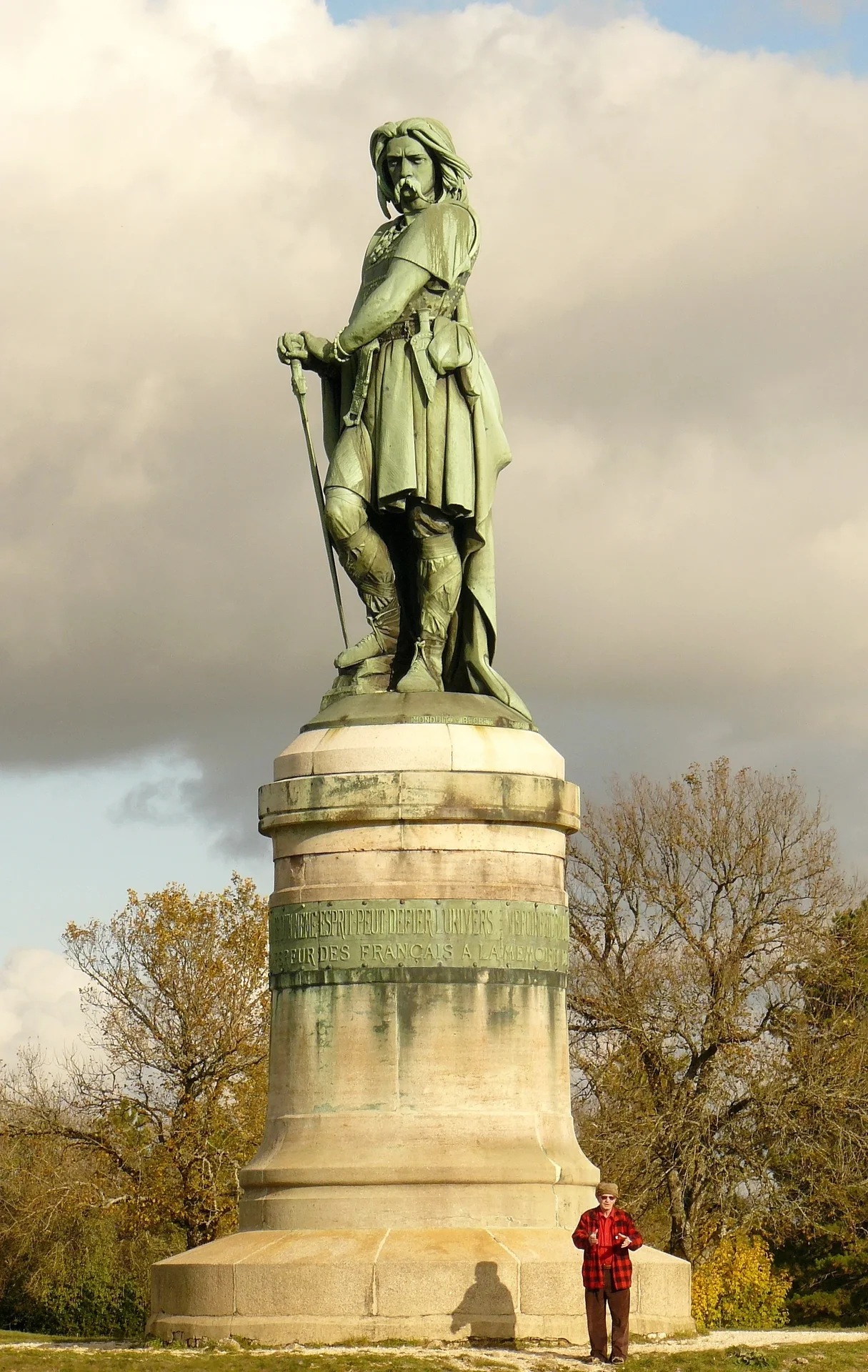
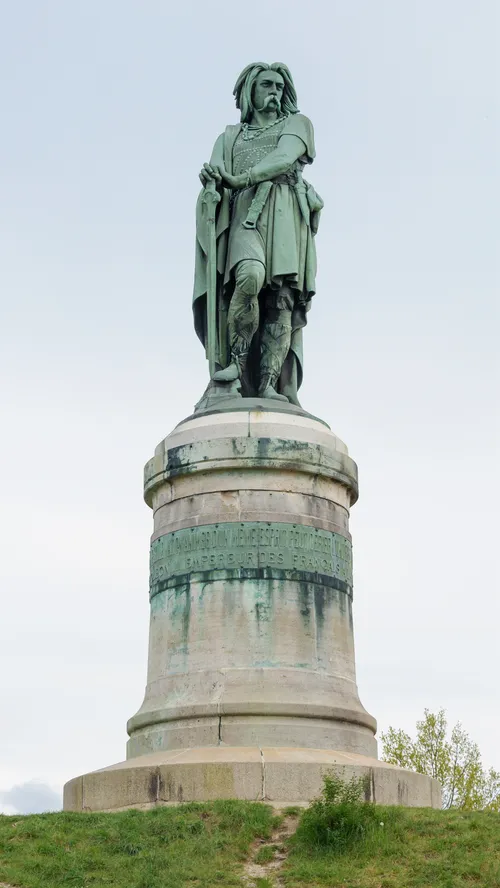
But Gaul would not stay silent. A young and charismatic chieftain of the Arverni named Vercingetorix did the impossible: he united the fractious Gallic tribes into one mighty fist to punch back at Rome. Vercingetorix knew he couldn't beat the Roman legions in a fair fight, so he used a clever and brutal 'scorched-earth' strategy, burning his own villages and food supplies to leave the Romans starving in a wasteland. His cunning paid off when he lured Caesar into a trap at the Siege of Gergovia , handing the great Roman general a rare and humiliating defeat. For a moment, it seemed like the Gallic spirit might actually break the Roman chains.
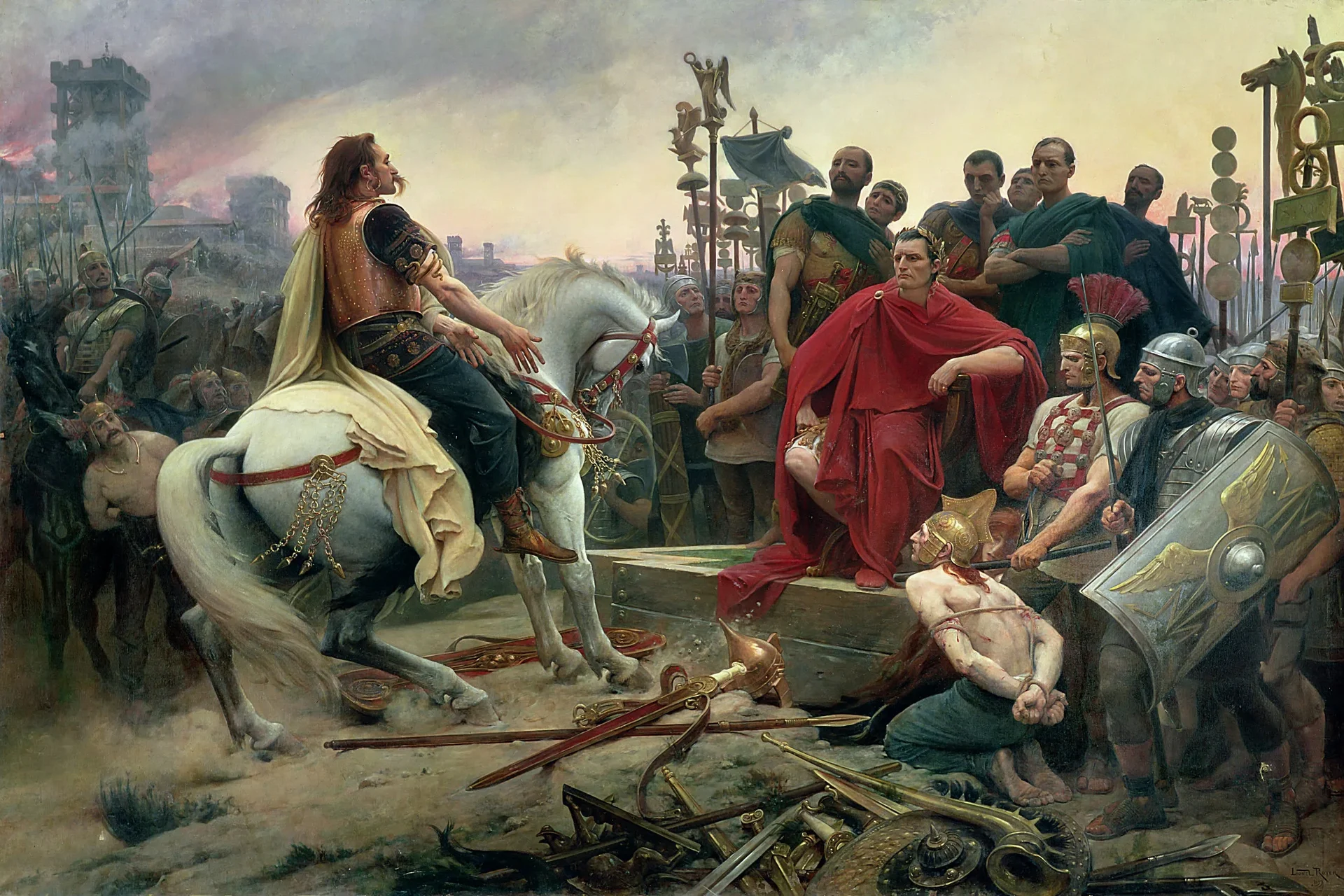
The war reached its epic and tragic finale at the Siege of Alesia . Caesar cornered Vercingetorix in a hilltop fort, but he knew a massive Gallic relief army was coming to crush him from behind. In a move of sheer tactical genius—and desperation—Caesar built two massive lines of walls: one to keep Vercingetorix in, and another to keep the relief army out. Trapped between two wooden rings of death, the Gauls fought with everything they had, but the Roman lines held firm. Seeing his people starving and broken, Vercingetorix made the ultimate sacrifice; he rode out alone in his finest armor and surrendered to Caesar to save his tribesmen. This moment marked the end of independent Gaul and paved Caesar’s road to becoming the master of Rome.