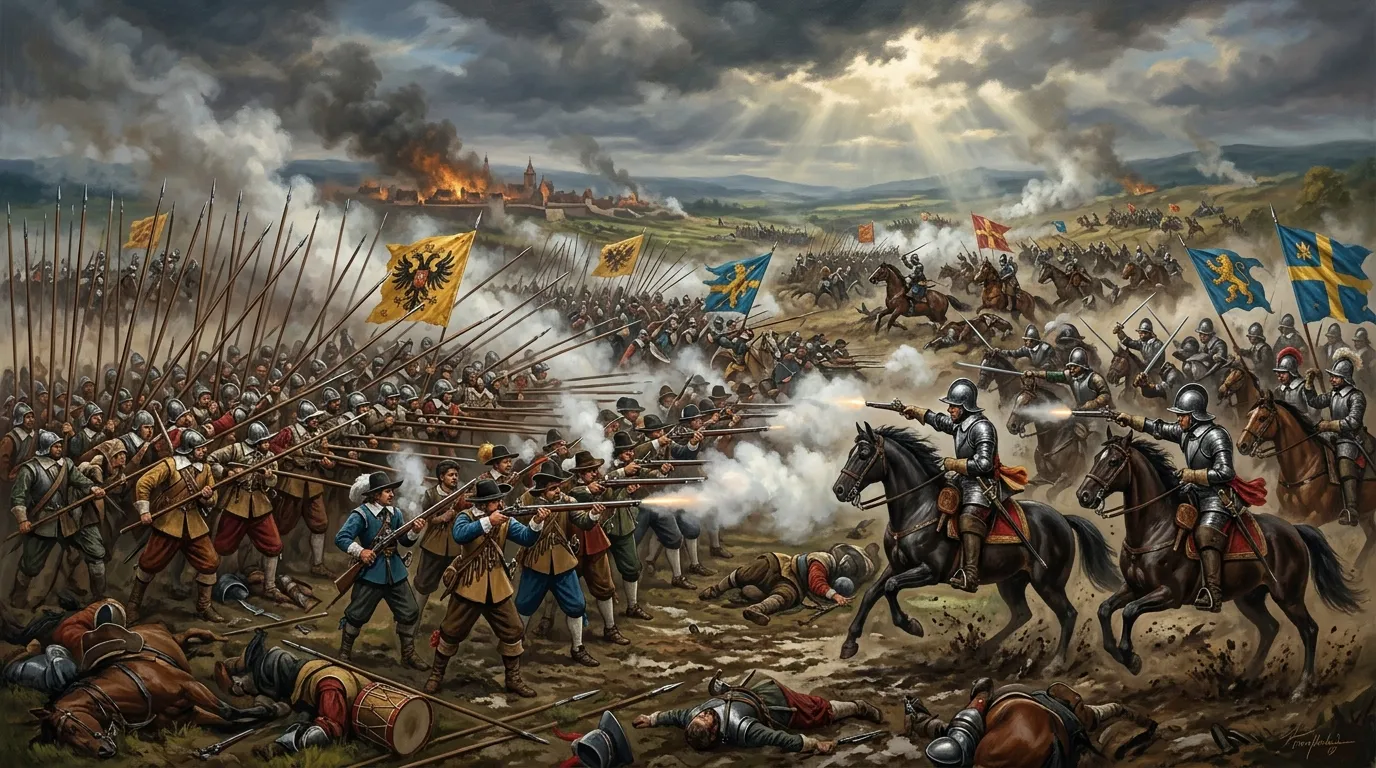
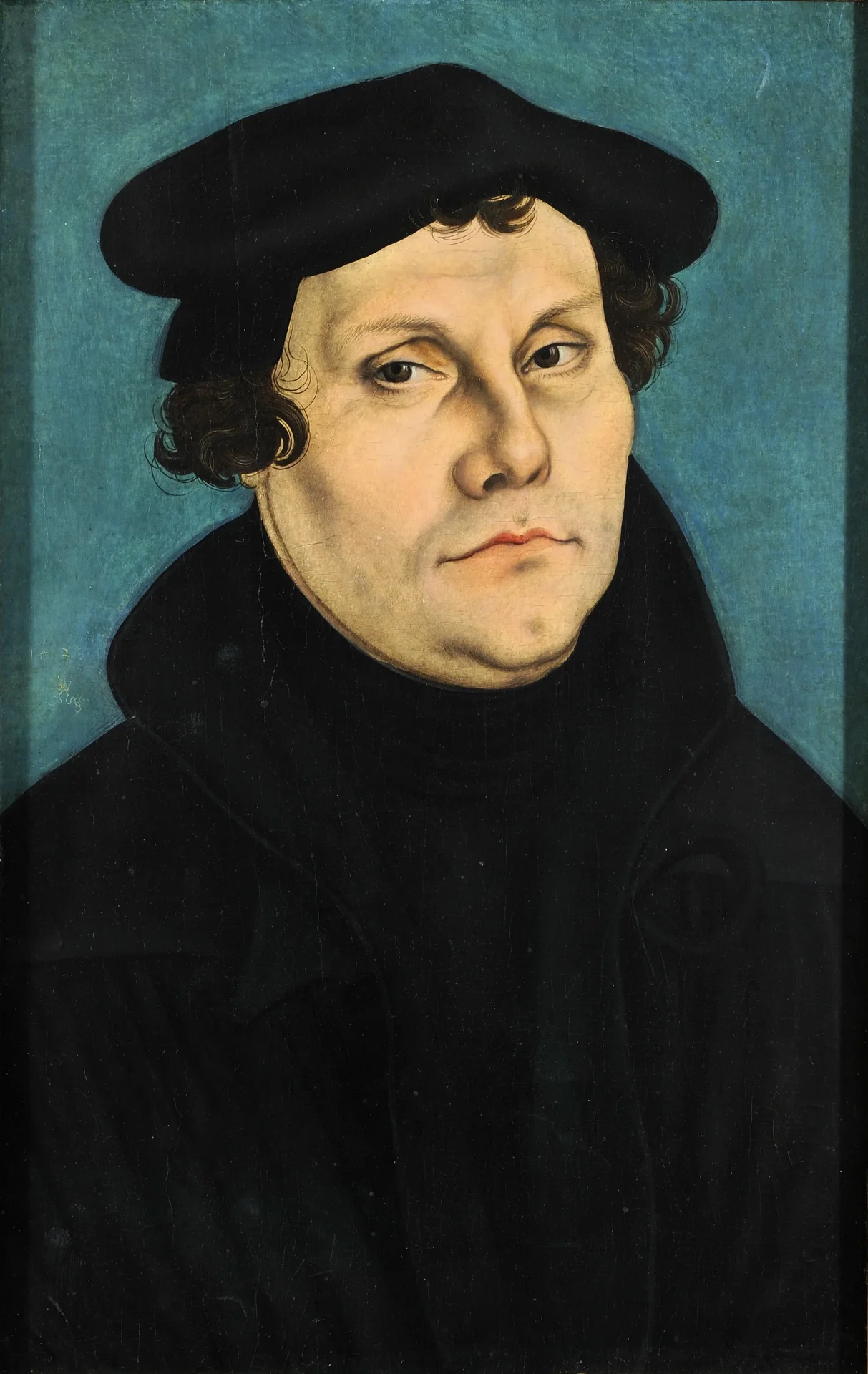
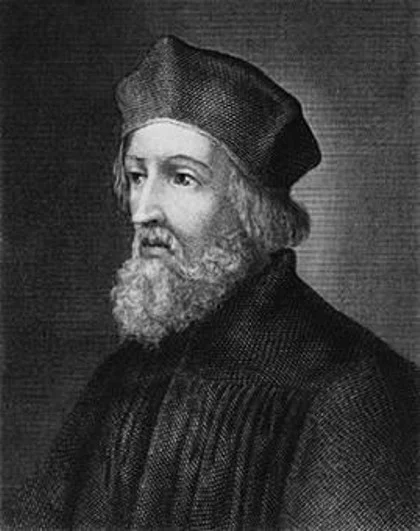
The Thirty Years' War did not break out overnight; it grew from deep religious divisions set in motion by Jan Hus - A Bohemian reformer who preached in the common language, criticized church corruption, and advocated sharing communion wine with all believers. He was burned at the stake for refusing to recant, becoming a major forerunner of the Reformation. in the 15th century and Martin Luther - The theologian who opened the Reformation in 1517 by challenging the failings of the Church point by point; the split between Catholic and Protestant that began with him lay beneath the Thirty Years' War a century later. in the 16th century. The Peace of Augsburg - A religious peace settlement agreed in 1555 in the imperial city of Augsburg. After the Reformation, Catholics and Lutherans (one branch of Protestantism) had quarrelled inside the Holy Roman Empire for almost forty years, so the emperor and the princes agreed on a rule: each ruler decides the religion of his own territory. In Latin it is summed up as 'whose realm, his religion'. The agreement kept the empire free of large religious wars for more than half a century. But it left big gaps. Only Lutherans were recognised, not the Calvinists who later spread widely; ordinary people had no right to choose their own faith; and it stayed vague about what happened to church lands when a churchman turned Protestant. Over time those gaps turned into quarrels, and they became the kindling for the Thirty Years' War that broke out in 1618. The Peace of Westphalia, which ended that war, confirmed the Augsburg settlement again and closed one gap by recognising the Calvinists too. of 1555 had temporarily quieted tensions in the Holy Roman Empire - The Holy Roman Empire was a decentralized medieval Central European empire founded in 962 AD, characterized by its elective emperors and complex relations with the Papacy. by establishing that each ruler could choose between Catholicism and Lutheranism for his territory. However, this treaty left critical flaws: it completely excluded the growing Calvinist Protestants, and failed to clearly clarify whether Catholic bishops who converted to Protestantism could keep their vast church lands and wealth. Over more than sixty years, these unresolved gaps and rising distrust among princes created a powder keg that finally exploded into war in 1618 in Bohemia - Bohemia is the region that makes up the western half of today's Czechia, a wide basin ringed by mountains. The Vltava river runs through its middle, past Prague and on into the Elbe, which made it a crossroads of trade and travel in central Europe from early times. Rich silver mines also made it one of the wealthiest lands in the Holy Roman Empire. The King of Bohemia held one of the seven electoral votes that chose the emperor, so this crown carried unusual weight in imperial politics. The throne, however, was traditionally filled by a vote of the nobles rather than passing automatically from father to son — and that tradition became the spark of the quarrel of 1618. Bohemia was also the land where Jan Hus called for church reform a century before the Reformation and was burned for it. The Hussite tradition that followed gave Protestant belief deep roots here, and when a Catholic ruler tried to undo it, the first revolt of the Thirty Years' War broke out in these lands..
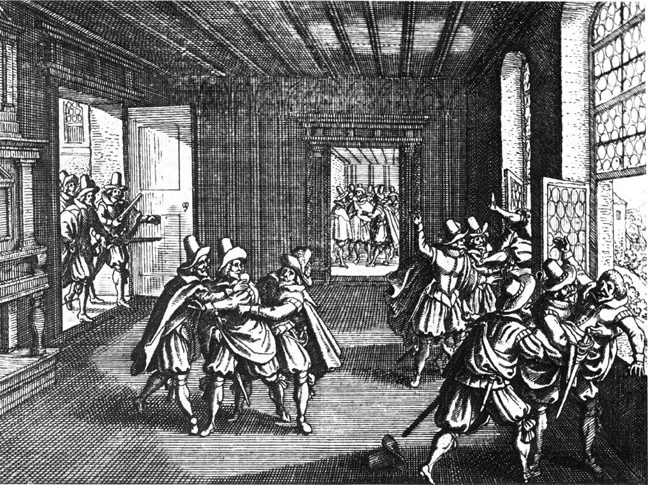
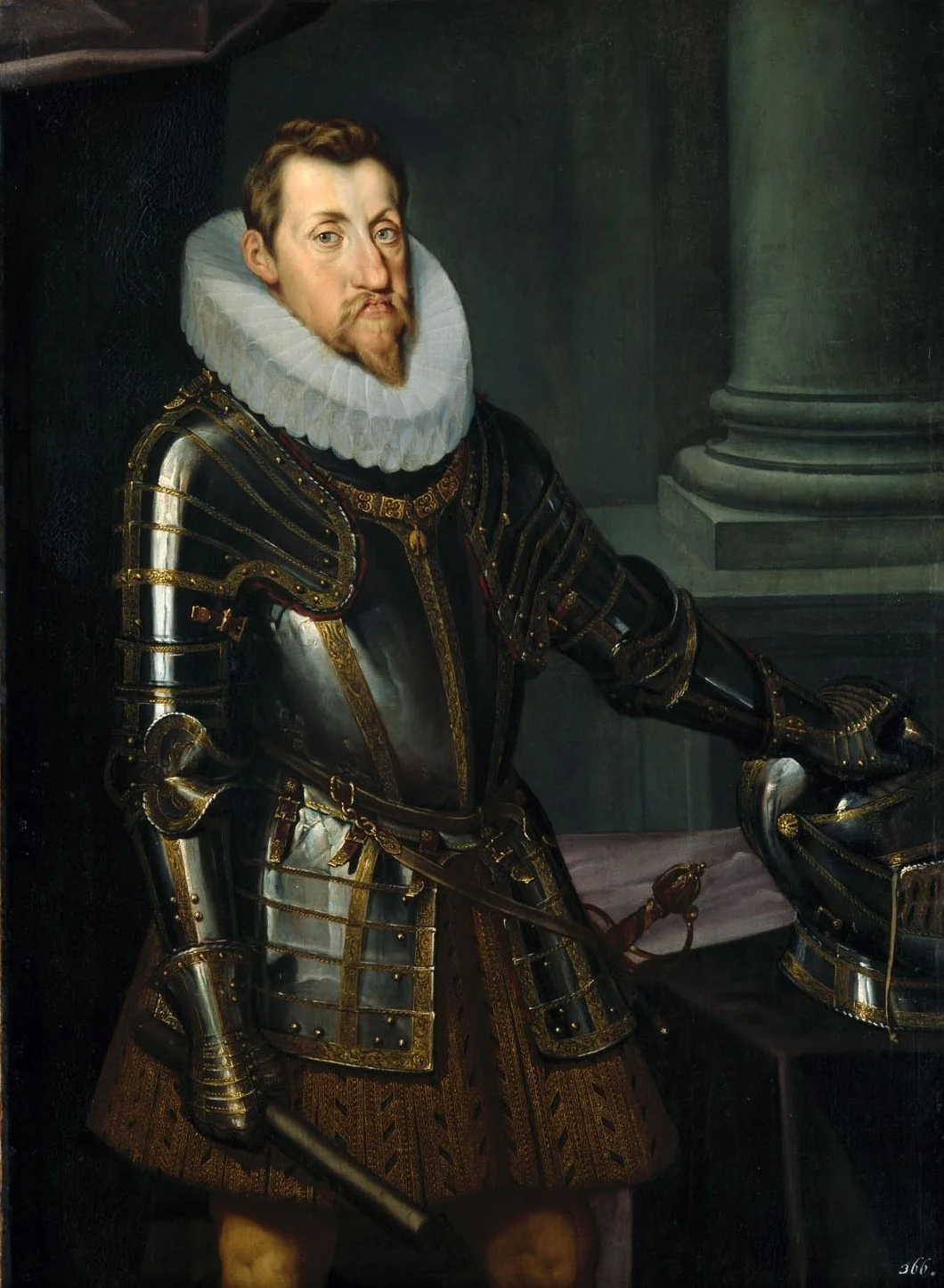
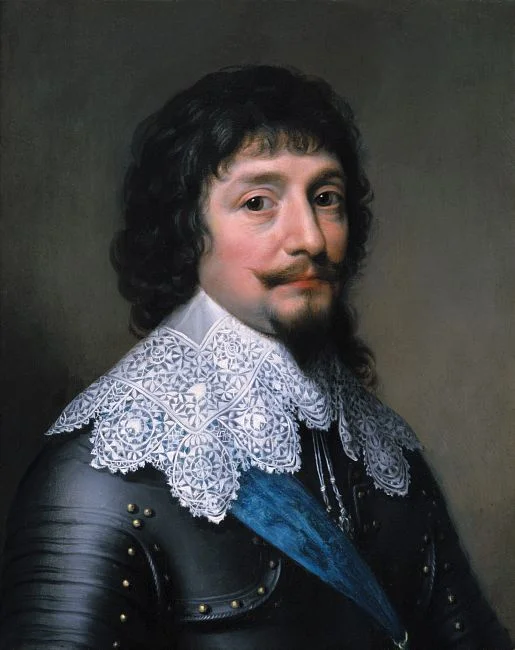
The spark came in 1618, when Protestant nobles in Bohemia threw the emperor's officials out of a window in Prague Castle, directly launching a head-on war between Protestant forces and Catholic forces. Resenting his Catholic enforcement, they deposed Ferdinand - The emperor who set out to return his empire to the Catholic faith; his uncompromising religious policy both started the Thirty Years' War and kept it going. from the Bohemian throne and made Frederick V - The young prince who accepted the crown offered by the Bohemian rebels and lost everything within a year, earning the nickname 'the Winter King'., the Elector - The name for the seven princes who had the right to choose the Holy Roman Emperor. The group was made up of the archbishops of Mainz, Cologne and Trier, together with the King of Bohemia, the Count Palatine of the Rhine, the Duke of Saxony and the Margrave of Brandenburg. Because the emperor was not simply inherited from father to son but voted in by these seven men, each elector carried enormous weight. A candidate hunting for votes had to promise them privileges and money, which is one reason the emperor's power always had limits. In the Thirty Years' War an electoral title was itself a great prize. When Frederick V of the Palatinate reached for the Bohemian crown and lost, the emperor stripped him of his electorship and handed it to the Duke of Bavaria — a move that angered the Protestant princes deeply and helped stretch the war out for decades. Palatine, their new king — but he had neither an army nor money. Elected Holy Roman Emperor the following year, Ferdinand gathered a massive army and marched into Bohemia. At the Battle of White Mountain in November 1620, the Bohemian army broke in under two hours, and Frederick fled into exile with the nickname 'the Winter King'. Bohemia lost its self-rule and its Protestant faith together.
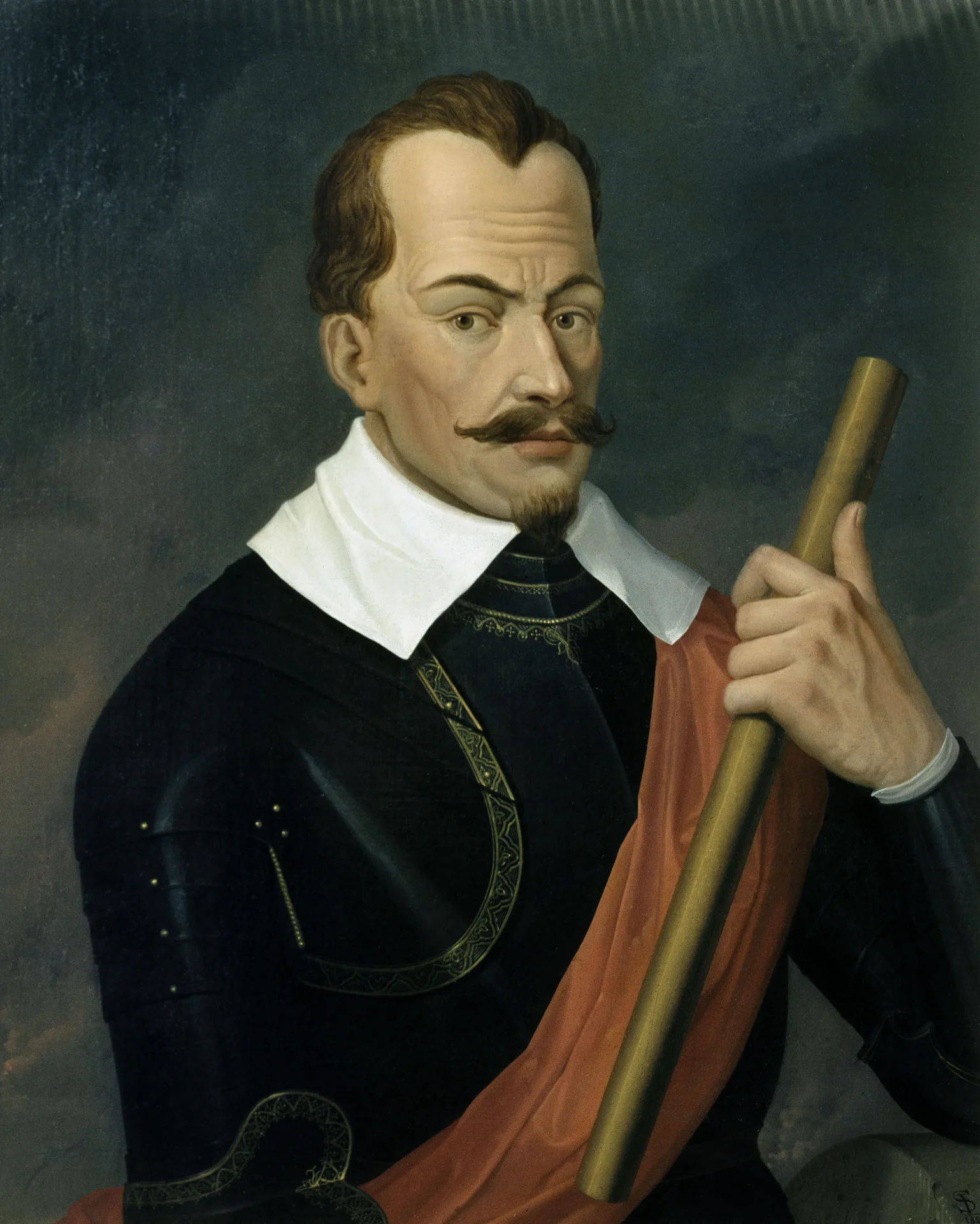
The war might have ended there, but neighbouring states joined one after another and stretched it out. Christian IV of Denmark–Norway - A realm where one king ruled both Denmark and Norway, grown wealthy by guarding the straits at the entrance to the Baltic and taxing every ship that passed. entered on the Protestant side in 1625, but was heavily beaten by Wallenstein - A businessman-general who raised an army of a hundred thousand men at his own expense and lent it to the emperor — and was destroyed by the very power he had built., the imperial commander. Wallenstein raised an army of over a hundred thousand at his own expense and maintained it by forcibly collecting food and money from every town and village his troops marched through. Riding high on this army's victories, the emperor issued the 'Edict of Restitution - An order issued in 1629 by Emperor Ferdinand II. An edict is a command given directly by the ruler. This one said that every piece of church land and every monastery taken over by Protestant princes since 1552 had to be handed back to the Catholic Church. At that moment the emperor was winning the war thanks to Wallenstein's huge army, and he wanted to settle the religious question once and for all. But the property involved included two archbishoprics, twelve bishoprics and hundreds of monasteries. The result was the opposite of what the emperor hoped. Protestant princes, facing the loss of everything they held, resisted with all their strength, and even Catholic princes grew uneasy at how strong the emperor was becoming. The edict gave Sweden a reason to enter the war, and it was effectively cancelled by the Peace of Prague in 1635.' in 1629, ordering Protestant princes to forcibly return all the vast church lands and monasteries they had acquired over the past seventy years back to their original owners, the Catholic Church (Catholic clergy).
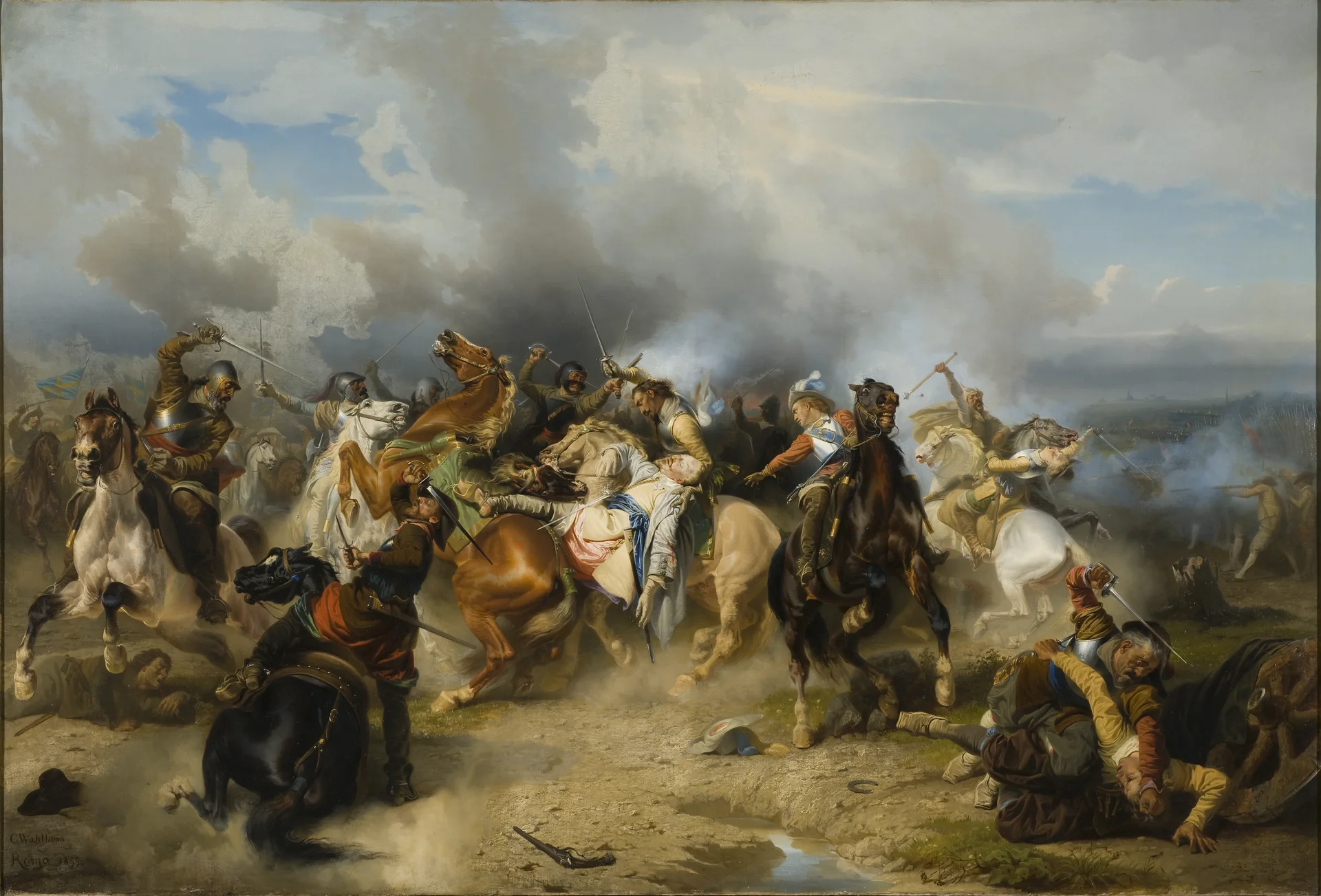
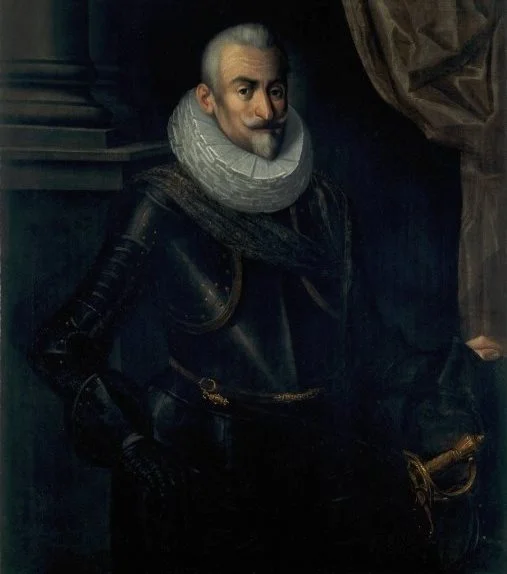
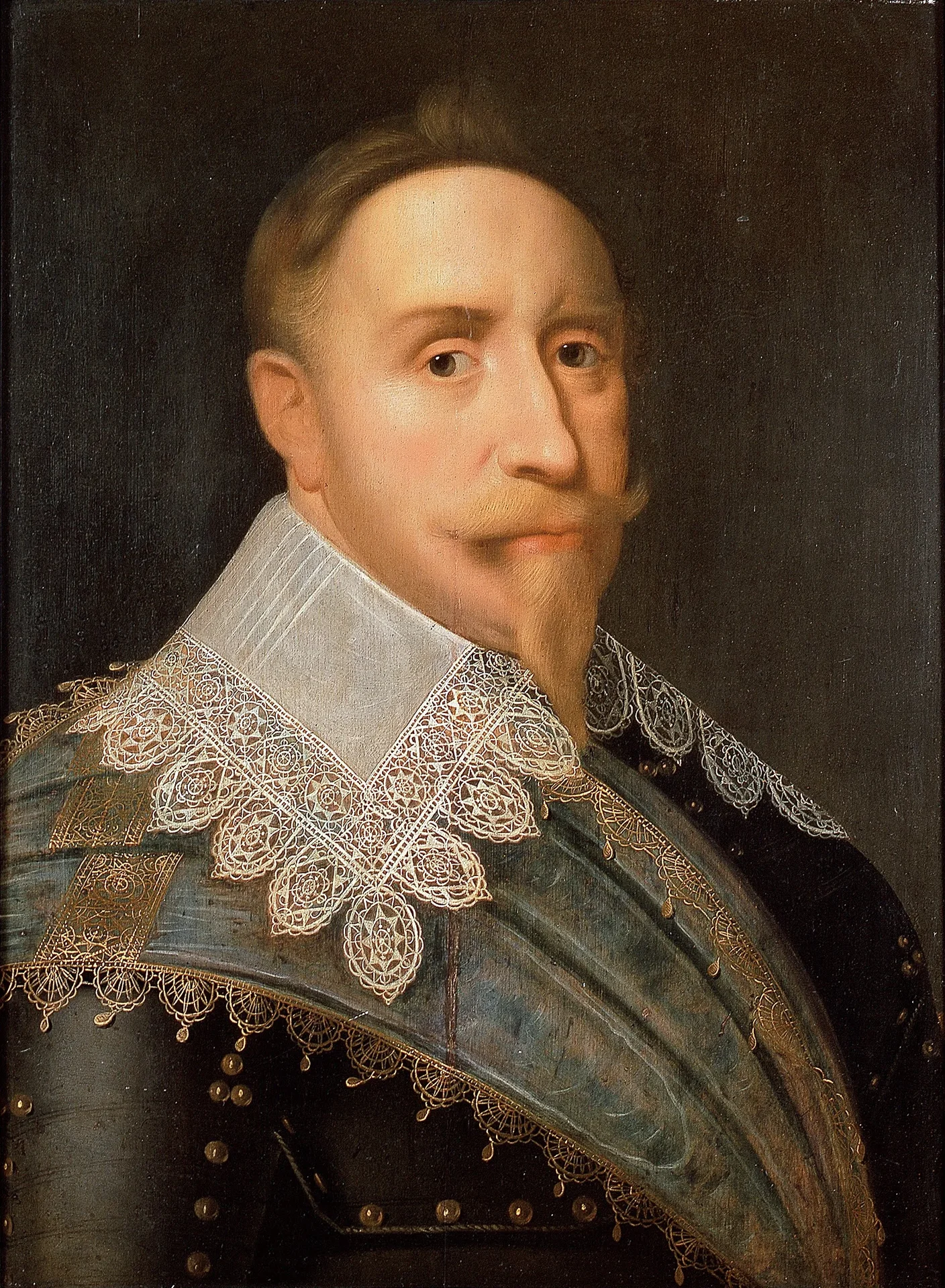
The order simply made more enemies. Protestant princes facing the loss of everything had nowhere left to retreat, and even Catholic princes, wary of an emperor grown too strong, demanded that Wallenstein be dismissed. At exactly that moment, in 1630, King Gustavus Adolphus - The Swedish king who changed how armies fought, with thin fast-moving lines and light cannon; called 'the Lion of the North', he fell at Lützen. of Sweden landed in northern Germany with French money behind him. By thinning his infantry lines so that far more muskets could fire at once, and by keeping light cannon moving with his foot soldiers, he heavily defeated Count Tilly - The veteran general who won the first half of the war for the Catholic side, yet is also remembered for the ruin of Magdeburg and the defeat at Breitenfeld., the commander of the Catholic League, at the Battle of Breitenfeld in 1631. However, he was killed in action leading a cavalry charge at Lützen in 1632, and a heavy Swedish defeat at Nördlingen in 1634 turned the tide back again.
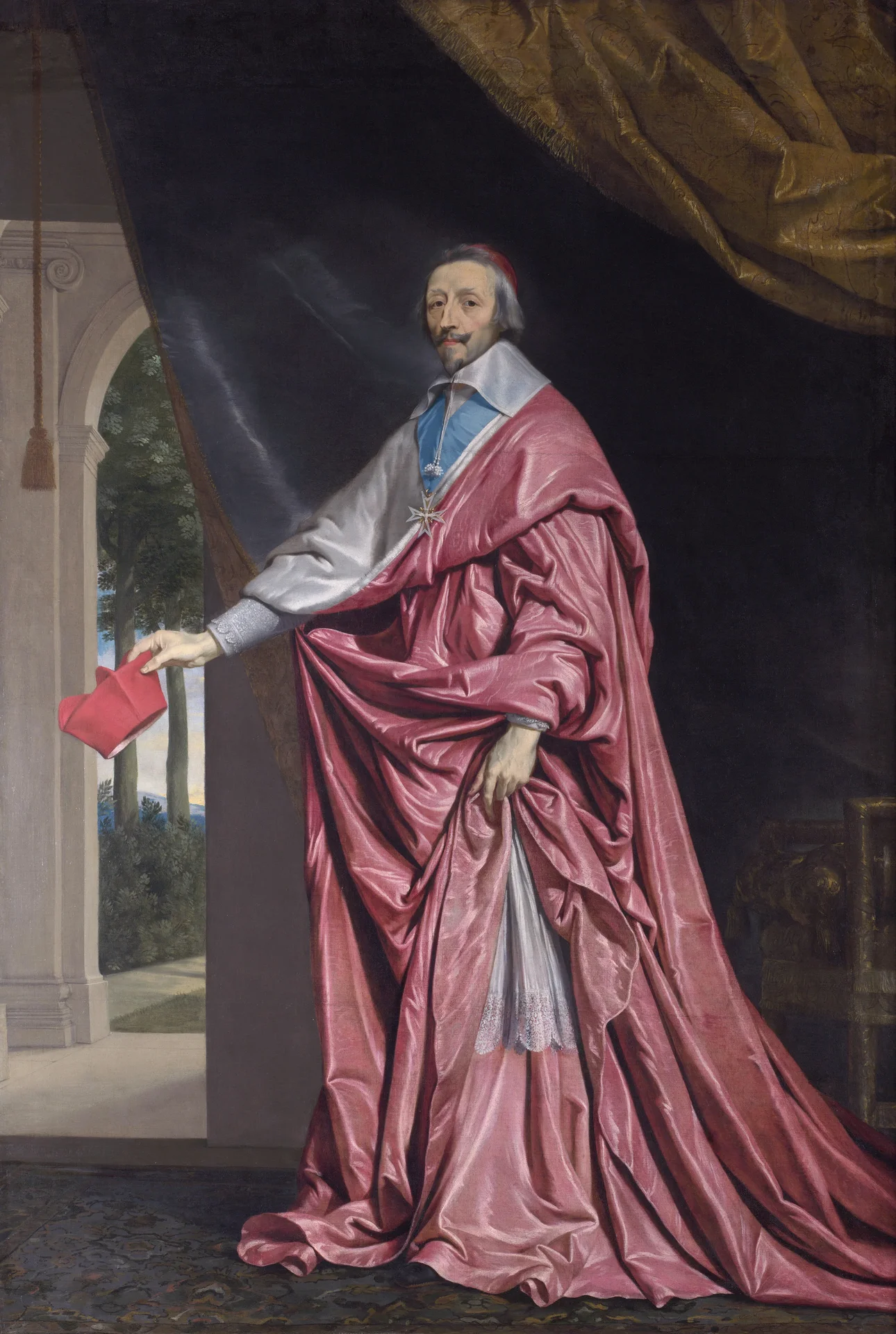
In 1635 the emperor made the Peace of Prague - The Peace of Prague was a major peace treaty signed in 1635 in Prague between Holy Roman Emperor Ferdinand II and the Protestant German princes, led by John George I of Saxony. By effectively suspending the harsh Edict of Restitution of 1629 and restoring the religious boundaries to an earlier baseline, the emperor aimed to reconcile with the German Protestant princes and bring an end to the destructive civil war inside the empire. While it succeeded in uniting most German states under the emperor, this newly restored unity alarmed Catholic France. Fearing Habsburg encirclement, France entered the conflict directly alongside Protestant Sweden, transforming the Thirty Years' War from a German religious conflict into a massive international power struggle across Europe., effectively withdrawing the Edict of Restitution, and tried to close the quarrel inside the empire. That same year, however, France entered the war directly, and the character of the fighting changed completely: Catholic France joined Protestant Sweden and the Dutch Republic - A union of seven provinces fighting for independence from Spain — a country led by merchants rather than a king, and among the richest in Europe. against their fellow Catholic rivals, the House of Habsburg - The House of Habsburg was one of the most powerful royal dynasties in European history, occupying the thrones of the Holy Roman Empire and Spain for centuries. During the Thirty Years' War, both Emperor Ferdinand II and King Philip IV of Spain belonged to this single family dynasty. The name 'Habsburg' derives from Habsburg Castle in modern northern Switzerland. According to legend, Count Radbot built the castle on a hilltop after spotting a hawk perched there, naming it 'Hawk's Castle' (Habichtsburg in German), which gradually morphed into 'Habsburg'. Starting as minor Swiss counts, the family expanded through strategic marriages and conquests into a global empire. By the 17th century, the Habsburg dynasty was divided into Austrian and Spanish branches, surrounding France from both east and west. Fear of being encircled by Habsburg power led Catholic France to intervene in the Thirty Years' War on the side of Protestant powers against their fellow Catholic Habsburg rivals. — the royal dynasty that ruled both the Holy Roman Empire and Spain. For Cardinal Richelieu - A Catholic churchman who funded Protestant states to hold the Habsburgs in check — the symbol of diplomacy that puts the interest of the state above religion. what mattered was not who shared his faith but breaking the Habsburg ring around France. From this point the war was no longer a war of religion but a contest of power.
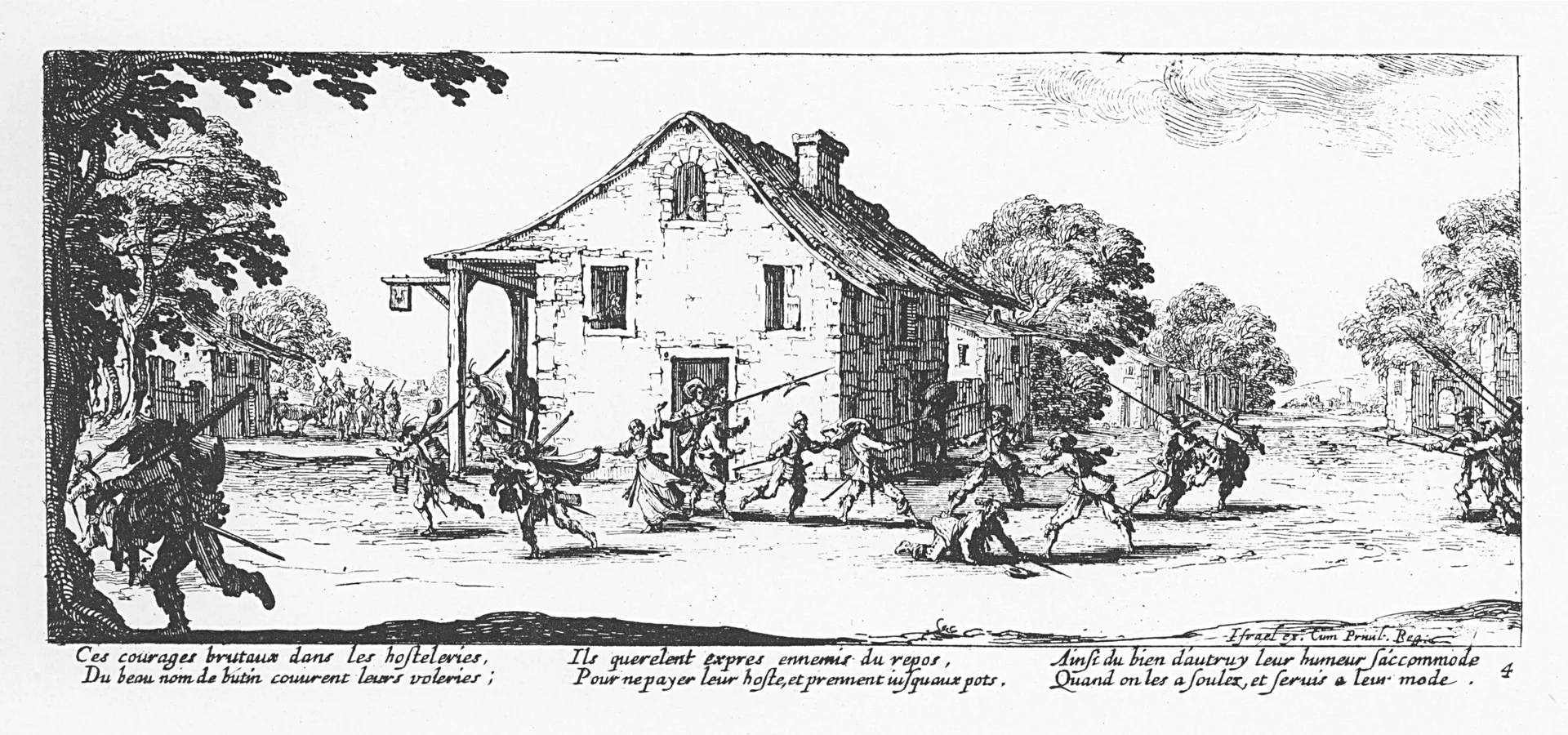
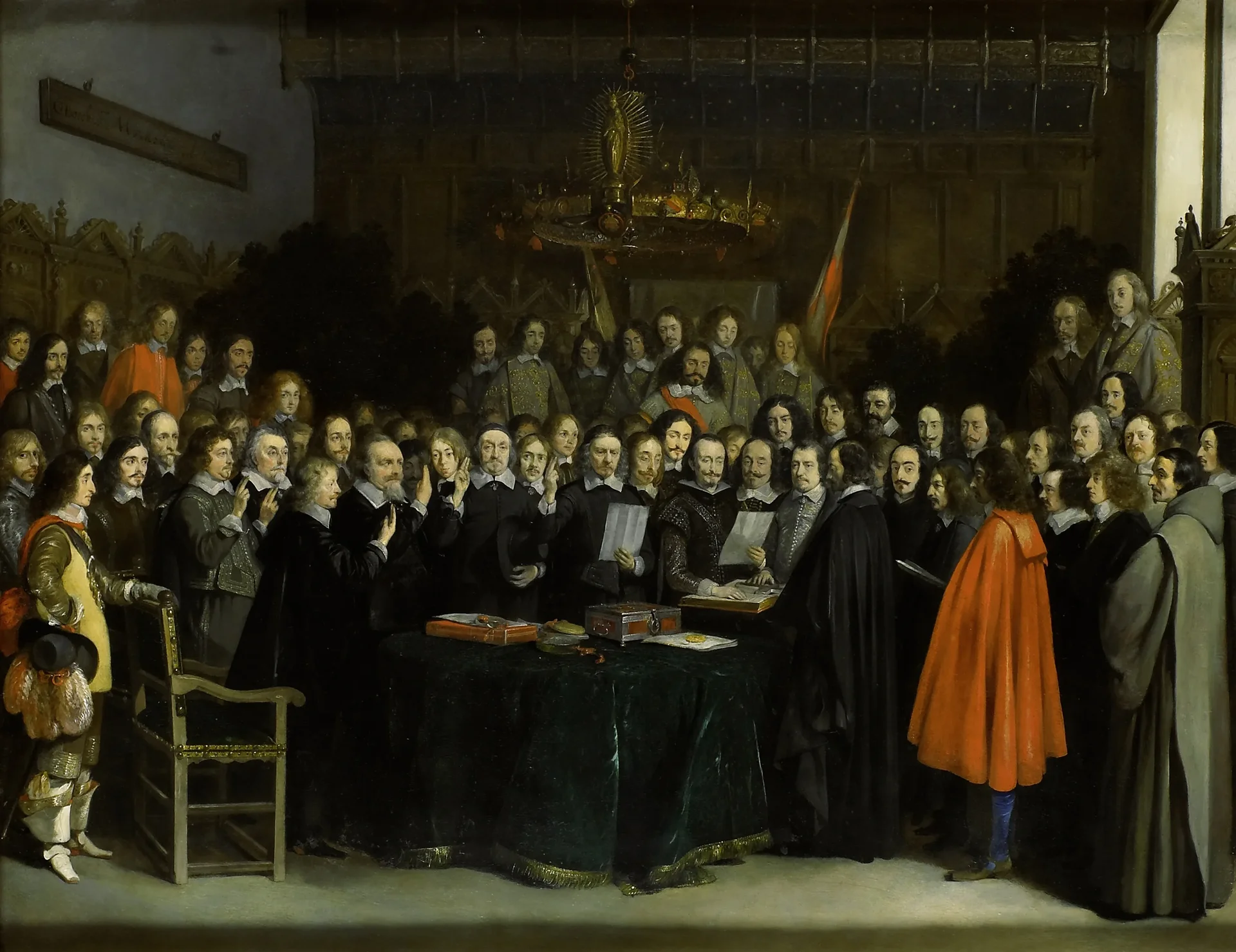
The heaviest price was paid by the people who lived on the land. Because armies had to supply themselves, they took grain and livestock from the villages they passed, and hunger and disease followed behind them. Some regions lost more than half their people. When the war ended with the Peace of Westphalia - The peace treaty of 1648 that ended the Thirty Years' War. Because the two sides refused to sit in the same room, the talks were held in two towns at once: the Catholic side met in Münster, the Protestant side in Osnabrück, and messengers rode the thirty kilometres between them. The negotiations lasted more than four years. Three things were settled. First, the Peace of Augsburg was restored and Calvinists were recognised as well. Second, France gained rights in Alsace and Sweden gained ports on the southern Baltic, while the independence of Switzerland and of the Dutch Republic was formally acknowledged. Third, the princes inside the empire won the right to conduct their own diplomacy and make their own alliances, which sharply reduced the emperor's power. The treaty is often described as the starting point of the idea of the sovereign state: that countries, whatever their size or religion, do not interfere inside one another's borders. From this point on, that principle became a basic rule of European diplomacy. in 1648, the victorious powers France and Sweden gained new territories, while the Dutch Republic and Switzerland won recognition of their complete independence. Conversely, the ambition of the emperor (the House of Habsburg) to unite and rule the empire as a single state was broken. With local princes winning the right to conduct independent diplomacy, the emperor's power waned, and the principle of sovereign states not interfering in each other's internal affairs became the cornerstone of European diplomacy.