Historical Map
Font Size
Language
Theme

Loading Map...

Map height
Scroll Sensitivity1.0
1914 AD (Approx.)
1914 AD – 1918 AD

World War I

A global conflict centered in Europe from 1914 to 1918 involving over 30 nations. Marked by devastating trench warfare - A type of land warfare using occupied fighting lines largely comprising military trenches, where troops are well-protected from small arms fire and substantially sheltered from artillery. During World War I, an unbroken network of trenches stretched over 700 kilometers from the Swiss border to the North Sea. Soldiers in the trenches endured horrific conditions including mud, rats, extreme weather, and trench foot. Infantry assaults across 'No Man's Land' suffered catastrophic casualties against machine guns and barbed wire, spurring innovations such as tanks, poison gas, and specialized combat aviation., technological innovations like tanks - An armored fighting vehicle designed as a primary offensive weapon in front-line ground combat, combining heavy operational firepower, strong armor protection, and all-terrain caterpillar tracks. It was secretly developed by Great Britain to break the bloody stalemate of Western Front trench warfare. The vehicle was code-named 'water tank' to maintain industrial secrecy, giving rise to its enduring name. The British Mark I made its combat debut at the Battle of the Somme in September 1916, crushing barbed wire and machine-gun nests to inaugurate modern armored warfare. and poison gas - Toxic chemical agents deployed as weapons to incapacitate or kill enemy personnel through asphyxiation, blistering, or systemic poisoning. Poison gas was utilized on a massive scale during World War I in attempts to overcome entrenched defensive positions. First deployed effectively by German forces at the Second Battle of Ypres in April 1915 using chlorine, combatants soon escalated to phosgene and mustard gas. The psychological and physical terror of gas warfare led to widespread gas mask development and ultimately spurred the 1925 Geneva Protocol banning chemical weapons., it brought down four major empires and reshaped the modern geopolitical order.

LocationEurope, Middle East, Africa, and the Atlantic Ocean (Main fronts: Western Front and Eastern Front)
BelligerentsAllied Powers (France - The system of government adopted in France from 1870 following the collapse of the Second Empire until 1940., British Empire - The global system of dominions, colonies, and protectorates under the British Crown, the largest empire in history., Russian Empire - An empire that extended across Eurasia from 1721 until it was overthrown by the Russian Revolution in 1917., United States, Italy, Serbia - A powerful Christian state that dominated the medieval Balkans, etc.), Central Powers (German Empire - The German nation state that existed from the 1871 unification until the abdication of Wilhelm II in 1918., Austro-Hungarian Empire - A multi-national dual monarchy in Central Europe ruled by the House of Habsburg from 1867 to 1918., Ottoman Empire - The Ottoman Empire was a powerful Islamic state that began as a small Turkish tribe in Anatolia (present-day Turkey). Over six centuries, it grew into a massive superpower that stretched across three continents: Southeast Europe, Western Asia, and Northern Africa. It stood at the crossroads of the East and West, controlling vital trade routes.Osman's Dream and the FoundationLegend says the empire's founder, Osman I, had a miraculous dream in the late 13th century. He dreamed that a moon emerged from a holy man's chest and entered his own. Then, a massive tree grew from his navel, its branches covering the entire world. This dream was seen as a divine prophecy that Osman and his descendants were destined to rule a mighty empire.The Fall of ConstantinopleThe backbone of the Ottoman army was the Janissaries, elite infantry soldiers trained with intense discipline. Using these forces and massive gunpowder cannons, Sultan Mehmed II accomplished the impossible in 1453: he conquered Constantinople (present-day Istanbul). This historic victory ended the thousand-year-old Byzantine Empire, and the city became the glorious new capital of the Ottomans.The Golden AgeThe empire reached its absolute peak in the 16th century under the rule of Suleiman the Magnificent. He was not only a brilliant military commander who expanded the empire deep into Europe—even laying siege to Vienna—but also a great lawmaker and patron of the arts. During his reign, the empire was incredibly wealthy, and its culture, architecture, and science flourished.Decline and FallHowever, no empire lasts forever. Starting in the 17th century, the Ottoman Empire slowly began to weaken. It faced internal corruption, technological stagnation, and increasing pressure from rising European powers like the Russian and Habsburg Empires. By the 19th century, it was often called the 'Sick Man of Europe.' The final blow came during World War I (1914–1918), where the empire fought on the losing side. After the war, the vast empire was divided, leading to its official collapse in 1922 and the birth of the modern Republic of Turkey under the leadership of Mustafa Kemal Atatürk., Kingdom of Bulgaria)
💡 Historical Significance

World War I was the first industrialized total war in human history, forever transforming warfare and geopolitics. The deadlock of machine gun - A fully automatic rifled firearm designed for sustained rapid fire from an ammunition belt or large magazine. Pioneered by Hiram Maxim in the late 19th century, machine guns like the Maxim, Vickers, and MG 08 revolutionized defensive firepower during World War I. Firing 400 to 600 rounds per minute, a single machine gun crew could halt massed frontal infantry assaults and cavalry charges across open ground. Its lethality transformed tactical doctrine and forced armies to dig subterranean trench networks to survive.s and barbed-wire trenches catalyzed revolutionary military technologies, including tanks - An armored fighting vehicle designed as a primary offensive weapon in front-line ground combat, combining heavy operational firepower, strong armor protection, and all-terrain caterpillar tracks. It was secretly developed by Great Britain to break the bloody stalemate of Western Front trench warfare. The vehicle was code-named 'water tank' to maintain industrial secrecy, giving rise to its enduring name. The British Mark I made its combat debut at the Battle of the Somme in September 1916, crushing barbed wire and machine-gun nests to inaugurate modern armored warfare., poison gas - Toxic chemical agents deployed as weapons to incapacitate or kill enemy personnel through asphyxiation, blistering, or systemic poisoning. Poison gas was utilized on a massive scale during World War I in attempts to overcome entrenched defensive positions. First deployed effectively by German forces at the Second Battle of Ypres in April 1915 using chlorine, combatants soon escalated to phosgene and mustard gas. The psychological and physical terror of gas warfare led to widespread gas mask development and ultimately spurred the 1925 Geneva Protocol banning chemical weapons., combat aviation, and submarines. The war precipitated the collapse of four centuries-old empires—the German, Austro-Hungarian, Russian, and Ottoman empire - The Ottoman Empire was a powerful Islamic state that began as a small Turkish tribe in Anatolia (present-day Turkey). Over six centuries, it grew into a massive superpower that stretched across three continents: Southeast Europe, Western Asia, and Northern Africa. It stood at the crossroads of the East and West, controlling vital trade routes.Osman's Dream and the FoundationLegend says the empire's founder, Osman I, had a miraculous dream in the late 13th century. He dreamed that a moon emerged from a holy man's chest and entered his own. Then, a massive tree grew from his navel, its branches covering the entire world. This dream was seen as a divine prophecy that Osman and his descendants were destined to rule a mighty empire.The Fall of ConstantinopleThe backbone of the Ottoman army was the Janissaries, elite infantry soldiers trained with intense discipline. Using these forces and massive gunpowder cannons, Sultan Mehmed II accomplished the impossible in 1453: he conquered Constantinople (present-day Istanbul). This historic victory ended the thousand-year-old Byzantine Empire, and the city became the glorious new capital of the Ottomans.The Golden AgeThe empire reached its absolute peak in the 16th century under the rule of Suleiman the Magnificent. He was not only a brilliant military commander who expanded the empire deep into Europe—even laying siege to Vienna—but also a great lawmaker and patron of the arts. During his reign, the empire was incredibly wealthy, and its culture, architecture, and science flourished.Decline and FallHowever, no empire lasts forever. Starting in the 17th century, the Ottoman Empire slowly began to weaken. It faced internal corruption, technological stagnation, and increasing pressure from rising European powers like the Russian and Habsburg Empires. By the 19th century, it was often called the 'Sick Man of Europe.' The final blow came during World War I (1914–1918), where the empire fought on the losing side. After the war, the vast empire was divided, leading to its official collapse in 1922 and the birth of the modern Republic of Turkey under the leadership of Mustafa Kemal Atatürk.s—redrawing the global map and birthing dozens of new nation-states. Although the Treaty of Versailles - The most important of the peace treaties that brought World War I to an end, signed in the Hall of Mirrors at the Palace of Versailles on June 28, 1919. It established the League of Nations, an international diplomatic organization proposed in Woodrow Wilson's Fourteen Points. The treaty imposed severe terms on Germany through the 'War Guilt' clause (Article 231), stripping 13 percent of European territory, seizing overseas colonies, capping military personnel at 100,000, and demanding astronomical financial reparations. Resentment fueled German political radicalism, paving the path to World War II. established the League of Nations as the first collective security apparatus, punitive peace terms planted the seeds of economic distress and political extremism that culminated in World War II.

Context & Background

Late 19th Century – 1914

Imperialist Rivalry and Polarized Military Alliances

Fueled by industrialization, European powers competed aggressively for overseas territories, raw materials, and markets across Africa and Asia. Alarmed by Germany's meteoric industrial rise and ambitious naval expansion under its Weltpolitik doctrine, Great Britain - The global system of dominions, colonies, and protectorates under the British Crown, the largest empire in history., France - The system of government adopted in France from 1870 following the collapse of the Second Empire until 1940., and Russia buried past differences to establish the Triple Entente. In response, Germany consolidated the Triple Alliance alongside Austria-Hungary - A multi-national dual monarchy in Central Europe ruled by the House of Habsburg from 1867 to 1918. and Italy. This rigid bipolar alliance system transformed the European continent into a geopolitical powder keg, ensuring that any localized conflict would automatically drag every major power into confrontation.

1908 – June 1914

Balkan Nationalism and the Motives Behind the Archduke's Assassination

As the Ottoman Empire - The Ottoman Empire was a powerful Islamic state that began as a small Turkish tribe in Anatolia (present-day Turkey). Over six centuries, it grew into a massive superpower that stretched across three continents: Southeast Europe, Western Asia, and Northern Africa. It stood at the crossroads of the East and West, controlling vital trade routes.Osman's Dream and the FoundationLegend says the empire's founder, Osman I, had a miraculous dream in the late 13th century. He dreamed that a moon emerged from a holy man's chest and entered his own. Then, a massive tree grew from his navel, its branches covering the entire world. This dream was seen as a divine prophecy that Osman and his descendants were destined to rule a mighty empire.The Fall of ConstantinopleThe backbone of the Ottoman army was the Janissaries, elite infantry soldiers trained with intense discipline. Using these forces and massive gunpowder cannons, Sultan Mehmed II accomplished the impossible in 1453: he conquered Constantinople (present-day Istanbul). This historic victory ended the thousand-year-old Byzantine Empire, and the city became the glorious new capital of the Ottomans.The Golden AgeThe empire reached its absolute peak in the 16th century under the rule of Suleiman the Magnificent. He was not only a brilliant military commander who expanded the empire deep into Europe—even laying siege to Vienna—but also a great lawmaker and patron of the arts. During his reign, the empire was incredibly wealthy, and its culture, architecture, and science flourished.Decline and FallHowever, no empire lasts forever. Starting in the 17th century, the Ottoman Empire slowly began to weaken. It faced internal corruption, technological stagnation, and increasing pressure from rising European powers like the Russian and Habsburg Empires. By the 19th century, it was often called the 'Sick Man of Europe.' The final blow came during World War I (1914–1918), where the empire fought on the losing side. After the war, the vast empire was divided, leading to its official collapse in 1922 and the birth of the modern Republic of Turkey under the leadership of Mustafa Kemal Atatürk. weakened, the Balkans became the 'Powder Keg of Europe,' where Serbia - A powerful Christian state that dominated the medieval Balkansn nationalism clashed directly with Austro-Hungarian expansion. Tensions boiled over in 1908 when Austria-Hungary forcibly annexed Bosnia and Herzegovina - Bosnia and Herzegovina is an ancient, historic mountainous region nestled in the western Balkan Peninsula of southeastern Europe. Dominated by the rugged Dinaric Alps, it naturally divides into two distinct landscapes: the northern region of 'Bosnia', characterized by dense primeval forests and deep river valleys, and the southern region of 'Herzegovina', shaped by sun-drenched Mediterranean karst limestone and canyon streams such as the emerald Neretva River. Situated at the crossroads of Eastern and Western civilizations, the region has long been home to diverse South Slavic peoples, primarily Bosniaks, Serbs, and Croats. Centuries of rule under the medieval Kingdom of Bosnia and the Ottoman Empire fostered a unique cultural mosaic where Islam, Eastern Orthodoxy, Roman Catholicism, and Judaism coexisted side by side, earning its capital, Sarajevo, the title of the 'Jerusalem of Europe.' Administered and then unilaterally annexed by Austria-Hungary in 1908 during the Bosnian Crisis, the territory became a boiling flashpoint of Balkan nationalism. On June 28, 1914, the assassination of Archduke Franz Ferdinand near Sarajevo's Latin Bridge ignited the catastrophic chain of events leading to World War I. Today, it stands as an independent nation celebrated for its architectural heritage, rich multicultural traditions, and stunning mountainous scenery., a region heavily populated by South Slavs. This outraged Serbian nationalists who dreamed of uniting all South Slavs into a single independent state.

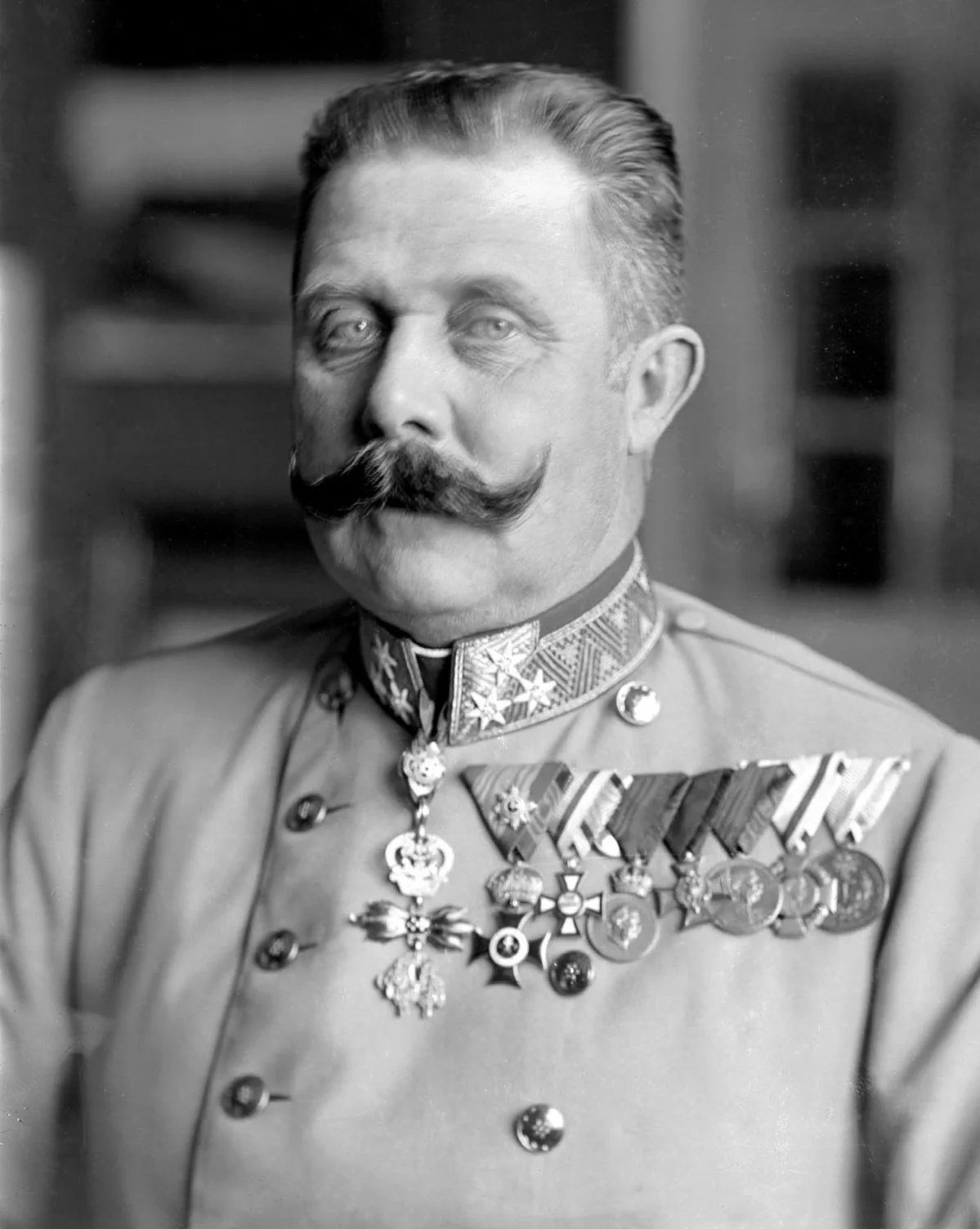
To make matters more complex, Archduke Franz Ferdinand - Heir presumptive to the Austro-Hungarian throne whose assassination in Sarajevo in 1914 precipitated World War I., heir to the Austro-Hungarian throne, proposed granting South Slavs equal autonomy within the empire alongside Germans and Hungarians. Paradoxically, Serbian hardliners saw this reform as a grave threat. They feared that if Slavs became satisfied under Habsburg rule, the dream of breaking away to form a Greater Serbia would be lost forever.

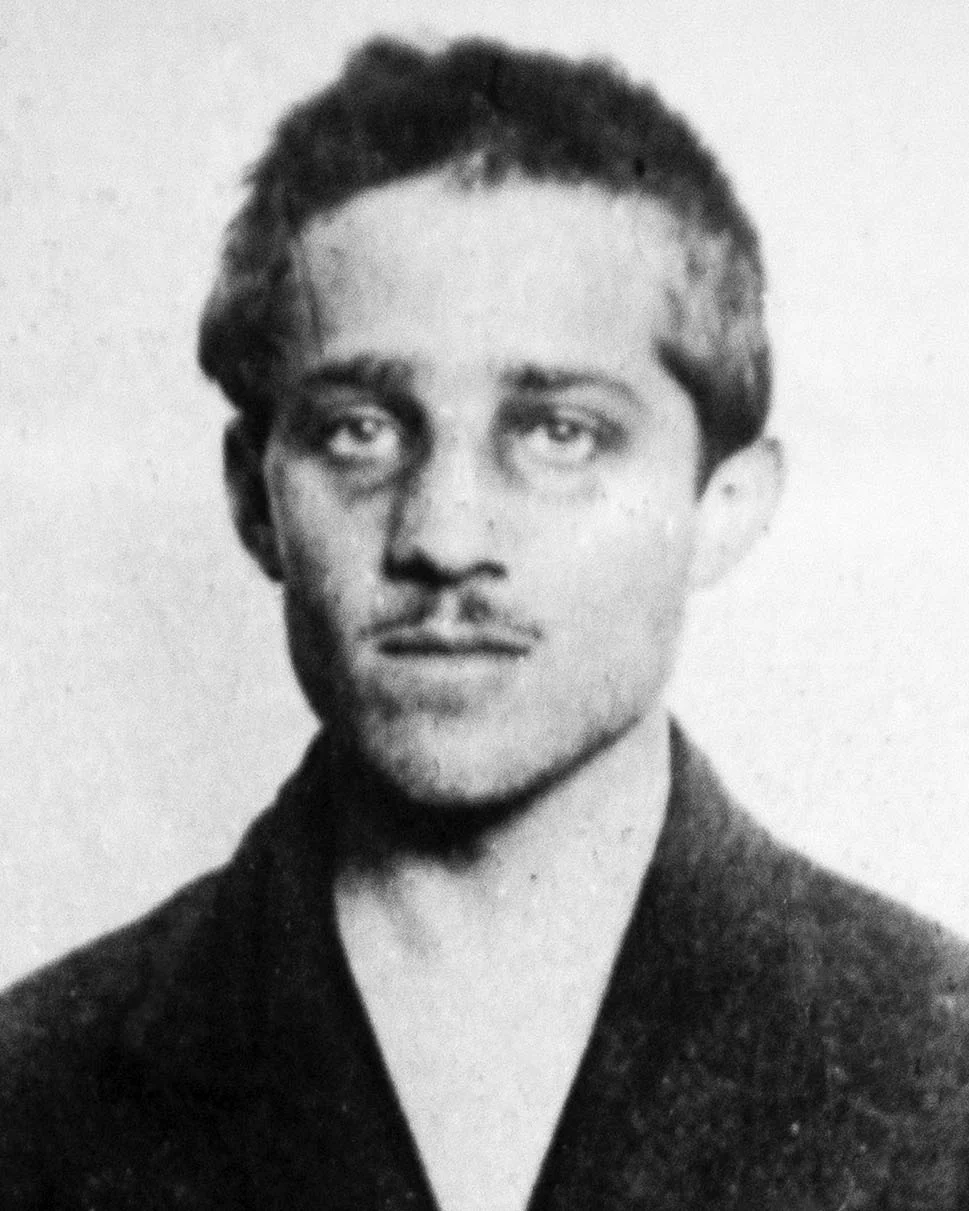
Amidst this hostility, the Archduke visited Sarajevo - The capital and largest city of Bosnia and Herzegovina, nestled along the Miljacka River within the Dinaric Alps. Influenced by centuries of Ottoman and Austro-Hungarian rule, it boasts a unique blend of Islamic, Catholic, and Orthodox heritages. On June 28, 1914, Archduke Franz Ferdinand, heir to the Austro-Hungarian throne, and his wife Sophie were assassinated near the Latin Bridge by Gavrilo Princip. Known as the Assassination of Sarajevo, this fateful event triggered the diplomatic July Crisis and ignited World War I., the capital of Bosnia, on June 28, 1914, to inspect military maneuvers. That date happened to be Vidovdan - Vidovdan (Saint Vitus Day) is a major religious feast and national holiday observed annually on June 28 by the Serbian Orthodox Church and South Slavic peoples. On June 28, 1389, Prince Lazar and Serbian knights fell while fiercely resisting the Ottoman invasion at the Battle of Kosovo. Since then, Vidovdan has become a profound symbol of national identity, martyrdom, and unyielding resistance against foreign dominion. On Vidovdan in 1914, Archduke Franz Ferdinand of Austria-Hungary visited Sarajevo. Viewed as a deliberate provocation on their sacred day of mourning, Serbian nationalist Gavrilo Princip assassinated the Archduke, triggering the catastrophic outbreak of World War I., Serbia's most sacred day of national remembrance and resistance. Viewing his military visit on this day as a direct humiliation, Gavrilo Princip - A Bosnian Serb student and member of Young Bosnia whose assassination of Archduke Franz Ferdinand in Sarajevo triggered the July Crisis and World War I.—a young member of the secret nationalist group Young Bosnia—fatally shot the Archduke and his wife.

July 1914

The Blank Check and Mobilization Timetables: The Escalation to General War

The assassination in Sarajevo could have ended as a local dispute between Austria-Hungary and Serbia. However, two decisive factors turned this regional crisis into a continent-wide war within weeks.

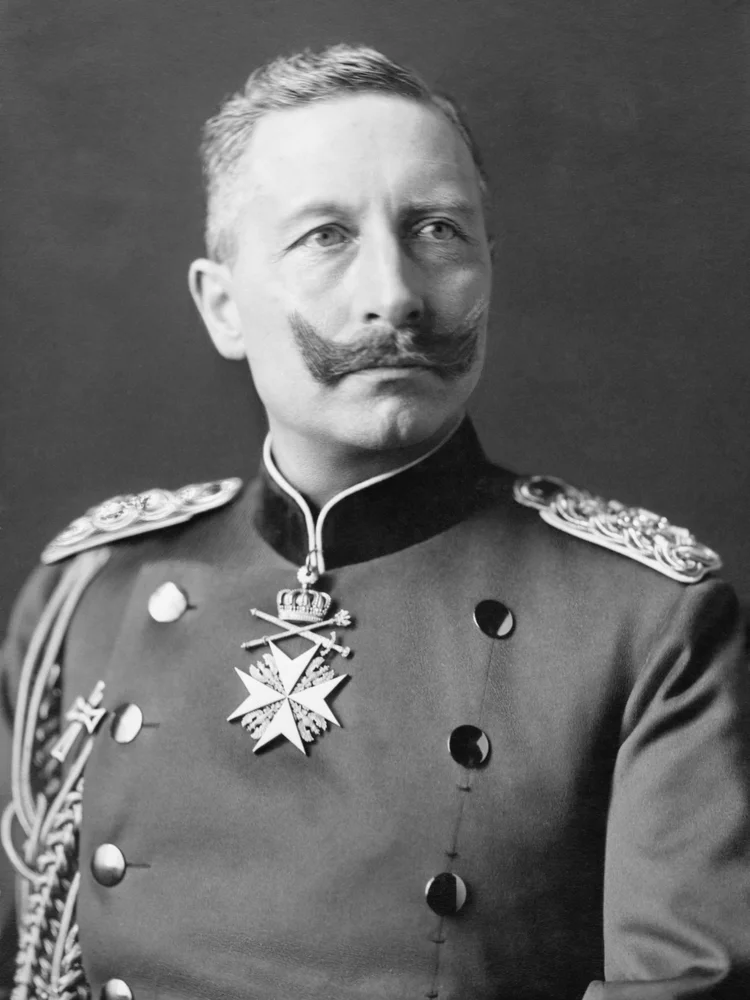
First was Germany's 'Blank Check.' Austria-Hungary wanted to punish Serbia militarily, but hesitated out of fear that Russia would step in to protect Serbia. When Kaiser Wilhelm II - The last German Emperor and King of Prussia, whose aggressive foreign policy and naval expansionism alienated European powers and culminated in World War I and the collapse of the German monarchy. promised that Germany would unconditionally back whatever action Austria-Hungary took, Vienna - The capital of Austria and a historic metropolis situated in the Vienna Basin along the Danube River in Central Europe. Positioned at the strategic crossroads between the eastern foothills of the Alps and the Carpathians, it originated as the Roman frontier military camp of Vindobona and grew into a vital hub of European trade and diplomacy. From the late 13th century until 1918, Vienna served for over six centuries as the imperial seat of the House of Habsburg, anchoring the Holy Roman Empire, the Austrian Empire, and the Austro-Hungarian Empire. It withstood two major Ottoman sieges in 1529 and 1683, and later hosted the Congress of Vienna in 1814–1815, which reshaped the geopolitical order of post-Napoleonic Europe. Centered around the grand Hofburg and Schönbrunn palaces, the city flourished as the world's capital of classical music—home to Mozart, Beethoven, and Schubert—and experienced a brilliant fin-de-siècle cultural golden age at the turn of the 20th century. In July 1914, following the assassination in Sarajevo, imperial leaders in Vienna issued the ultimatum and declaration of war against Serbia that ignited World War I. gained the confidence to issue a harsh ultimatum - In diplomacy, an ultimatum is a final demand whose rejection within a fixed time limit leads to a breakdown of relations and typically a declaration of war. Historically, the 'July Ultimatum' refers to the fateful diplomatic note delivered by Austria-Hungary to the Kingdom of Serbia on July 23, 1914, following the assassination of Archduke Franz Ferdinand in Sarajevo. Seeking a pretext to crush Serbia militarily, hardliners in Vienna intentionally drafted ten severe demands with a 48-hour deadline that no sovereign nation could fully accept. Alongside suppressing anti-Austrian publications and nationalist groups, Point 6 demanded that Austro-Hungarian officials and police be permitted to enter Serbian territory to directly conduct judicial investigations into the assassination plot. Allowing foreign officials to exercise police and judicial authority inside Serbia was a direct violation of national sovereignty and the Serbian constitution. Hoping to avert war, Serbia accepted nine of the ten demands and offered to submit the disputed sixth point to international arbitration. Austria-Hungary rejected the reply, severed diplomatic ties, and declared war on July 28, triggering World War I. and declare war.

Second was the unstoppable trap of railway mobilization and interlocking alliances. Modern warfare required moving millions of soldiers and heavy weapons to the front lines according to strict train timetables. Once mobilization began, the complex railway schedule could not simply be halted or reversed, and generals feared that falling behind an enemy by even a few days meant total defeat. When Russia ordered general mobilization to defend Serbia, Germany knew that Russia's military ally, France (bound by the Franco-Russian Alliance), would inevitably strike from the west. Because Germany's sole war plan required knocking out France in the west before the massive Russian army could fully assemble in the east, German leaders abandoned diplomacy and declared war on both Russia and France, pulling all of Europe into the conflict.

The Narrative

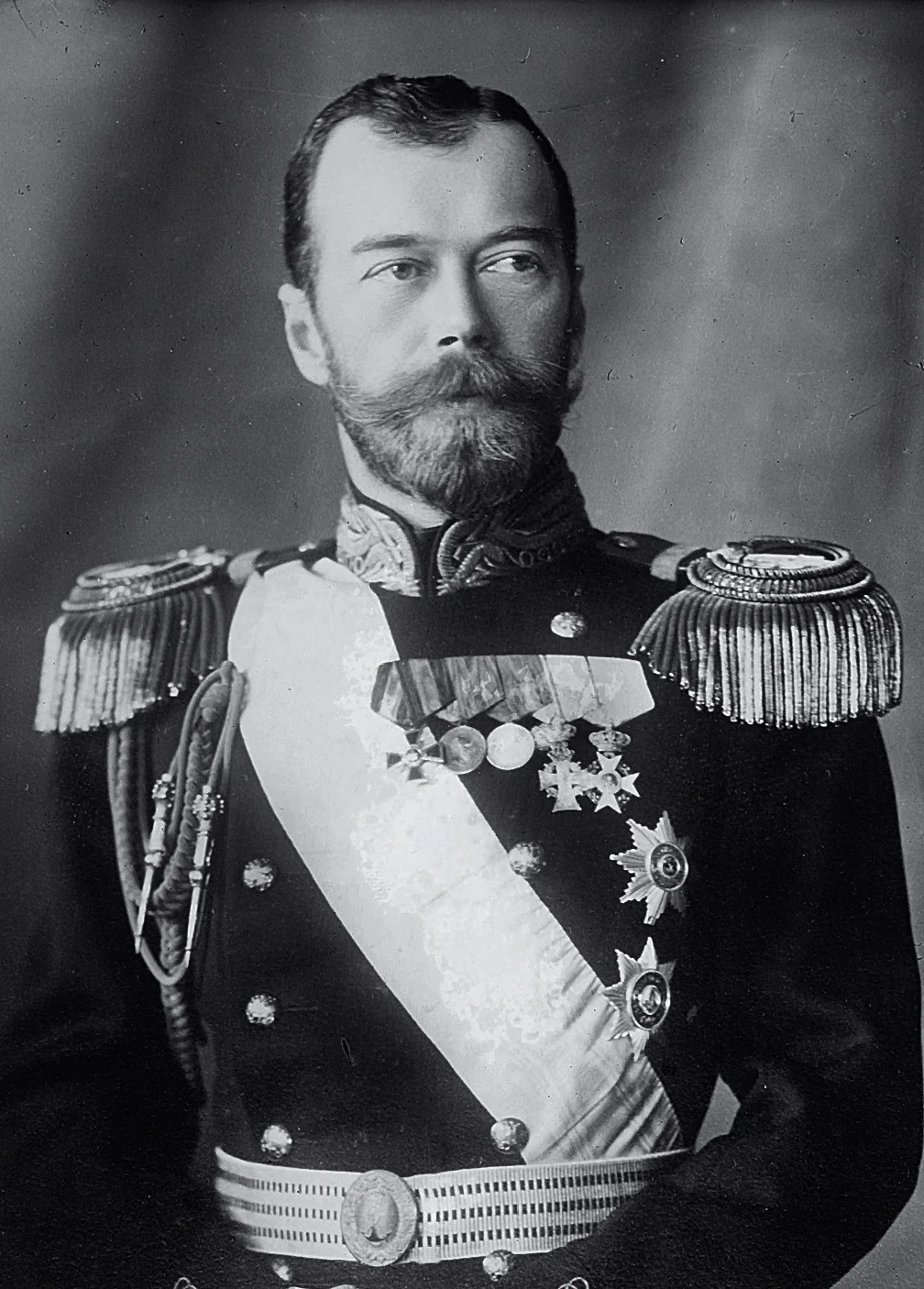
On June 28, 1914, two fatal pistol shots echoed through the morning streets of Sarajevo - The capital and largest city of Bosnia and Herzegovina, nestled along the Miljacka River within the Dinaric Alps. Influenced by centuries of Ottoman and Austro-Hungarian rule, it boasts a unique blend of Islamic, Catholic, and Orthodox heritages. On June 28, 1914, Archduke Franz Ferdinand, heir to the Austro-Hungarian throne, and his wife Sophie were assassinated near the Latin Bridge by Gavrilo Princip. Known as the Assassination of Sarajevo, this fateful event triggered the diplomatic July Crisis and ignited World War I., detonating the greatest catastrophe the world had yet known. When Archduke Franz Ferdinand - Heir presumptive to the Austro-Hungarian throne whose assassination in Sarajevo in 1914 precipitated World War I., heir to the Austro-Hungarian throne, and his wife Sophie were assassinated by Serbia - A powerful Christian state that dominated the medieval Balkansn nationalist Gavrilo Princip - A Bosnian Serb student and member of Young Bosnia whose assassination of Archduke Franz Ferdinand in Sarajevo triggered the July Crisis and World War I., hardliners in Vienna - The capital of Austria and a historic metropolis situated in the Vienna Basin along the Danube River in Central Europe. Positioned at the strategic crossroads between the eastern foothills of the Alps and the Carpathians, it originated as the Roman frontier military camp of Vindobona and grew into a vital hub of European trade and diplomacy. From the late 13th century until 1918, Vienna served for over six centuries as the imperial seat of the House of Habsburg, anchoring the Holy Roman Empire, the Austrian Empire, and the Austro-Hungarian Empire. It withstood two major Ottoman sieges in 1529 and 1683, and later hosted the Congress of Vienna in 1814–1815, which reshaped the geopolitical order of post-Napoleonic Europe. Centered around the grand Hofburg and Schönbrunn palaces, the city flourished as the world's capital of classical music—home to Mozart, Beethoven, and Schubert—and experienced a brilliant fin-de-siècle cultural golden age at the turn of the 20th century. In July 1914, following the assassination in Sarajevo, imperial leaders in Vienna issued the ultimatum and declaration of war against Serbia that ignited World War I. seized the tragedy as a golden pretext to crush Serbia once and for all. Bolstered by Germany's unconditional 'Blank Check' of military backing, Austria-Hungary - A multi-national dual monarchy in Central Europe ruled by the House of Habsburg from 1867 to 1918. delivered a humiliating ultimatum - In diplomacy, an ultimatum is a final demand whose rejection within a fixed time limit leads to a breakdown of relations and typically a declaration of war. Historically, the 'July Ultimatum' refers to the fateful diplomatic note delivered by Austria-Hungary to the Kingdom of Serbia on July 23, 1914, following the assassination of Archduke Franz Ferdinand in Sarajevo. Seeking a pretext to crush Serbia militarily, hardliners in Vienna intentionally drafted ten severe demands with a 48-hour deadline that no sovereign nation could fully accept. Alongside suppressing anti-Austrian publications and nationalist groups, Point 6 demanded that Austro-Hungarian officials and police be permitted to enter Serbian territory to directly conduct judicial investigations into the assassination plot. Allowing foreign officials to exercise police and judicial authority inside Serbia was a direct violation of national sovereignty and the Serbian constitution. Hoping to avert war, Serbia accepted nine of the ten demands and offered to submit the disputed sixth point to international arbitration. Austria-Hungary rejected the reply, severed diplomatic ties, and declared war on July 28, triggering World War I. designed to be rejected, formally declaring war on Serbia on July 28. But the fire could not be contained. When Tsar Nicholas II - The last Emperor (Tsar) of Russia, whose decision to mobilize in defense of Serbia in July 1914 escalated the crisis into World War I, and whose wartime failures brought down the 300-year-old Romanov dynasty in the 1917 Russian Revolution. of Russia ordered general mobilization to protect his Slavic brethren, Imperial Germany found itself trapped in a geopolitical nightmare. France - The system of government adopted in France from 1870 following the collapse of the Second Empire until 1940. was Russia's staunch military ally, bound by the Franco-Russian Alliance and the Triple Entente, ensuring that a war with Russia would inevitably draw a simultaneous French assault from the west. Terrified of being crushed in a two-front vise between Russia and France, the German High Command executed its rigid war plan: striking swiftly to knock out France in the west before the vast Russian army could fully mobilize in the east. Germany promptly declared war on Russia on August 1 and on France on August 3. To bypass France's heavily fortified eastern frontier, German columns invaded neutral Belgium. Fully aware of the risk of British intervention, German leaders indulged in the wishful thinking that insular Britain - The global system of dominions, colonies, and protectorates under the British Crown, the largest empire in history. would not plunge into a catastrophic continental bloodbath over what Chancellor Bethmann Hollweg called 'a scrap of paper.' Furthermore, they gambled that Britain's small professional army could not deploy in time to save France from being knocked out within six weeks. However, viewing German control of the Belgian coastline across the English Channel as a mortal threat to British survival, Great Britain honored its commitment under the 1839 Treaty of London - An international treaty signed in 1839 by the European Great Powers—Great Britain, France, Prussia, Austria, and Russia—which formally recognized the independence of the Kingdom of Belgium and guaranteed its perpetual neutrality. Situated directly across the English Channel, Belgium was seen by British strategists as vital to national defense; control of its coastline and ports (such as Antwerp) by a hostile continental power was likened to a 'pistol pointed at the heart of England.' Guaranteeing Belgian neutrality was therefore a cornerstone of British security policy. In August 1914, when the German Empire invaded Belgium to bypass French border fortifications under the Schlieffen Plan, Britain honored its treaty commitment and declared war on Germany. The treaty gained worldwide notoriety when German Chancellor Theobald von Bethmann Hollweg dismissively referred to it as merely 'a scrap of paper.' and declared war on Germany. Thus, in less than a month, all major European empires were plunged into general warfare.

As troop trains steamed toward the frontiers, young soldiers cheered under the romantic delusion that they would return home victorious before the autumn leaves fell, or at latest by Christmas. Operating under the Schlieffen Plan - The operational master plan developed by German Chief of the Imperial General Staff Alfred von Schlieffen to prevent a prolonged two-front war against France and Russia. It relied on Russian mobilization taking at least six weeks, allowing Germany to rapidly defeat France first. The plan dictated a massive sweeping right-wing advance through neutral Belgium to encircle Paris from the west. However, stubborn Belgian resistance and British intervention slowed the advance, culminating in German defeat at the First Battle of the Marne and the failure of quick victory., the German General Staff assumed that mobilizing Russia's colossal army would take at least six weeks, affording a brief window to sweep through Belgium and deliver a knockout blow to France. Yet heroic Belgian resistance at Liège derailed the German timetable, enabling the British Expeditionary Force to deploy alongside retreating French armies. Crucially, Russian armies mobilized in just two weeks and lunged into East Prussia, forcing Berlin to divert vital corps eastward. Halting the exhausted invaders along the Marne River - A major river in northern France, stretching 514 kilometers from the Langres Plateau through Champagne before converging with the Seine River just southeast of Paris. Renowned for its picturesque vineyards, it historically served as the vital natural eastern defensive barrier protecting Paris. In September 1914, French and British armies dramatically halted the German advance towards Paris along the Marne (First Battle of the Marne). Famously aided by hundreds of Parisian taxis ferrying troops to the front line, the Allied victory permanently shattered the Schlieffen Plan and locked the Western Front into four years of bloody trench warfare. In July 1918, the Marne became the site of another pivotal clash (Second Battle of the Marne), where Allied and American forces crushed Germany's final massive offensive, turning the tide of the war and initiating the victorious Hundred Days Offensive.—where Parisian taxis famously ferried reserves to the front line—Allied forces repelled the thrust at the First Battle of the Marne. As both armies sprinted toward the coast in the 'Race to the Sea' to outflank one another, they ground to a halt, excavating a 700-kilometer labyrinth of subterranean trenches stretching from Switzerland to the North Sea - A marginal sea of the Atlantic Ocean located between Great Britain and the northwestern European mainland (Scandinavia, Denmark, Germany, the Netherlands, Belgium, and France). Characterized by shallow waters, turbulent waves, and thick fog, it has long been a vital marine trade artery and a rich fishing ground. Historically, the North Sea served as the maritime highway for Viking expansions and the maritime trade routes of the Hanseatic League. In modern history, it formed the primary naval arena where Great Britain contested maritime supremacy against European continental powers. During World War I, after the Battle of the Marne, both opposing armies sprinted toward the coast in the 'Race to the Sea' to outflank each other, ultimately entrenching 700 kilometers of unbroken front lines reaching the North Sea. The British Royal Navy established a suffocating naval blockade across the North Sea to starve Germany of supplies, culminating in the clash of dreadnoughts at the Battle of Jutland in 1916..

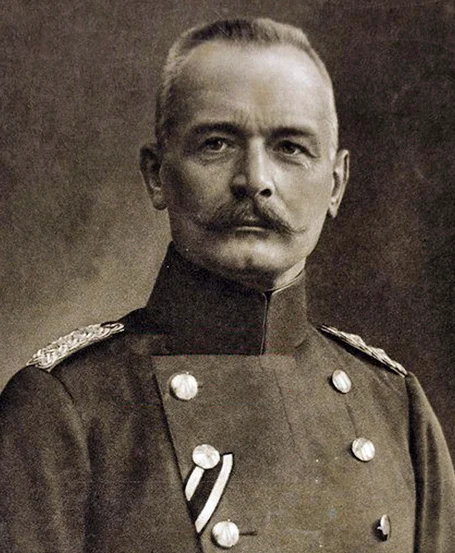
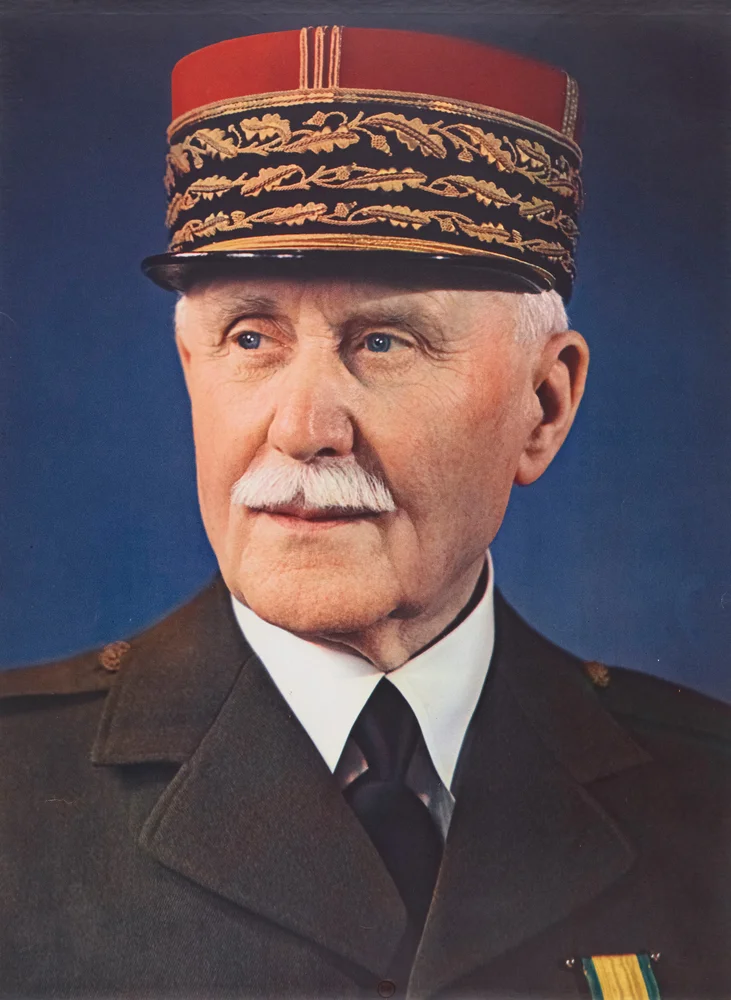
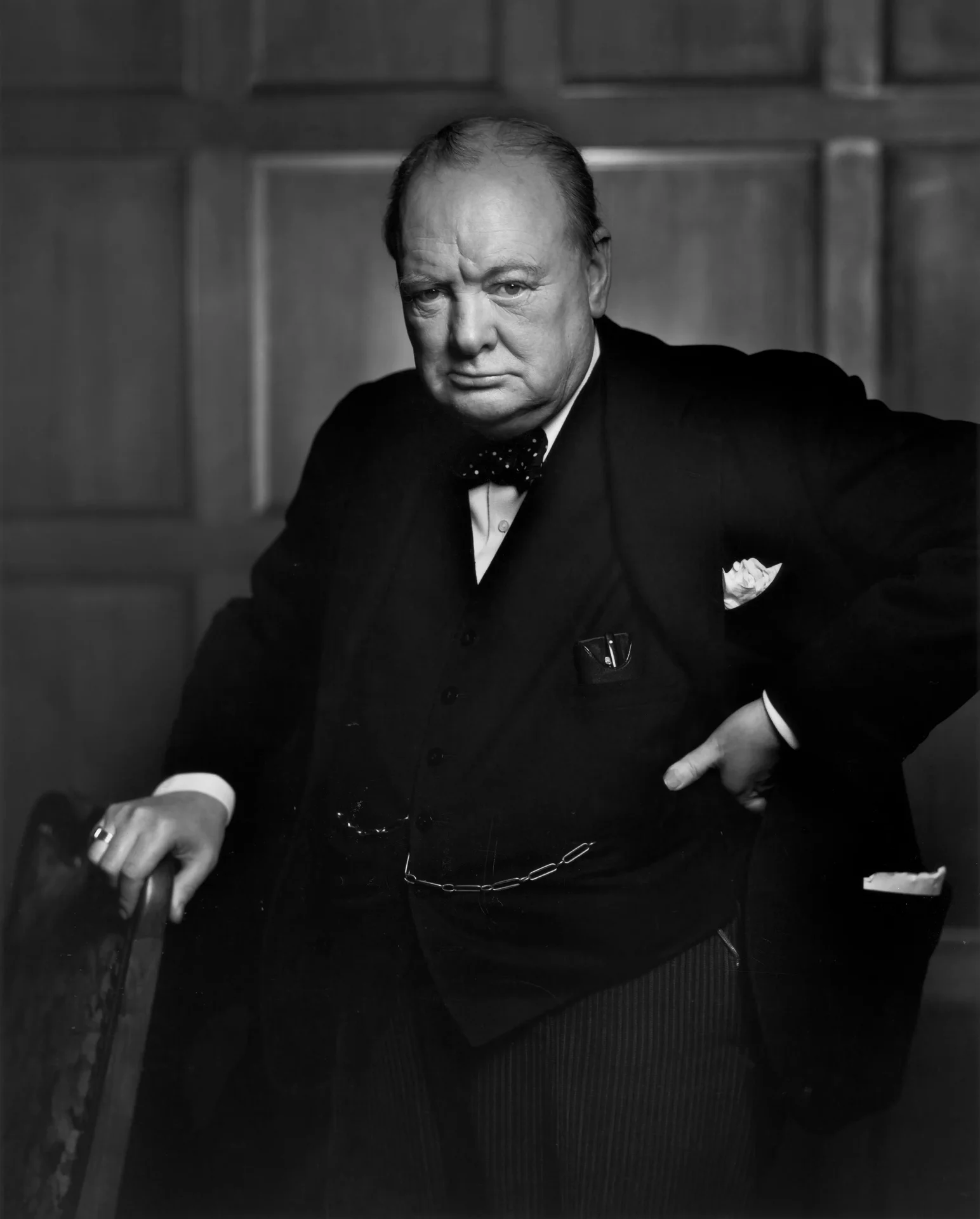
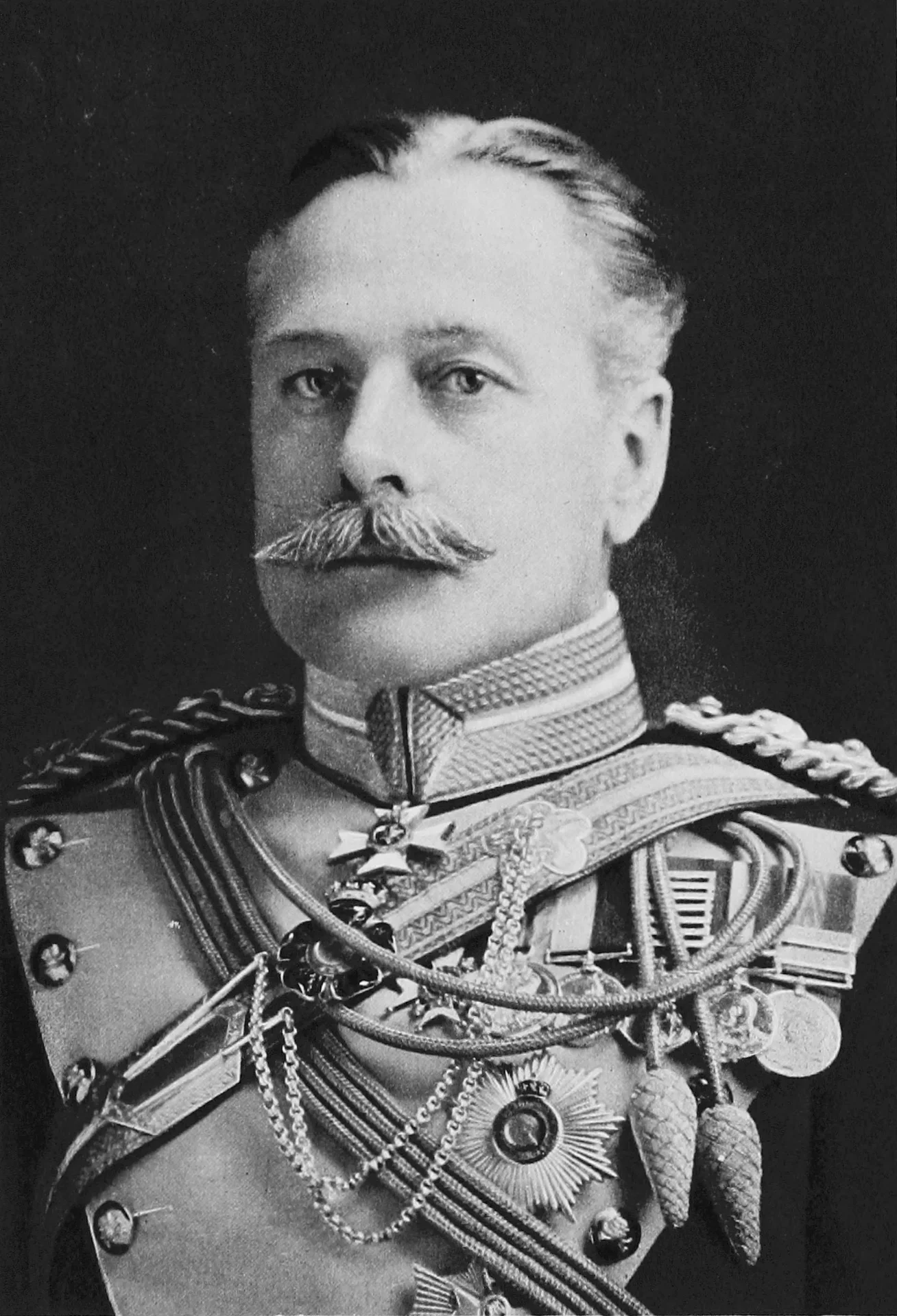
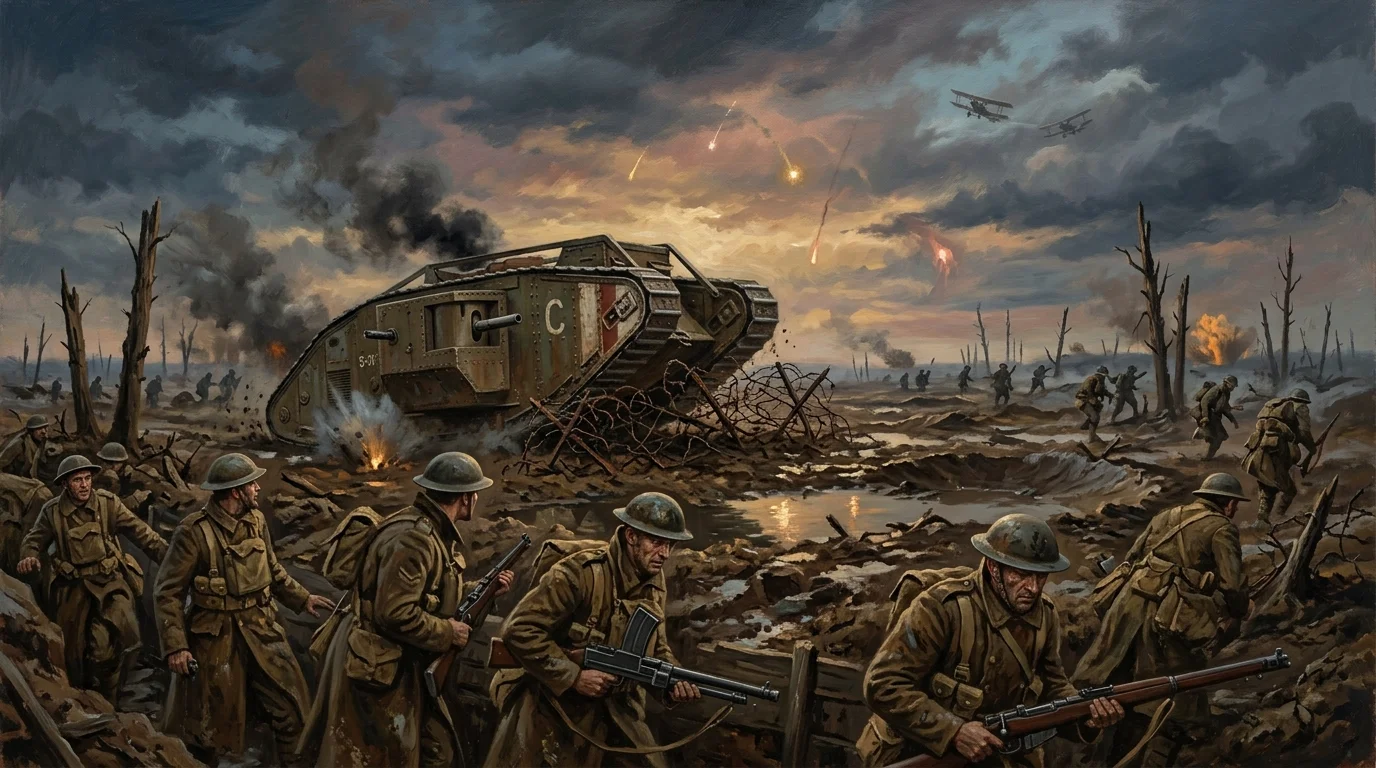
Spanning across Western Europe, the entrenched front froze under the merciless scythe of liquid-cooled machine gun - A fully automatic rifled firearm designed for sustained rapid fire from an ammunition belt or large magazine. Pioneered by Hiram Maxim in the late 19th century, machine guns like the Maxim, Vickers, and MG 08 revolutionized defensive firepower during World War I. Firing 400 to 600 rounds per minute, a single machine gun crew could halt massed frontal infantry assaults and cavalry charges across open ground. Its lethality transformed tactical doctrine and forced armies to dig subterranean trench networks to survive.s and heavy artillery bombardments. The era of gallant cavalry charges was abruptly extinguished; charging infantrymen clambering over the parapets were methodically mowed down in tangles of barbed wire. In 1916, German Chief of Staff Erich von Falkenhayn - Prussian Minister of War and Chief of the German General Staff (1914–1916) who architected the attritional Battle of Verdun in an effort to bleed the French army into submission. unleashed an industrial abattoir at the fortress city of Verdun - A historic fortress city in northeastern France situated along the Meuse River in Lorraine. Since antiquity, it guarded the eastern approaches toward Paris and was fortified with modern subterranean rings of forts, including Fort Douaumont. In 1916, German Chief of Staff Erich von Falkenhayn targeted Verdun to 'bleed the French army white,' sparking the grueling 10-month Battle of Verdun. Costing over 700,000 casualties, the French defense under Philippe Pétain held firm, rendering Verdun an enduring global symbol of national sacrifice., designed to 'bleed France white,' met by fierce French defiance under General Philippe Pétain - French Marshal celebrated as the 'Lion of Verdun' for his successful defense and humane troop rotation system in World War I, before his tragic downfall as leader of collaborationist Vichy France in World War II. and the rallying cry 'They shall not pass.' To relieve the pressure, British forces under General Douglas Haig - British Field Marshal who commanded the British Expeditionary Force on the Western Front from 1915 to 1918, overseeing the costly battles of the Somme and Passchendaele before leading British forces to victory in the Hundred Days Offensive. and the French army launched the massive Somme - A tranquil river flowing through the Picardy region of northern France into the English Channel. Historically characterized by chalk valleys and peaceful farmland, its surrounding hills became one of the most famous battlegrounds of the Western Front. In July 1916, British and French armies launched a joint offensive along the Somme to relieve pressure on Verdun. The campaign witnessed over one million casualties, including the catastrophic British first-day loss of 19,240 men, and saw the first battlefield deployment of tanks. Offensive, suffering 57,000 British casualties on the catastrophic first day alone. Desperate to crack the defensive stalemate, combatants unleashed unprecedented technological horrors. Suffocating clouds of chlorine and mustard gas - Toxic chemical agents deployed as weapons to incapacitate or kill enemy personnel through asphyxiation, blistering, or systemic poisoning. Poison gas was utilized on a massive scale during World War I in attempts to overcome entrenched defensive positions. First deployed effectively by German forces at the Second Battle of Ypres in April 1915 using chlorine, combatants soon escalated to phosgene and mustard gas. The psychological and physical terror of gas warfare led to widespread gas mask development and ultimately spurred the 1925 Geneva Protocol banning chemical weapons. crept across trench floors, while the British—spearheaded by First Lord of the Admiralty Winston Churchill - British statesman who, as First Lord of the Admiralty in World War I, mobilized the Royal Navy, championed the invention of the tank, and orchestrated the disastrous Gallipoli Campaign before serving in the Western Front trenches and later leading Britain through World War II.—deployed the world's first armored fighting vehicles, rhomboidal Mark I tanks - An armored fighting vehicle designed as a primary offensive weapon in front-line ground combat, combining heavy operational firepower, strong armor protection, and all-terrain caterpillar tracks. It was secretly developed by Great Britain to break the bloody stalemate of Western Front trench warfare. The vehicle was code-named 'water tank' to maintain industrial secrecy, giving rise to its enduring name. The British Mark I made its combat debut at the Battle of the Somme in September 1916, crushing barbed wire and machine-gun nests to inaugurate modern armored warfare., to crush wire entanglements and silence machine guns. Overhead, fragile reconnaissance planes evolved into synchronized dogfighting fighters, inaugurating three-dimensional industrial total warfare.

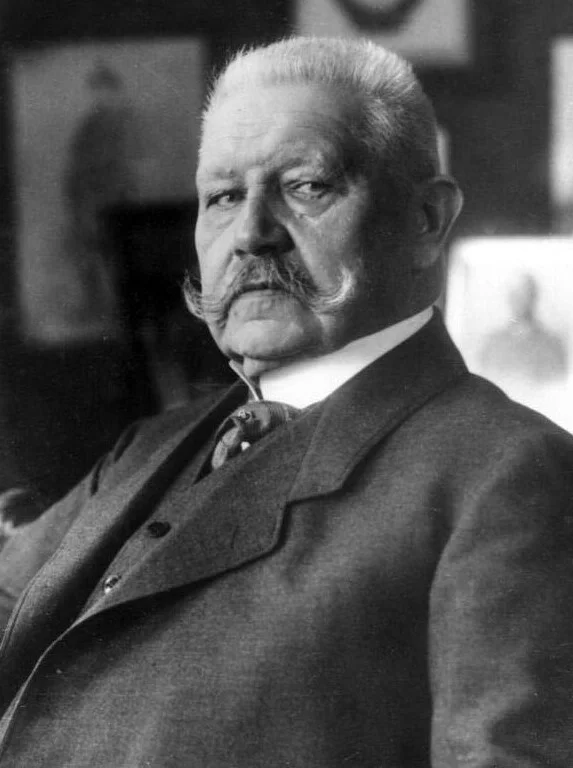
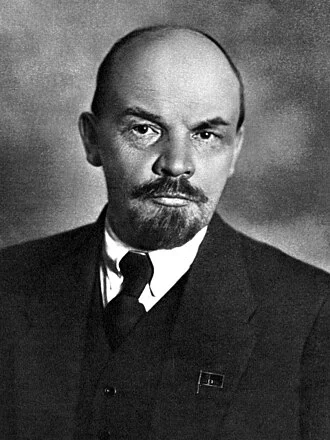
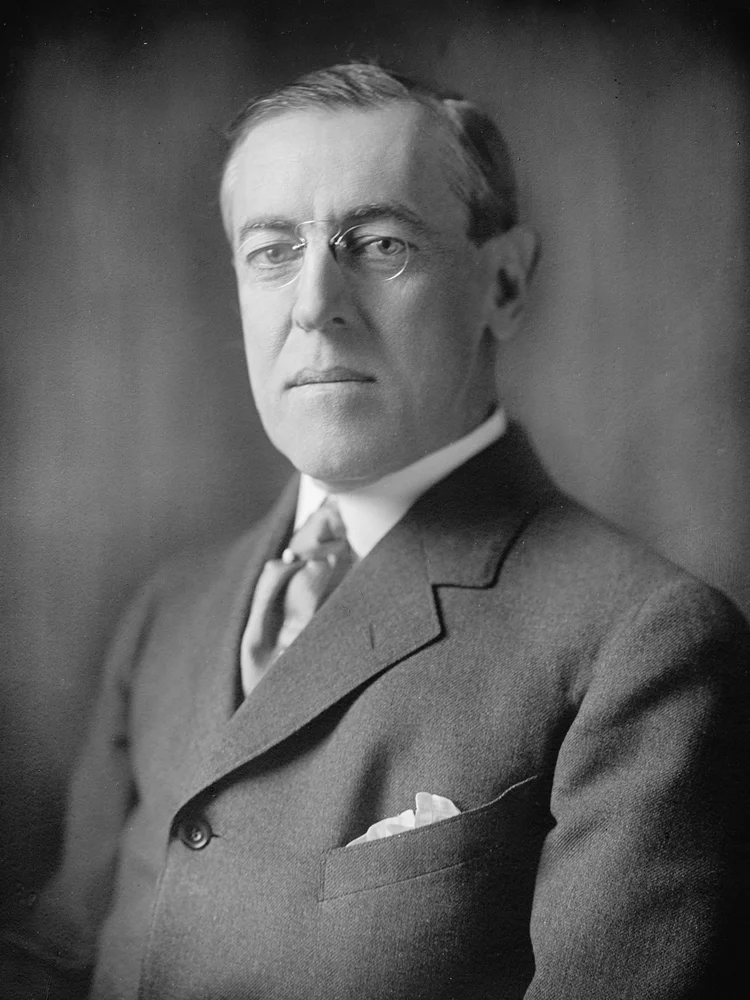
Years of unrelenting slaughter drained the vitality and moral endurance of the warring empires. Choked by Britain's suffocating naval blockade and mounting starvation, Germany gambled its survival on unrestricted submarine warfare in early 1917, sinking merchant shipping indiscriminately. This gamble proved catastrophic. Outraged by torpedoed vessels and the intercepted Zimmermann Telegram - A secret diplomatic communication issued from the German Foreign Office in January 1917, proposed by State Secretary Arthur Zimmermann to the German ambassador to Mexico. It represents one of the most consequential intelligence breakthroughs in modern military history. Anticipating that Germany's resumption of unrestricted submarine warfare would provoke American entry into World War I, Zimmermann proposed a military alliance with Mexico. In exchange for launching a war against the United States to tie down American forces, Germany promised generous financial aid and support for Mexico to reclaim its lost territories of Texas, New Mexico, and Arizona. The encrypted telegram was intercepted and deciphered by British naval intelligence ('Room 40') and subsequently presented to President Woodrow Wilson in February 1917. When published in the American press, the revelation generated nationwide outrage, decisively shattering American isolationist sentiment and directly precipitating the U.S. declaration of war against Germany in April 1917.—in which Germany proposed a military alliance with Mexico against Washington—the economic colossus of the United States under President Woodrow Wilson - 28th President of the United States who led America into World War I and championed the League of Nations and the Fourteen Points. entered the war in April 1917. Conversely, on the Eastern Front, millions of casualties and domestic famine sparked the 1917 Russian Revolution. Tsar Nicholas II abdicated as the Romanov dynasty collapsed, and following the October Revolution, the new Bolshevik government led by Vladimir Lenin - Russian communist revolutionary and leader of the Bolsheviks who returned from exile in a German 'sealed train' in 1917, seized power in the October Revolution, and pulled Russia out of World War I via the Treaty of Brest-Litovsk. signed the Treaty of Brest-Litovsk - A separate peace treaty signed on March 3, 1918, between the new Bolshevik government of Soviet Russia and the Central Powers (Germany, Austria-Hungary, the Ottoman Empire, and Bulgaria) at Brest-Litovsk (modern-day Brest, Belarus). Following the 1917 Russian Revolution and eager to fulfill the popular Bolshevik promise of 'Bread, Peace, and Land,' Vladimir Lenin sought an immediate exit from the war. Under severely disadvantageous terms, Soviet Russia surrendered control over Ukraine, Poland, Finland, and the Baltic regions (Estonia, Latvia, and Lithuania), relinquishing roughly a quarter of imperial Russian territory, a third of its population, and the bulk of its heavy coal and iron industries. The treaty eliminated the Eastern Front, allowing the German High Command to transfer nearly fifty divisions to the Western Front for the massive 1918 Spring Offensive. However, following Germany's defeat and the Armistice of November 1918, the treaty was formally annulled, paving the way for numerous independent nation-states to emerge across Eastern Europe. in early 1918, formally exiting the conflict. Free from two-front obligations, the German High Command under Field Marshal Paul von Hindenburg - German field marshal who achieved legendary status at Tannenberg and served as the second President of Germany. and Ludendorff transferred divisions westward for a titanic gamble: the 1918 Spring Offensive (Kaiserschlacht), striving to shatter Allied lines before American forces could arrive in strength.

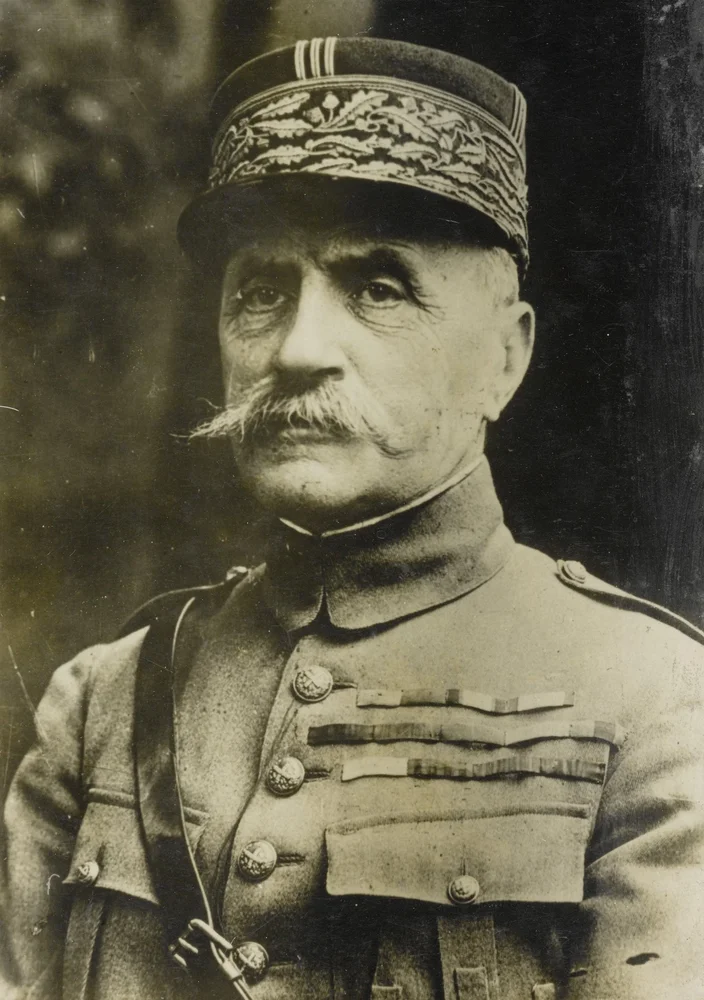
Germany's desperate Spring Offensive pushed to within striking distance of Paris, but overextended supply lines and catastrophic losses exhausted its vanguard. Regrouping under Unified Supreme Commander Ferdinand Foch - Supreme Allied Commander on the Western Front who coordinated the Hundred Days Offensive that brought World War I to an end., Allied armies launched a synchronized counteroffensive. Fueled by hundreds of thousands of fresh American 'Doughboys' arriving each month, massed armored assaults, and coordinated air power, the Hundred Days Offensive pulverized the formidable Hindenburg Line - A vast, deeply echeloned German defensive fortification built along the Western Front in northeastern France during the winter of 1916–1917. Constructed under the direction of Field Marshal Paul von Hindenburg and General Erich Ludendorff, the Germans officially designated it the Siegfried Position (Siegfriedstellung). Designed to shorten the front line and economize manpower following the grueling attrition of Verdun and the Somme, the line was the pinnacle of modern military engineering. It featured thick belts of barbed wire kilometers deep, reinforced concrete pillboxes, interconnected trench systems, subterranean troop shelters, and pre-sighted artillery zones. In the autumn of 1918, during the climactic Hundred Days Offensive, Allied forces unleashed massed armor, aviation, and infantry to shatter the formidable fortifications—most famously breaching the Saint-Quentin Canal. The collapse of the Hindenburg Line convinced the German High Command that military defeat was inevitable, directly precipitating the armistice.. Confronted by irreversible military collapse, naval mutiny at Kiel, and domestic revolution, Kaiser Wilhelm II - The last German Emperor and King of Prussia, whose aggressive foreign policy and naval expansionism alienated European powers and culminated in World War I and the collapse of the German monarchy. abdicated and fled into exile. On the eleventh hour of the eleventh day of the eleventh month of 1918, within a railway carriage in the Forest of Compiègne, the guns fell silent. Four historic empires—the German, Austro-Hungarian, Russian, and Ottoman—lay in ruins, leaving an indelible scar on human history and redrawing the global map forever.
Chronology

1914 AD

Assassination at Sarajevo - The capital and largest city of Bosnia and Herzegovina, nestled along the Miljacka River within the Dinaric Alps. Influenced by centuries of Ottoman and Austro-Hungarian rule, it boasts a unique blend of Islamic, Catholic, and Orthodox heritages. On June 28, 1914, Archduke Franz Ferdinand, heir to the Austro-Hungarian throne, and his wife Sophie were assassinated near the Latin Bridge by Gavrilo Princip. Known as the Assassination of Sarajevo, this fateful event triggered the diplomatic July Crisis and ignited World War I. and Outbreak of War

📍Sarajevo (Bosnia and Herzegovina) (Map)

On June 28, 1914, Archduke Franz Ferdinand - Heir presumptive to the Austro-Hungarian throne whose assassination in Sarajevo in 1914 precipitated World War I., heir to the Austro-Hungarian throne, was assassinated in Sarajevo - The capital and largest city of Bosnia and Herzegovina, nestled along the Miljacka River within the Dinaric Alps. Influenced by centuries of Ottoman and Austro-Hungarian rule, it boasts a unique blend of Islamic, Catholic, and Orthodox heritages. On June 28, 1914, Archduke Franz Ferdinand, heir to the Austro-Hungarian throne, and his wife Sophie were assassinated near the Latin Bridge by Gavrilo Princip. Known as the Assassination of Sarajevo, this fateful event triggered the diplomatic July Crisis and ignited World War I. by Serbia - A powerful Christian state that dominated the medieval Balkansn nationalist Gavrilo Princip - A Bosnian Serb student and member of Young Bosnia whose assassination of Archduke Franz Ferdinand in Sarajevo triggered the July Crisis and World War I.. Austria-Hungary - A multi-national dual monarchy in Central Europe ruled by the House of Habsburg from 1867 to 1918. declared war on Serbia, activating mutual defense pacts that dragged Russia, Germany, France - The system of government adopted in France from 1870 following the collapse of the Second Empire until 1940., and Britain - The global system of dominions, colonies, and protectorates under the British Crown, the largest empire in history. into a continent-wide conflict within weeks.

1914 AD

First Battle of the Marne

📍Marne River (France) (Map)

French and British forces dramatically halted the German advance toward Paris along the Marne River - A major river in northern France, stretching 514 kilometers from the Langres Plateau through Champagne before converging with the Seine River just southeast of Paris. Renowned for its picturesque vineyards, it historically served as the vital natural eastern defensive barrier protecting Paris. In September 1914, French and British armies dramatically halted the German advance towards Paris along the Marne (First Battle of the Marne). Famously aided by hundreds of Parisian taxis ferrying troops to the front line, the Allied victory permanently shattered the Schlieffen Plan and locked the Western Front into four years of bloody trench warfare. In July 1918, the Marne became the site of another pivotal clash (Second Battle of the Marne), where Allied and American forces crushed Germany's final massive offensive, turning the tide of the war and initiating the victorious Hundred Days Offensive.. Rushing reserves to the front using Parisian taxicabs, Allied counterattacks forced a German retreat, permanently wrecking the Schlieffen Plan - The operational master plan developed by German Chief of the Imperial General Staff Alfred von Schlieffen to prevent a prolonged two-front war against France and Russia. It relied on Russian mobilization taking at least six weeks, allowing Germany to rapidly defeat France first. The plan dictated a massive sweeping right-wing advance through neutral Belgium to encircle Paris from the west. However, stubborn Belgian resistance and British intervention slowed the advance, culminating in German defeat at the First Battle of the Marne and the failure of quick victory. and locking the Western Front into 700 kilometers of fortified trenches.

1915 AD – 1916 AD

Gallipoli Campaign

📍Gallipoli Peninsula (Ottoman Empire) (Map)

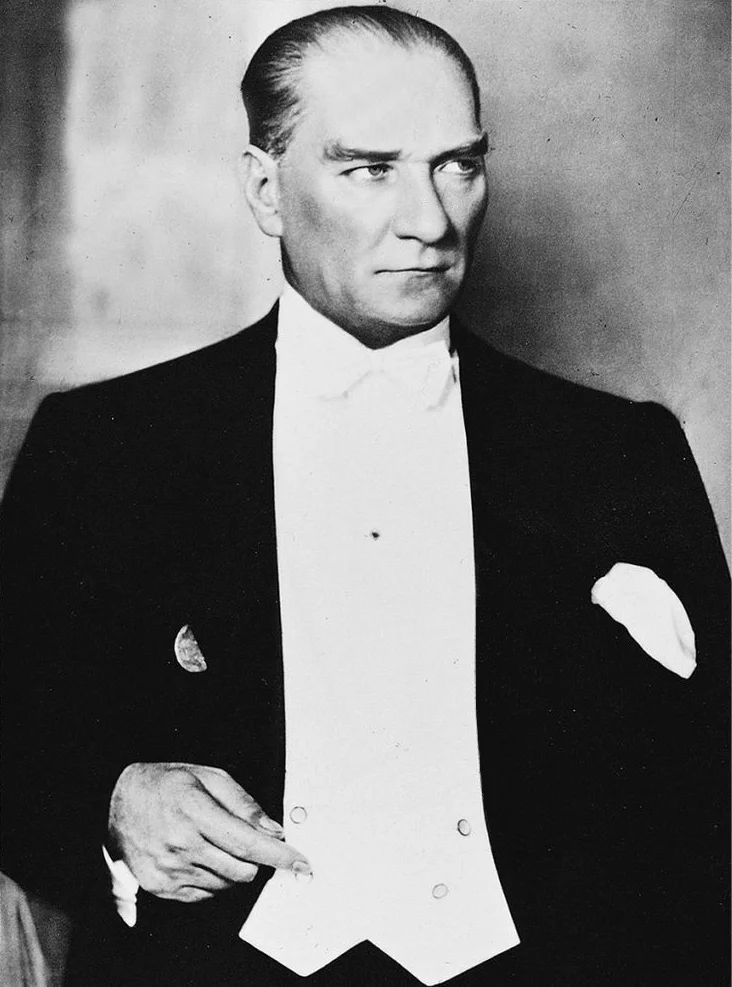
Spearheaded by British First Lord of the Admiralty Winston Churchill - British statesman who, as First Lord of the Admiralty in World War I, mobilized the Royal Navy, championed the invention of the tank, and orchestrated the disastrous Gallipoli Campaign before serving in the Western Front trenches and later leading Britain through World War II., this Allied amphibious assault aimed to knock the Ottoman Empire - The Ottoman Empire was a powerful Islamic state that began as a small Turkish tribe in Anatolia (present-day Turkey). Over six centuries, it grew into a massive superpower that stretched across three continents: Southeast Europe, Western Asia, and Northern Africa. It stood at the crossroads of the East and West, controlling vital trade routes.Osman's Dream and the FoundationLegend says the empire's founder, Osman I, had a miraculous dream in the late 13th century. He dreamed that a moon emerged from a holy man's chest and entered his own. Then, a massive tree grew from his navel, its branches covering the entire world. This dream was seen as a divine prophecy that Osman and his descendants were destined to rule a mighty empire.The Fall of ConstantinopleThe backbone of the Ottoman army was the Janissaries, elite infantry soldiers trained with intense discipline. Using these forces and massive gunpowder cannons, Sultan Mehmed II accomplished the impossible in 1453: he conquered Constantinople (present-day Istanbul). This historic victory ended the thousand-year-old Byzantine Empire, and the city became the glorious new capital of the Ottomans.The Golden AgeThe empire reached its absolute peak in the 16th century under the rule of Suleiman the Magnificent. He was not only a brilliant military commander who expanded the empire deep into Europe—even laying siege to Vienna—but also a great lawmaker and patron of the arts. During his reign, the empire was incredibly wealthy, and its culture, architecture, and science flourished.Decline and FallHowever, no empire lasts forever. Starting in the 17th century, the Ottoman Empire slowly began to weaken. It faced internal corruption, technological stagnation, and increasing pressure from rising European powers like the Russian and Habsburg Empires. By the 19th century, it was often called the 'Sick Man of Europe.' The final blow came during World War I (1914–1918), where the empire fought on the losing side. After the war, the vast empire was divided, leading to its official collapse in 1922 and the birth of the modern Republic of Turkey under the leadership of Mustafa Kemal Atatürk. out of the war and open sea supply routes to Russia through the Black Sea. Defending steep coastal ridges under commanders including Mustafa Kemal - Ottoman military commander who rose to fame by repelling the Allied landings at Gallipoli in 1915, and later founded the modern, secular Republic of Türkiye as its first president., Ottoman troops repelled Allied landings, inflicting over 250,000 casualties and forcing an evacuation after eight months.

1916 AD

Battle of Verdun

📍Verdun (France) (Map)

German offensive planned by Chief of Staff Erich von Falkenhayn - Prussian Minister of War and Chief of the German General Staff (1914–1916) who architected the attritional Battle of Verdun in an effort to bleed the French army into submission. to bleed the French army white around the historic fortress city of Verdun - A historic fortress city in northeastern France situated along the Meuse River in Lorraine. Since antiquity, it guarded the eastern approaches toward Paris and was fortified with modern subterranean rings of forts, including Fort Douaumont. In 1916, German Chief of Staff Erich von Falkenhayn targeted Verdun to 'bleed the French army white,' sparking the grueling 10-month Battle of Verdun. Costing over 700,000 casualties, the French defense under Philippe Pétain held firm, rendering Verdun an enduring global symbol of national sacrifice.. Under General Philippe Pétain - French Marshal celebrated as the 'Lion of Verdun' for his successful defense and humane troop rotation system in World War I, before his tragic downfall as leader of collaborationist Vichy France in World War II., French forces rallied behind the slogan 'They shall not pass,' enduring ten months of intense artillery barrages that produced over 700,000 casualties in the war's longest battle.

1916 AD

Battle of the Somme

📍Somme River (France) (Map)

Massive Franco-British joint offensive under General Douglas Haig - British Field Marshal who commanded the British Expeditionary Force on the Western Front from 1915 to 1918, overseeing the costly battles of the Somme and Passchendaele before leading British forces to victory in the Hundred Days Offensive. launched along the Somme - A tranquil river flowing through the Picardy region of northern France into the English Channel. Historically characterized by chalk valleys and peaceful farmland, its surrounding hills became one of the most famous battlegrounds of the Western Front. In July 1916, British and French armies launched a joint offensive along the Somme to relieve pressure on Verdun. The campaign witnessed over one million casualties, including the catastrophic British first-day loss of 19,240 men, and saw the first battlefield deployment of tanks. to relieve pressure on Verdun. Despite suffering 57,000 British casualties on the first day alone, the campaign witnessed the historic combat debut of the tank - An armored fighting vehicle designed as a primary offensive weapon in front-line ground combat, combining heavy operational firepower, strong armor protection, and all-terrain caterpillar tracks. It was secretly developed by Great Britain to break the bloody stalemate of Western Front trench warfare. The vehicle was code-named 'water tank' to maintain industrial secrecy, giving rise to its enduring name. The British Mark I made its combat debut at the Battle of the Somme in September 1916, crushing barbed wire and machine-gun nests to inaugurate modern armored warfare.. By November, over one million casualties were sustained for less than ten kilometers of territorial gain.

1916 AD

Battle of Jutland

📍North Sea off Jutland (Map)

The clash of British and German dreadnought fleets off Denmark's coast, the largest naval fleet action of the war. While the German High Seas Fleet sank more British battlecruisers, Britain preserved its strategic naval blockade of Germany, forcing the Kaiser's navy to rely on unrestricted submarine warfare.

1918 AD

Hundred Days Offensive and Compiègne Armistice

📍Western Front and Compiègne (France) (Map)

Allied general offensive led by Marshal Ferdinand Foch - Supreme Allied Commander on the Western Front who coordinated the Hundred Days Offensive that brought World War I to an end., combining American manpower with massed tanks and air support to rupture the German Hindenburg Line - A vast, deeply echeloned German defensive fortification built along the Western Front in northeastern France during the winter of 1916–1917. Constructed under the direction of Field Marshal Paul von Hindenburg and General Erich Ludendorff, the Germans officially designated it the Siegfried Position (Siegfriedstellung). Designed to shorten the front line and economize manpower following the grueling attrition of Verdun and the Somme, the line was the pinnacle of modern military engineering. It featured thick belts of barbed wire kilometers deep, reinforced concrete pillboxes, interconnected trench systems, subterranean troop shelters, and pre-sighted artillery zones. In the autumn of 1918, during the climactic Hundred Days Offensive, Allied forces unleashed massed armor, aviation, and infantry to shatter the formidable fortifications—most famously breaching the Saint-Quentin Canal. The collapse of the Hindenburg Line convinced the German High Command that military defeat was inevitable, directly precipitating the armistice.. Facing military exhaustion and revolution at home, Kaiser Wilhelm II - The last German Emperor and King of Prussia, whose aggressive foreign policy and naval expansionism alienated European powers and culminated in World War I and the collapse of the German monarchy. abdicated and Germany signed the Armistice in a railway carriage at Compiègne on November 11, 1918, ending four years of warfare.

Art & Heritage

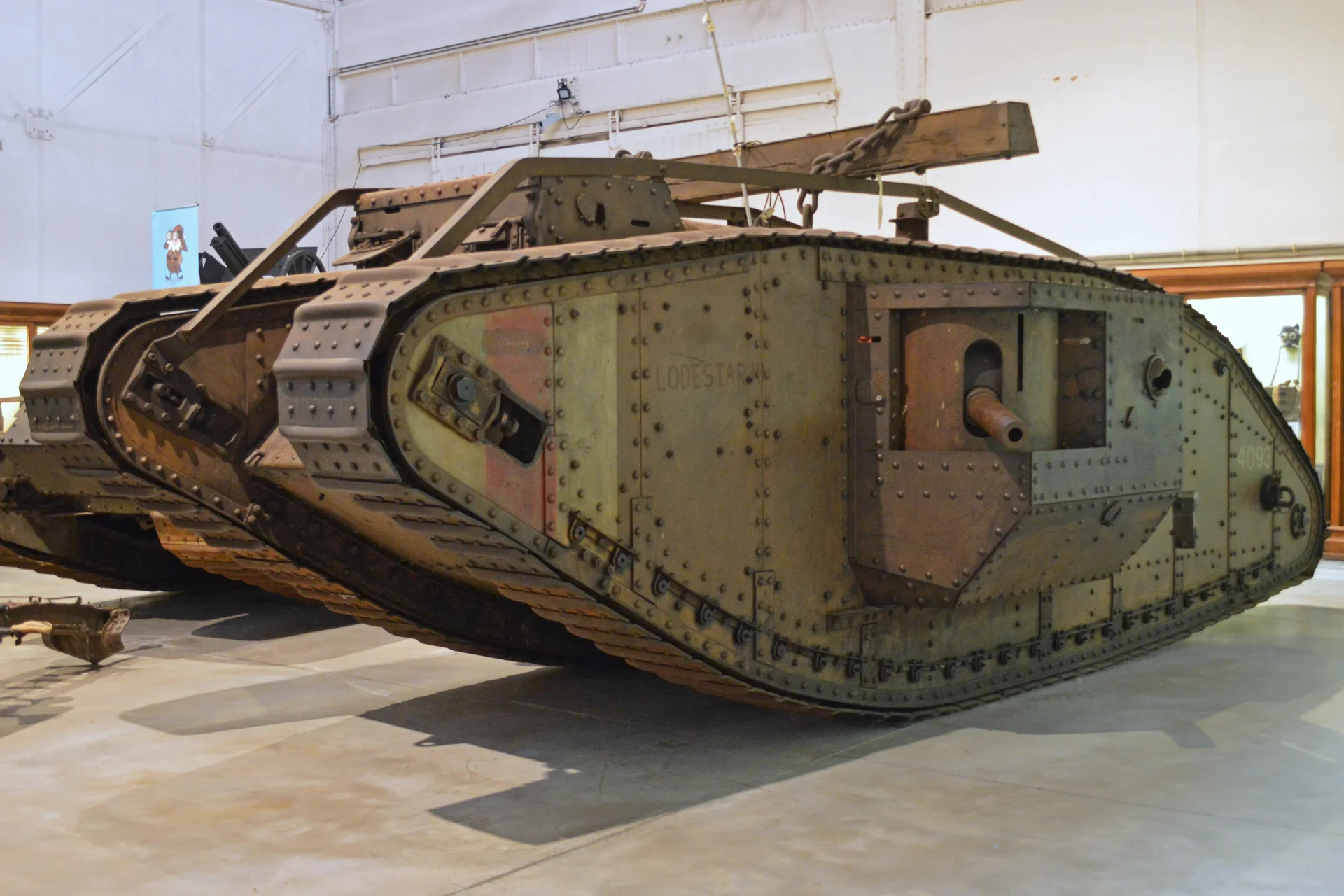
British Mark IV Heavy Male Tank

British Mark IV Heavy Male Tank

Metropolitan Carriage, Wagon and Finance Co. / British War Office, 1917

🏛️ Royal Military Museum, Brussels, Belgium

Introduced in May 1917, the British Mark IV heavy tank was produced in 'male', 'female', and tender variants. This vehicle is a 'male' variant armed with two 6-pounder guns and three Lewis machine guns. Believed to have served with the 12th Battalion, Royal Tank Corps during the assault on the Hindenburg Line near Cambrai in 1918, it was presented by the UK after the war and is preserved at the Royal Military Museum in Brussels, Belgium.

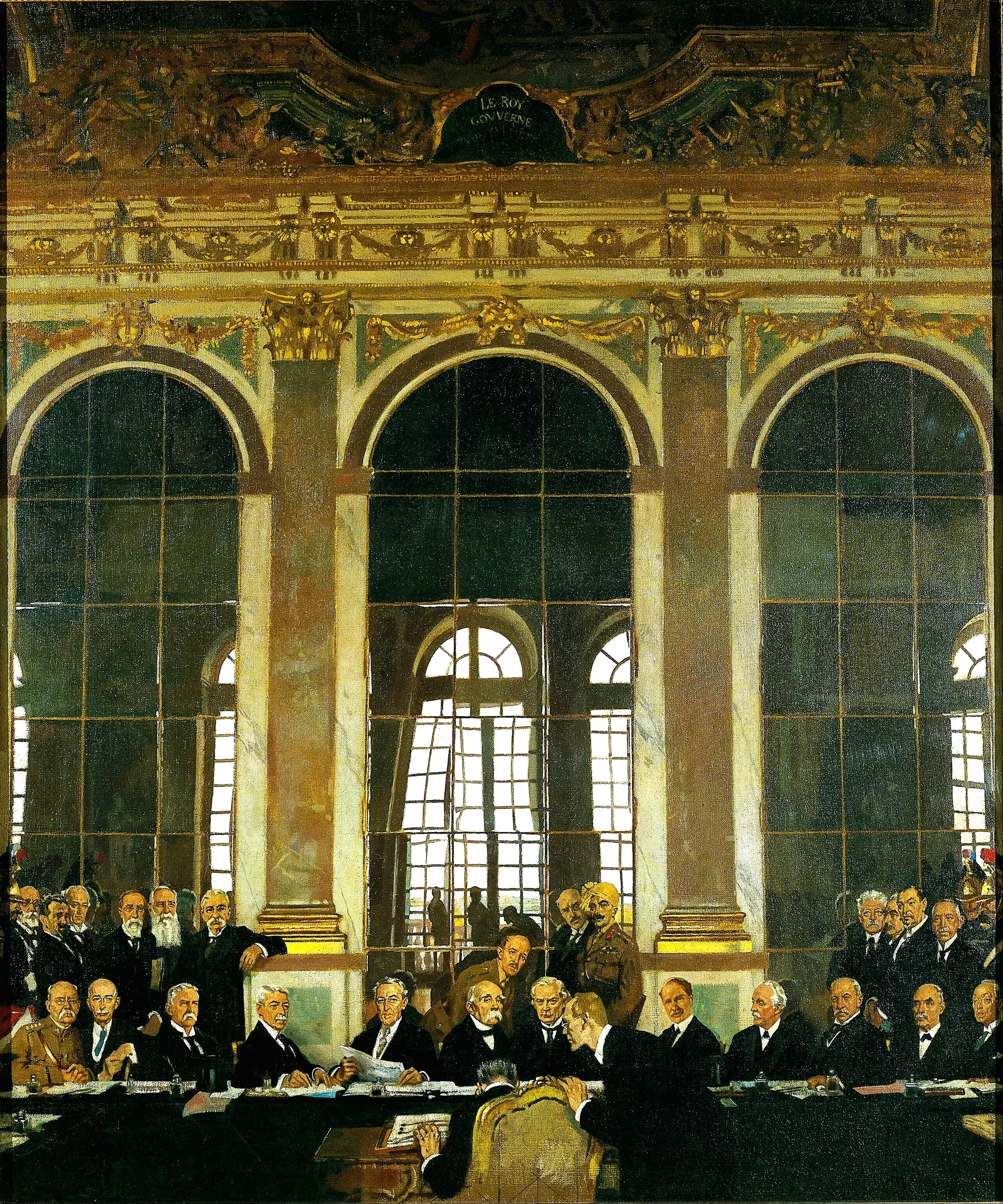
The Signing of Peace in the Hall of Mirrors, Versailles

The Signing of Peace in the Hall of Mirrors, Versailles

Sir William Orpen, 1919

🏛️ Imperial War Museums, London

A monumental oil painting capturing the Allied leaders and German delegates assembled in the Hall of Mirrors at Versailles on June 28, 1919, officially concluding World War I and establishing the League of Nations.

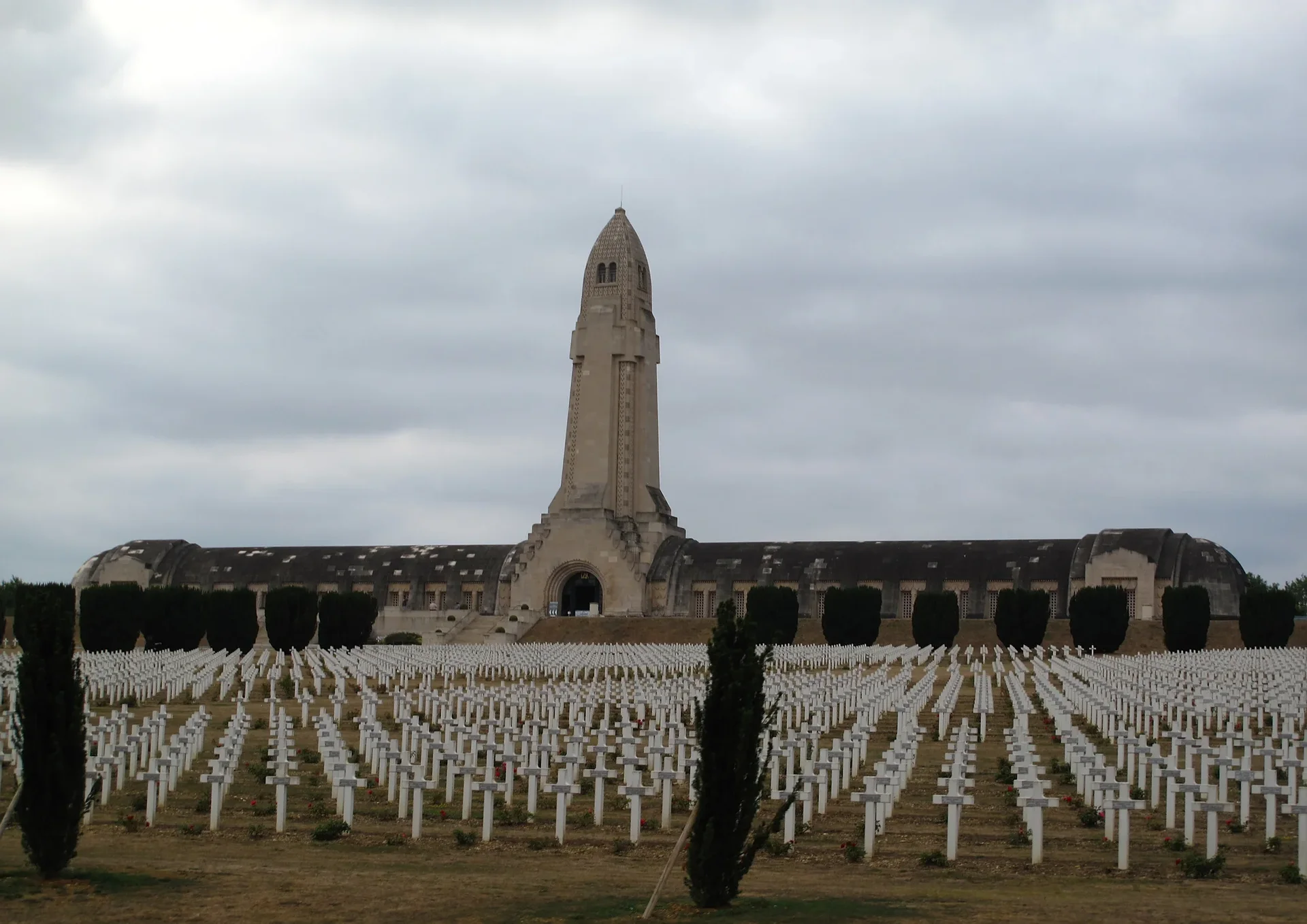
Douaumont Ossuary Memorial at Verdun

Douaumont Ossuary Memorial at Verdun

Léon Azéma, 1932 (Commemorating 1916 Battle)

🏛️ Verdun Memorial National Cemetery, Douaumont, France

A solemn memorial housing the skeletal remains of at least 130,000 unidentified French and German soldiers who perished during the grueling 10-month Battle of Verdun, standing as a global monument to reconciliation and the horrors of attritional warfare.

Related Videos

World War 1 (All Parts, 4k)

Films & Series

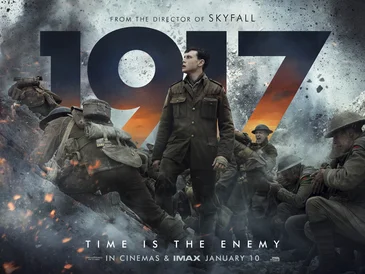
1917
Film 2019

1917

🏆 Winner of 3 Academy Awards (Cinematography, Visual Effects, Sound Mixing) & 2 Golden Globes

Two British lance corporals are tasked with an urgent mission during World War I to cross enemy lines and deliver a critical message calling off a doomed assault, saving 1,600 soldiers.

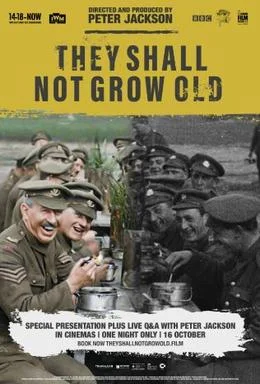
They Shall Not Grow Old
Documentary 2018

They Shall Not Grow Old

⭐ BAFTA Nominee for Best Documentary

Directed by Peter Jackson using meticulously restored and colorized archival footage alongside authentic veteran voice recordings, bringing the humanity and daily realities of World War I soldiers to life.

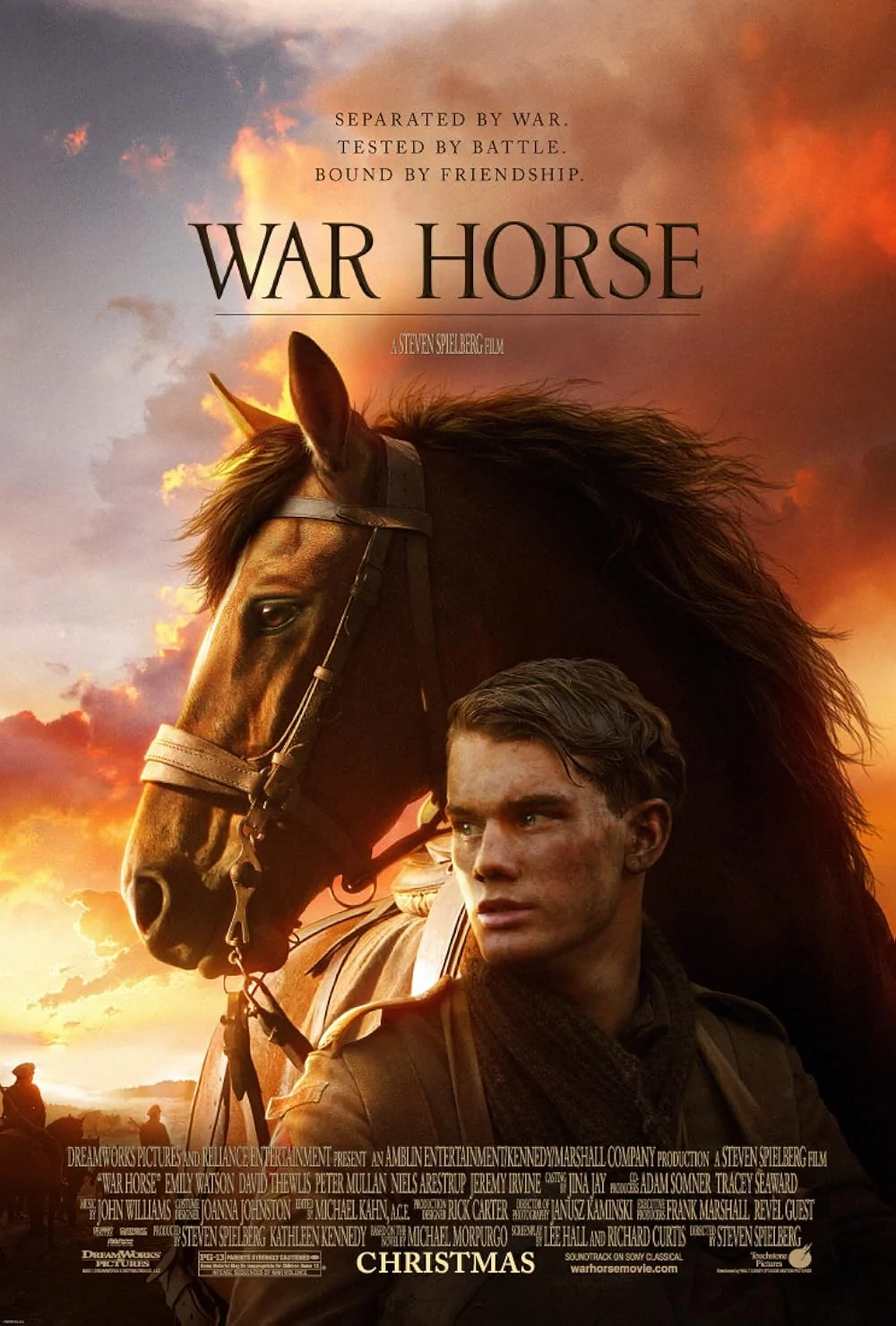
War Horse
Film 2011

War Horse

🏆 Nominated for 6 Academy Awards (including Best Picture)

Directed by Steven Spielberg, this sweeping epic follows Joey, a beloved horse requisitioned into the British cavalry during World War I, journeying through the trials of the Western Front.

History Quiz

1 / 10

Who was the heir to the Austro-Hungarian throne whose assassination by Gavrilo Princip in Sarajevo on June 28, 1914, sparked World War I?