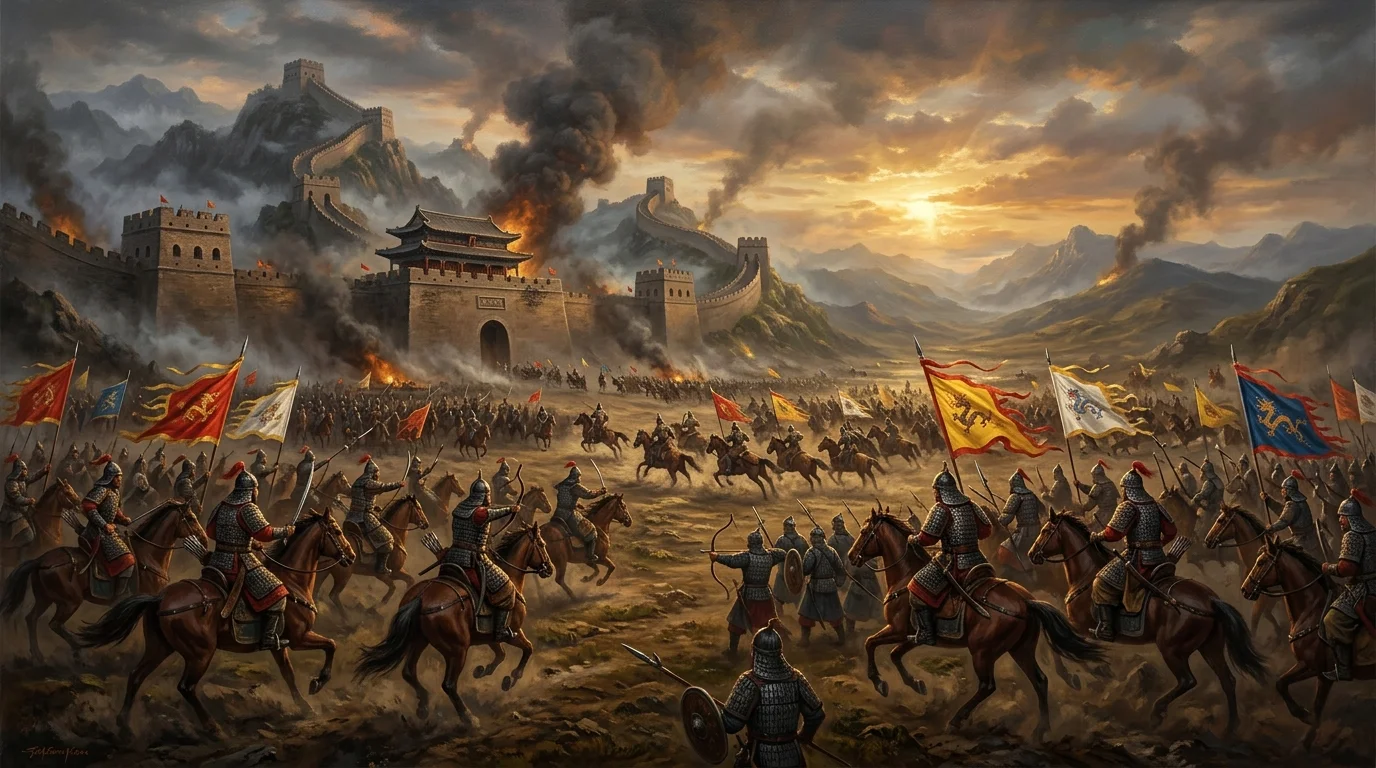
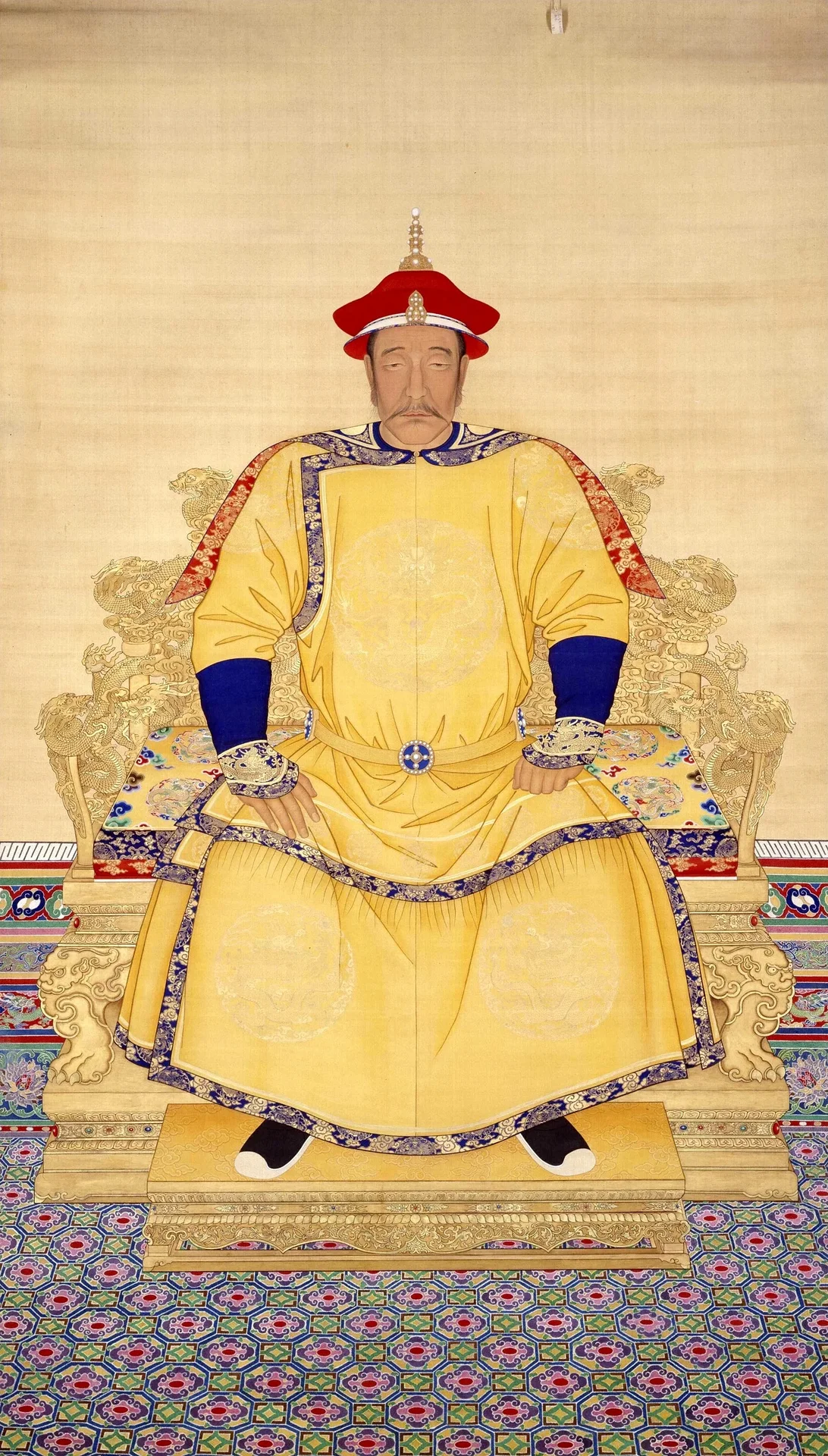
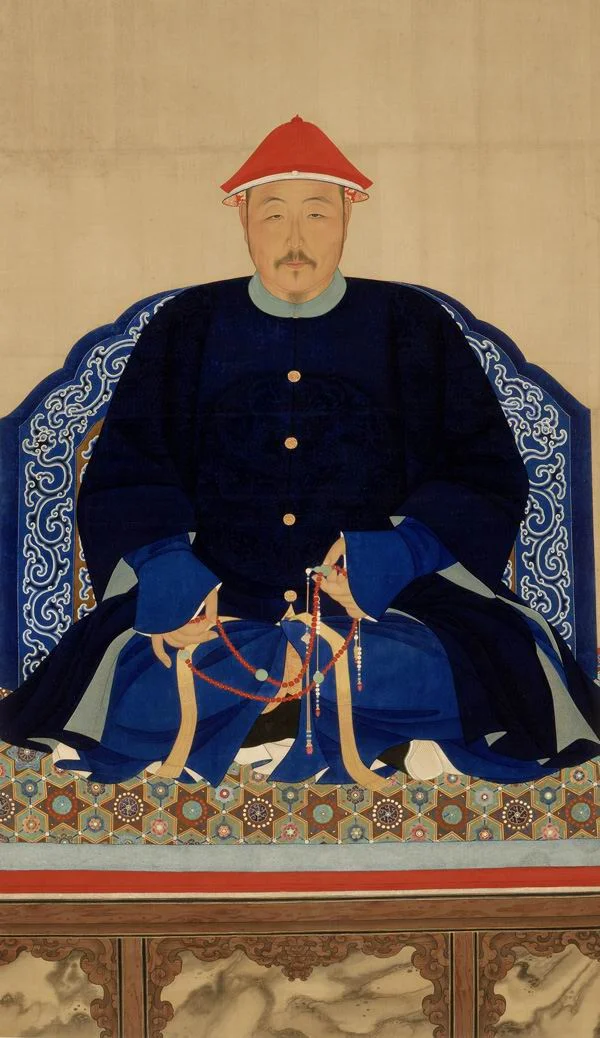
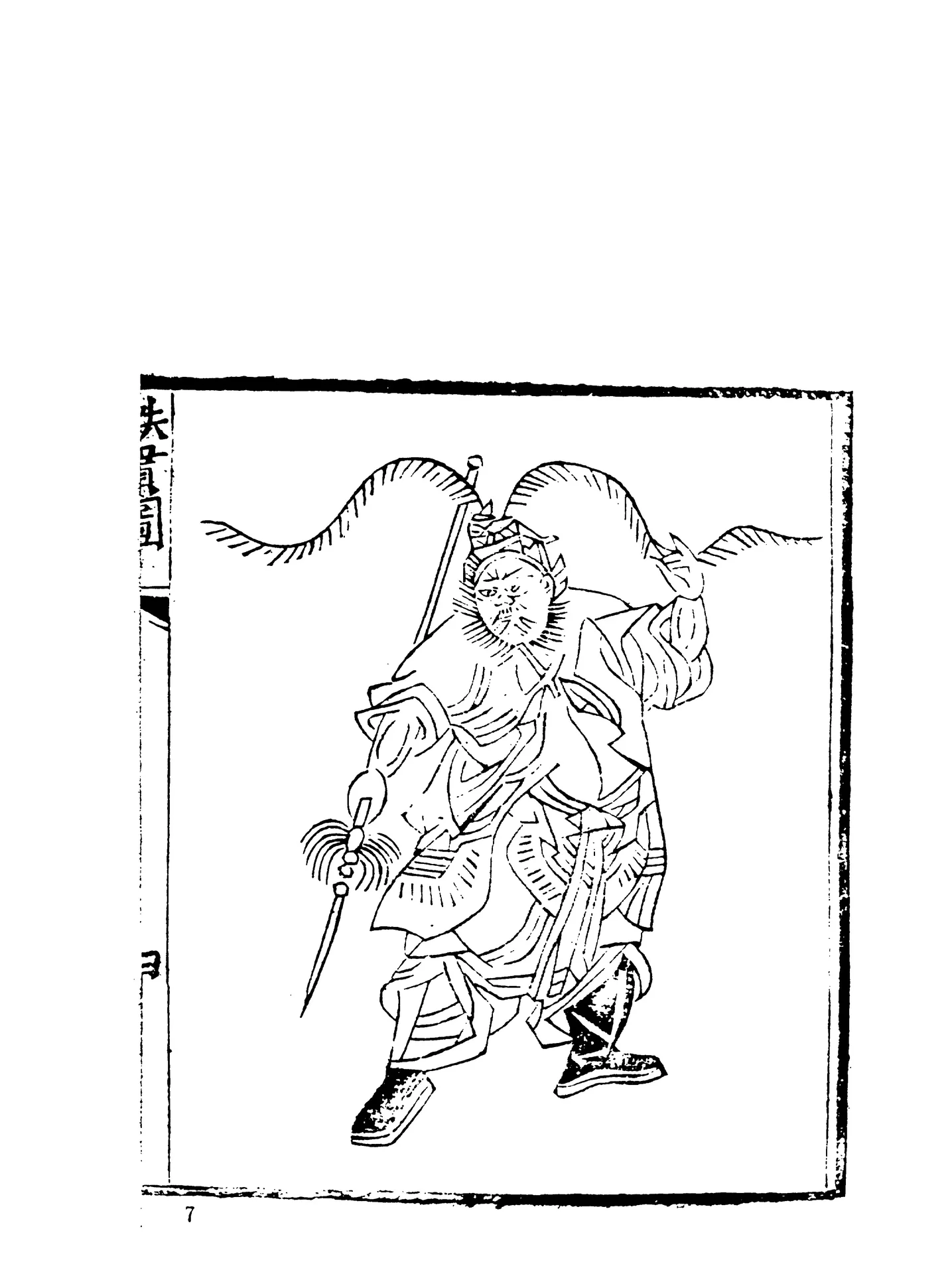
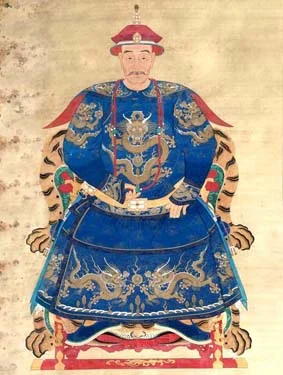
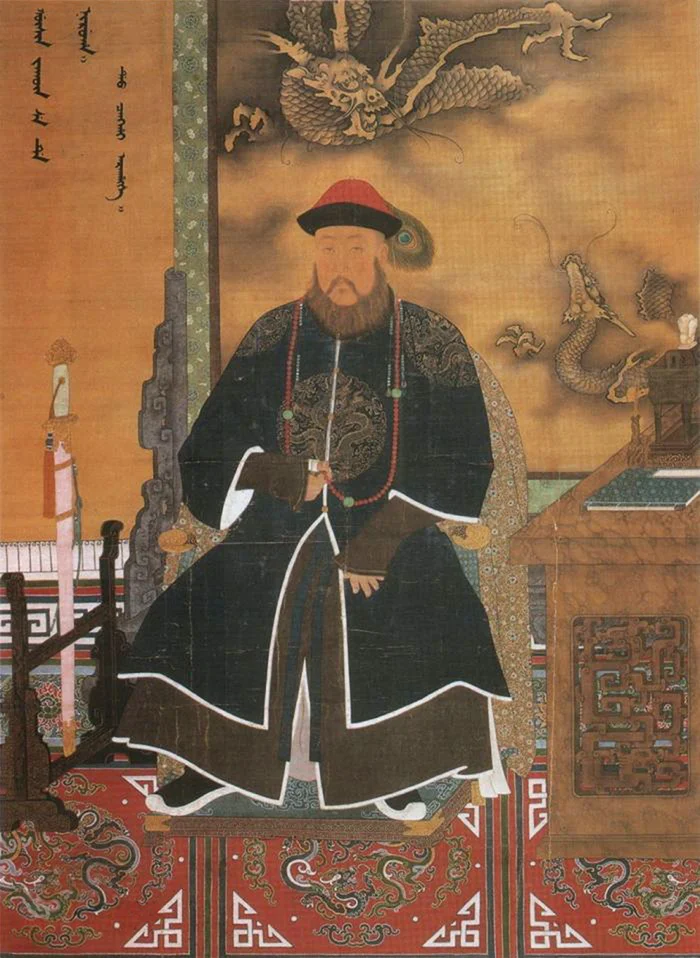
In the late 16th century, while the Ming court expended treasure and elite divisions repelling the Japanese invasion of Korea, Jurchen chieftain Nurhaci - The visionary Jurchen chieftain who rose with thirteen suits of armor to unite feuding tribes and forge the Eight Banners. methodically consolidated northern tribes. He instituted the Eight Banners - The Eight Banners was an administrative and military organization established in the early 17th century by Nurhaci, the founder of the Later Jin. Derived from traditional Jurchen hunting squads (niru), the population was organized under eight distinct flags—four solid colors (Yellow, White, Red, Blue) and four bordered variations. During peacetime, bannermen farmed and herded, but mobilized rapidly as unified units in wartime.Famed for their iron discipline and deadly horse archery, the Banner armies served as the vanguard in the conquest of Ming China. The system later expanded to incorporate Mongol and Han Chinese banners, forming the bedrock of the Qing imperial state.—a martial-social structure transforming hunting bands into disciplined shock troops—and established the Later Jin - The last imperial dynasty of China, established by the Manchus and ruling a vast Eurasian empire in 1616 at his stronghold of Hetu Ala - Hetu Ala (meaning 'Broad Hill' in the Manchu language) was a fortified mountain city located in modern Xinbin County, Liaoning Province. Naturally protected by rugged hills and rivers, it served as the cradle of the Jianzhou Jurchens and the first imperial capital of the Later Jin dynasty under Nurhaci.In 1616, Nurhaci was enthroned here as Khan, proclaiming the founding of the Later Jin and instituting the formidable Eight Banners system. It was also at Hetu Ala in 1618 where he read aloud the 'Seven Great Grievances' against the Ming to Heaven before mobilizing his forces to initiate open warfare.Although the Qing capital later moved to Liaoyang, Shenyang, and finally Beijing, Hetu Ala remained deeply revered throughout imperial history as Hingking ('Capital of Prosperity'), the sacred ancestral homeland where the dynasty was born. (modern Xinbin, Lia - The Little Ice Age was a prolonged period of regional cooling extending approximately from the 14th to the mid-19th century. Driven by diminished solar activity and volcanic sulfur veils, it brought bitterly harsh winters, erratic monsoons, and widespread crop failures across Eurasia.During the early 17th century, the cooling reached a freezing nadir. Catastrophic droughts and locust plagues crippled Chinese agriculture, driving starving peasants into massive uprisings led by Li Zicheng that toppled the Ming Dynasty, while concurrently intensifying the devastation of the Thirty Years' War in Europe.oning). In 1618, he proclaimed his "Seven Great Grievances" to Heaven at Hetu Ala and mobilized his army, formally initiating open warfare against Ming dominance. When a 100,000-strong Ming and Joseon - A Confucian kingdom on the Korean Peninsula founded by Yi Seong-gye in 1392, which ruled for over five centuries and created the Hangeul alphabet. coalition advanced in four converging columns in 1619, Nurhaci famously declared, "Though you come in several routes, I shall go by only one." Refusing to divide his army, he concentrated his full host along interior lines to crush each isolated enemy column in succession at the Battle of Sarhū, conquering the fertile Liaodong basin.
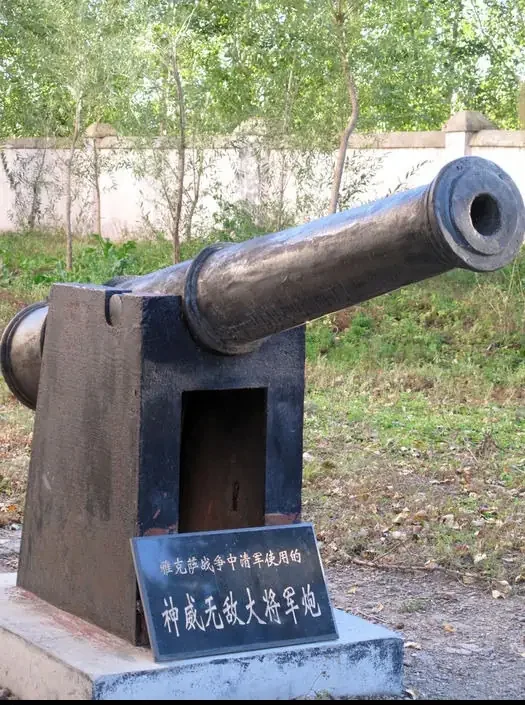
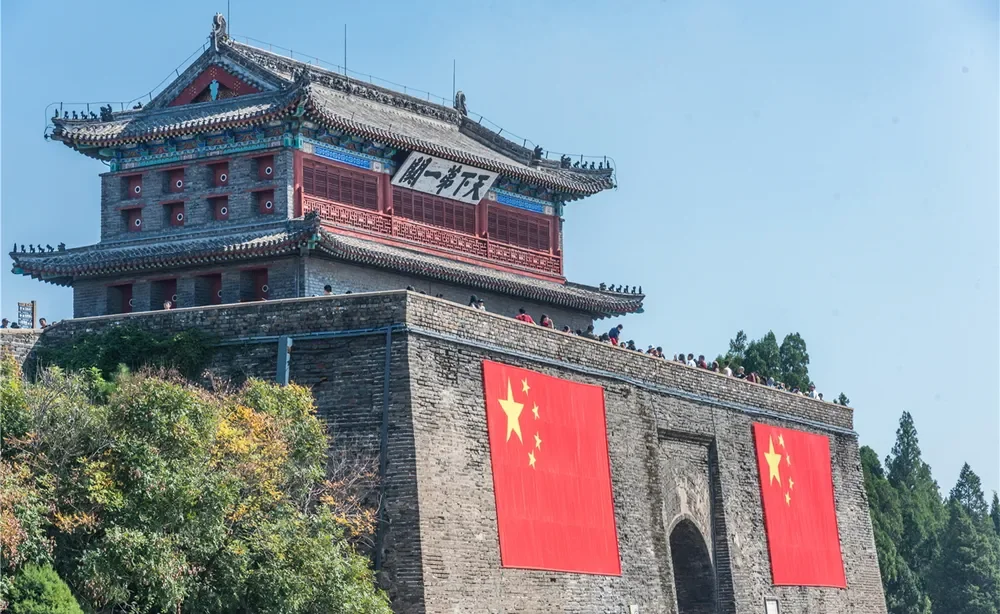
Following the catastrophe at Sarhū, as Later Jin forces swept across the Liaodong plains, the panicked Ming court proposed abandoning all frontier territories to hunker behind Shanhai Pass - The Shanhai Pass (literally 'Pass of Mountain and Sea') is a monumental fortress at the eastern terminus of the Great Wall of China, located in modern Qinhuangdao, Hebei. Wedged snugly between the precipitous Yan Mountains to the north and the waters of the Bohai Sea to the south, it completely seals the narrow coastal bottleneck connecting Manchuria with China proper, famously inscribed as the 'First Pass Under Heaven.'The defensive complex sweeps down from the rugged crests of the northern mountains, envelops the fortified central citadel and its bastions, and crosses the coastal plain until the Great Wall plunges directly into the breaking sea at Laolongtou ('Old Dragon's Head'). As the ultimate choke point shielding Beijing, the Ming court garrisoned its elite Guanning cavalry and heavy artillery here as the realm's last line of defense.In May 1644, following the capture of Beijing by rebel leader Li Zicheng, Ming general Wu Sangui flung open the fortified gates to Qing regent Prince Dorgon. Manchu heavy cavalry swept unobstructed through the pass, decisively routing the rebels and securing the gateway for the Qing conquest of China.—the eastern terminus of the Great Wall - The Great Wall of China is a series of fortifications built across the historical northern borders of ancient Chinese states and Imperial China as protection against various nomadic groups from the Eurasian Steppe. The construction of the wall spanned over two millennia, with major sections built during the Qin, Han, and Ming dynasties. According to legendary lore, the tragic myth of Meng Jiangnü tells of a devoted wife whose tears of grief for her husband—who died of exhaustion while building the wall—were so intense that they collapsed a massive section of the stone wall, revealing his bones. It serves as an enduring symbol of both engineering grandeur and human sacrifice. and the final gateway safeguarding Beijing. Rejecting this retreat, scholar-official Yuan Chonghuan - The indomitable Ming commander who deployed European cannons to repel the Manchus, only to fall victim to imperial paranoia. fiercely countered that cowering inside the pass courted total collapse. He boldly marched 100 kilometers beyond Shanhai Pass into enemy territory, transforming the isolated outpost of Ningyuan into a forward bulwark to shield the realm. Yuan heavily rebuilt Ningyuan Fortress - Ningyuan Fortress (modern Xingcheng Ancient City in Liaoning) is a premier stone citadel guarding the Liaoxi Corridor—the vital coastal bottleneck connecting Manchuria and Beijing. Enclosed by tall crenellated granite ramparts, massive barbicans, and protruding bastions, it was masterfully engineered to repel heavy cavalry sieges.In 1626, commander Yuan Chonghuan mounted Portuguese-cast Hongyipao cannons along the battlements and famously repelled Nurhaci's 130,000-man army at the Battle of Ningyuan, inflicting the first defeat of the Manchu founder's career. It remains one of the best-preserved Ming dynasty walled citadels in China. with thick stone walls and mounted heavy European muzzle-loading culverins (Hongyipao - The Hongyipao was a heavy, powerful European cast bronze and iron cannon (primarily culverins) introduced to late Ming China through Dutch merchant vessels and Portuguese traders in Macao. The name 'Hongyi' (literally 'Red Barbarian') originated from the contemporary Ming term for Westerners—especially Dutch and English traders with reddish or fair hair—whom they called 'Hongmao Yi' (Red-haired Barbarians); thus, Hongyipao meant 'Cannons of the Western Barbarians'. Later, the Qing imperial court substituted the character 'Yi' (Barbarian) with 'Yi' (Cloth/Robe) to avoid the derogatory label, renaming them 'Hongyipao' (Red Robe Cannons).The weapon featured a long, heavy barrel and operated on a 'muzzle-loading' mechanism. Unlike modern breech-loaders, gunpowder and solid iron cannonballs were rammed in through the front muzzle of the barrel. Although reloading was more labor-intensive, the solid, seamless cast breech prevented propellant gases from leaking, allowing it to withstand immense explosive pressure. Coupled with advanced European metallurgy, the Hongyipao delivered far greater range and devastating battering power against stone fortifications than earlier Chinese artillery.In the 1626 Battle of Ningyuan, Ming commander Yuan Chonghuan famously mounted Hongyipao along the fortress ramparts, inflicting catastrophic casualties on Nurhaci's advancing Later Jin cavalry and securing a historic victory. Profoundly impressed by this destructive power, the Manchus later recruited Han foundry artisans to mass-produce their own Hongyipao, transforming these western siege guns into a decisive instrument for breaching Chinese fortresses and completing the Qing conquest.) along its battlements. When Nurhaci besieged Ningyuan in 1626 with 130,000 warriors, Yuan's artillery - A powerful weapon that uses gunpowder to launch heavy stone or metal balls. The core component, gunpowder, was accidentally invented in ancient China by alchemists searching for an elixir of immortality. Initially used in bamboo tubes as 'fire lances' to shoot flames, it eventually evolved into sturdy metal barrels, becoming the large cannons we recognize today. This terrifying new weapon spread rapidly from China to the Islamic world and Europe through the conquests of the Mongol Empire and the trade routes of the Silk Road. By the 15th century, cannons had become decisive weapons in major historical conflicts. In 1453, during the final Battle of Castillon of the Hundred Years' War, the French army successfully deployed early field artillery to obliterate the English forces. In that very same year (1453), the Ottoman Empire used massive super-sized cannons—most notably the 8-meter-long 'Basilica' designed by Orban—to shatter the impenetrable walls of Constantinople, conquering the Byzantine Empire. The introduction of cannons revolutionized warfare. They could easily smash through the thick stone walls of castles and easily defeat heavily armored knights, bringing an end to traditional medieval warfare. unleashed lethal crossfire that shattered the assaulting columns. Humiliated by his first lifetime defeat and wounded by artillery shrapnel, Nurhaci died months later. His successor, Hong Taiji - The architect of the Great Qing who subdued Mongolia and Joseon, built a modern artillery corps, and paved the road into China proper., was likewise rebuffed at Ningyuan. Thwarted from frontal assault, Hong Taiji in 1629 swung his army westward across the Mongolian steppe, breaching the poorly fortified northwest passes of the Great Wall to march straight onto Beijing's doorstep. Although Yuan rushed day and night to repel the invaders outside the capital walls, Hong Taiji staged a cunning disinformation scheme: Qing officers loudly staged false conversations about secret collusions with Yuan within earshot of captured Ming eunuchs, then allowed one eunuch to escape and report the fabrication to the throne. Paralyzed by suspicion and humiliated by the enemy at his gates, the Chongzhen Emperor fell into the trap, executing his premier defender by slow slicing—a fatal act of imperial self-destruction.
With Yuan eliminated, Qing Emperor Hong Taiji subdued Inner Mongolia, proclaimed the Great Qing dynasty, and launched the 1636 invasion of Joseon, compelling King Injo's submission. Meanwhile, Ming China was imploding from within under the Little Ice Age, which triggered catastrophic droughts, locust plagues, and exorbitant frontier surtaxes (Liaoxiang) levied on destitute peasants. Li Zicheng, a laid-off postal courier from Shaanxi, rallied starving millions into open rebellion. Raiding corrupt granaries to distribute grain and proclaiming the revolutionary slogan "Equalize land and abolish taxes" (Juntian Mianfu), he won feverish popular acclaim as the "Dashing King - Peasant rebel leader who capitalized on devastating famines to overthrow the Ming Dynasty and establish the short-lived Shun Dynasty before falling to the Qing at Shanhai Pass." (Chuang Wang, meaning a bold leader who smashes through enemy lines). After seizing the strategic Yellow River fortress of Luoyang in 1641, Li proclaimed himself emperor in Xi'an in early 1644, establishing the Great Shun dynasty, and swept toward Beijing. In April 1644, rebel columns breached Beijing's gates. In despair, the Chongzhen Emperor hanged himself from a tree on Jingshan Hill - Jingshan (Prospect Hill) is an imperial garden and artificial hill located immediately north of the Forbidden City in Beijing, China. It was created during the reign of the Yongle Emperor of the Ming Dynasty using the earth excavated to build the imperial palace moats and surrounding canals. It was also long known as Meishan (Coal Hill) due to a popular legend that large stockpiles of coal were buried beneath it for emergencies.In feng shui traditions, the hill served as an indispensable 'guardian peak' (Zhenshan) to shield the Forbidden City from harsh northern winds and negative spiritual energies. Five ornamental pavilions were constructed across its ridges, offering imperial royalty a tranquil retreat with breathtaking panoramic vistas over the golden roofs of the palace complex.The hill is historically famous as the site of the tragic fall of the Ming Dynasty in April 1644. When peasant rebel forces under Li Zicheng breached the capital's gates, the despairing Chongzhen Emperor fled the palace and hanged himself from a scholar tree on the eastern slope of Jingshan. Today, Jingshan Park is a celebrated historic landmark where visitors enjoy sweeping aerial views of the Forbidden City., bringing 276 years of direct Ming imperial rule to a tragic end.
Following the fall of Beijing to the Shun rebellion, Ming supreme commander Wu Sangui - The fateful frontier general who surrendered the Shanhai Pass to the Manchus, later raising the colossal Revolt of the Three Feudatories. at Shanhai Pass was caught in a lethal pincer between the rebel horde and the advancing Manchus. Upon entering the Forbidden City, Li Zicheng's victorious troops rapidly deteriorated into undisciplined plunder, while rebel officers made the fatal error of imprisoning Wu's father and abducting his beloved concubine, Chen Yuanyuan. Enraged by this family disgrace, Wu made the fateful decision to unbar the Great Wall and invite the Qing army inside. In May 1644, at the Battle of Shanhai Pass (Yipianshi), Prince Regent Dorgon - Prince Regent of the Qing Dynasty who spearheaded the conquest of China, seizing Beijing after breaching Shanhai Pass and laying the foundations of imperial Qing rule.'s Eight Banners and Wu's forces annihilated Li Zicheng's Shun army amid blinding dust storms and marched into Beijing. To pacify the realm and claim imperial legitimacy, the Qing staged a solemn state funeral for the fallen Chongzhen Emperor and retained Ming literati officials in high administrative posts.
Qing armies subsequently pursued Ming loyalist pretenders across southern China and imposed the queue - The Queue Order (Tifaling) was an imperial decree enacted in 1645 by the Qing regent Prince Dorgon, mandating all adult Han Chinese men to adopt the traditional Jurchen-Manchu hairstyle. It required shaving the forehead and temples while braiding the remaining hair at the crown into a long queue, serving as an absolute litmus test of loyalty to the Manchu regime.Enforced with the brutal ultimatum: "Keep your hair and lose your head, or keep your head and cut your hair," the decree met fierce moral and physical resistance across Jiangnan, resulting in devastating punitive massacres. Over time, the queue became firmly entrenched as the universal symbol of imperial Qing subjects. decree to enforce allegiance. In 1673, Wu Sangui and fellow feudatories revolted against the centralizing Kangxi Emperor, plunging China into the grueling eight-year Revolt of the Three Feudatories - The Revolt of the Three Feudatories (1673–1681) was a massive eight-year civil war launched by three defected Han generals—Wu Sangui, Shang Zhixin, and Geng Jingzhong—who governed semi-independent hereditary domains in southern China as a reward for aiding the Manchu conquest.When the young Kangxi Emperor sought to consolidate imperial power by dismantling the feudatories, Wu Sangui rebelled under the banner of restoring Ming rule. Controlling vast territory south of the Yangtze, the rebels pushed the young Qing empire to the brink of collapse. However, internal rivalries and Kangxi's unwavering strategic counteroffensives steadily ground down the rebellion, concluding in total Qing victory and cementing direct imperial rule.. Through iron perseverance and naval innovation, Kangxi suppressed the revolt. Finally, in 1683, Admiral Shi Lang led 300 warships to crush the naval fortress of Taiwan, completing the 65-year conquest and inaugurating the Pax Manjurica.