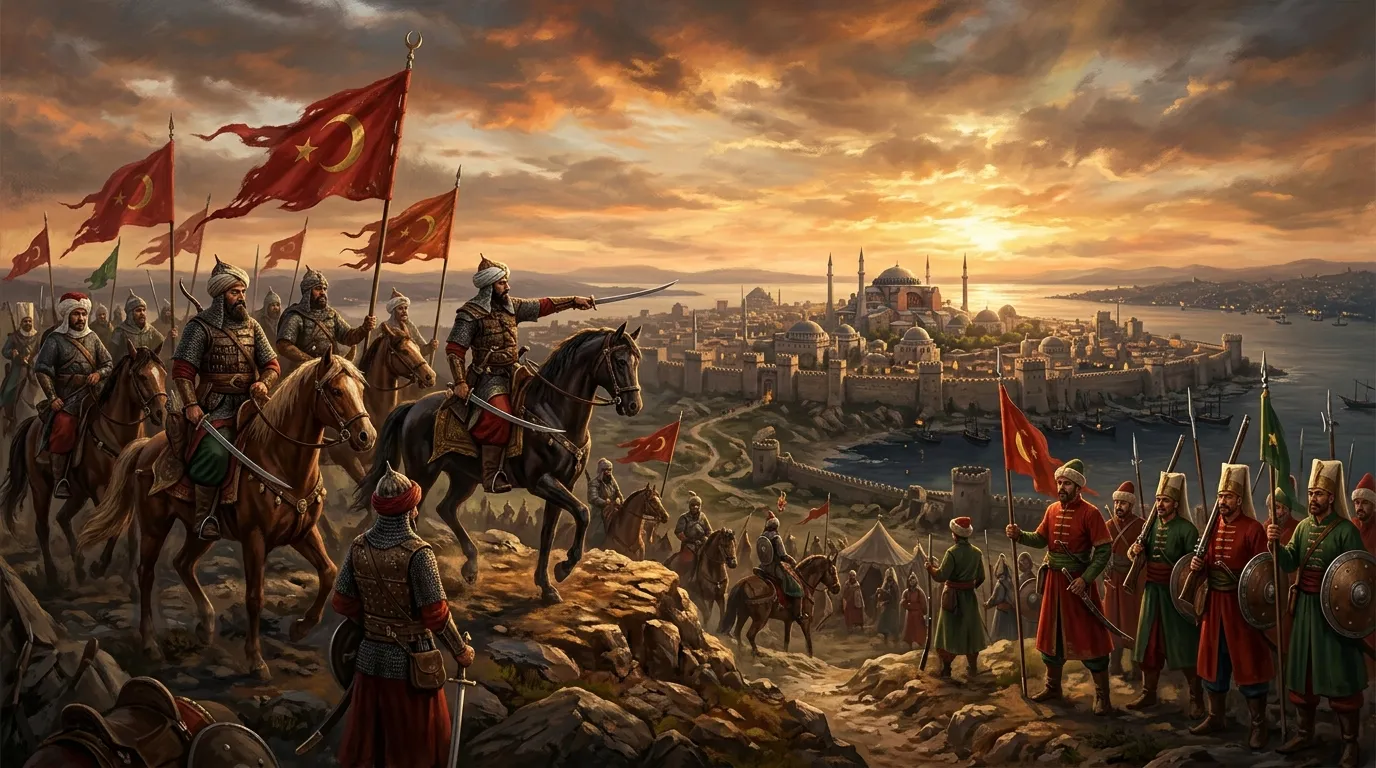
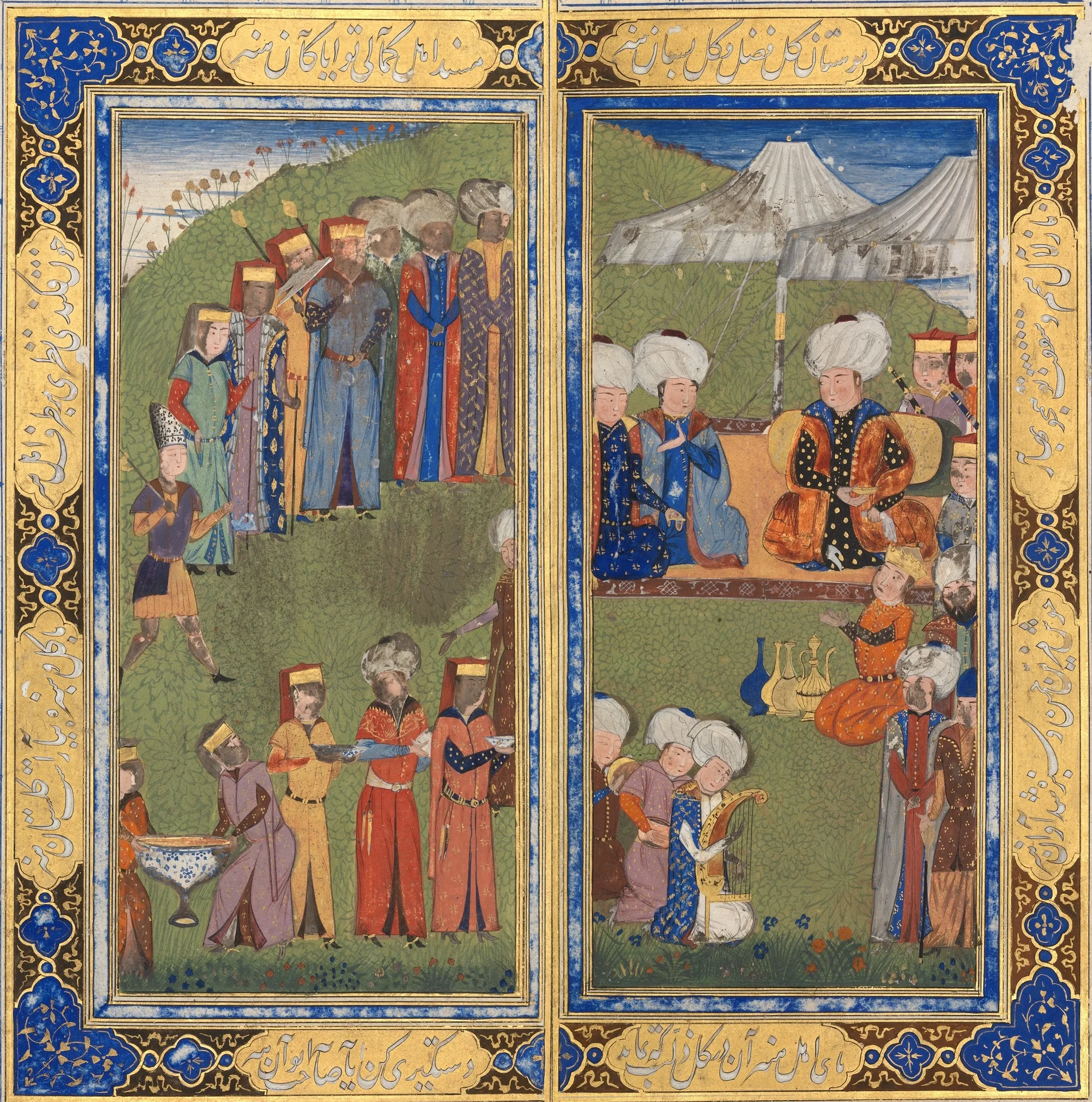
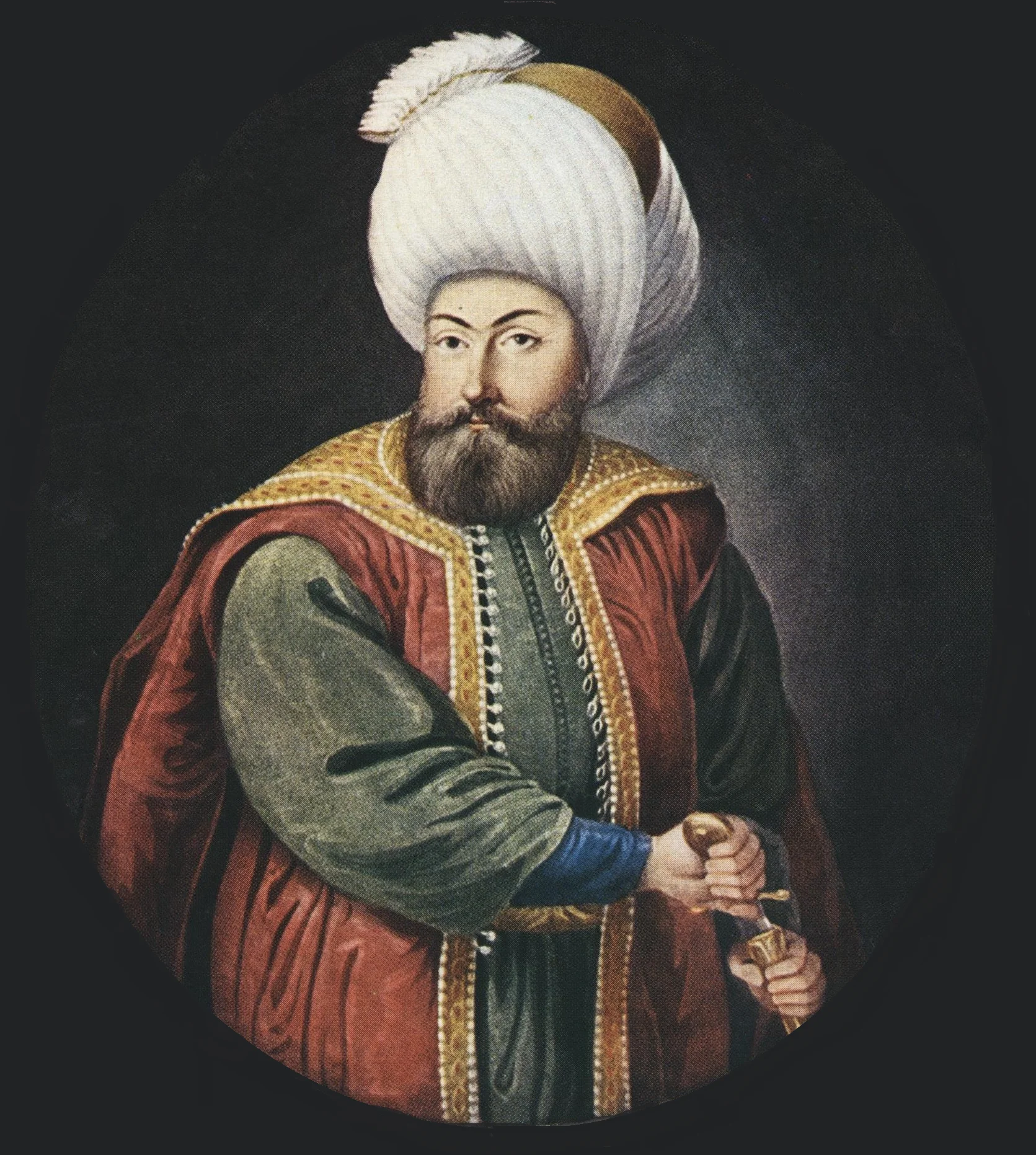
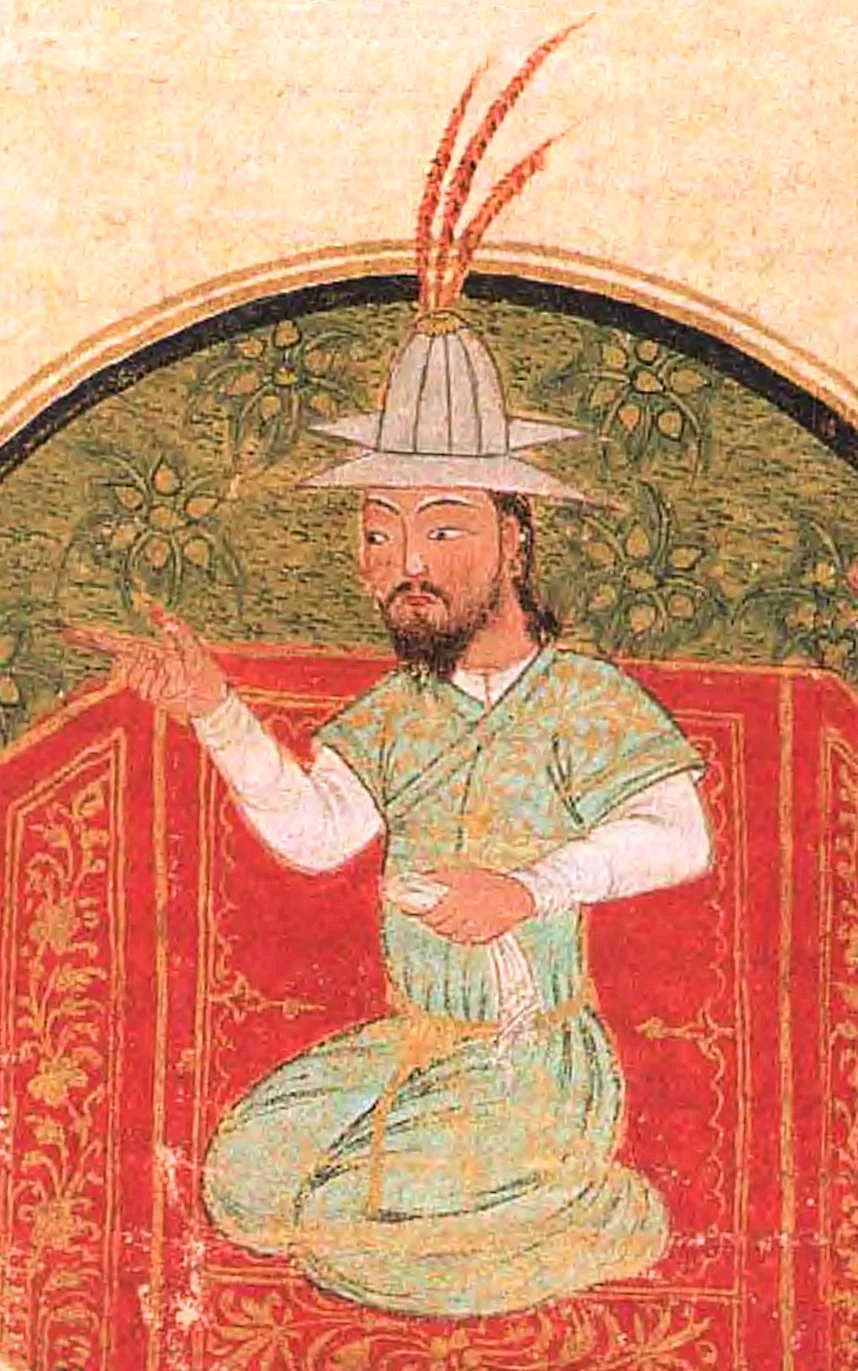
The rise of the Ottomans is intertwined with several legends. One tells of a dream young Osman - The frontier warrior who founded the small state that would grow into the Ottoman Empire, which was named after him. had: a massive tree grew from his chest, its branches spreading to cover the whole world, shading majestic mountains and rivers. Wise men interpreted this dream as a prophecy that his descendants would rule a vast empire, and for generations, the Ottoman people remembered this dream as the moment their great destiny was foretold.
Around 1299, Anatolia - Also known as Asia Minor, this large peninsula in West Asia corresponds to modern-day Turkey. Historically, it has been a cradle of civilization and a bridge between East and West, hosting the Hittites, Lydians, Greeks, Romans, Byzantines, and Turks. During the Crusades, it was a treacherous but necessary overland route for European armies marching toward the Holy Land. (modern-day Turkey) was in chaos as the Seljuk Sultanate collapsed following Mongol invasions, splitting into many small states known as beyliks - A beylik was a small principality — a little state or territory — ruled by a leader called a 'bey', which means 'chief' or 'lord' in Turkish. When the Seljuk Turks who ruled Anatolia collapsed after Mongol attacks in the 1200s, the region split apart into dozens of these small beyliks. Each bey governed his own land and army, and they often fought or made deals with one another. One of these little frontier beyliks belonged to a warrior named Osman. Because it sat right on the border of the Byzantine Empire, it had endless land to conquer, and over about a century it grew into the mighty Ottoman Empire — proof that even the smallest state can rise to greatness.. In this fractured landscape, a leader named Osman founded a small state in the northwest. His beylik was perfectly positioned right on the front lines bordering the weakening Byzantine (Eastern Roman) Empire. At the time, this frontier at the edge of the Islamic world was filled with 'ghazis - In the medieval Islamic world, a Ghazi was an independent Muslim warrior who participated in holy war (jihad) or military expeditions, primarily along the borders of non-Muslim states, such as Christian territories. Ghazis became particularly prominent during the 13th and 14th centuries in the frontiers of Anatolia (modern-day Turkey). Following the Mongol invasions, countless Turkic nomadic warriors were pushed westward and gathered along the borders of the weakening Byzantine (Eastern Roman) Empire. Driven by both religious zeal and the promise of new lands and spoils of war, they formed independent raiding bands. Osman I, the founder of the Ottoman Empire, was one such Ghazi leader. As he proved highly successful in battle, more and more warriors seeking wealth and glory flocked to his banner. The bravery and mobility of these ghazi warriors served as the primary driving force that ultimately transformed the small Ottoman state into a massive empire spanning Europe and Asia.'—independent warriors eager to fight for new territories and spoils. Because Osman proved to be a highly successful commander, these warriors flocked to his banner, and he united them into a formidable conquering army.
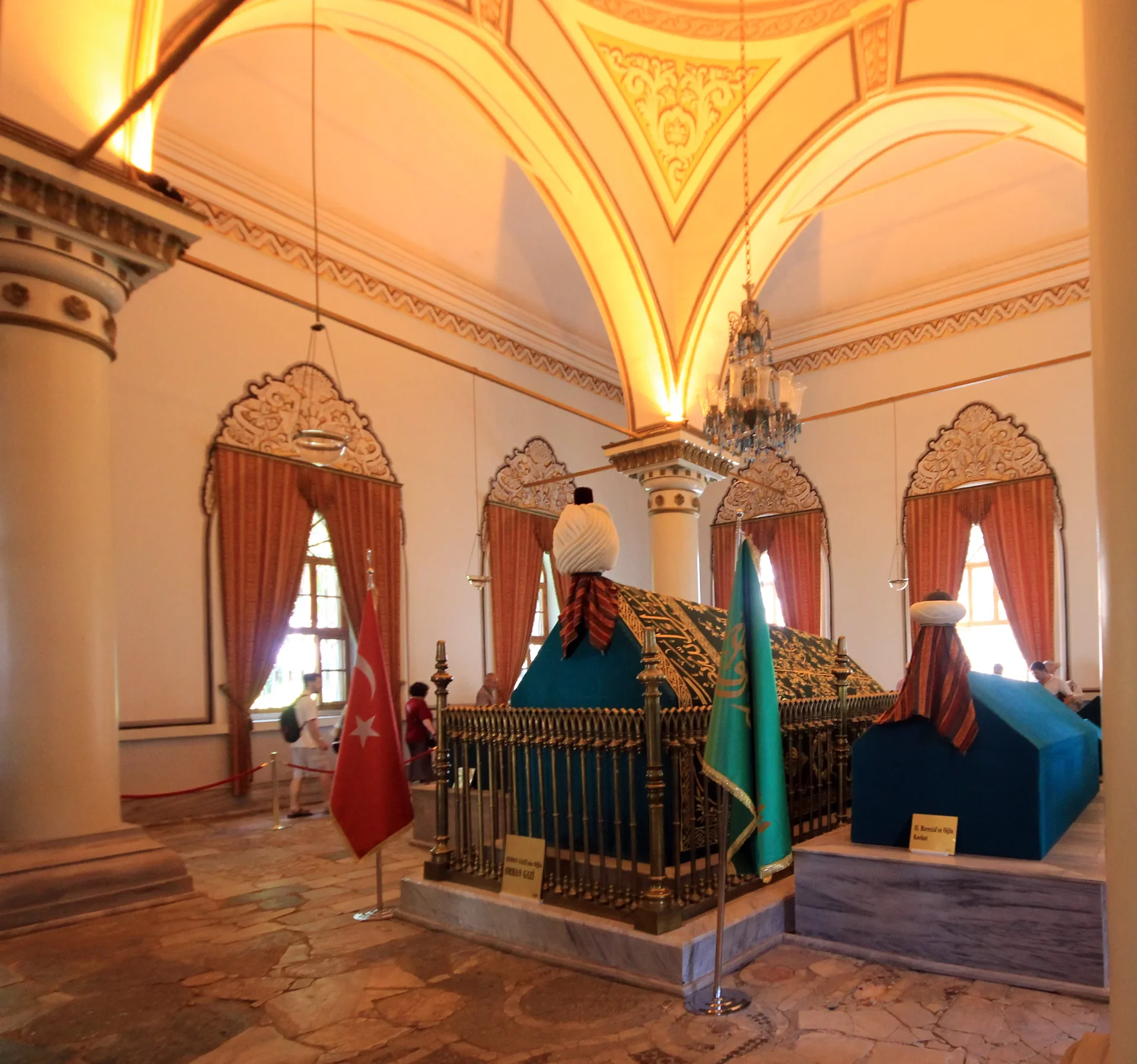
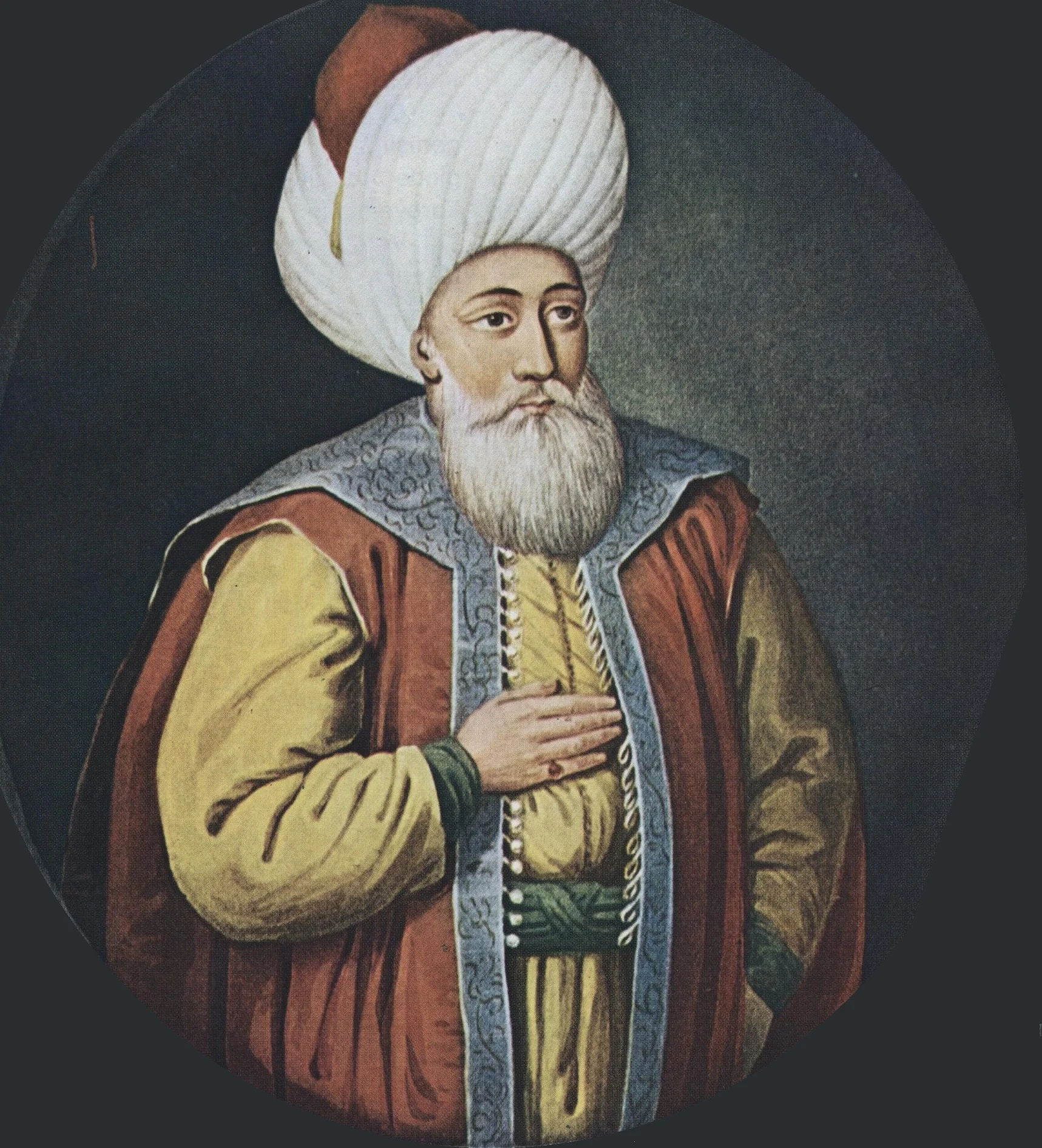
Osman's son, Orhan - Osman's son, who captured Bursa, built a real government and army, and first led the Ottomans into Europe., captured the major city of Bursa - A historic city in northwestern Anatolia. After being captured by Orhan, the second ruler of the Ottoman Empire, in 1326, it became the empire's first major capital. Making Bursa the capital allowed the Ottomans to transition from a band of nomadic warriors into an organized state. It was also a major destination on the Silk Road, leading to flourishing trade and commerce. in 1326 and made it the capital. He did more than just conquer; he established an organized government, minted coins in his own name, and laid the foundations of a professional army. In 1354, the Ottomans seized the ruined fortress of Gallipoli - Gallipoli (called Gelibolu in Turkish) is a town on a long, narrow peninsula in the northwest of modern Turkey. It sits beside the Dardanelles, the slender strait of water that separates Asia from Europe. Whoever holds Gallipoli can control the ships passing between the Aegean Sea and the Sea of Marmara, so it has always been a place of great strategic importance. In 1354 an earthquake damaged the walls of the fortress at Gallipoli, and the Ottomans seized the ruined stronghold. This gave them their very first foothold in Europe. From this small bridgehead the Ottomans poured into the Balkans and began the conquests that would build their empire. following an earthquake, marking their historic crossing of the narrow sea into Europe. This foothold in the Balkans (southeastern Europe) opened up an entirely new world of conquest, allowing the Ottomans to push deep into a Christian world that was constantly divided and fighting among itself.
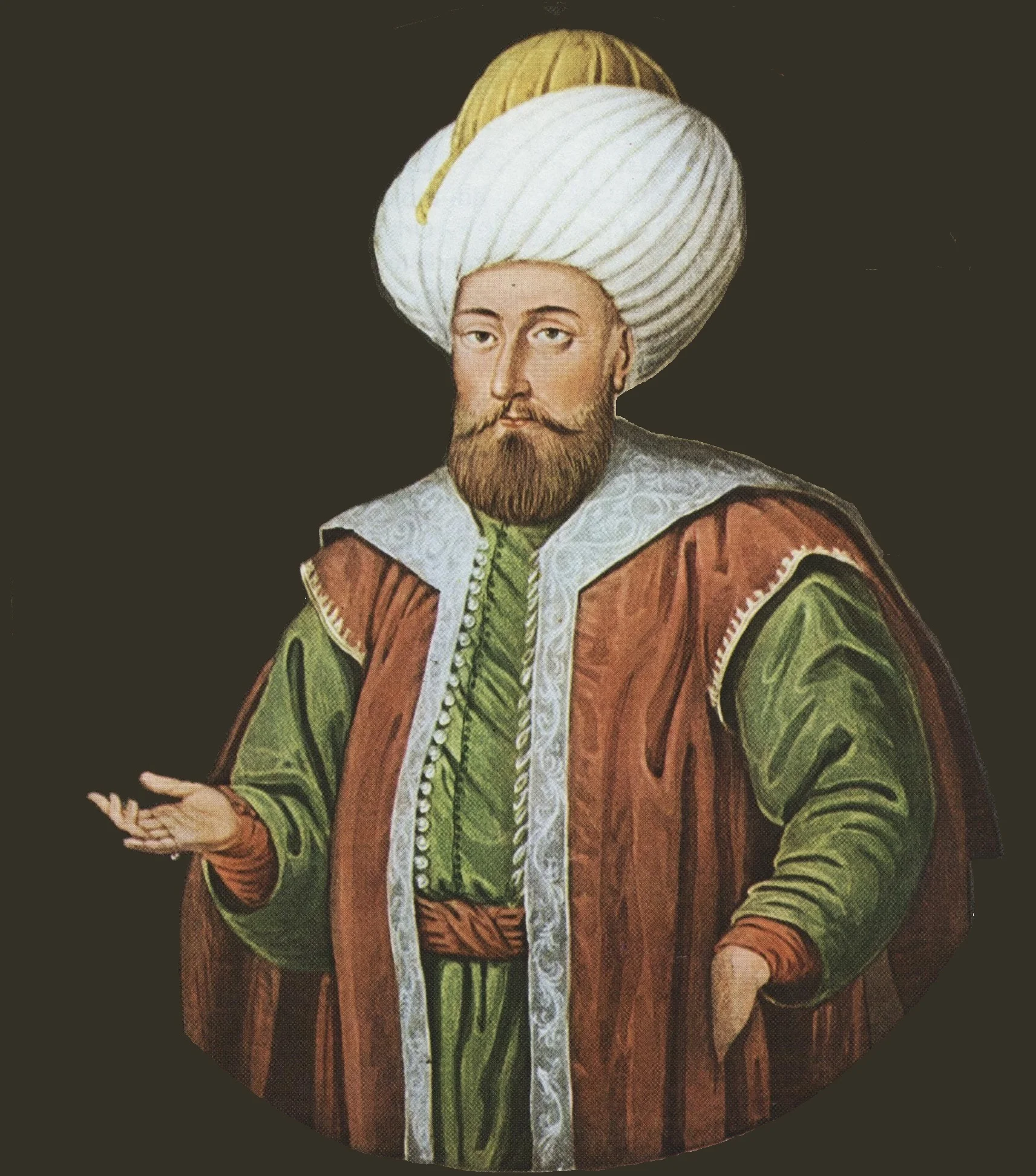
Under Sultan Murad - The great Ottoman Sultan who conquered much of the Balkans and died at the Battle of Kosovo in 1389. I—'Sultan' meaning the supreme ruler—the Ottomans won a major victory at the Maritsa River in 1371, scattering an alliance of Serbian lords and throwing the Balkans wide open. The most famous clash came in 1389 at the Battle of Kosovo, where Murad faced a massive Serbian-led alliance - A powerful Christian state that dominated the medieval Balkans under Prince Lazar. The battle was so fierce that both Murad and Lazar lost their lives. According to legend, a Serbian knight named Miloš Obilić pretended to surrender, slipped into the Sultan's tent, and stabbed him. Despite the bloody toll, the battle broke Serbian power and made the Ottomans the masters of the Balkans. A key to Murad's success was the Janissaries - The Janissaries were the elite infantry units that formed the Ottoman Sultan's household troops and bodyguards, acting as the first modern standing army in Europe. Created in the 14th century under Sultan Murad I, the corps was manned through a unique system called devshirme. The Ottoman Empire conscripted young Christian boys (primarily from the Balkans), converted them to Islam, and subjected them to rigorous military and administrative training. Separated completely from their families, these boys were raised to view the Sultan as their only father, ensuring their absolute loyalty to him. Armed with the most advanced weapons and tactics of their time, the highly disciplined Janissaries became the most feared troops in Europe and played a crucial role in the Ottoman Empire's countless military victories and vast expansion., an elite infantry corps formed by conscripting boys at a young age and strictly training them to be loyal only to the Sultan.
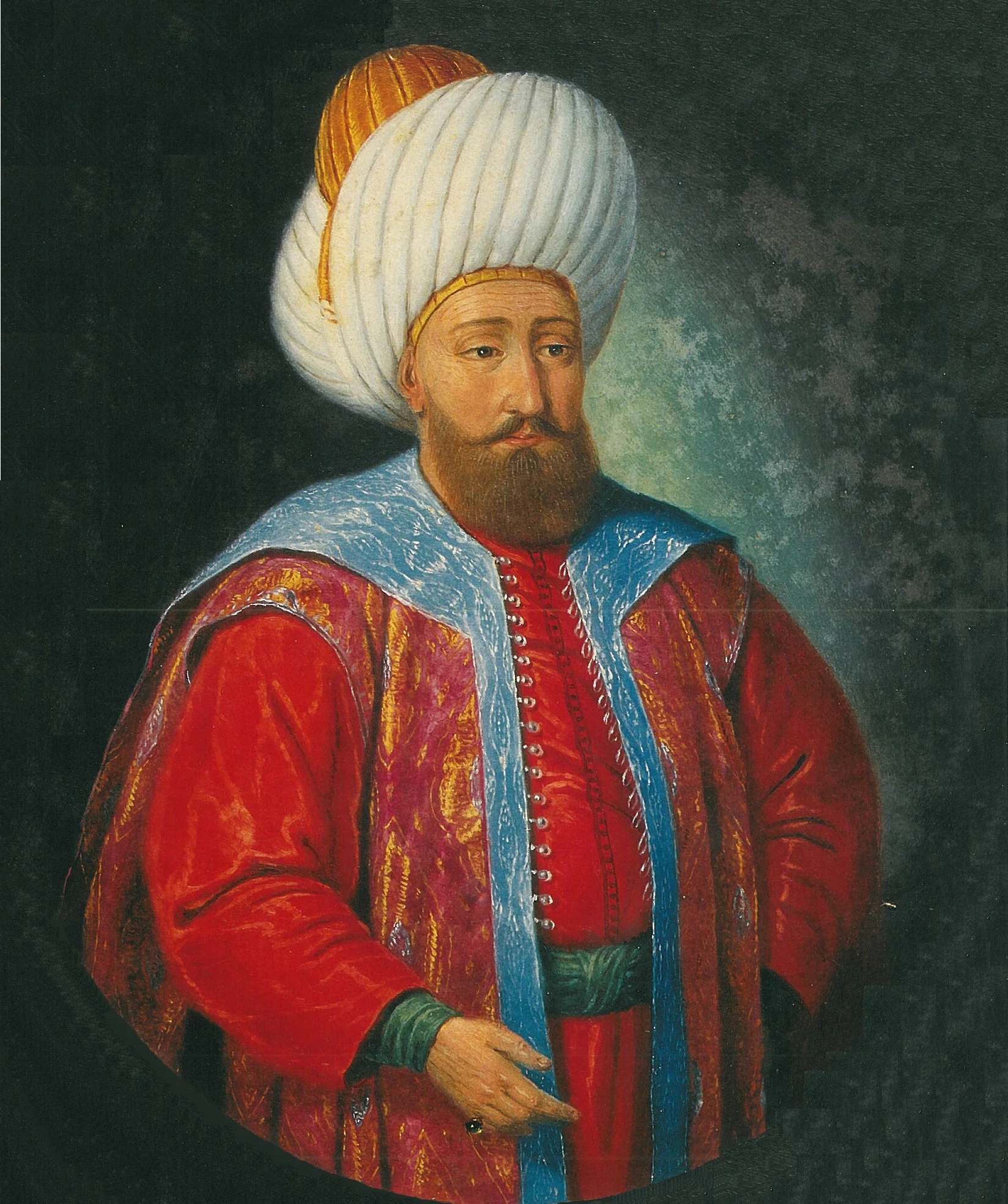
Murad's son, Bayezid I - Nicknamed 'the Thunderbolt' for his speed, he crushed a European crusade but was captured by Timur at the Battle of Ankara., moved so swiftly in battle that he earned the nickname 'Yıldırım', meaning 'the Thunderbolt'. Alarmed by the rapid Ottoman advance, the Pope and European kings raised a massive crusade to stop him. In 1396, a huge army of Christian knights, including Hungarians and French, advanced on Nicopolis along the Danube River. Overconfident and heavily armored, the French knights charged uphill alone without waiting for their allies, exhausting their horses. They were soon surrounded and captured by Bayezid's disciplined troops. This 'last great crusade' ended in utter disaster, and it seemed nothing could stop the Ottomans from taking Constantinople next.
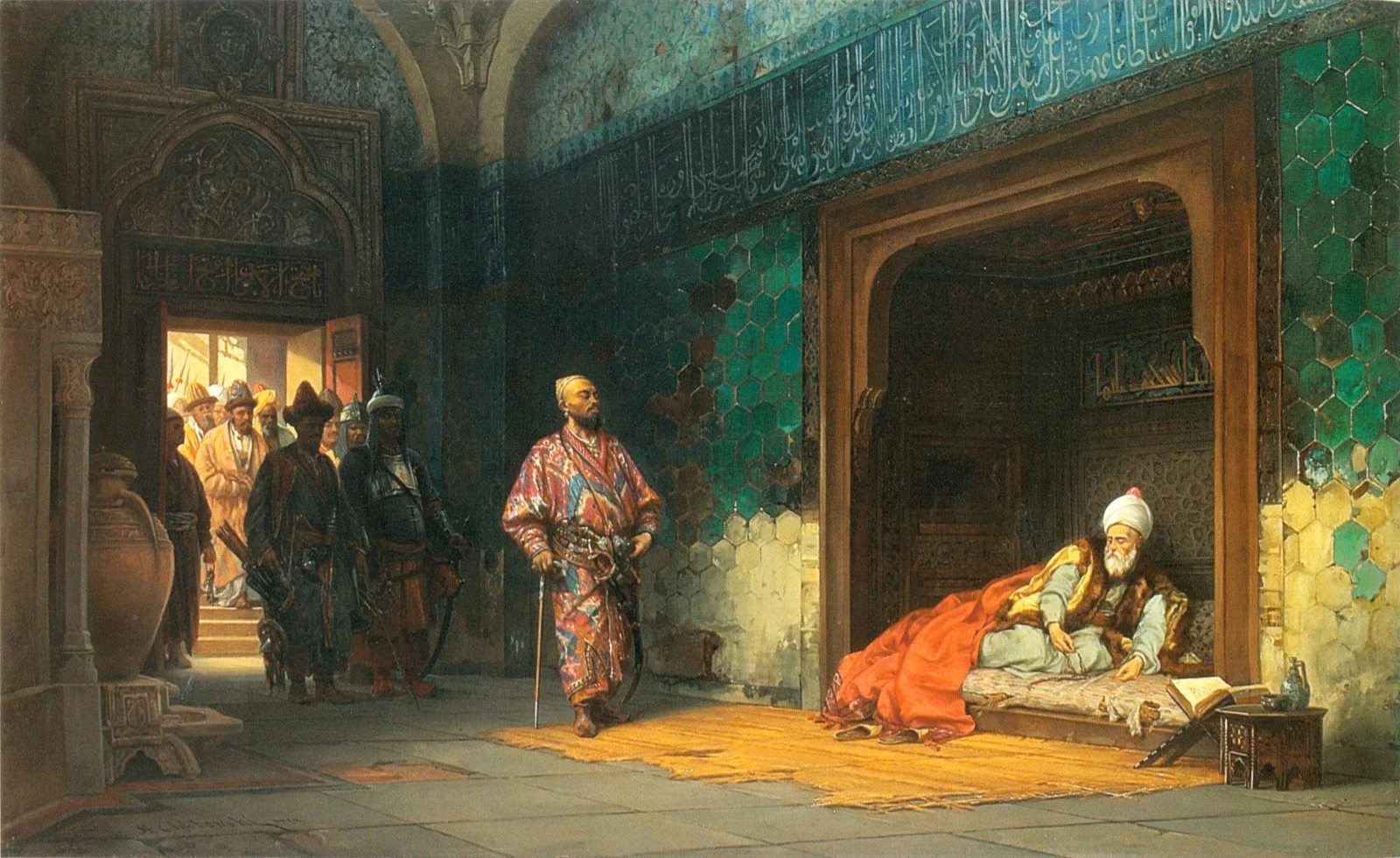
However, the Ottomans then met a far more formidable opponent, not from Europe, but from the east: Timur (also known as Tamerlane - Formidable Central Asian conqueror who unified the fragmented steppes and forged a colossal empire from Delhi to Anatolia, sparking the architectural and cultural glory of the Timurid Renaissance.), a conqueror from Central Asia who had built a vast empire. In 1402, the two massive armies clashed at the Battle of Ankara. Timur had superior numbers, and during the fight, many of Bayezid's Anatolian soldiers defected to their former local lords who were fighting for Timur. Bayezid's army collapsed, and the Sultan himself was captured—the only Ottoman ruler ever taken prisoner in battle—and he died while in captivity. During the ensuing 'Interregnum', a chaotic period where Bayezid's sons fought over the throne, the empire nearly shattered completely. Yet the Ottoman state survived, reuniting within decades to become stronger than ever, until Sultan Mehmed II finally conquered Constantinople in 1453, fulfilling the grand dream of his ancestors.