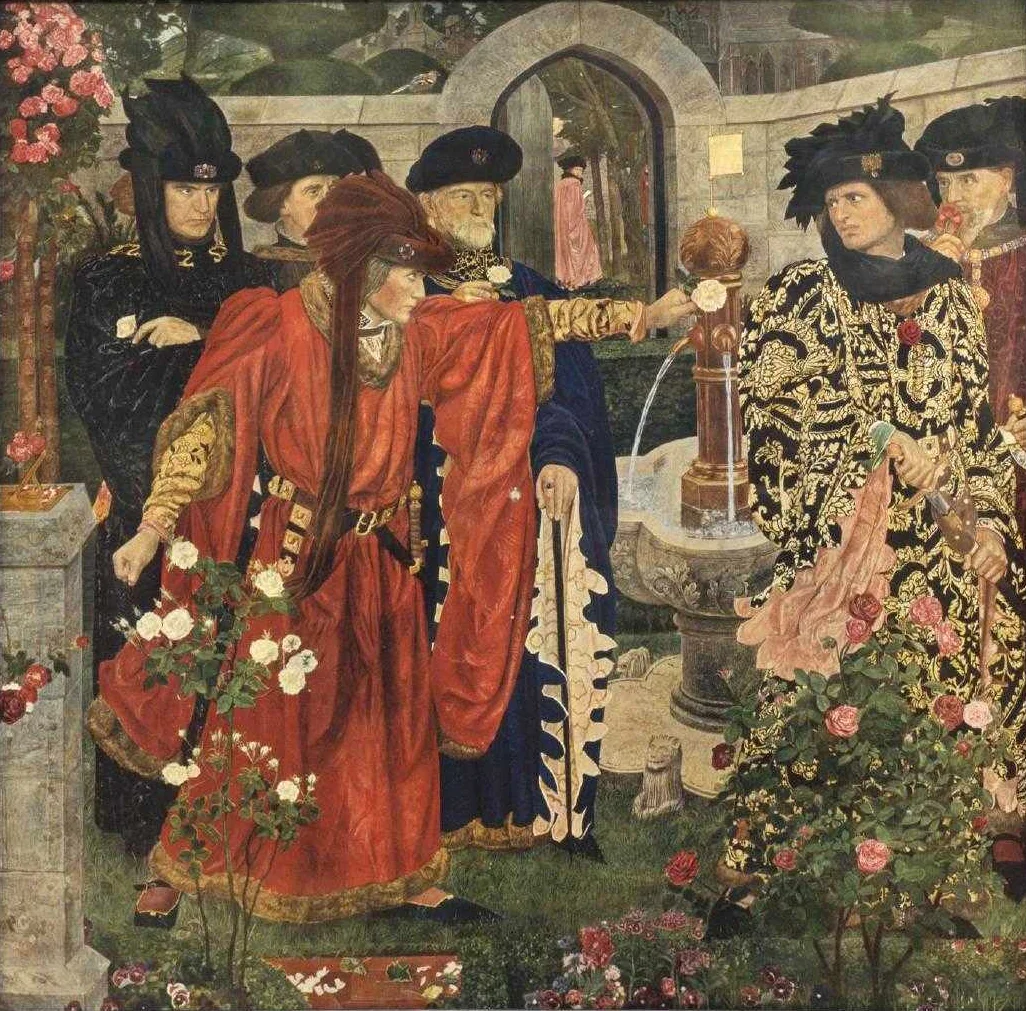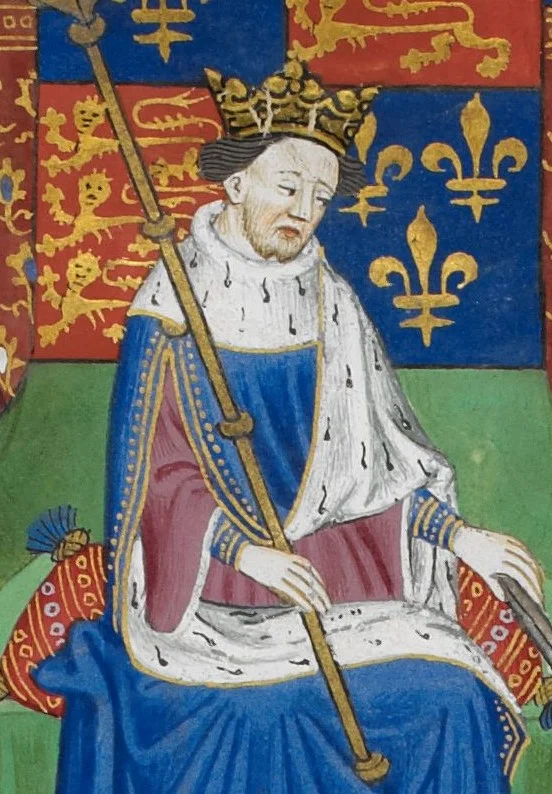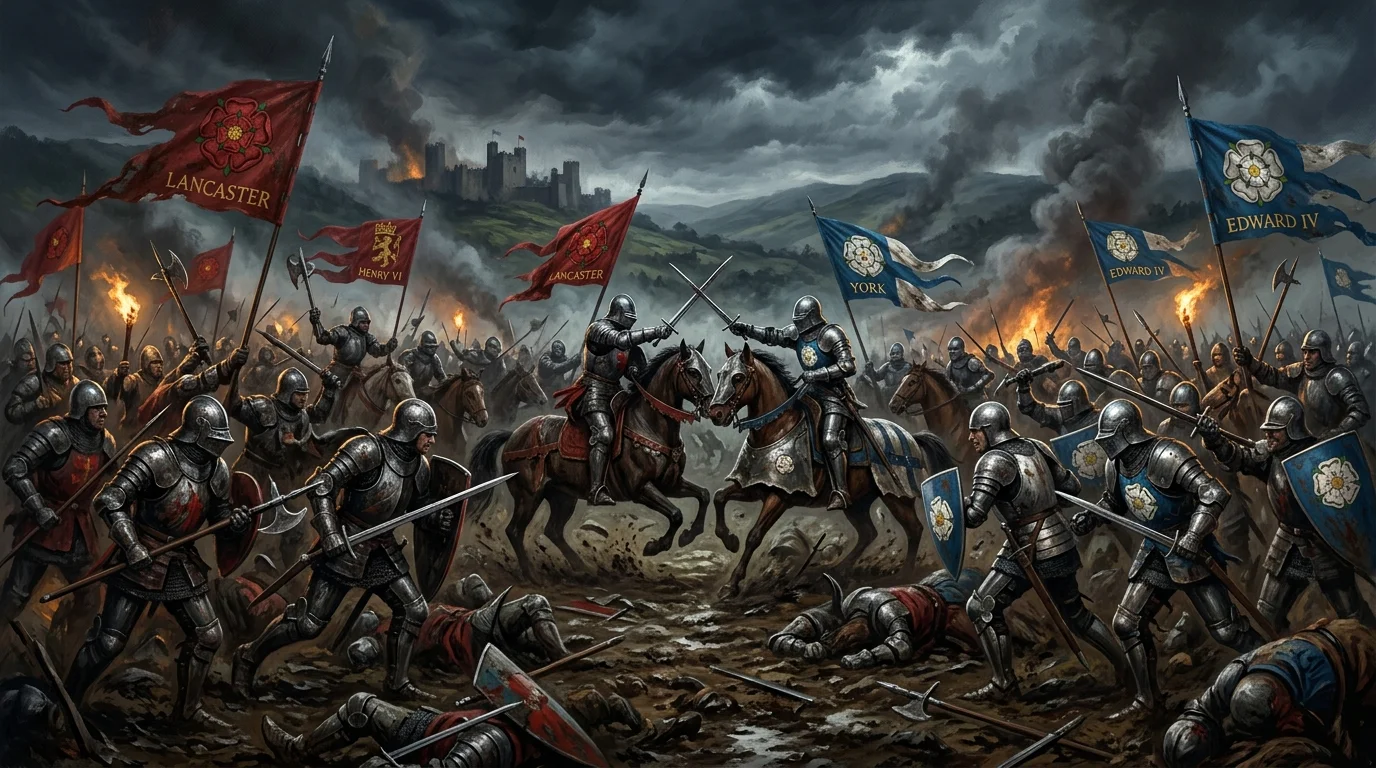
Following the disastrous end of the Hundred Years' War in 1453, England was plunged into chaos. The reigning King, Henry VI of the House of Lancaster, suffered from severe mental illness and was widely considered a weak and ineffective ruler. The loss of English territories in France brought many angry, battle-hardened nobles back to England. Among them was Richard, Duke of York, who argued that he had a stronger and more legitimate claim to the throne than Henry VI. The supporters of the King rallied behind the 'Red Rose' of Lancaster, while the challengers united under the 'White Rose' of York, sparking a brutal series of civil wars known as the Wars of the Roses.
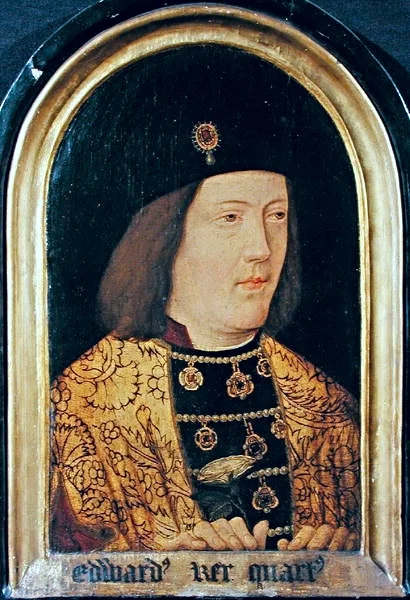
The conflict was marked by sudden reversals of fortune, betrayals, and massive battles. At the Battle of Towton in 1461, fought in a blinding snowstorm, the Yorkists won a crushing victory in what remains the bloodiest battle ever fought on English soil. Henry VI was deposed, and the Duke of York's son was crowned King Edward IV. However, the fighting didn't stop there. Alliances constantly shifted. Edward IV was briefly overthrown by his former ally, the Earl of Warwick (known as the 'Kingmaker'), who briefly restored Henry VI. But Edward IV quickly returned, defeated his enemies, and secured the throne for the Yorkists once again until his sudden death.
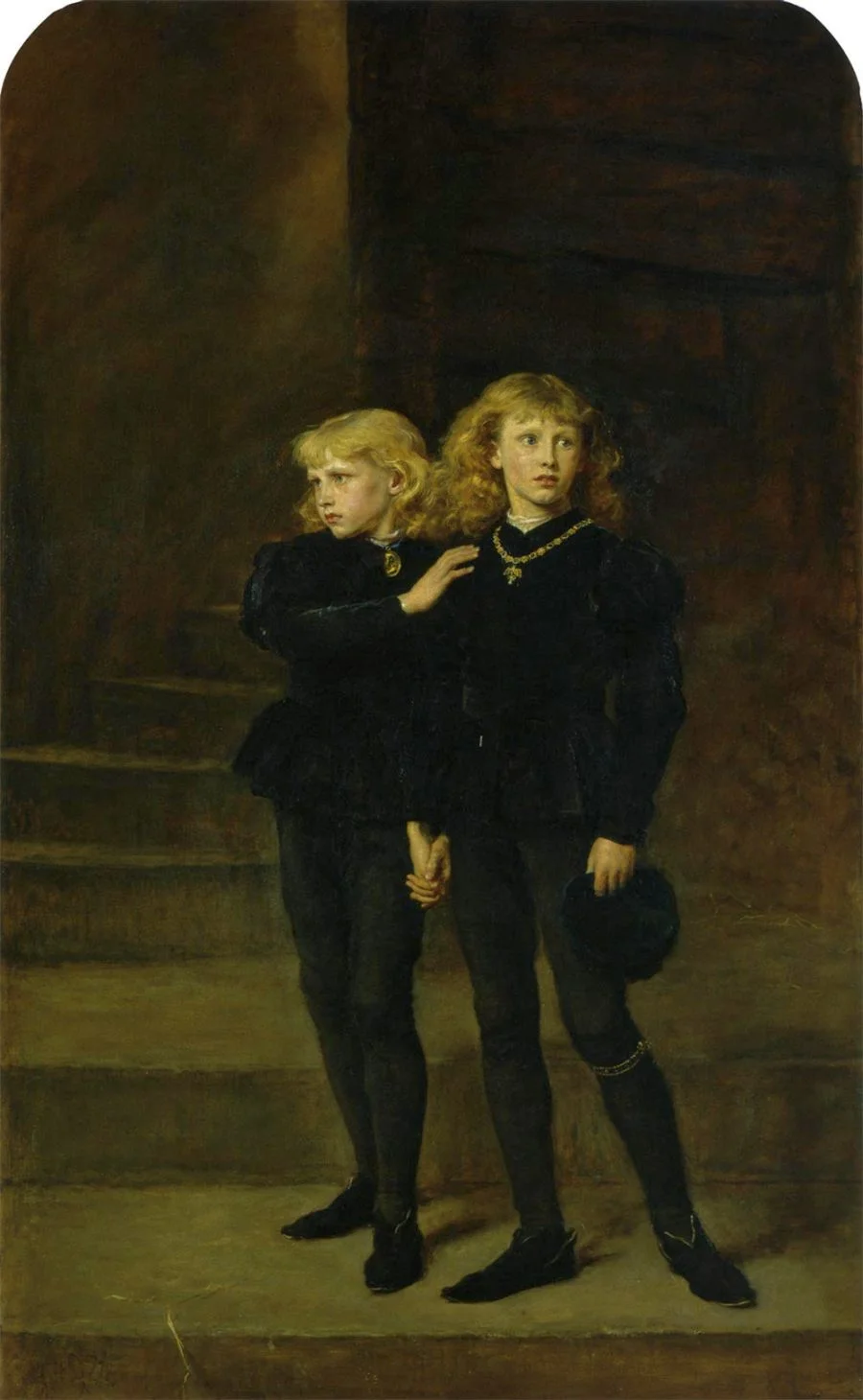
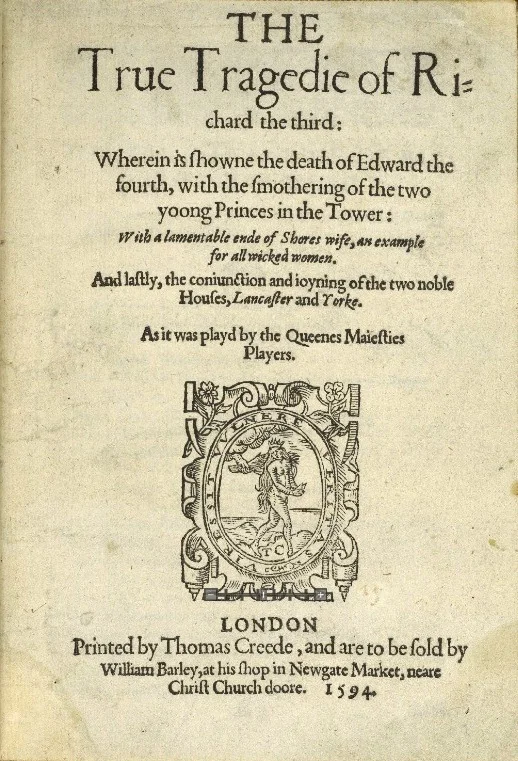
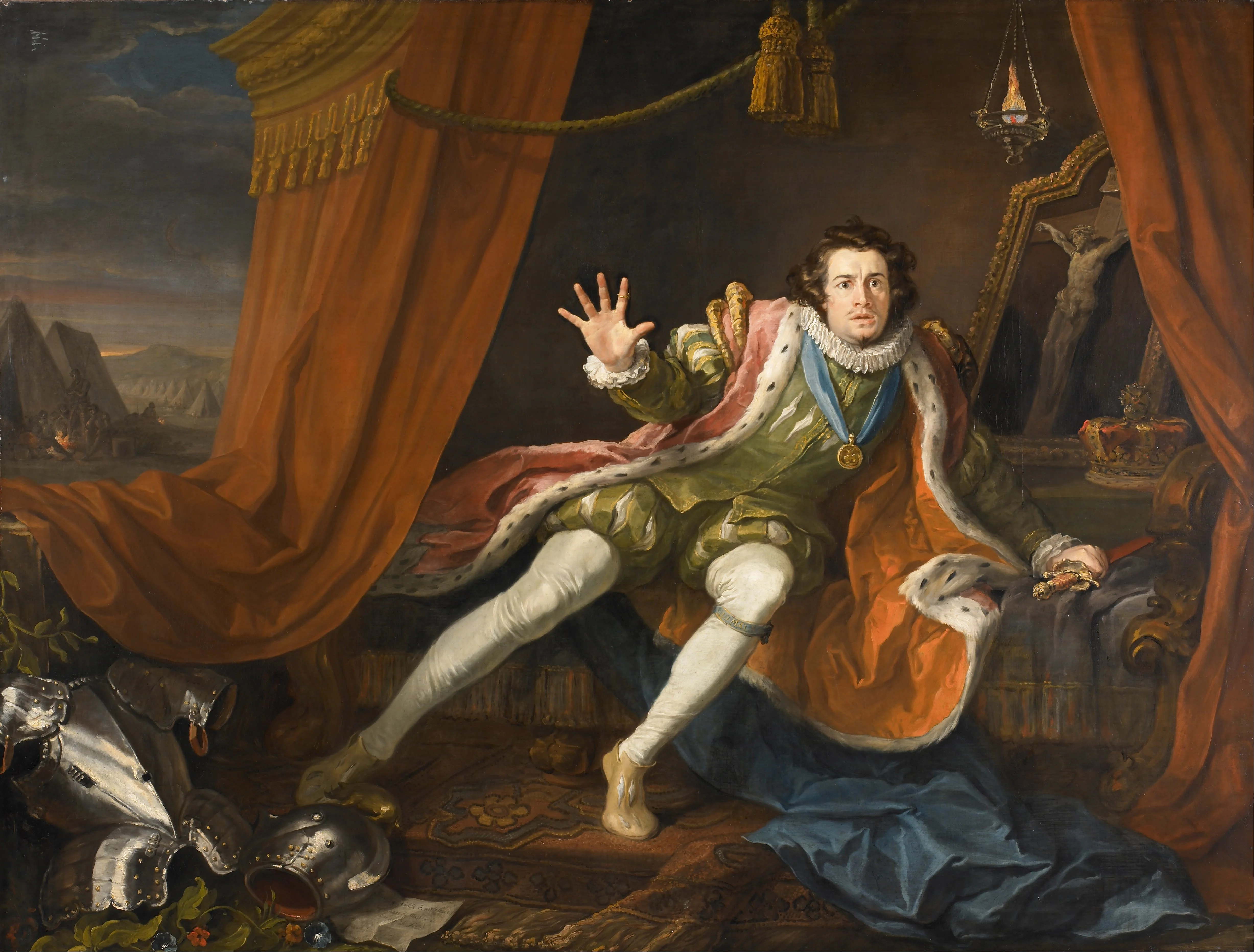
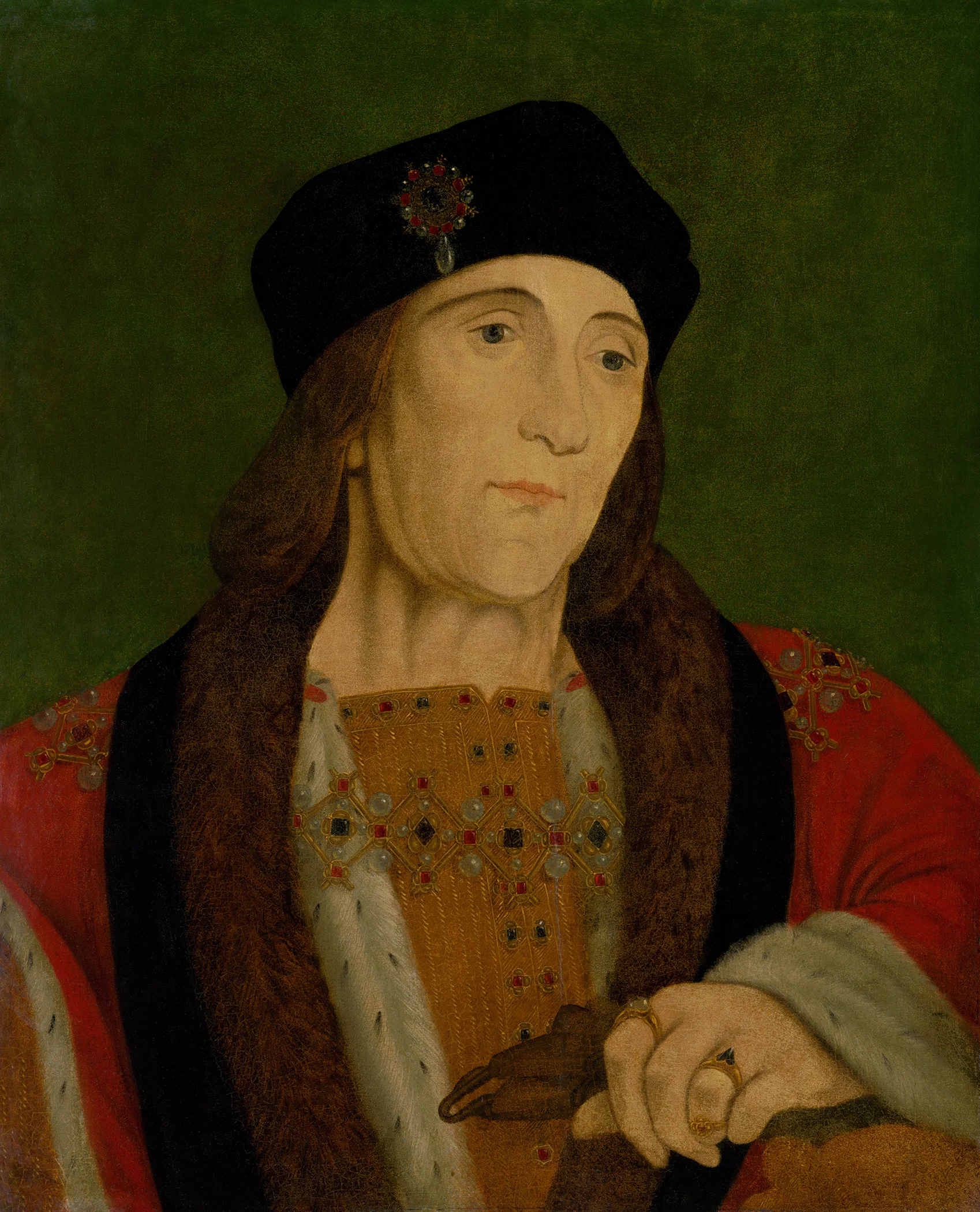
After Edward IV's sudden death, his brother declared Edward's marriage invalid and his young nephews illegitimate to claim the throne as Richard III. Shortly after, the two young princes, who had been held in the Tower of London, disappeared under mysterious circumstances. Rumors that Richard III was involved in their disappearance sparked intense controversy, deeply dividing the Yorkists. Seeing an opportunity, Henry Tudor, an exile with a distant claim to the Lancaster line, gathered an army and invaded England. In 1485, at the pivotal Battle of Bosworth Field, Richard III was killed in action after a desperate cavalry charge—the last English king to die in battle. Henry Tudor was crowned King Henry VII. To finally heal the divided nation, Henry VII married Elizabeth of York, uniting the Red and White roses into the Tudor Rose emblem. Although the remaining Yorkists staged a final rebellion in 1487 by rallying behind an impostor to the throne, Henry VII crushed them at the Battle of Stoke Field, finally bringing the decades of devastating civil war to a permanent end.