Historical Map
Font Size
Language
Theme

Loading Map...

Map height
Scroll Sensitivity1.0
1236 AD – 1242 AD

Second Mongol Invasion of Rus and Europe

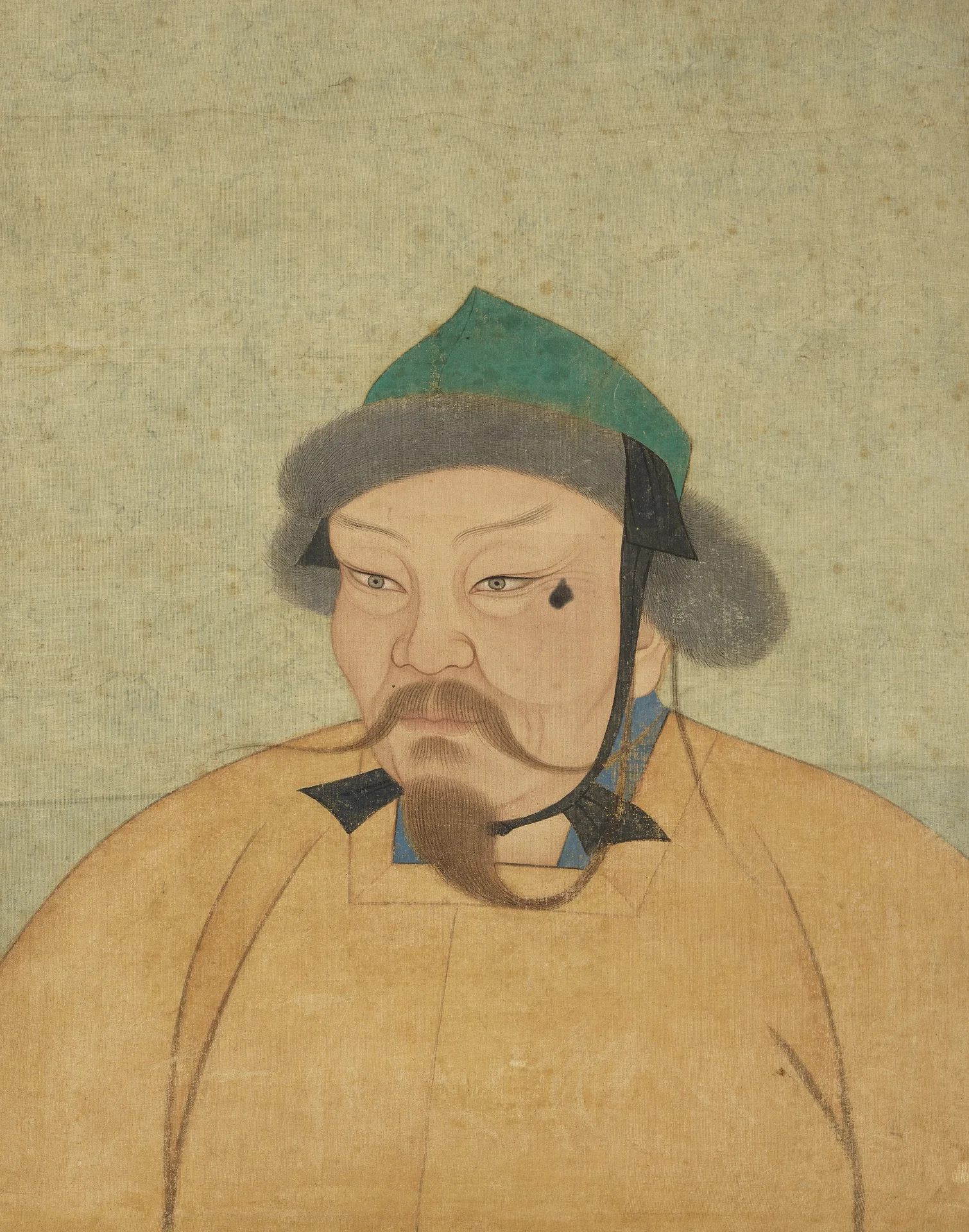
The second major Mongol campaign to the west, ordered by Ögedei Khan - The second Great Khan of the Mongol Empire and the third son of Genghis Khan. He expanded the empire's borders across Asia and Europe, established the capital at Karakorum, and institutionalized the Yam courier system. and commanded by Batu Khan - The grandson of Genghis Khan who founded the Golden Horde. He led the historic Mongol invasion of Eastern Europe, conquering the Rus' principalities and advancing deep into Poland and Hungary. along with the veteran general Subutai - One of the greatest military commanders in history. He directed more than twenty campaigns and conquered thirty-two nations, successfully invading armies from Europe to Asia.. The campaign resulted in the collapse of Volga Bulgaria, the near-total destruction of the Rus' principalities, and decisive victories over Polish and Hungarian armies before a sudden withdrawal due to the Great Khan's death.

LocationVolga Region, Kyiv - Kyiv is one of the oldest cities in Eastern Europe and was the historic capital of Kyivan Rus'. According to the Primary Chronicle, Kyiv was founded by three brothers—Kyi, Shchek, and Khoriv—and their sister Lybid, and was named after the eldest brother, Kyi.Known as the 'Mother of Rus' Cities,' it became the political, economic, and cultural center of the East Slavs. In 1240, during the Mongol invasion, the city was besieged and almost entirely destroyed by the forces of Batu Khan, marking a tragic end to the golden age of Kyivan Rus'.an Rus, Central and Eastern Europe
BelligerentsMongol Empire - The Mongol Empire existed during the 13th and 14th centuries and was the largest contiguous land empire in history. Originating in present-day Mongolia in East Asia, the Mongol Empire at its height st..., Kyivan Rus' - Kyivan Rus' was a grand, loose federation of East Slavic and Finno-Ugric peoples that flourished from the late 9th to the mid-13th century, encompassing modern-day Ukraine, Belarus, and western Russia. Situated along the major river routes linking the Baltic Sea to the Black Sea, it prospered greatly through international trade and cultural exchanges. Rich legendary stories define the history of Kyivan Rus'. According to the Primary Chronicle, Slavic tribes invited the Varangian (Viking) chieftain Rurik to bring order to their lands. His successor, Oleg, captured Kyiv and proclaimed it the 'mother of all Rus' cities.' Another famous legend surrounds Volodymyr the Great's adoption of Christianity. When his envoys visited Constantinople's Hagia Sophia, they were so awed by the beauty of the service that they reported, 'We knew not whether we were in heaven or on earth.' Captivated by this description, the Grand Prince baptized the entire nation into the Orthodox faith. During its golden age, Kyivan Rus' established its first legal code, the Russkaya Pravda, and fostered a brilliant Slavic-Byzantine culture. However, succession disputes among local princes gradually fractured the federation. Ultimately, starting with the devastating defeat at the Battle of the Kalka River in 1223, the Mongol invasions shattered the state, leading to the destruction of Kyiv in 1240. Despite its tragic fall, Kyivan Rus' remains the shared cultural and historical ancestor of modern Ukraine, Belarus, and Russia. Principalities, Kingdom of Hungary, Kingdom of Poland, and Volga Bulgaria

The Narrative

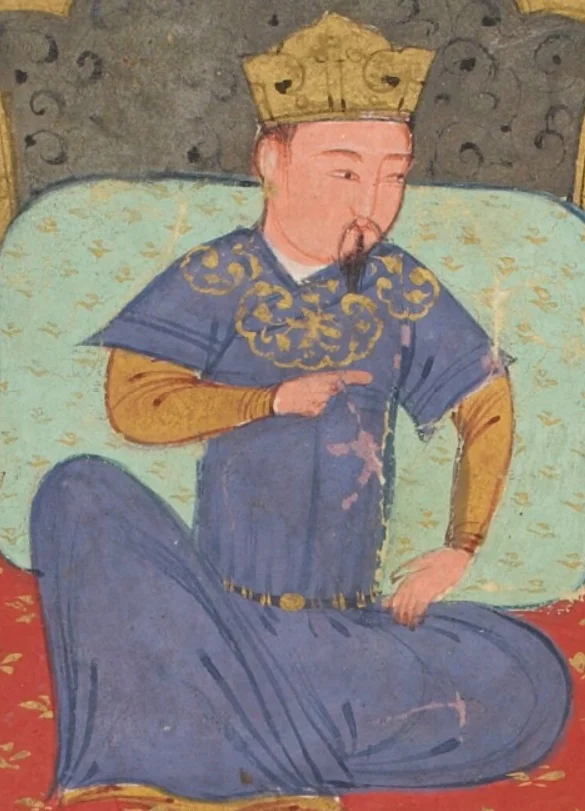
Batu Khan - The grandson of Genghis Khan who founded the Golden Horde. He led the historic Mongol invasion of Eastern Europe, conquering the Rus' principalities and advancing deep into Poland and Hungary., the son of Jochi, was named commander-in-chief of the expeditionary force, with the veteran strategist Subutai - One of the greatest military commanders in history. He directed more than twenty campaigns and conquered thirty-two nations, successfully invading armies from Europe to Asia. appointed as the operational commander. While popular legends state their goal was to follow Genghis Khan's legacy to reach the 'ultimate sea' at the edge of the European continent, historians suggest that the primary military objective was to secure the western lands inherited by Jochi's descendants. This involved subduing Volga Bulgaria and the Rus' principalities, and pursuing the rebellious Cumans - The Cumans were a nomadic Turkic people of the Eurasian Steppe, known for their migration to the west and their influence on Medieval European history. They ruled a vast grassland territory north of the Black Sea known as Cumania.According to local nomadic legends, the Cumans highly revered the wolf as their ancestor and sacred totem; it was said that their warriors could communicate by mimicking wolf howls at night to coordinate surprise attacks, believing the wolf spirits guided them in battle. (nomadic tribes) who had fled to Hungary, thereby stabilizing the empire's western frontier. Drawing on the past reconnaissance raid, Subutai prepared a meticulous strategic plan for the massive invasion.

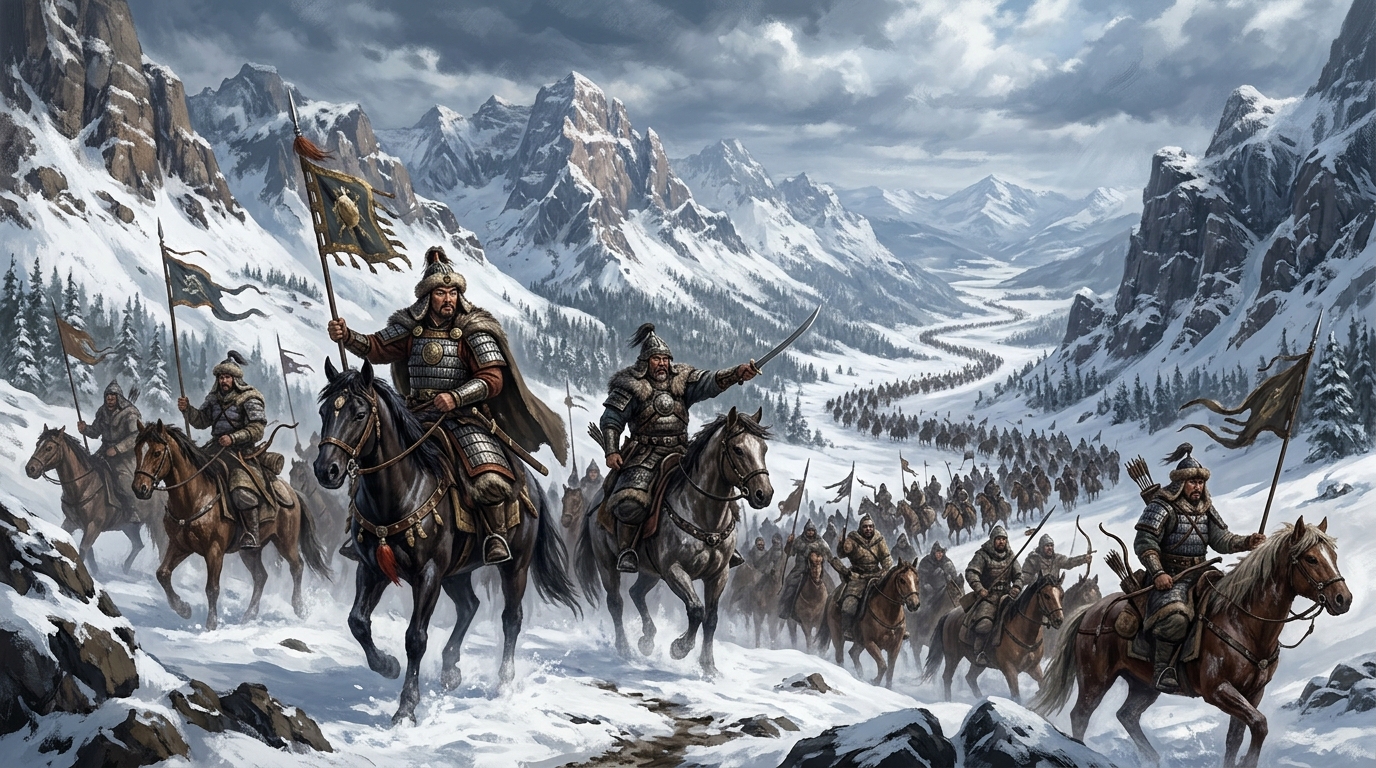
The campaign began in 1236 with the systematic conquest of Volga Bulgaria. Moving west, the Mongol forces launched a winter offensive against the principalities of Kyivan Rus' - Kyivan Rus' was a grand, loose federation of East Slavic and Finno-Ugric peoples that flourished from the late 9th to the mid-13th century, encompassing modern-day Ukraine, Belarus, and western Russia. Situated along the major river routes linking the Baltic Sea to the Black Sea, it prospered greatly through international trade and cultural exchanges. Rich legendary stories define the history of Kyivan Rus'. According to the Primary Chronicle, Slavic tribes invited the Varangian (Viking) chieftain Rurik to bring order to their lands. His successor, Oleg, captured Kyiv and proclaimed it the 'mother of all Rus' cities.' Another famous legend surrounds Volodymyr the Great's adoption of Christianity. When his envoys visited Constantinople's Hagia Sophia, they were so awed by the beauty of the service that they reported, 'We knew not whether we were in heaven or on earth.' Captivated by this description, the Grand Prince baptized the entire nation into the Orthodox faith. During its golden age, Kyivan Rus' established its first legal code, the Russkaya Pravda, and fostered a brilliant Slavic-Byzantine culture. However, succession disputes among local princes gradually fractured the federation. Ultimately, starting with the devastating defeat at the Battle of the Kalka River in 1223, the Mongol invasions shattered the state, leading to the destruction of Kyiv in 1240. Despite its tragic fall, Kyivan Rus' remains the shared cultural and historical ancestor of modern Ukraine, Belarus, and Russia. in 1237. By utilizing the frozen rivers as natural highways, the Mongol cavalry bypassed heavily forested terrain and quickly isolated key fortresses. This period gave rise to the Russian legend of the 'Invisible City of Kitezh,' a mystical town that supposedly sank into a lake to escape the wrath of Batu's army. By 1240, the grand capital of Kyiv - Kyiv is one of the oldest cities in Eastern Europe and was the historic capital of Kyivan Rus'. According to the Primary Chronicle, Kyiv was founded by three brothers—Kyi, Shchek, and Khoriv—and their sister Lybid, and was named after the eldest brother, Kyi.Known as the 'Mother of Rus' Cities,' it became the political, economic, and cultural center of the East Slavs. In 1240, during the Mongol invasion, the city was besieged and almost entirely destroyed by the forces of Batu Khan, marking a tragic end to the golden age of Kyivan Rus'. was besieged and entirely destroyed, bringing an end to the golden age of Kyivan Rus' and forcing countless refugees to flee further into Europe.

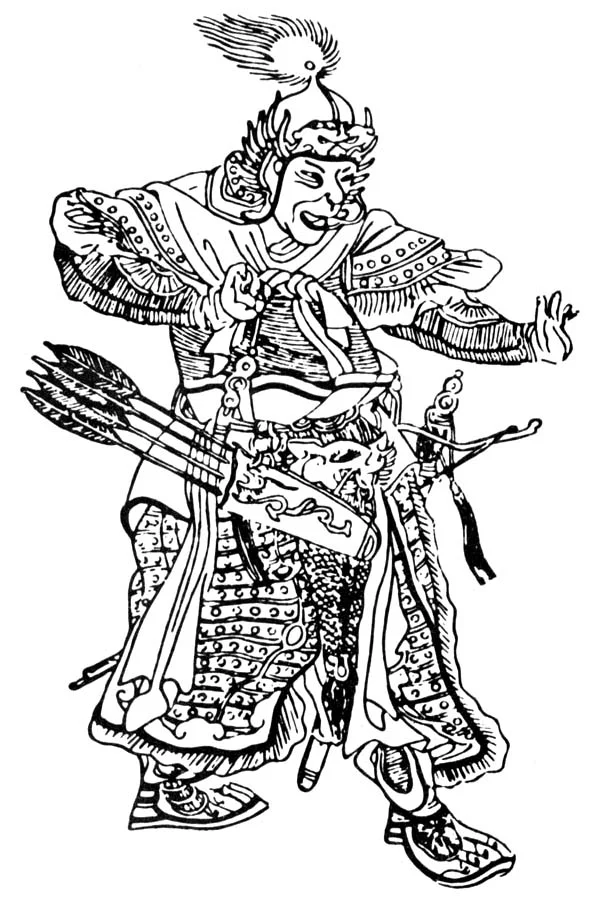
Following the fall of Rus', the Mongol forces advanced into Central Europe. Subutai split his army into coordinated columns to prevent European kingdoms from uniting. A northern force under Baidar invaded Poland, crushing a combined army of Polish dukes and Teutonic Knights - The Teutonic Knights were a medieval German military order of crusaders formed in Acre in the late 12th century. They later moved to Eastern Europe, establishing a sovereign monastic state centered around the massive Marienburg Castle. They participated in the Battle of Legnica (1241) against the Mongol forces to defend Central Europe.According to an ancient legend, the grand fortress of Marienburg Castle was built with the help of a guardian angel who dropped glowing red bricks from the sky at night to build its impenetrable walls, and it is said that the ghosts of the ancient grand masters still patrol the castle to protect it in times of danger. at the Battle of Legnica in April 1241. Simultaneously, the main army led by Batu and Subutai crossed the Carpathian Mountains - The Carpathian Mountains stretch through countries like modern-day Slovakia, Poland, Ukraine, and Romania. They form a long curved barrier, so people and armies often moved through a few key passes. The slopes are heavily forested and winters are long, which makes travel hard. In the 5th century, groups fleeing the Huns crossed east of these mountains. into Hungary. At the Battle of Mohi, they utilized advanced siege weaponry and a brilliant flanking maneuver across the Sajó River to annihilate the Hungarian royal army led by King Béla IV, forcing the king to flee.

By late 1241, Mongol scouts had reached the outskirts of Vienna and the Adriatic coast, throwing all of Western Europe into absolute panic. However, in December 1241, messengers arrived from Karakorum with news of the death of Great Khan Ögedei - The second Great Khan of the Mongol Empire and the third son of Genghis Khan. He expanded the empire's borders across Asia and Europe, established the capital at Karakorum, and institutionalized the Yam courier system.. Bound by imperial law to attend the succession council (Kurultai) for the election of the next Great Khan, Batu Khan ordered an immediate withdrawal. The Mongol army turned back toward the east, sparing Western Europe from potential conquest. Returning to the Volga region, Batu established his capital at Sarai - Sarai was the grand capital city of the Golden Horde (Kipchak Khanate), founded by Batu Khan in the mid-13th century near the lower Volga River. It grew into a major, wealthy trading hub connecting Europe and Asia, featuring beautiful mosques, palaces, and public baths.According to a famous local legend, two life-sized golden horses made of solid gold stood at the gates of Sarai to show off the Khan's power, but they mysteriously disappeared and are believed to be buried somewhere in the Volga steppes., founding the Golden Horde, whose name is believed to stem from the magnificent gilded tent he used during the campaign.
Chronology

1236 AD

Conquest of Volga Bulgaria

📍Bolghar, Volga Region (Map)

The campaign opened with the invasion of Volga Bulgaria by a massive Mongol force. Batu Khan - The grandson of Genghis Khan who founded the Golden Horde. He led the historic Mongol invasion of Eastern Europe, conquering the Rus' principalities and advancing deep into Poland and Hungary. and Subutai - One of the greatest military commanders in history. He directed more than twenty campaigns and conquered thirty-two nations, successfully invading armies from Europe to Asia. utilized swift flanking movements and siege engines to systematically destroy the capital of Bolghar and other major settlements, entirely subduing the region.

1237 AD – 1238 AD

Invasion of Northeast Rus' & Battle of the Sit River

📍Vladimir & Sit River, Russia (Map)

The Mongols - The Mongol Empire existed during the 13th and 14th centuries and was the largest contiguous land empire in history. Originating in present-day Mongolia in East Asia, the Mongol Empire at its height st... launched a devastating winter offensive against the principalities of Northeast Rus'. After capturing the major city of Vladimir using heavy catapults, they confronted and annihilated the army of Grand Duke Yury II of Vladimir at the Battle of the Sit River.

1240 AD

Siege and Sack of Kyiv

📍Kyiv, Ukraine (Map)

Turning south, Batu Khan's armies laid siege to the historic capital of Kyiv - Kyiv is one of the oldest cities in Eastern Europe and was the historic capital of Kyivan Rus'. According to the Primary Chronicle, Kyiv was founded by three brothers—Kyi, Shchek, and Khoriv—and their sister Lybid, and was named after the eldest brother, Kyi.Known as the 'Mother of Rus' Cities,' it became the political, economic, and cultural center of the East Slavs. In 1240, during the Mongol invasion, the city was besieged and almost entirely destroyed by the forces of Batu Khan, marking a tragic end to the golden age of Kyivan Rus'.. Deploying numerous battering rams and stone-throwers, they breached the city gates. After fierce street fighting, the city was razed, ending Kyivan Rus' - Kyivan Rus' was a grand, loose federation of East Slavic and Finno-Ugric peoples that flourished from the late 9th to the mid-13th century, encompassing modern-day Ukraine, Belarus, and western Russia. Situated along the major river routes linking the Baltic Sea to the Black Sea, it prospered greatly through international trade and cultural exchanges. Rich legendary stories define the history of Kyivan Rus'. According to the Primary Chronicle, Slavic tribes invited the Varangian (Viking) chieftain Rurik to bring order to their lands. His successor, Oleg, captured Kyiv and proclaimed it the 'mother of all Rus' cities.' Another famous legend surrounds Volodymyr the Great's adoption of Christianity. When his envoys visited Constantinople's Hagia Sophia, they were so awed by the beauty of the service that they reported, 'We knew not whether we were in heaven or on earth.' Captivated by this description, the Grand Prince baptized the entire nation into the Orthodox faith. During its golden age, Kyivan Rus' established its first legal code, the Russkaya Pravda, and fostered a brilliant Slavic-Byzantine culture. However, succession disputes among local princes gradually fractured the federation. Ultimately, starting with the devastating defeat at the Battle of the Kalka River in 1223, the Mongol invasions shattered the state, leading to the destruction of Kyiv in 1240. Despite its tragic fall, Kyivan Rus' remains the shared cultural and historical ancestor of modern Ukraine, Belarus, and Russia. hegemony.

1241 AD

Battle of Legnica

📍Legnica, Poland (Map)

A northern Mongol diversionary force under Baidar confronted the Polish coalition and Teutonic Knights - The Teutonic Knights were a medieval German military order of crusaders formed in Acre in the late 12th century. They later moved to Eastern Europe, establishing a sovereign monastic state centered around the massive Marienburg Castle. They participated in the Battle of Legnica (1241) against the Mongol forces to defend Central Europe.According to an ancient legend, the grand fortress of Marienburg Castle was built with the help of a guardian angel who dropped glowing red bricks from the sky at night to build its impenetrable walls, and it is said that the ghosts of the ancient grand masters still patrol the castle to protect it in times of danger.. Employing a feigned retreat to isolate the heavily armored European knights, the Mongols encircled and completely routed the alliance.

1241 AD

Battle of Mohi

📍Sajó River, Hungary (Map)

Batu Khan and Subutai engaged King Béla IV's Hungarian army. While distracting the Hungarians with stone throwers at the main bridge, Subutai constructed a pontoon bridge downstream, launching a surprise flank attack that completely enveloped the enemy.

1241 AD – 1242 AD

Halting of Campaign & Batu's Withdrawal

📍Sarai, Volga River (Map)

Upon learning of the death of Great Khan Ögedei - The second Great Khan of the Mongol Empire and the third son of Genghis Khan. He expanded the empire's borders across Asia and Europe, established the capital at Karakorum, and institutionalized the Yam courier system., Batu Khan ordered a halt to the westward advance. The army withdrew eastward to secure the borders of his newly claimed domain, leading to the establishment of the capital Sarai - Sarai was the grand capital city of the Golden Horde (Kipchak Khanate), founded by Batu Khan in the mid-13th century near the lower Volga River. It grew into a major, wealthy trading hub connecting Europe and Asia, featuring beautiful mosques, palaces, and public baths.According to a famous local legend, two life-sized golden horses made of solid gold stood at the gates of Sarai to show off the Khan's power, but they mysteriously disappeared and are believed to be buried somewhere in the Volga steppes. and the Golden Horde.

Art & Heritage

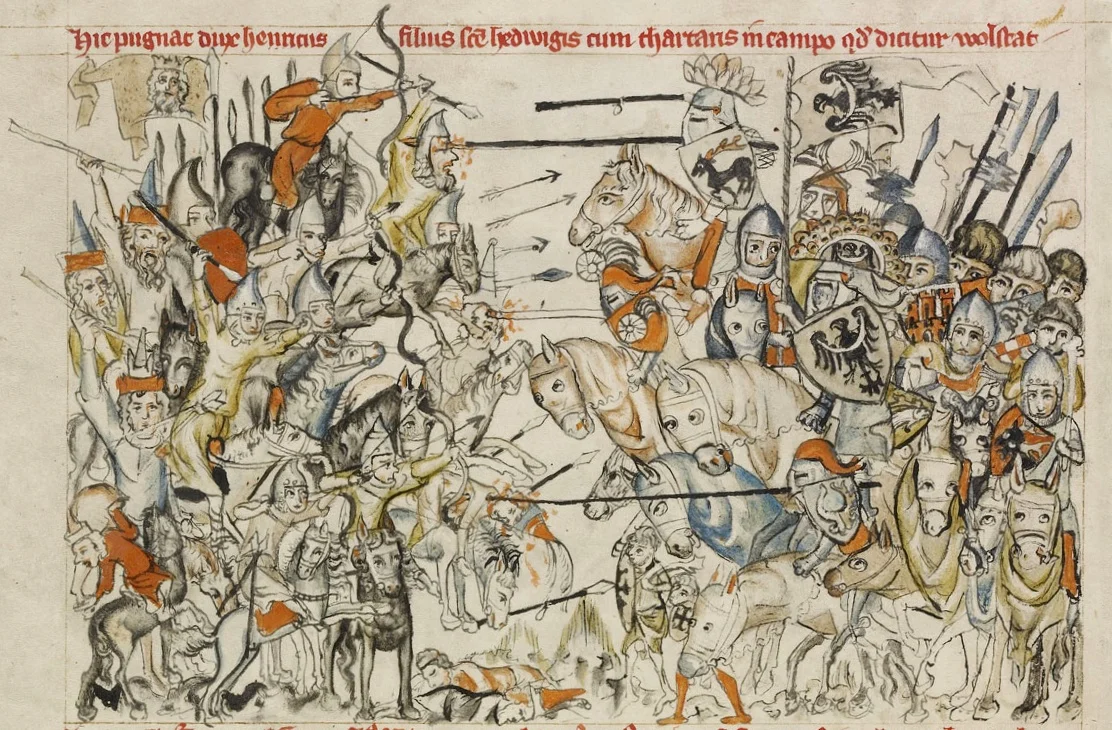
The Battle of Legnica in the Hedwig Codex

The Battle of Legnica in the Hedwig Codex

Court workshop of Duke Ludwig I of Liegnitz, 1353

🏛️ J. Paul Getty Museum, Los Angeles, USA

A painted page made about a hundred years after the battle, showing the Mongol horsemen and the death of Duke Henry II of Silesia. It was commissioned by his descendants, so the picture is part memory and part family monument. The Mongols won at Legnica but turned back soon afterwards when news came that their great khan had died.

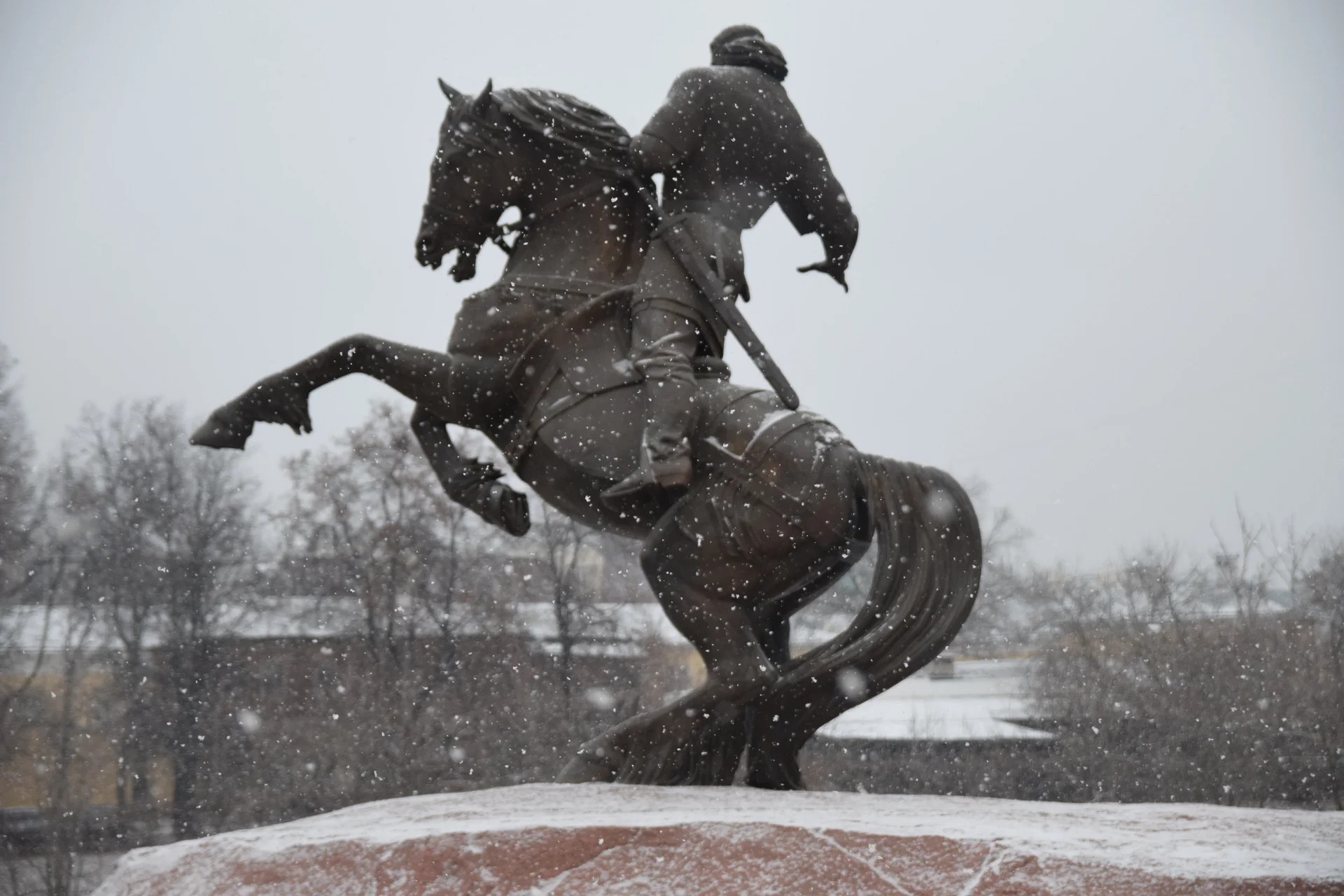
The Monument to Evpaty Kolovrat

The Monument to Evpaty Kolovrat

Modern Russian sculptors, legend recorded 13th-16th century; monument 2007

🏛️ Ryazan, Russia

A bronze horseman honouring a warrior from an old Russian tale. The story says he returned home to find Ryazan burned, gathered a small band and attacked the huge Mongol army from behind. He is killed in the end, and the tale has the enemy commander praising his courage and releasing his men - a way of turning a crushing defeat into something a city could remember with pride.

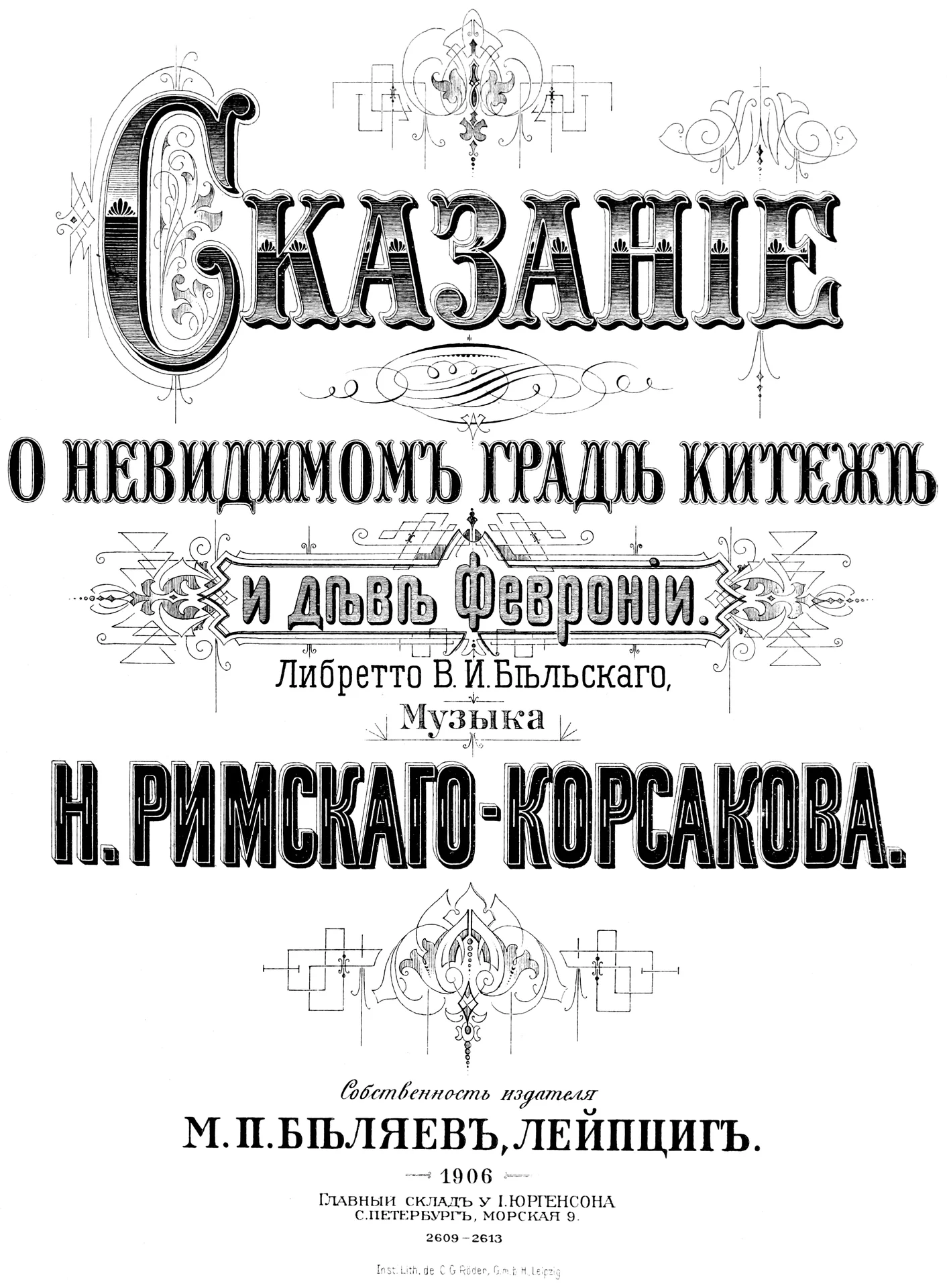
The Legend of the Invisible City of Kitezh

The Legend of the Invisible City of Kitezh

Russian painters and the composer Nikolai Rimsky-Korsakov, legend from the 18th-century Kitezh Chronicle; opera 1907

🏛️ Lake Svetloyar, Nizhny Novgorod region, Russia

A folk story says that when the Mongol army approached, the city of Kitezh sank into a lake and disappeared, and that pure-hearted people can still hear its bells under the water. There is no evidence such a city existed, but the legend became a famous Russian opera and shows how the invasion stayed alive in people's imagination for centuries.

Related Videos

The Day Europe Almost Fell (1241-1242) - Kings and Generals DOCUMENTARY

History Quiz

1 / 5

What Russian legend is closely associated with the terrifying advance of Batu Khan's armies through Northeast Rus'?