Historical Map
Font Size
Language
Theme

Loading Map...

Map height
Scroll Sensitivity1.0
1235 AD – 1279 AD

Mongol Conquest of the Southern Song

A 45-year war that began when the Mongol Empire - The Mongol Empire existed during the 13th and 14th centuries and was the largest contiguous land empire in history. Originating in present-day Mongolia in East Asia, the Mongol Empire at its height st... and the Southern Song - The Song dynasty was an imperial dynasty of China that began in 960 and lasted until 1279. It was founded by Emperor Taizu of Song following his usurpation of the throne of the Later Zhou, ending the ..., allies who had destroyed the Jin dynasty together in 1234, turned on each other almost at once. The Song held out for decades behind wide rivers, thick city walls, and a powerful navy, until the fall of the fortress city of Xiangyang - Xiangyang (in today's Hubei province, China) is a fortress city on the Han River. Because the Han flows into the Yangtze, whoever held Xiangyang could sail straight down into the heart of southern China. That is why people of old called it 'the throat of the empire'. Paired with the city of Fancheng across the river, and protected by thick walls and a wide moat (a water-filled ditch dug around a castle), it was counted among the hardest cities in China to capture.In the 13th century the Mongols (Yuan) and the Southern Song fought a great five-year siege over this city (1268-1273). Song sailors broke through the river blockade again and again to bring in supplies, but when the huihuipao, giant catapults built by Persian engineers, began smashing the walls, the city finally surrendered. With Xiangyang open, the Yuan army could push down the waterways all the way to the Song capital.Xiangyang is also a city of stories. The famous tale of Liu Bei visiting Zhuge Liang three times to win his help, from the Three Kingdoms era, is set nearby, and in the beloved wuxia novel 'The Return of the Condor Heroes', the heroes Guo Jing and Huang Rong defend Xiangyang against the Mongol army — a story almost everyone in China knows. broke that defensive line. When the last Song fleet went down off Yamen in 1279, all of China came under a dynasty founded by a nomadic people for the first time.

LocationSouthern China (Sichuan, Yangtze valley, Jiangnan)
BelligerentsMongol Empire - The Mongol Empire existed during the 13th and 14th centuries and was the largest contiguous land empire in history. Originating in present-day Mongolia in East Asia, the Mongol Empire at its height st... (called the Yuan dynasty from 1271), Southern Song - The Song dynasty was an imperial dynasty of China that began in 960 and lasted until 1279. It was founded by Emperor Taizu of Song following his usurpation of the throne of the Later Zhou, ending the ...

Context & Background

13th century

The Age of Mongol World Conquest

By this time the conquests begun by Genghis Khan stretched to Russia, the Middle East, and Eastern Europe. The conquest of the Southern Song - The Song dynasty was an imperial dynasty of China that began in 960 and lasted until 1279. It was founded by Emperor Taizu of Song following his usurpation of the throne of the Later Zhou, ending the ... was the last and longest of these campaigns; in the same years, Goryeo (Korea) was also resisting Mongol invasions, moving its capital to Ganghwa Island.

12th-13th century

The Southern Song, the World's Richest Economy

The Southern Song was the first country to use paper money widely, navigated the open seas with the compass, and used gunpowder weapons in real battles. Cities like Lin'an and Quanzhou were among the busiest ports in the world, and this wealth was one reason the Mongols - The Mongol Empire existed during the 13th and 14th centuries and was the largest contiguous land empire in history. Originating in present-day Mongolia in East Asia, the Mongol Empire at its height st... wanted the Song.

1271

Founding of the Yuan Dynasty

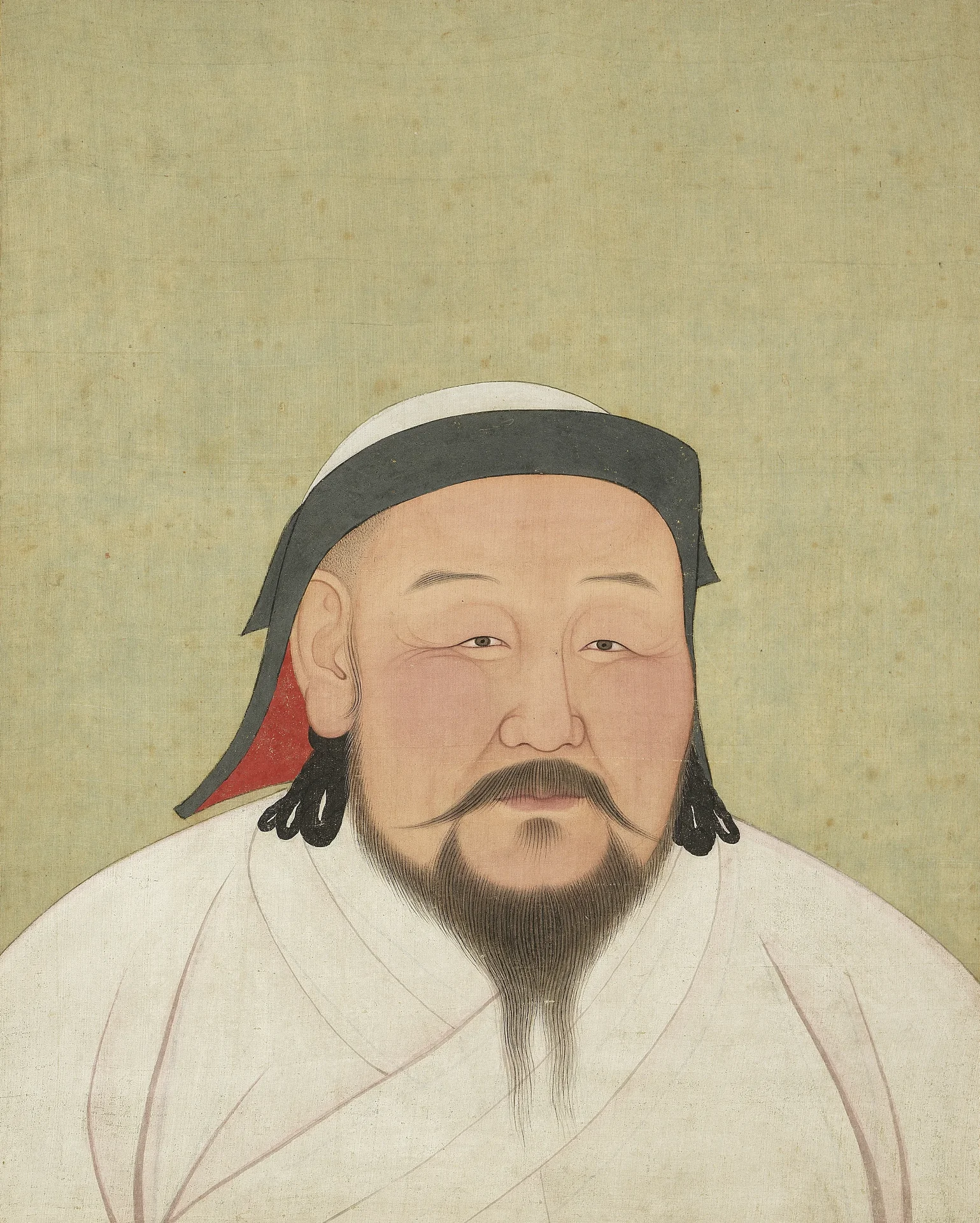
In the middle of the war, Kublai - A grandson of Genghis Khan who won the succession war against his brother, became Great Khan, and founded the Yuan dynasty that ruled all of China. gave his state the Chinese-style name Yuan and made Dadu (today's Beijing) his capital. This was to claim the Mandate of Heaven as a legitimate Chinese dynasty, aiming to appease Han Chinese subjects and legitimize Mongol rule. A nomad empire had put on the robes of a Chinese dynasty, and after the conquest of the Song the Yuan became the first nomad-founded dynasty to rule all of China.

The Narrative

The Mongol Empire - The Mongol Empire existed during the 13th and 14th centuries and was the largest contiguous land empire in history. Originating in present-day Mongolia in East Asia, the Mongol Empire at its height st... was a conquering power sweeping across Eurasia, and the Southern Song - The Song dynasty was an imperial dynasty of China that began in 960 and lasted until 1279. It was founded by Emperor Taizu of Song following his usurpation of the throne of the Later Zhou, ending the ... was the world's largest economy with a population of over sixty million. The two had been allies in destroying the Jin dynasty, but from 1235 they entered a war that would last nearly half a century. No country the Mongols ever attacked held out as long as the Southern Song.

The secret of the Song's endurance was terrain and sea power. To Mongol horsemen raised on the open steppe, southern China was alien ground. Rivers and rice paddies interlaced like a net, every town was ringed by thick walls, and Song warships patrolled the Yangtze. So the Mongols chose a vast detour instead of a frontal assault. In 1253 an army led by Kublai - A grandson of Genghis Khan who won the succession war against his brother, became Great Khan, and founded the Yuan dynasty that ruled all of China. set out from what is now Gansu and marched south for more than two months along the eastern rim of the Tibetan plateau. Blocking the way was the fast-running Jinsha River, the upper course of the Yangtze; the story goes that the Mongols crossed it on rafts lashed together from inflated sheepskin bags, a scene remembered ever since in the phrase 'the Yuan crossed on leather bags'. Beyond the river the army took Dali, capital of the Kingdom of Dali - The Kingdom of Dali (大理國, 937-1253) was a state centred on what is now Yunnan Province in China, reaching into southern Sichuan, western Guizhou and northern Myanmar. Its capital, Dali, sat on a high plain between Erhai Lake and the Cangshan mountains, on the site of today's Dali City. Ringed by mountains and gorges that made it hard to invade, it also sat astride the Tea Horse Road, the old trading route that carried tea and horses between China, Tibet, India and Southeast Asia, so trade flourished there.The kingdom was founded by Duan Siping, a leader of the Bai people, as the successor to the earlier state of Nanzhao, and the Duan family held the throne for more than three centuries. Buddhism mattered so much there that the kingdom was known as the 'Land of Wondrous Fragrance'. Around ten of its twenty-two kings are said to have given up the throne to become monks, a story that later became a favourite subject of martial-arts novels and television dramas. The Three Pagodas of Chongsheng Temple, still standing in the old capital, are the best-known relic of that Buddhist age.In 1253 a Mongol army under Kublai crossed the Jinsha River and took Dali, ending the kingdom. Duan Xingzhi, the last king, surrendered, was given an official post and went on governing the region under Mongol authority, and Yunnan was absorbed into the administrative map of the Chinese empire from that point on. in today's Yunnan. King Duan Xingzhi surrendered, kept his life and was left to govern the region, while his chief minister Gao Taixiang, who had argued for fighting to the end, was executed. After Kublai returned north, the general Uriyangkhadai stayed on and spent three years subduing the rest of Yunnan. The Mongols now had a ring around the Song that reached around the southwest as well as the north.

In 1258 the Great Khan Mongke - The fourth Great Khan of the Mongol Empire (1209–1259), who centralized the imperial administration and launched massive parallel expansion campaigns. He ruled from 1251 until his death at age 50 during the military campaign in Sichuan. personally led a huge army into Sichuan. But the advance stalled the next year before a small mountain fortress called Diaoyucheng, and Mongke died of illness in camp without ever taking it. The Great Khan's death changed the course of world history. Mongol commanders as far away as Europe and the Middle East turned their horses around to contest the succession, and the Song gained twenty more years. Later generations sometimes called Diaoyucheng 'the place where the whip of God was broken'.

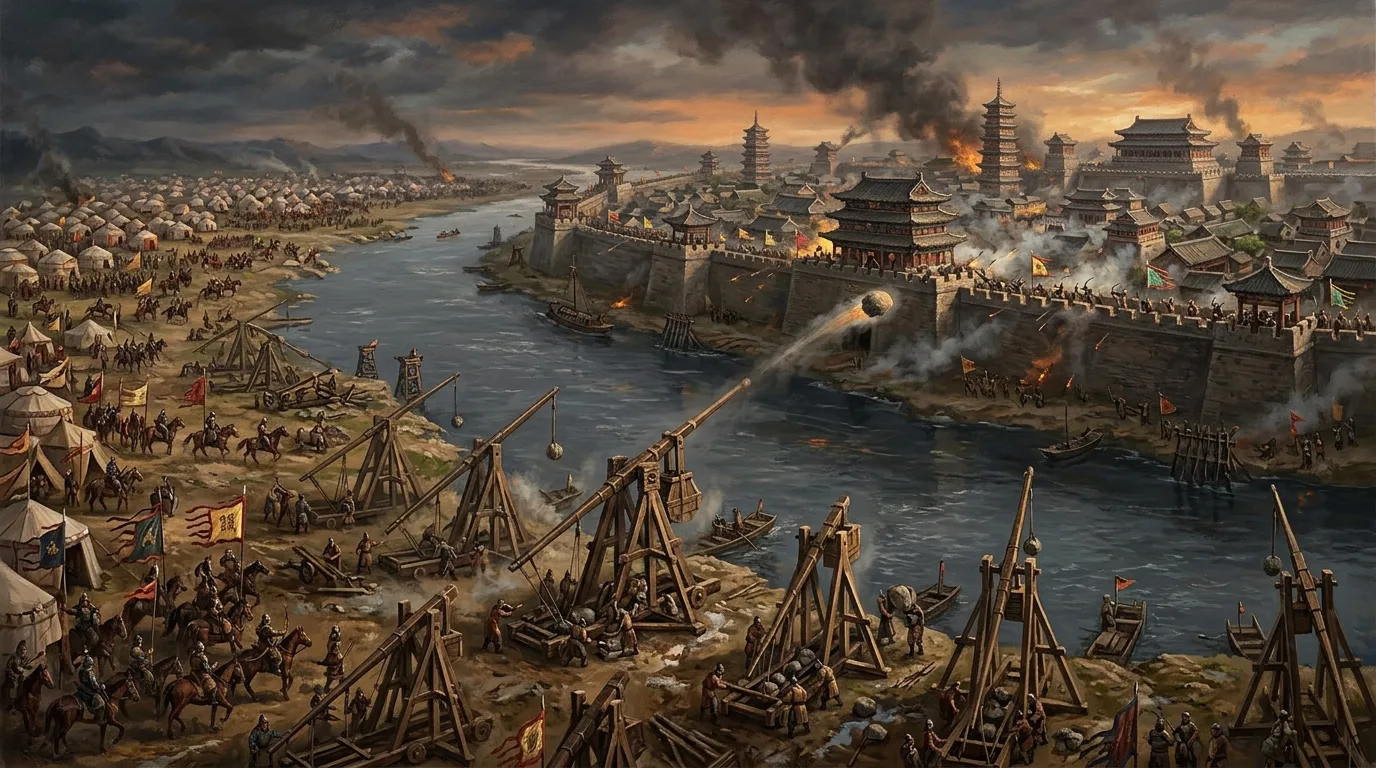
Kublai, who won the civil war and became Great Khan, changed how the war was fought. Admitting that cavalry alone could not defeat the Song, he recruited Han Chinese engineers and surrendered Song sailors, mastering siegecraft (the art of attacking fortified cities) and naval warfare. The test was Xiangyang - Xiangyang (in today's Hubei province, China) is a fortress city on the Han River. Because the Han flows into the Yangtze, whoever held Xiangyang could sail straight down into the heart of southern China. That is why people of old called it 'the throat of the empire'. Paired with the city of Fancheng across the river, and protected by thick walls and a wide moat (a water-filled ditch dug around a castle), it was counted among the hardest cities in China to capture.In the 13th century the Mongols (Yuan) and the Southern Song fought a great five-year siege over this city (1268-1273). Song sailors broke through the river blockade again and again to bring in supplies, but when the huihuipao, giant catapults built by Persian engineers, began smashing the walls, the city finally surrendered. With Xiangyang open, the Yuan army could push down the waterways all the way to the Song capital.Xiangyang is also a city of stories. The famous tale of Liu Bei visiting Zhuge Liang three times to win his help, from the Three Kingdoms era, is set nearby, and in the beloved wuxia novel 'The Return of the Condor Heroes', the heroes Guo Jing and Huang Rong defend Xiangyang against the Mongol army — a story almost everyone in China knows., the fortress city on the Han River. If Xiangyang fell, the Yangtze would open; if the Yangtze opened, the Song heartland lay exposed. The Mongols surrounded the city for five years, and when the huihuipao - The huihuipao was a giant stone-throwing machine used by the Mongol (Yuan) army in the 13th century. 'Huihui' was the word used in China at the time for people from the Islamic world to the west; the machine got its name because it was built by Ismail and Al-aud-Din, engineers who came from Persia (the region of today's Iran). In the West, a weapon built on the same principle is called a trebuchet.Its secret lay in a lever and a heavy weight. A counterweight of many tons hung from one end of a long arm; a stone was placed at the other end; and when the weight was released, the lever hurled a stone of nearly 100 kilograms all the way to a city wall. It could throw far bigger and heavier stones, more accurately, than older catapults pulled by teams of men hauling ropes.Records say that at the siege of Xiangyang in 1273, a stone from a huihuipao brought down a tower with a crash like thunder, terrifying the people inside the city. The shock of this new weapon played a large part in the surrender of Xiangyang after five years of resistance. A steppe cavalry empire had used Persian technology to break a Chinese fortress — a weapon that shows how the Mongol Empire borrowed skills from many civilizations and turned them to war., giant counterweight catapults built by engineers from Persia, began smashing its walls, Xiangyang finally surrendered in 1273.

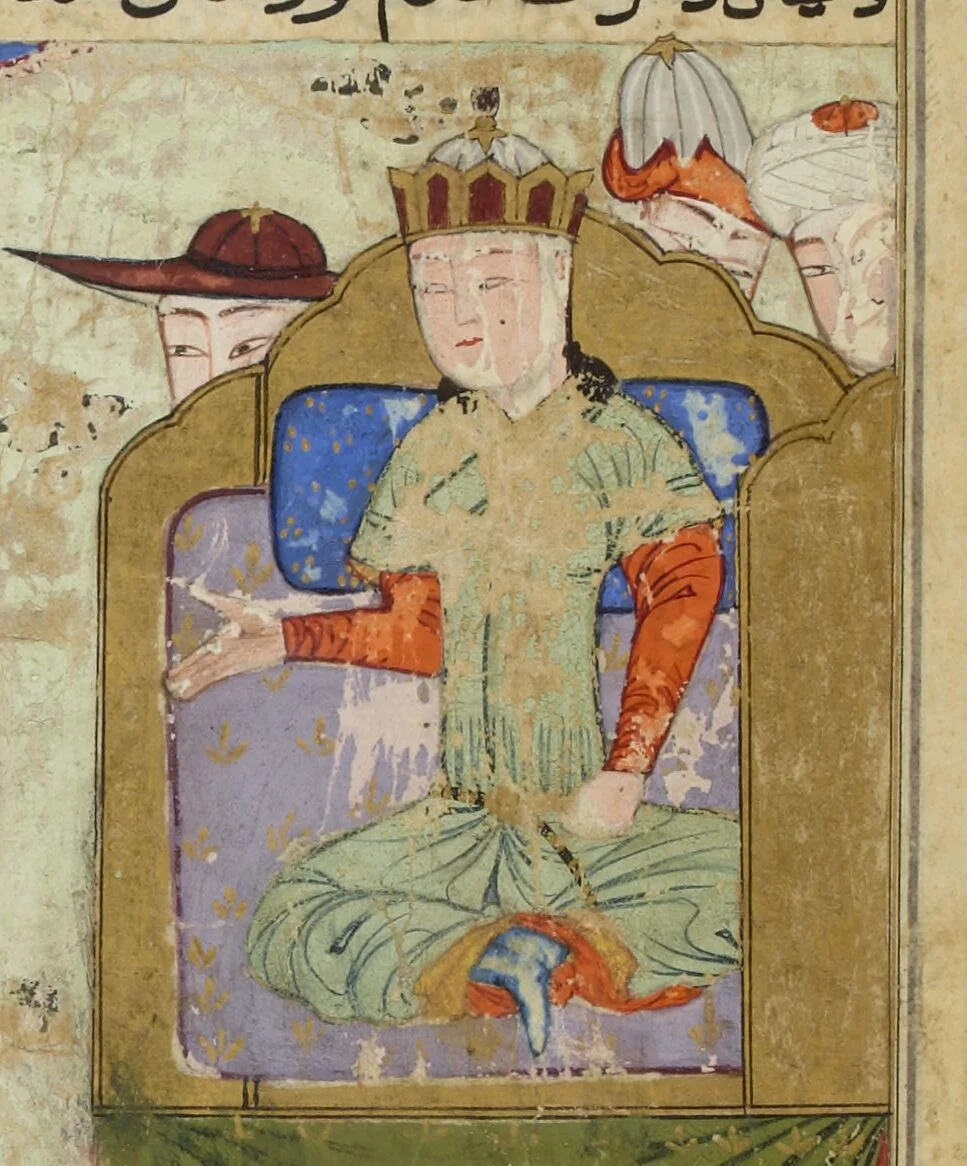
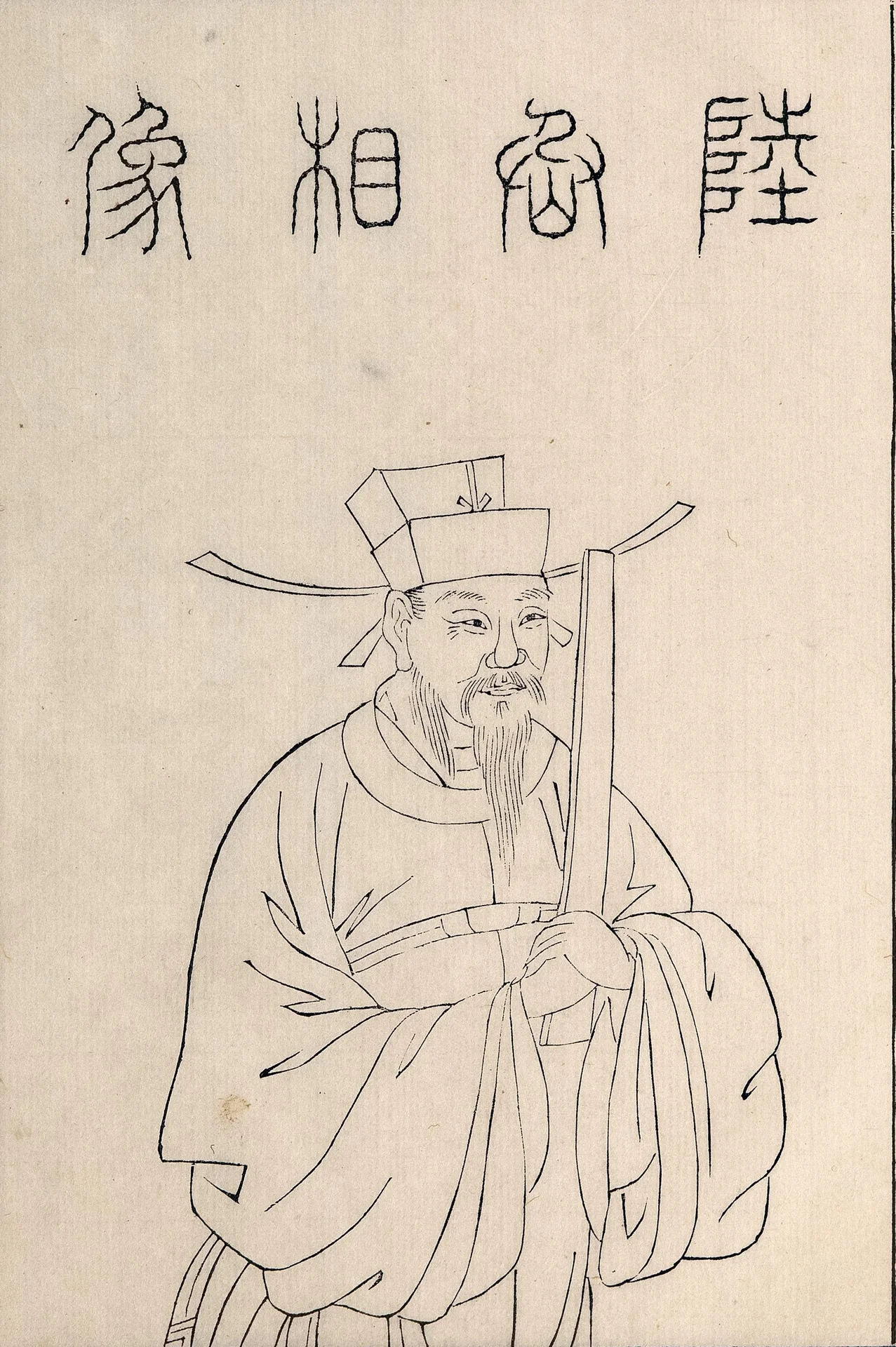
With Xiangyang gone, the dam had burst. The Yuan army under supreme commander Bayan - The great general of Kublai Khan who led the final campaign against the Southern Song, advancing down the Yangtze to take the capital Lin'an without a massacre. swept down the Yangtze, crushed the last main Song army at Dingjiazhou in 1275, and entered the capital Lin'an the following year with almost no fighting. Bayan warned that anyone caught looting would be punished severely, so the palaces, markets and libraries passed into Yuan hands nearly untouched. The five-year-old emperor Gongdi handed over the letter of surrender together with his grandmother, the Grand Empress Dowager Xie. But ministers such as Wen Tianxiang - The scholar-official who fought on after the fall of the Song capital, refused every offer from Kublai Khan, and wrote the Song of Righteousness in prison before his execution., Zhang Shijie, and Lu Xiufu - The chancellor who carried the child emperor through years of flight along the southern coast, and at the last battle of Yamen leapt into the sea with the boy on his back. slipped away down the southern coast with the two young princes and kept the resistance alive. At Fuzhou they enthroned the elder boy, seven-year-old Zhao Shi, as Emperor Duanzong. With no land base left, however, the court lived aboard its ships, and in 1278 Duanzong died at the age of ten of an illness he caught after a storm capsized his boat and threw him into the sea. The remaining ministers then raised his eight-year-old brother Zhao Bing to the throne. The last Song emperor was crowned not in a palace but on a ship.

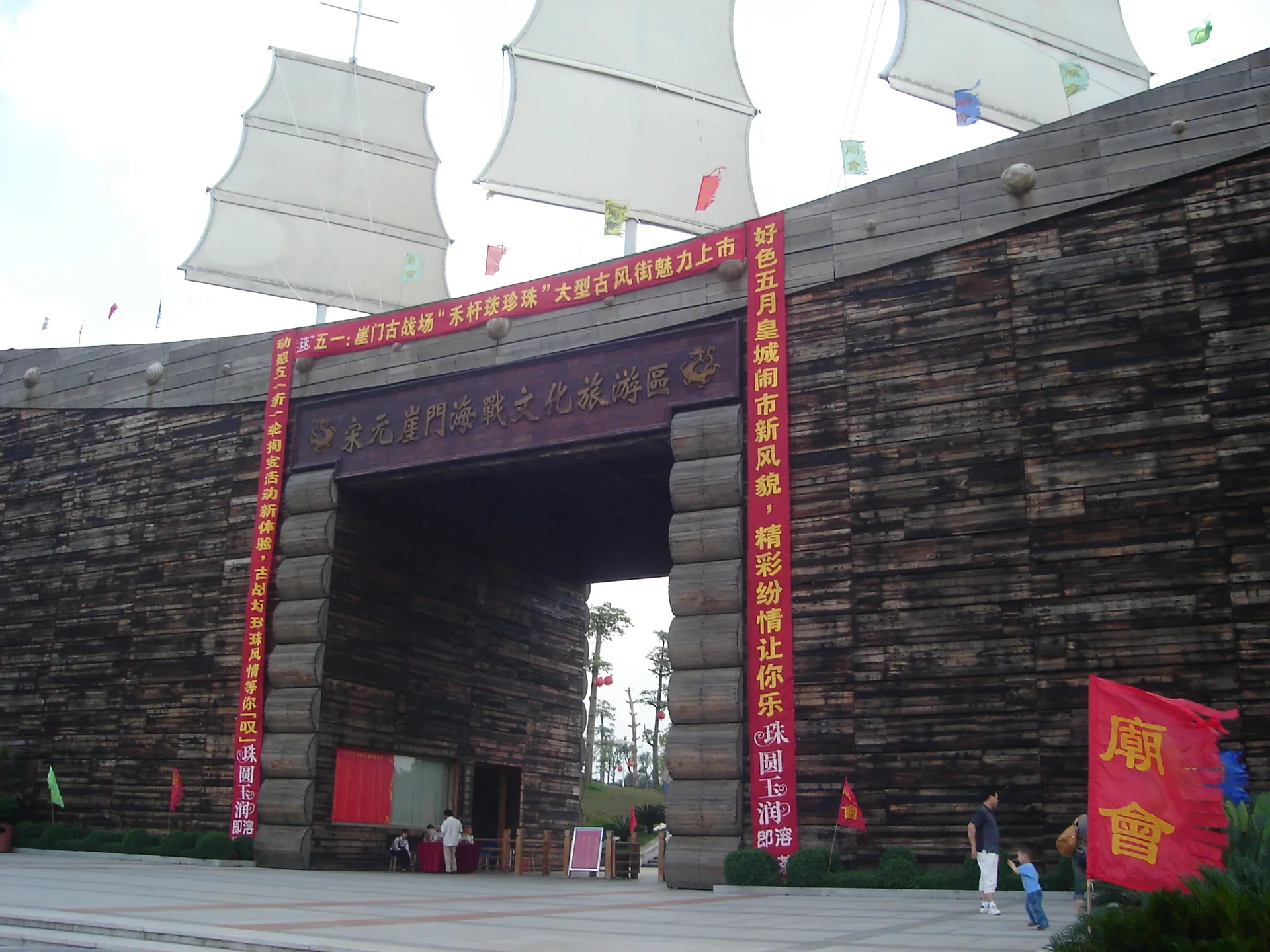
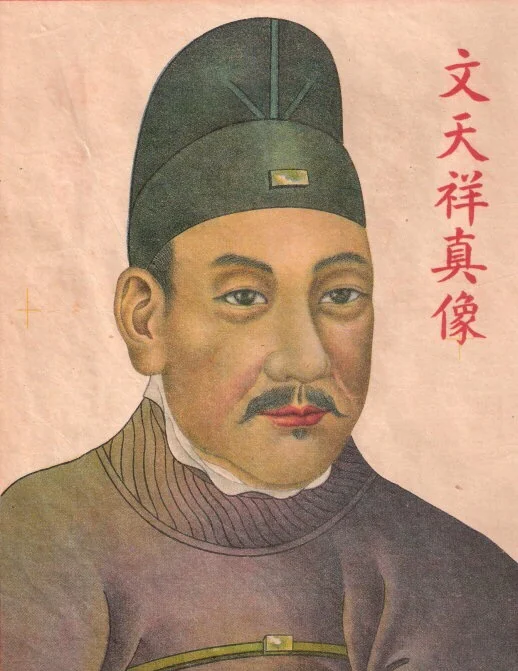
In March 1279 the last Song court was cornered by the Yuan fleet at Yamen, off the coast of Guangdong. After a day of fierce fighting the fleet collapsed, and the chancellor Lu Xiufu took the eight-year-old emperor Zhao Bing on his back and leapt into the sea. Many officials and soldiers are said to have followed. The captured Wen Tianxiang refused every offer from the Yuan, wrote the poem 'Song of Righteousness' in prison, and was executed; the poem is still read today as a symbol of integrity. So ended the Southern Song, and Kublai's Yuan dynasty became the first dynasty founded by a nomadic people to rule all of China.
Chronology

1235 AD

Mongol Invasion of the Song Begins

📍Sichuan (Chengdu Plain) (Map)

Using the Duanping Expedition as a pretext, Mongol armies began attacking the Southern Song - The Song dynasty was an imperial dynasty of China that began in 960 and lasted until 1279. It was founded by Emperor Taizu of Song following his usurpation of the throne of the Later Zhou, ending the ... in Sichuan and along the Huai River - The Huai River is a major river in central China, historically serving as the geographical boundary between North and South China. In 1142, the Treaty of Shaoxing established this river as the official permanent border between the Southern Song and the Jin dynasties, marking the permanent loss of the Central Plains for the Song. According to ancient Chinese mythology, when Yu the Great was controlling the heavy floods, he captured Wuzhiqi, a chaotic giant water monkey spirit that haunted the Huai River, and chained him beneath Mount Guai. This legendary creature is believed to have inspired the character Sun Wukong in Journey to the West. The river is also famous for the proverb 'Jiehua Weizhi' (Oranges turn into bitter trifoliate oranges when planted north of the Huai River), illustrating how changes in environment alter a thing's nature.. Mongol cavalry was unbeatable in open country, but could not land a decisive blow against the Song defense lines of rivers and walled cities. The war settled into a long grinding struggle along the frontier.

Truce / Interlude (18 years)
1253 AD – 1254 AD

Conquest of Dali — the Southern Encirclement

📍Dali (today's Yunnan) (Map)

A Mongol army led by Kublai - A grandson of Genghis Khan who won the succession war against his brother, became Great Khan, and founded the Yuan dynasty that ruled all of China. marched south from Gansu for over two months along the eastern rim of the Tibetan plateau. It crossed the fast-running Jinsha River on rafts of inflated sheepskin bags and took Dali, capital of the Kingdom of Dali - The Kingdom of Dali (大理國, 937-1253) was a state centred on what is now Yunnan Province in China, reaching into southern Sichuan, western Guizhou and northern Myanmar. Its capital, Dali, sat on a high plain between Erhai Lake and the Cangshan mountains, on the site of today's Dali City. Ringed by mountains and gorges that made it hard to invade, it also sat astride the Tea Horse Road, the old trading route that carried tea and horses between China, Tibet, India and Southeast Asia, so trade flourished there.The kingdom was founded by Duan Siping, a leader of the Bai people, as the successor to the earlier state of Nanzhao, and the Duan family held the throne for more than three centuries. Buddhism mattered so much there that the kingdom was known as the 'Land of Wondrous Fragrance'. Around ten of its twenty-two kings are said to have given up the throne to become monks, a story that later became a favourite subject of martial-arts novels and television dramas. The Three Pagodas of Chongsheng Temple, still standing in the old capital, are the best-known relic of that Buddhist age.In 1253 a Mongol army under Kublai crossed the Jinsha River and took Dali, ending the kingdom. Duan Xingzhi, the last king, surrendered, was given an official post and went on governing the region under Mongol authority, and Yunnan was absorbed into the administrative map of the Chinese empire from that point on.. It was a grand flanking strategy: avoid the rivers and walls in front, and wrap around the Song from the southwest. The Song now faced Mongol power on three sides — north, west, and south.

Truce / Interlude (5 years)
1259 AD

Siege of Diaoyucheng and the Death of Mongke

📍Diaoyucheng (Hechuan, today's Chongqing) (Map)

A great Mongol army led personally by the Great Khan Mongke - The fourth Great Khan of the Mongol Empire (1209–1259), who centralized the imperial administration and launched massive parallel expansion campaigns. He ruled from 1251 until his death at age 50 during the military campaign in Sichuan. assaulted the mountain fortress of Diaoyucheng for months. The defenders under Wang Jian held out using clifftop walls and the wells and fields inside the fortress, while heat and disease wore down the besiegers. When Mongke died of illness in camp, the Mongol army withdrew, and the succession struggle bought the Song twenty more years.

ResultSong defensive victory
1260 AD – 1264 AD

Kublai Becomes Great Khan

📍Kaiping (Shangdu) (Map)

After Mongke's death, Kublai fought and won a civil war against his brother Ariq Boke for the title of Great Khan. He moved his capital toward China, recruited Han officials and engineers, and prepared to defeat the Song not with cavalry charges but with sieges and a navy. In 1271 he named his dynasty Yuan.

Truce / Interlude (4 years)
1268 AD – 1273 AD

Siege of Xiangyang

📍Xiangyang (Han River valley) (Map)

The Mongol (Yuan) army surrounded Xiangyang - Xiangyang (in today's Hubei province, China) is a fortress city on the Han River. Because the Han flows into the Yangtze, whoever held Xiangyang could sail straight down into the heart of southern China. That is why people of old called it 'the throat of the empire'. Paired with the city of Fancheng across the river, and protected by thick walls and a wide moat (a water-filled ditch dug around a castle), it was counted among the hardest cities in China to capture.In the 13th century the Mongols (Yuan) and the Southern Song fought a great five-year siege over this city (1268-1273). Song sailors broke through the river blockade again and again to bring in supplies, but when the huihuipao, giant catapults built by Persian engineers, began smashing the walls, the city finally surrendered. With Xiangyang open, the Yuan army could push down the waterways all the way to the Song capital.Xiangyang is also a city of stories. The famous tale of Liu Bei visiting Zhuge Liang three times to win his help, from the Three Kingdoms era, is set nearby, and in the beloved wuxia novel 'The Return of the Condor Heroes', the heroes Guo Jing and Huang Rong defend Xiangyang against the Mongol army — a story almost everyone in China knows., the gateway to the Yangtze, for five years. They built barriers and pontoon forts on the river to cut off supplies, yet Song sailors repeatedly broke through the blockade. What decided the siege was the huihuipao - The huihuipao was a giant stone-throwing machine used by the Mongol (Yuan) army in the 13th century. 'Huihui' was the word used in China at the time for people from the Islamic world to the west; the machine got its name because it was built by Ismail and Al-aud-Din, engineers who came from Persia (the region of today's Iran). In the West, a weapon built on the same principle is called a trebuchet.Its secret lay in a lever and a heavy weight. A counterweight of many tons hung from one end of a long arm; a stone was placed at the other end; and when the weight was released, the lever hurled a stone of nearly 100 kilograms all the way to a city wall. It could throw far bigger and heavier stones, more accurately, than older catapults pulled by teams of men hauling ropes.Records say that at the siege of Xiangyang in 1273, a stone from a huihuipao brought down a tower with a crash like thunder, terrifying the people inside the city. The shock of this new weapon played a large part in the surrender of Xiangyang after five years of resistance. A steppe cavalry empire had used Persian technology to break a Chinese fortress — a weapon that shows how the Mongol Empire borrowed skills from many civilizations and turned them to war., giant counterweight catapults built by Persian engineers. As heavy stones smashed walls and towers, the garrison commander Lu Wenhuan surrendered in 1273, opening the waterway to the Song heartland.

ResultYuan victory
1275 AD

Battle of Dingjiazhou

📍Dingjiazhou (lower Yangtze) (Map)

Chancellor Jia Sidao led the last main Song force, 130,000 men and 2,500 ships, to block Bayan - The great general of Kublai Khan who led the final campaign against the Southern Song, advancing down the Yangtze to take the capital Lin'an without a massacre.'s army on the Yangtze. The Yuan mounted huihuipao on both banks to bombard the fleet while pressing the attack on water and land at once. When the vanguard broke, the Song army collapsed and fled in panic, and there was no army left to defend the capital Lin'an.

ResultYuan victory
1276 AD

Fall of Lin'an

📍Lin'an (today's Hangzhou) (Map)

As Bayan's army approached the capital, Grand Empress Dowager Xie surrendered, handing over the imperial seal together with the five-year-old emperor Gongdi. The largest and most splendid city in the world opened its gates without a fight. But Wen Tianxiang - The scholar-official who fought on after the fall of the Song capital, refused every offer from Kublai Khan, and wrote the Song of Righteousness in prison before his execution., Zhang Shijie, Lu Xiufu - The chancellor who carried the child emperor through years of flight along the southern coast, and at the last battle of Yamen leapt into the sea with the boy on his back. and others fled south along the coast with the young princes, set up a court in exile, and fought on.

1276 AD – 1278 AD

A Court at Sea — Two Boy Emperors

📍Fuzhou (today's Fujian) (Map)

After Lin'an fell, the ministers enthroned seven-year-old Zhao Shi at Fuzhou as Emperor Duanzong. With no base on land, the court drifted aboard its ships and was pushed steadily south; in 1278 Duanzong died of an illness caught after a storm capsized his boat. Lu Xiufu and Zhang Shijie then raised his eight-year-old brother Zhao Bing as the last emperor and fell back to Yamen.

1279 AD

Battle of Yamen — the End of the Song

📍Yamen (off Jiangmen, Guangdong) (Map)

Zhang Shijie chained about a thousand ships together into a floating fortress for a last stand. The Yuan fleet cut off water and supplies, then broke the formation with fire attacks and boarding assaults. As the fleet collapsed, chancellor Lu Xiufu took the eight-year-old emperor Zhao Bing on his back and leapt into the sea, and many followed. This single day of battle ended the 320-year history of the Song dynasty.

ResultYuan victory; fall of the Southern Song

Art & Heritage

Wen Tianxiang and 'Crossing Lingding Sea'

Later Chinese portrait painters; poem by Wen Tianxiang, poem 1279; portraits from the Ming dynasty onward

🏛️ Wen Tianxiang Shrine, Beijing, and various museum collections

A Song minister captured at sea wrote a poem on the boat that carried him to prison, ending with the line 'since ancient times who has escaped death - let me leave a loyal heart to shine in the histories'. He refused offers of high office from the new rulers for four years before he was executed, and later dynasties honoured him as a model of loyalty.

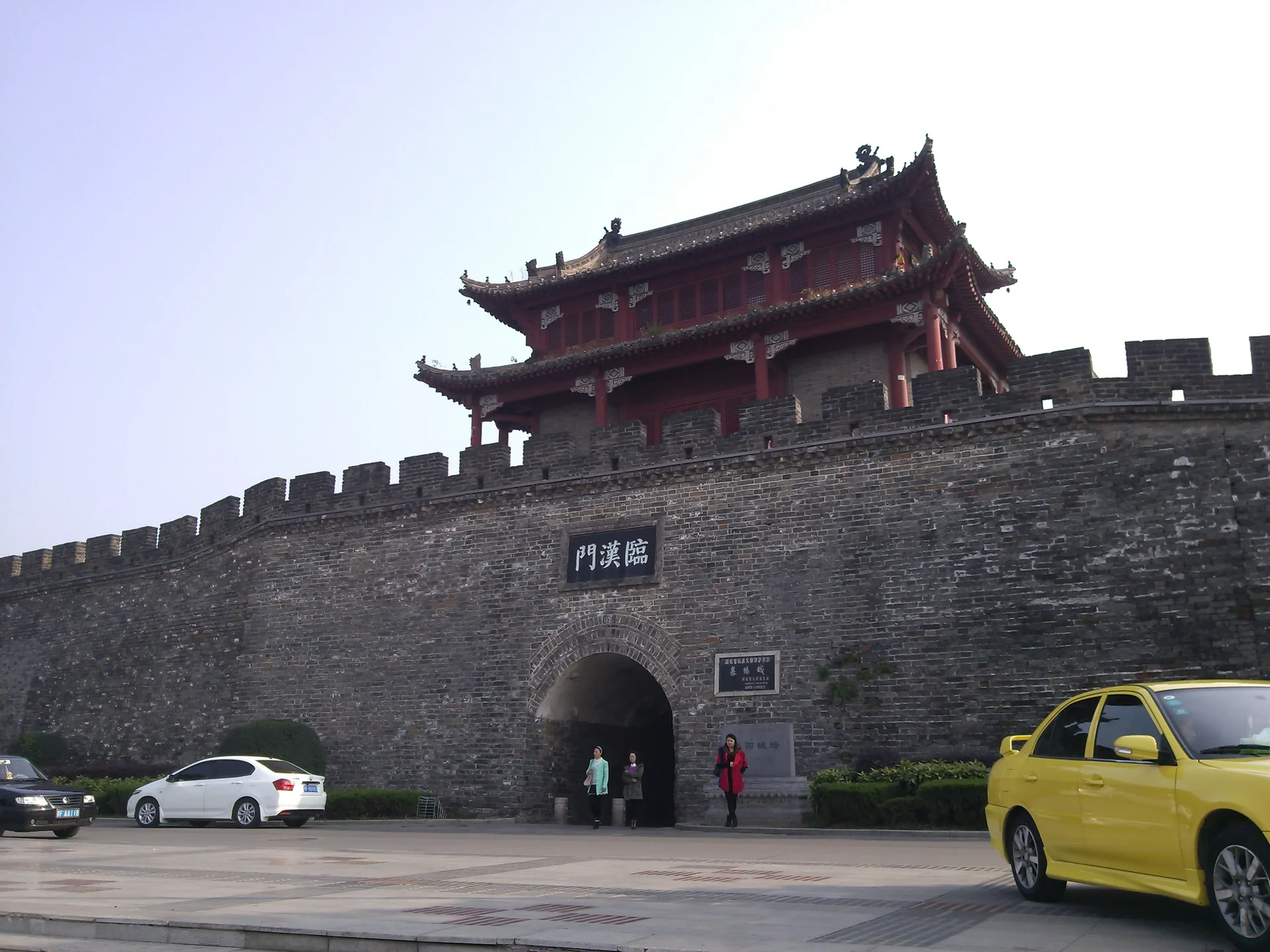
The City Walls of Xiangyang

The City Walls of Xiangyang

-, walls repeatedly rebuilt; siege of 1267-1273

🏛️ Xiangyang, Hubei, China

A walled city on the Han River with one of the widest moats in China, guarding the road south to the Yangtze. The Mongol army needed six years to take it, and only succeeded after engineers from Persia built counterweight catapults powerful enough to break the towers. Its fall opened the way to the Southern Song capital.

The Yamen Battlefield Memorial

The Yamen Battlefield Memorial

-, battle 1279; shrine rebuilt in later centuries

🏛️ Xinhui, Jiangmen, Guangdong, China

A memorial park at the river mouth where the last Song fleet was destroyed. Records say the boy emperor's guardian carried him into the sea rather than surrender, and that many followed. The site has been rebuilt many times because each later dynasty wanted to show what it thought loyalty meant.

Related Videos

Breaking the South – Song & the Seas (1267–1281) | Mongol Conquests Ep. 7

History Quiz

1 / 6

What was the relationship between the Mongols and the Southern Song before their war?