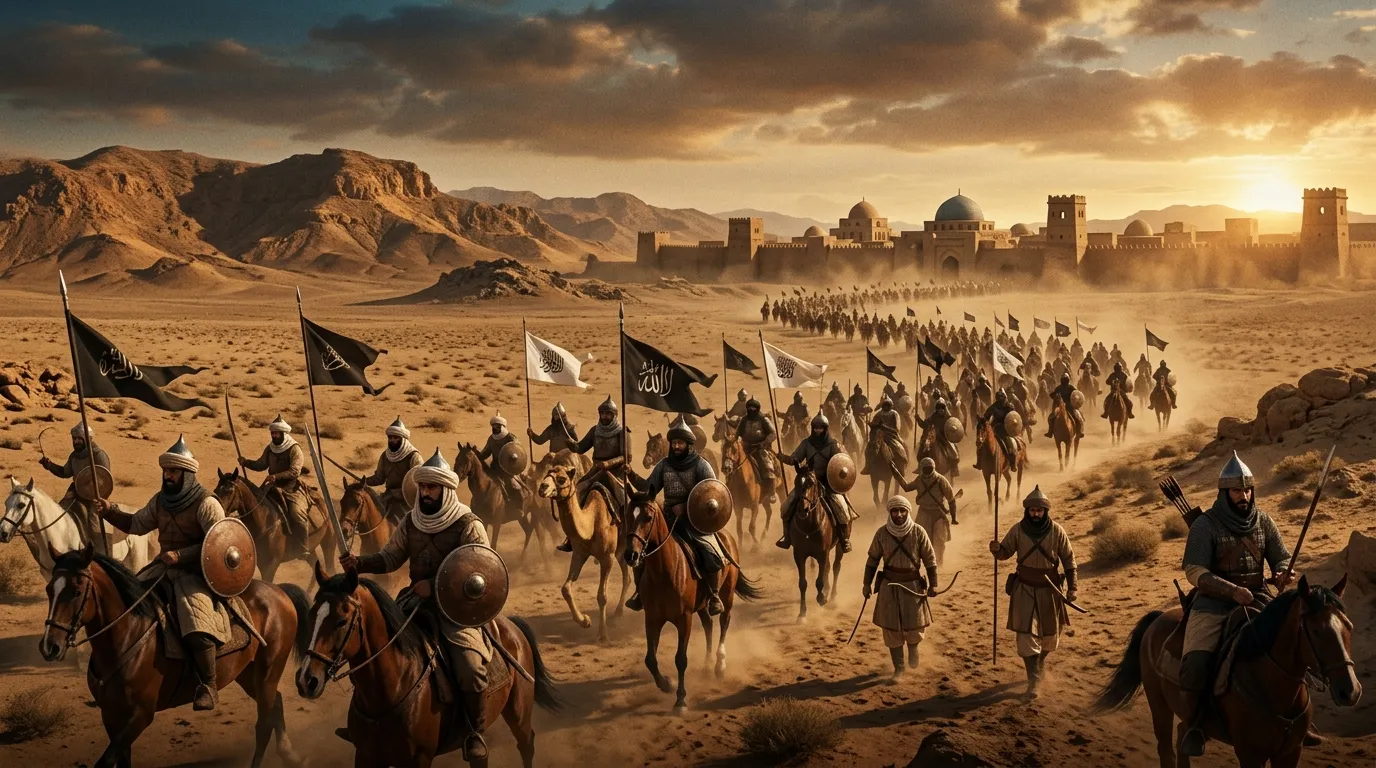
After the death of Prophet Muhammad in 632, the Rashidun Caliphate - The first of the four major caliphates established after the death of Prophet Muhammad, led by the four 'Rightly Guided' caliphs. It saw a rapid expansion across the Middle East, North Africa, and Per... began a period of unprecedented expansion. The two established world powers, the Byzantine and Sasanian Empire - The Sasanian Empire was the last Persian imperial dynasty before the Muslim conquest. Founded by Ardashir I in 224 AD, it revived Iranian traditions and Zoroastrianism, becoming a superpower alongside...s, had just finished a long and exhausting war. This exhaustion, combined with internal divisions, made them vulnerable to the highly motivated and mobile Rashidun armies.
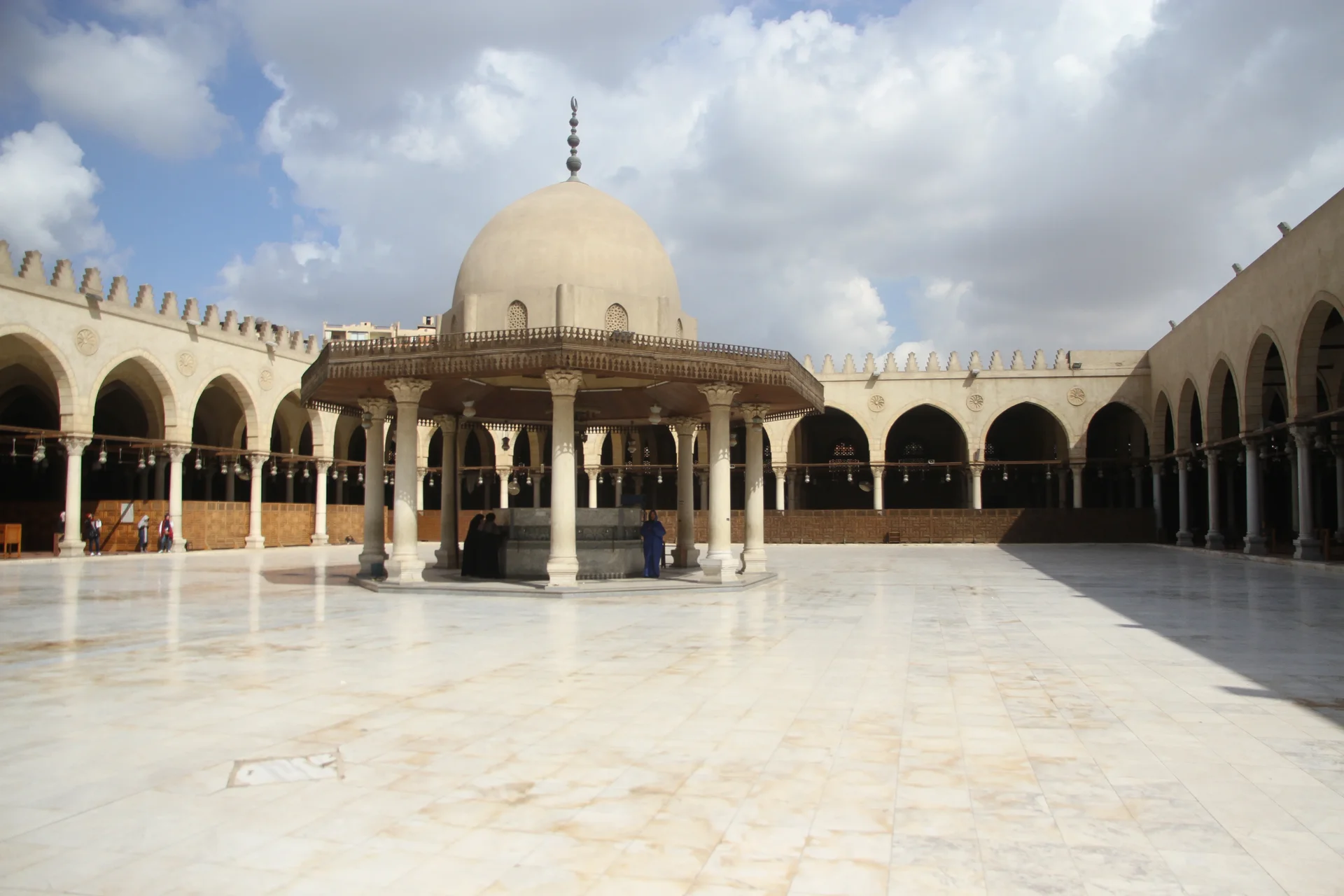
In the West, Islamic forces moved across Syria and Palestine. A major victory at the Battle of Yarmouk in 636 forced the Byzantines to retreat to Anatolia - Also known as Asia Minor, this large peninsula in West Asia corresponds to modern-day Turkey. Historically, it has been a cradle of civilization and a bridge between East and West, hosting the Hittites, Lydians, Greeks, Romans, Byzantines, and Turks. During the Crusades, it was a treacherous but necessary overland route for European armies marching toward the Holy Land., leaving the Levant - A historical geographical term referring to a large area in the Eastern Mediterranean, covering modern-day Syria, Lebanon, Jordan, Israel, Palestine, and parts of Turkey. Alexander secured this region after the Battle of Issus, capturing key cities like Tyre and Gaza. to the Caliphate. Jerusalem surrendered in 637. Soon after, General Amr ibn al-Aas - Rashidun general who led the conquest of Egypt and helped establish early Islamic rule in North Africa. invaded Egypt, capturing the strategic Babylon Fortress - A massive Byzantine fortress located in the Nile Delta, near modern Cairo. Its fall in 641 after long siege was a turning point in the Islamic conquest of Egypt. and the capital, Alexandria - A major city in Egypt, founded by Alexander the Great in 331 BC. It quickly grew into one of the greatest cities of the Hellenistic world, renowned for its Lighthouse of Alexandria (one of the Seven Wonders of the Ancient World) and its magnificent Library of Alexandria, which became a center of learning and culture., by 642.
In the East, the campaign against the Sasanian Empire proved equally dramatic. Following initial raids, a massive confrontation took place at the Battle of Qadisiyah in 636. Despite the Sasanians' use of war elephants and heavy armor, the Rashidun forces achieved a stunning victory. This led to the capture of the Sasanian capital, Ctesiphon - The imperial capital of the Sasanian Empire, situated on the eastern bank of the Tigris. Its fall in 637 AD to the Rashidun forces marked the end of Persian administrative control over central Mesopotamia., the following year.
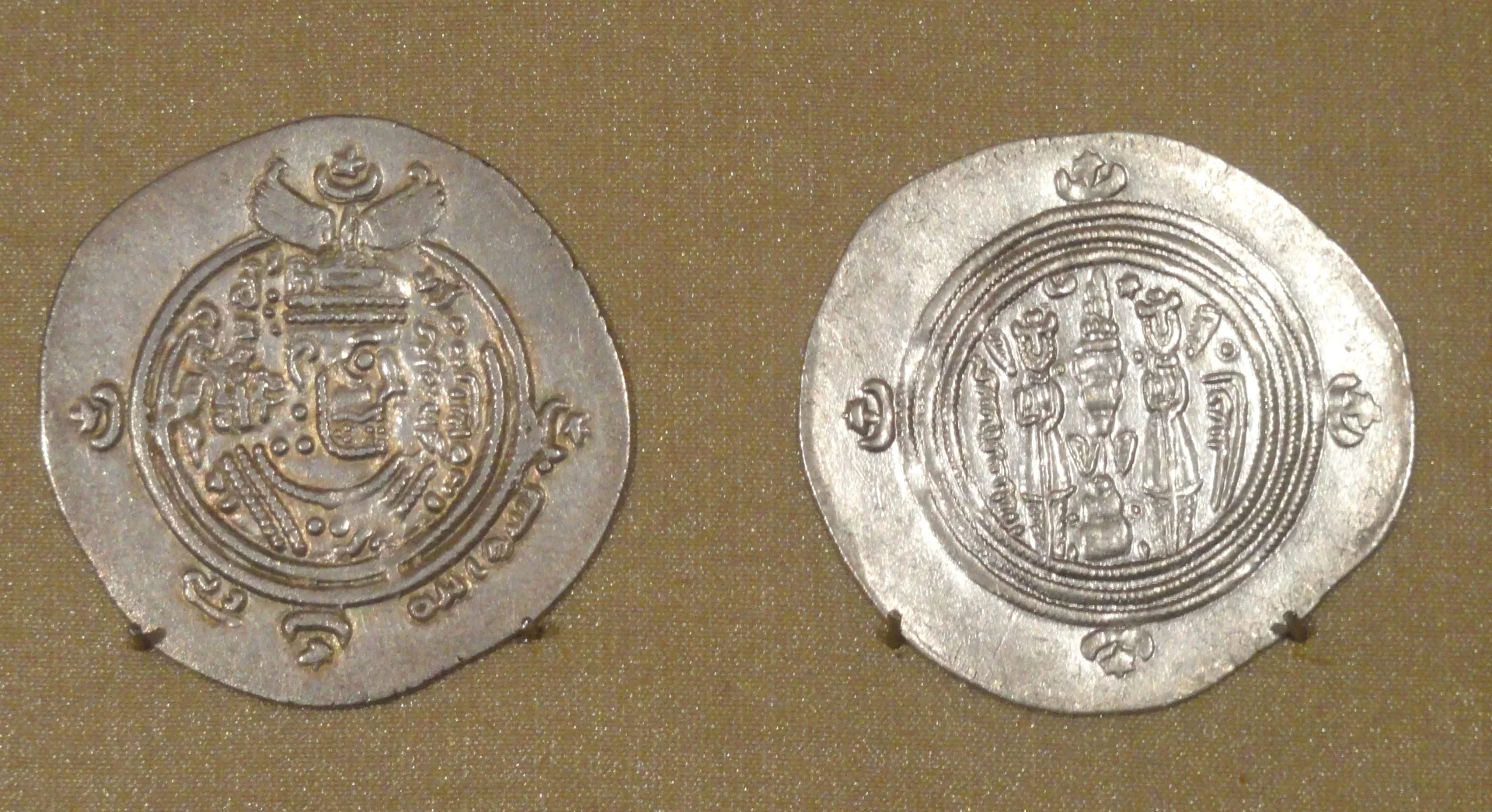
The final blow to the Sasanian central power came at the Battle of Nahavand in 642, often called the 'Victory of Victories.' While the empire officially ended in 651 with the death of Yazdegerd III, the conquest of the vast Persian plateau was a gradual process. Some regions, like the mountainous Tabaristan - A mountainous region on the southern coast of the Caspian Sea. It was a major center of Sasanian resistance against the Arab conquests, remaining largely independent under local Zoroastrian dynasties for over a century after the fall of the Sasanian Empire., remained independent for over a century, while others required persistent military campaigns to fully integrate into the Caliphate.
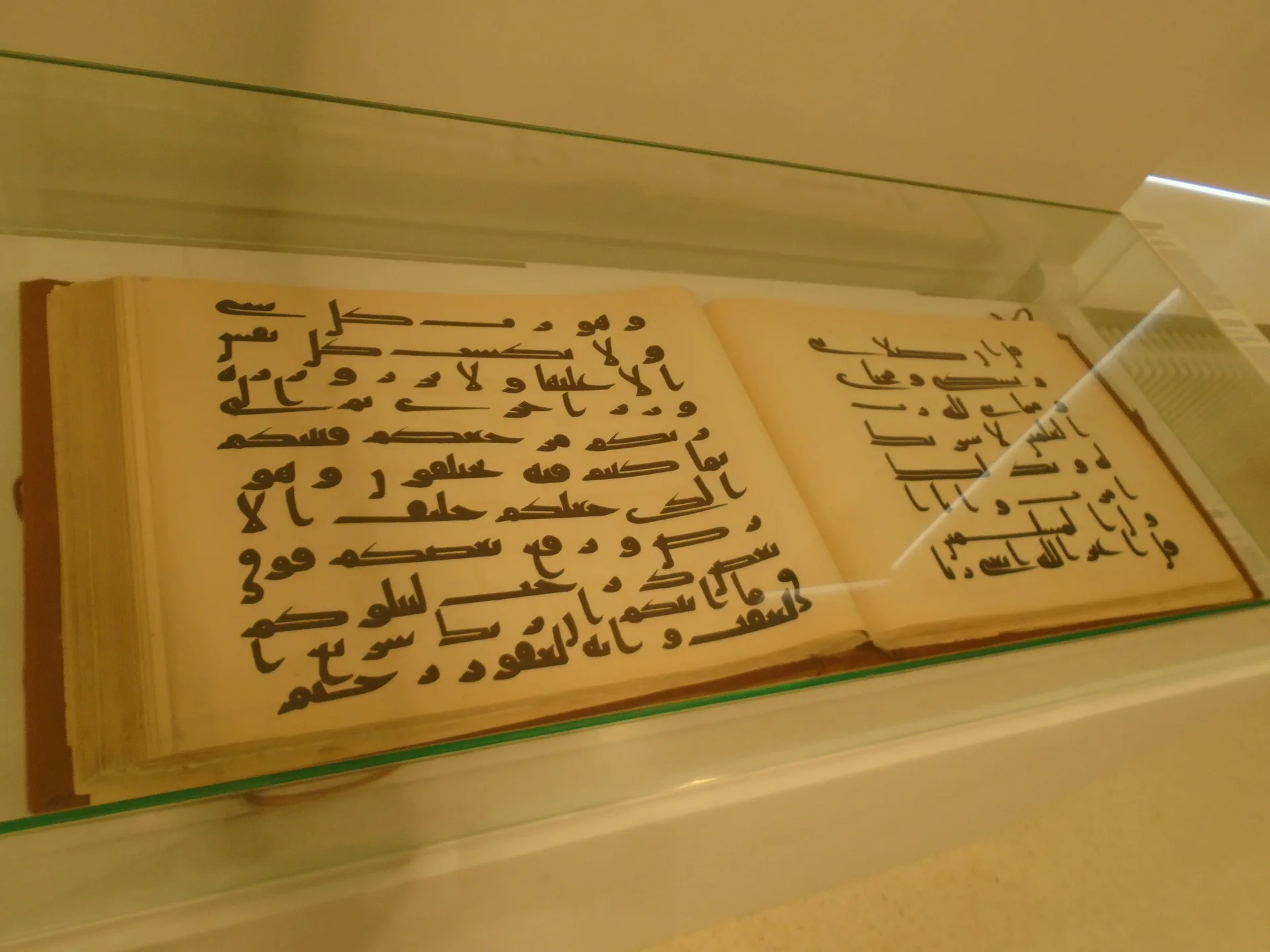
These conquests weren't just about territory; they brought a new religion, language, and administrative system to the Middle East. The Caliphate's ability to govern diverse populations through early treaties like the 'Covenant of Umar - When Jerusalem surrendered to the Rashidun Caliphate, Caliph Umar ibn al-Khattab personally traveled to the city. He signed this famous treaty with Patriarch Sophronius. The pact promised that the Christians would be safe, their churches would not be destroyed, and they could keep their religion. In return, they agreed to pay a special tax called the 'jizya' and remain loyal to the empire. This surprising level of tolerance helped the early Islamic Empire rule peacefully over many different peoples.' helped stabilize the vast new empire.