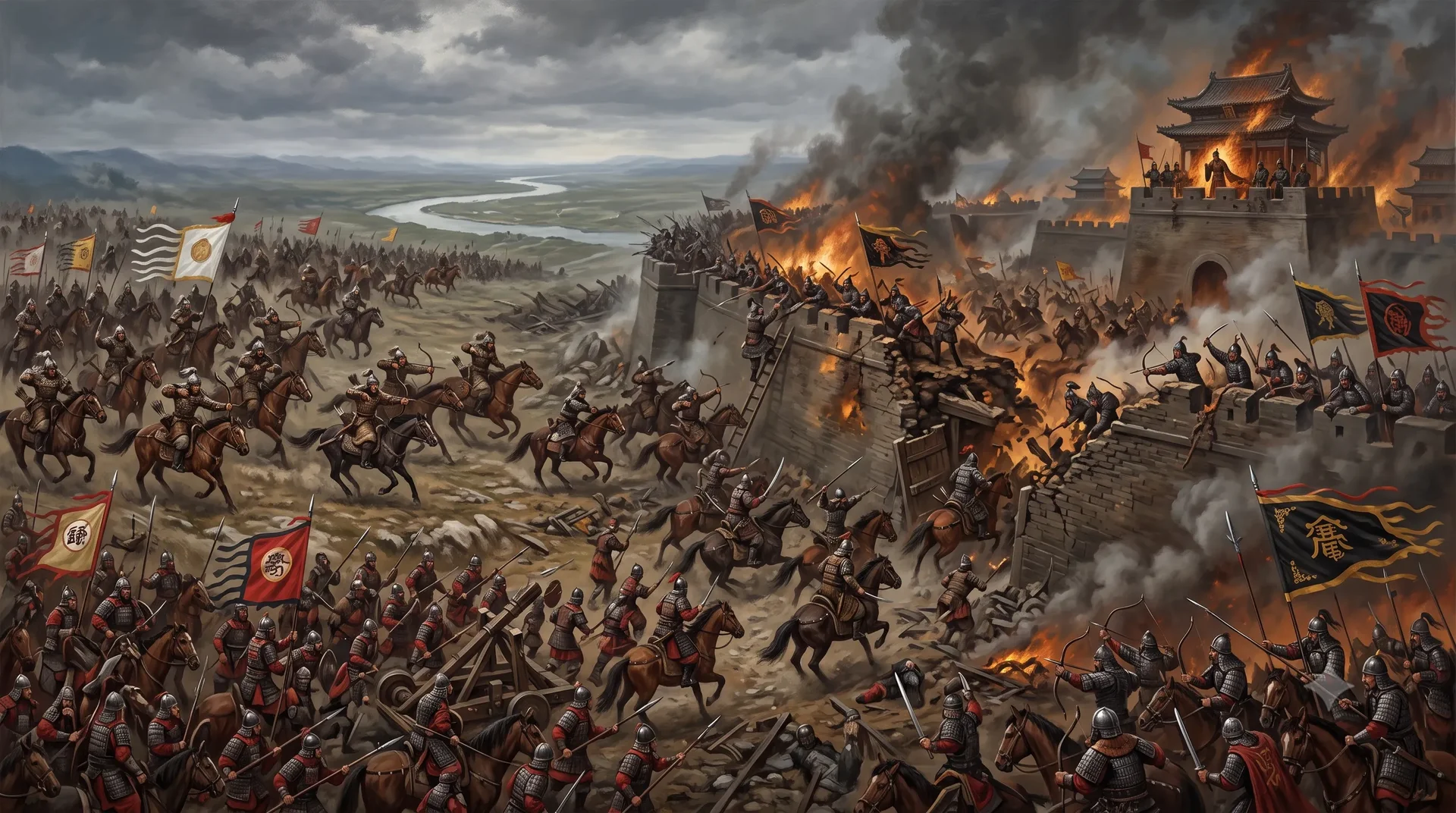
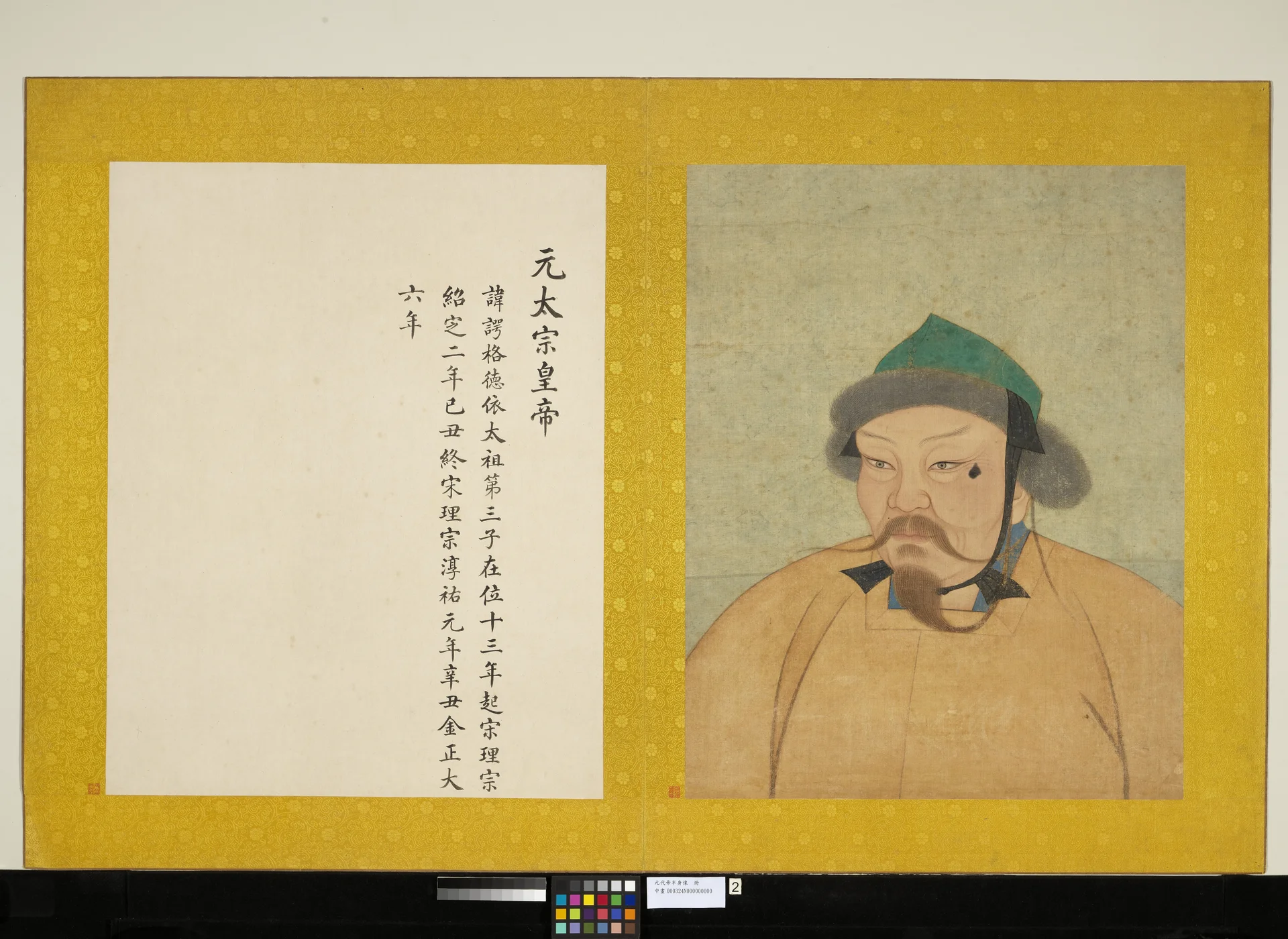
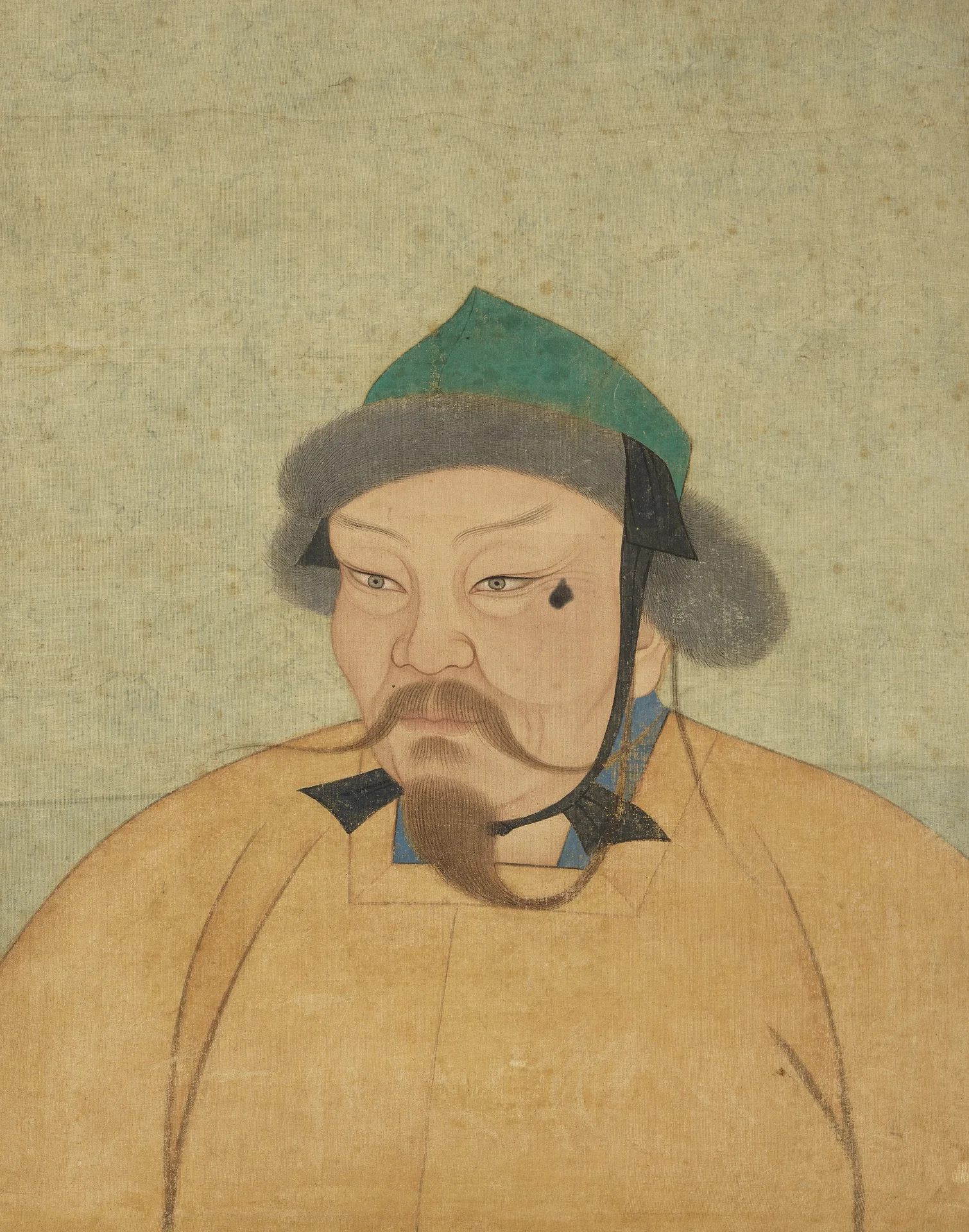
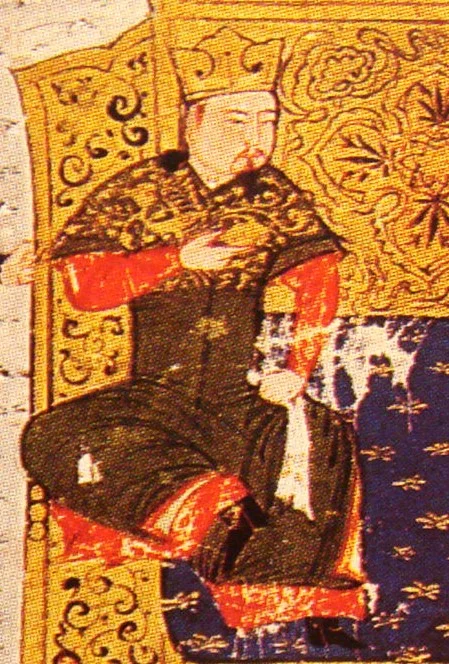
Following the death of Genghis Khan, his successor Ögedei Khan - The second Great Khan of the Mongol Empire and the third son of Genghis Khan. He expanded the empire's borders across Asia and Europe, established the capital at Karakorum, and institutionalized the Yam courier system. initiated a massive second campaign in 1230 to finally extinguish their long-time rival, the Jin dynasty - The Jin dynasty, officially the Great Jin, was an imperial dynasty of China led by the Jurchen people. It ruled Northern China and Northeast China from 1115 to 1234. Legend has it that the founder, Aguda, chose the name 'Jin' (Gold) because gold is unchanging and pure, unlike iron which rusts. The Jurchens were known for their fierce martial spirit and advanced iron technology before their eventual fall to the rising Mongol Empire.. Battered by Genghis Khan's earlier invasions, the Jin had already relocated their capital southward from Zhongdu (Beijing) to Kaifeng - Originally the magnificent capital of the Northern Song Dynasty (then known as Bianjing), Kaifeng was captured by the Jurchen-led Jin Dynasty in 1127. Decades later, facing relentless pressure from the expanding Mongol Empire, the Jin relocated their capital from Zhongdu (Beijing) to Kaifeng in 1214. It served as the Jin Dynasty's final major stronghold, heavily fortified against Mongol attacks. However, a grueling, year-long siege by Mongol forces beginning in 1232, coupled with rampant starvation and plague within the city walls, eventually broke Kaifeng's defenses, leading to its capture and the impending collapse of the Jin Dynasty. and were holding on desperately behind strong defensive lines.
To bypass the formidable Jin defenses along the Yellow River - The Yellow River (Huang He) is the second-longest river in China and the birthplace of ancient Chinese civilization. Often referred to as the 'Cradle of Chinese Civilization,' its fertile loess soil supported early agricultural settlements. However, due to its devastating and unpredictable floods caused by silt accumulation, it was also known as 'China's Sorrow.' Throughout history, dynasties rose and fell based on their ability to control its waters through extensive dykes and channels., the Mongol army executed a daring flanking maneuver by marching through the territory of the Southern Song - The Song dynasty was an imperial dynasty of China that began in 960 and lasted until 1279. It was founded by Emperor Taizu of Song following his usurpation of the throne of the Later Zhou, ending the ... dynasty. In 1232, at the Battle of Sanfengshan, a Mongol force led by Tolui - The youngest son of Genghis Khan and a brilliant military strategist, he played a decisive role in the destruction of the Jin dynasty's main army at the Battle of Sanfengshan. ambushed and completely annihilated the last elite Jin army in the midst of a blinding snowstorm. This catastrophic defeat left the Jin dynasty militarily crippled.
The Mongols subsequently laid a grueling siege to the Jin capital of Kaifeng. After nearly a year of relentless attacks, starvation, and rampant disease within the city walls, Emperor Aizong - The tragic final ruler of the Jin dynasty who attempted to save his crumbling empire but ultimately committed suicide when confronted by the joint Mongol-Song forces. abandoned Kaifeng and fled to Caizhou - Caizhou (modern-day Runan County, Henan Province) was the final refuge of Emperor Aizong of the Jin Dynasty after he fled the besieged capital of Kaifeng. In 1233, an allied force of the Mongol Empire and the Southern Song Dynasty surrounded the city. Following a fierce and desperate defense, the walls of Caizhou were breached in 1234. Facing certain capture, Emperor Aizong committed suicide, marking the complete and final destruction of the Jurchen Jin Dynasty after over 120 years of rule.. The Mongol Empire - The Mongol Empire existed during the 13th and 14th centuries and was the largest contiguous land empire in history. Originating in present-day Mongolia in East Asia, the Mongol Empire at its height st... then forged an alliance with the Southern Song, who sought to reclaim their lost northern territories, to jointly assault the remaining Jin stronghold.
In 1234, the combined forces of the Mongols and the Southern Song launched a fierce assault on Caizhou, eventually breaching its walls. Facing imminent capture and total defeat, Emperor Aizong committed suicide, bringing a definitive end to the Jurchen Jin dynasty that had ruled North China for over 120 years. However, immediately following this victory, disputes over war spoils and territory arose between the Mongols and the Song, planting the seeds for an even larger conflict.