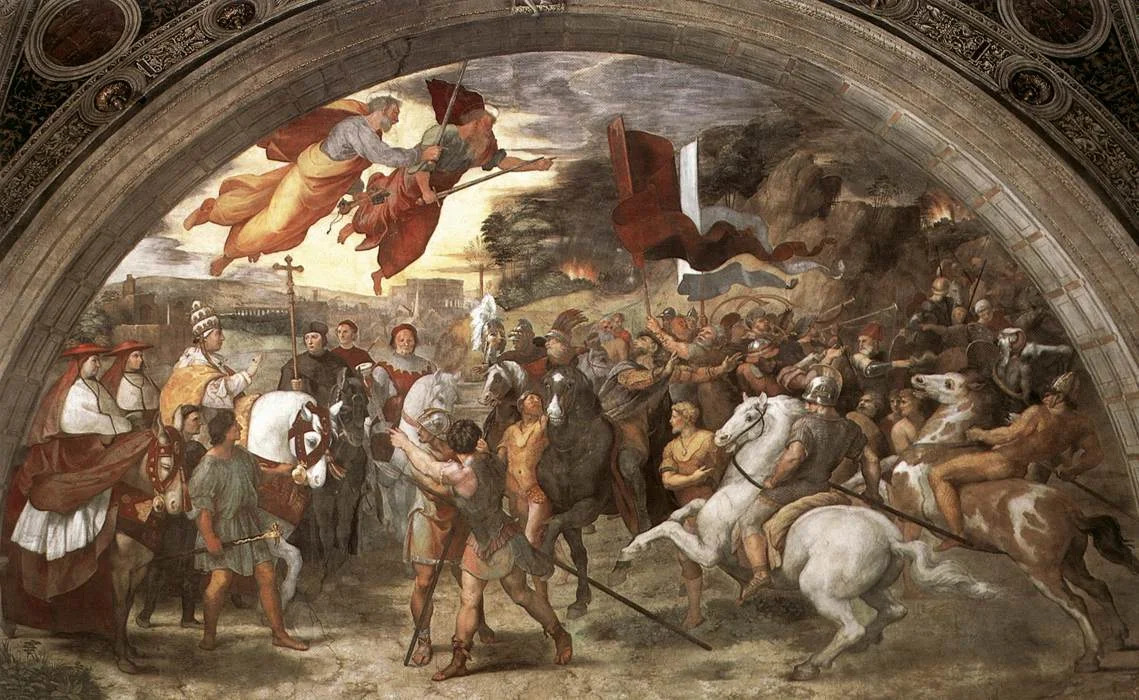
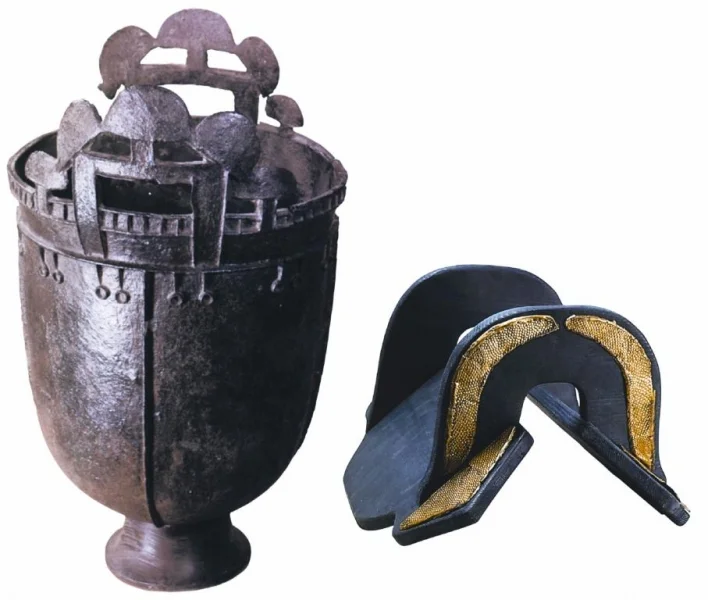
The seeds of the Hunnic Empire - The Huns were a nomadic people from the Eurasian Steppe who appeared in Europe in the late 4th century. Their origins remain the subject of scholarly debate, with some linking them to the Xiongnu who ...'s destruction were sown immediately after Attila's death. Attila died suddenly in 453 AD, reportedly on his wedding night after heavy drinking and a severe nosebleed, though the exact cause is still debated. His sons, Ellac, Dengizich, and Ernak, quarrelled over the division of the subject peoples as if they were family estate. This arrogance incited the Germanic tribes, who had served loyally under Attila, to revolt for their independence.
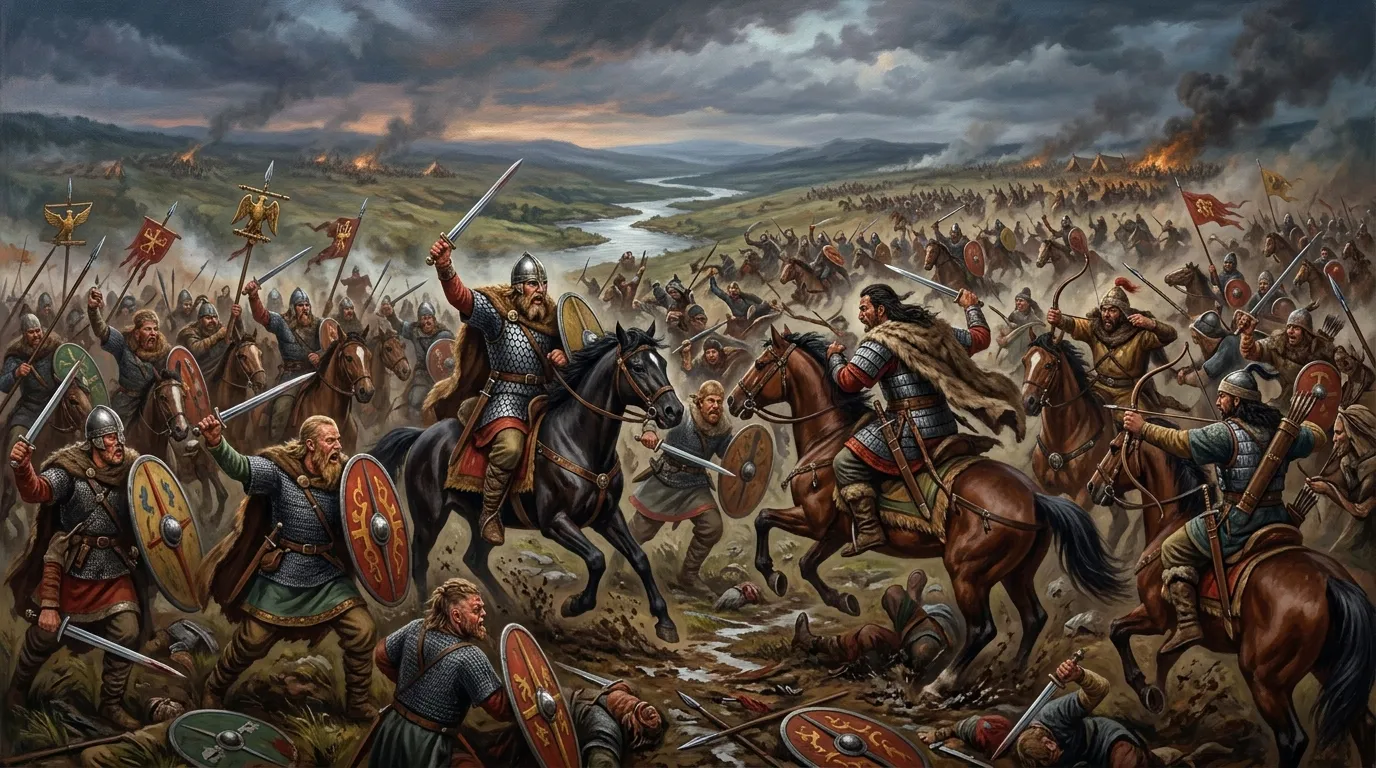
Ardaric - Gepid king who turned against the Huns and helped break their empire after Attila's death., king of the Gepids - The Gepids were a Germanic people, meaning a group of related peoples in Europe. They lived near the Carpathian Basin and were once under the Hunnic Empire. After Attila died, their king Ardaric led an uprising and won at the Battle of Nedao in 454. The Gepids then took parts of Pannonia (around modern Hungary) and formed their own kingdom. It lasted into the late 6th century, but constant wars with neighboring peoples eventually ended it. and a former trusted advisor to Attila, led the uprising. He was joined by the Ostrogoths under Theodemir - Ostrogothic ruler who helped his people survive the post-Hunnic power vacuum in Central Europe. and other tribes. In 454 AD, the opposing forces met at the Nedao River - The exact location of the Nedao River is uncertain, but it is believed to be in the Pannonian Basin. It is famous only for the Battle of Nedao, where the Germanic subject tribes led by the Gepids defeated the Huns after Attila's death, leading to the collapse of the Hunnic Empire. in Pannonia. The Huns, suffering from internal division and facing a unified Germanic heavy infantry and cavalry, were decisively defeated. Ellac was killed, and the surviving Huns fled east across the Carpathians - The Carpathian Mountains stretch through countries like modern-day Slovakia, Poland, Ukraine, and Romania. They form a long curved barrier, so people and armies often moved through a few key passes. The slopes are heavily forested and winters are long, which makes travel hard. In the 5th century, groups fleeing the Huns crossed east of these mountains..
The defeat at Nedao marked the end of Hunnic dominance in Europe. Subsequent attempts by Attila's remaining sons to reassert control failed, and by 469 AD, with the death of Dengizich, the Hunnic political entity had effectively ceased to exist. The Pannonian Basin - The Pannonian Basin is a geologically distinct region in Central Europe, enclosed by the Carpathian Mountains, the Alps, and the Dinarides. Its vast, flat plains (the Great Hungarian Plain) resemble the Eurasian Steppe, making it an ideal western terminus for nomadic horse cultures. It served as the heartland of Attila's Hunnic Empire, the Avar Khaganate, and later the Kingdom of Hungary. was taken over by the Gepids and Ostrogoths, reshaping the map of Europe.