Emperor Valens, who had been in the East fighting the Persians, rushed back to the Balkans to deal with the Gothic threat. He reached Adrianople in the summer of 378. Despite warnings from his nephew, the Western Emperor Gratian, that reinforcements were on the way, Valens decided to attack the Gothic camp immediately, possibly seeking sole glory for the victory.
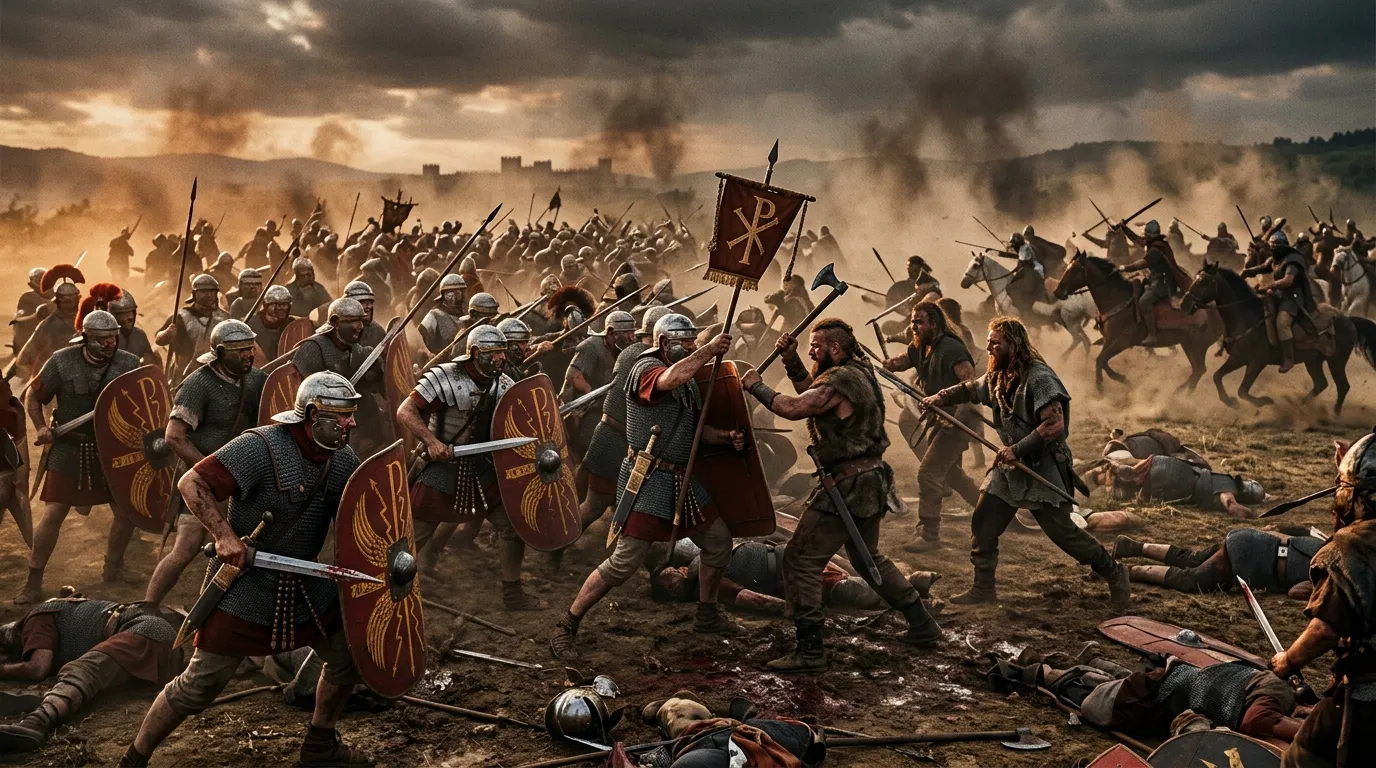
The Battle of Adrianople began on a scorching August day. The Roman infantry, exhausted by a long march in the heat and without proper water, initially pushed back the Gothic wagon fort. However, the Gothic cavalry, which had been away foraging, suddenly returned and struck the Roman flank with devastating force. The Roman lines collapsed, and in the ensuing slaughter, two-thirds of the Roman army perished. Emperor Valens himself was killed, and his body was never found.
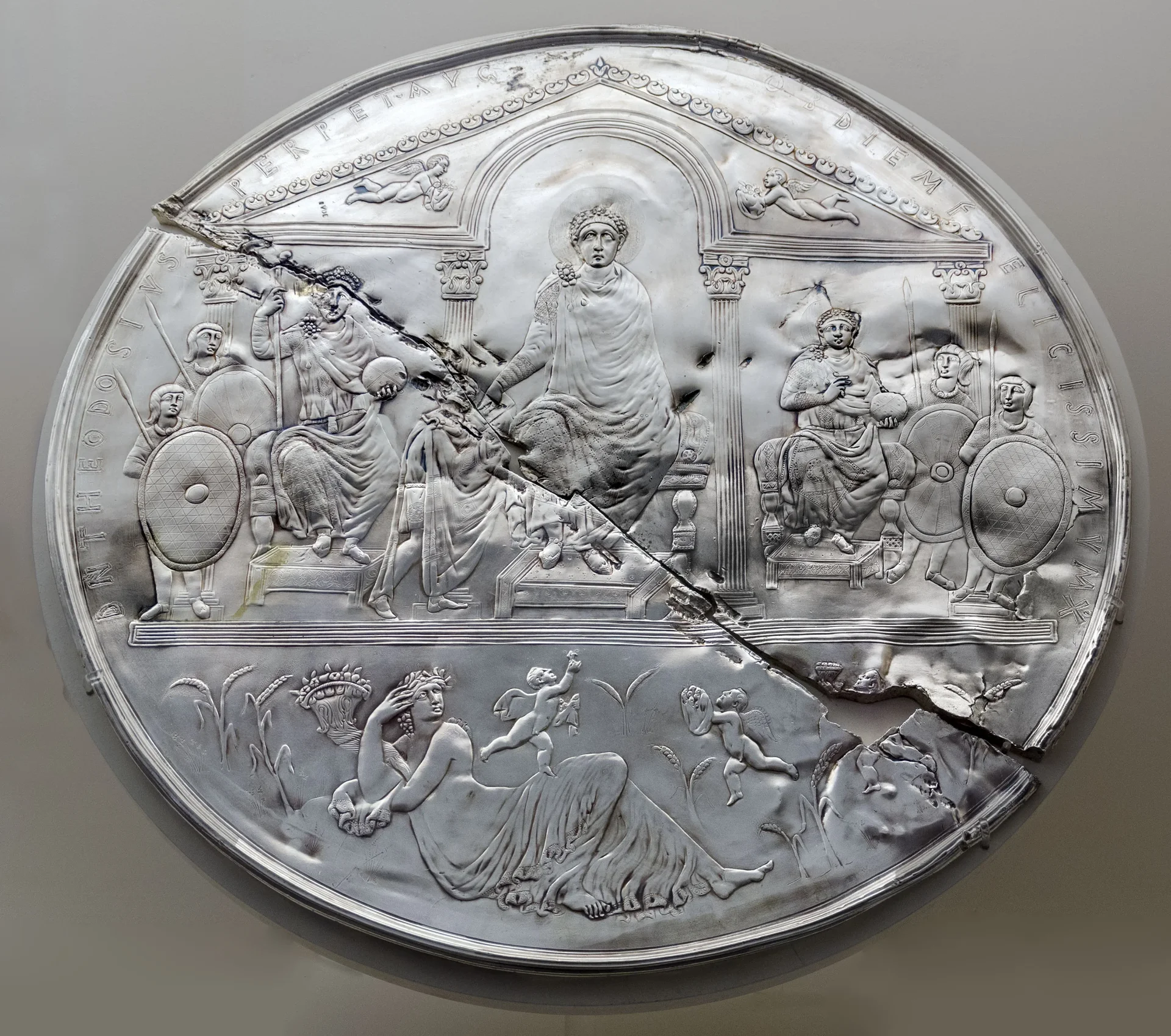
The defeat at Adrianople was a turning point. For the first time, a Germanic tribe had defeated a Roman field army on Roman soil and remained there. The new emperor, Theodosius I, was forced to conclude a treaty in 382 that allowed the Goths to settle within the empire as an autonomous people. Although this occurred in the East, it eventually contributed to the fragmentation and collapse of the Western Roman Empire. Unlike previous practices where defeated tribes were dispersed or enslaved, this treaty allowed the Goths to remain united and armed under their own leaders within imperial borders. These Goths eventually migrated West to establish their own kingdom, and this 'armed settlement' model was adopted by other tribes, carving up the Western Roman Empire's territories.