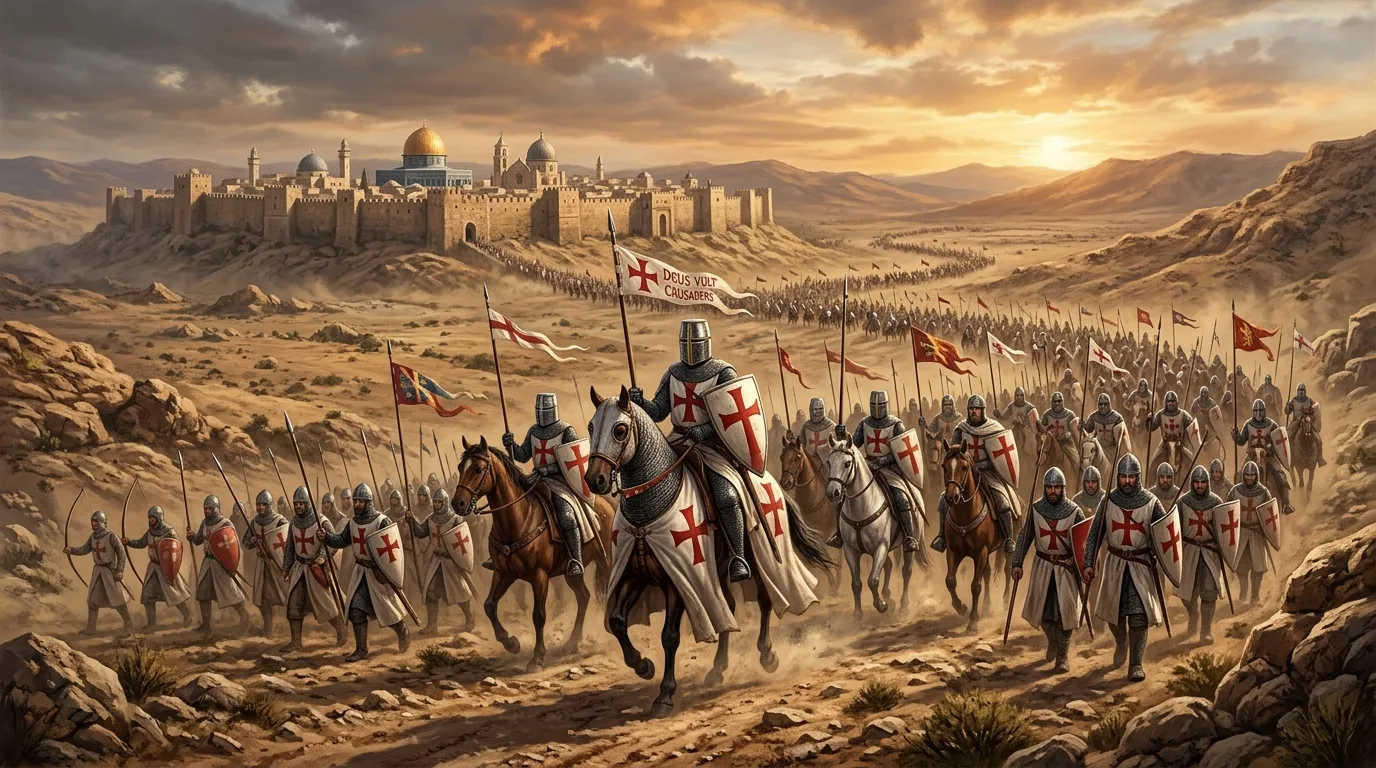
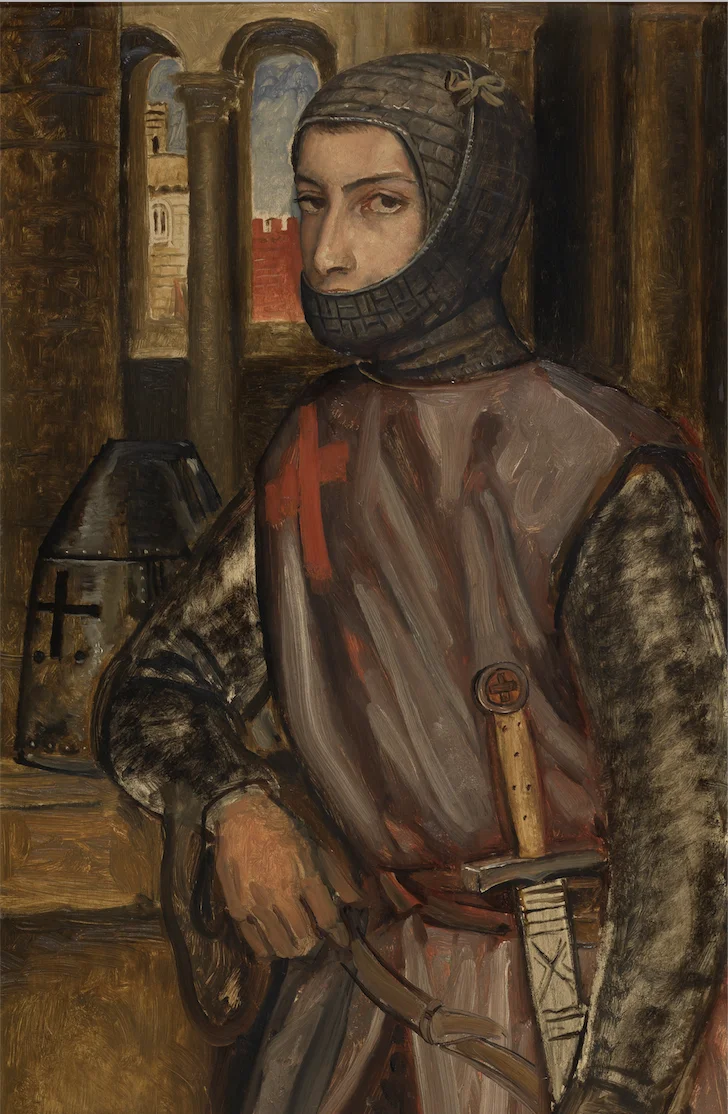
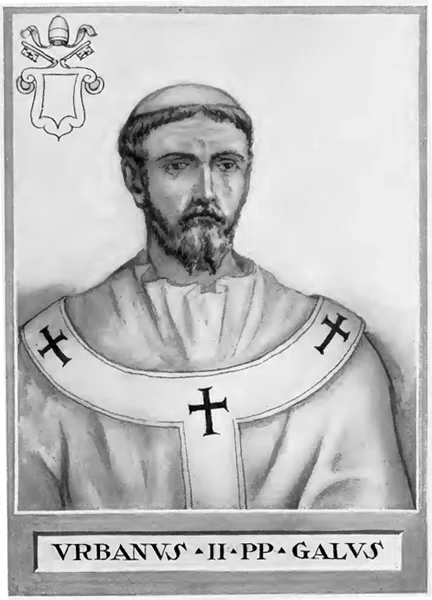
In the late 11th century, the Byzantine Empire - The medieval continuation of the Roman Empire in the East, centered on Constantinople. For over a millennium, it served as a bastion of Christianity and Roman law, preserving ancient knowledge until its fall in 1453. was in grave danger. The Seljuk Turks - The Seljuk Empire was a medieval Turko-Persian Sunni Muslim empire that ruled vast areas from Central Asia to Anatolia, establishing the Sultanate system and triggering the Crusades., a powerful Islamic empire, had conquered most of the Anatolian peninsula (modern-day Turkey) and were advancing dangerously close to the Byzantine capital. Desperate to save his empire, the Byzantine Emperor Alexios I asked Western Europe for help. In response, Pope Urban II - Head of the Catholic Church from 1088 to 1099, best known for initiating the First Crusade. gave a famous speech in 1095, urging Christians to rescue their brothers in the East and reclaim the Holy City of Jerusalem - An ancient city in the Middle East, considered holy by Judaism, Christianity, and Islam. It was the central objective of the Crusades. According to Christian tradition, it is the place where Jesus was crucified and resurrected. For Muslims, it is home to the Dome of the Rock and Al-Aqsa Mosque, believed to be where Prophet Muhammad ascended to heaven. In Jewish tradition, it was the capital of the ancient Kingdom of Israel and site of the Holy Temple. Legend has it that when Helena, the mother of Roman Emperor Constantine, visited Jerusalem to find the True Cross, she discovered three crosses. To identify the cross of Jesus, she touched a sick woman with each cross, and the woman was miraculously cured when touched by the third one. In Islamic tradition, the city is connected to Al-Isra, the miraculous night journey where Prophet Muhammad rode the winged steed Buraq from Mecca to Jerusalem and ascended to heaven.. This call sparked the First Crusade. The Crusader army was not a single country's military, but a massive gathering of knights, nobles, and ordinary people from places like France, Germany, and Italy. They set off on a long and dangerous journey toward the unknown East.
The Crusaders' journey was filled with fierce battles and unexpected twists. After helping the Byzantine Empire recapture the city of Nicaea, the army marched into the harsh desert lands of Syria. Along the way, a Crusader leader named Baldwin separated from the main army and helped the city of Edessa. In 1098, he took control of the city and founded the County of Edessa - The County of Edessa was the first Crusader state, established in 1098 by Baldwin of Boulogne during the First Crusade. Located inland in upper Mesopotamia, it was the largest but least populated of the Crusader states and the only one completely landlocked. It was also the first to fall, being conquered by Zengi in 1144, an event that triggered the Second Crusade., the very first Crusader state. Meanwhile, the main army faced a grueling eight-month siege at the massive fortress city of Antioch. Despite suffering from hunger and disease, the Crusaders miraculously captured Antioch. A leader named Bohemond decided to stay and rule the city, establishing the Principality of Antioch - The Principality of Antioch was a Crusader state established in 1098 by Bohemond of Taranto following the grueling Siege of Antioch during the First Crusade. It covered parts of modern-day Turkey and Syria along the Mediterranean coast. It played a major role in regional politics until its capture by the Mamluk Sultanate in 1268. as the second Crusader state.
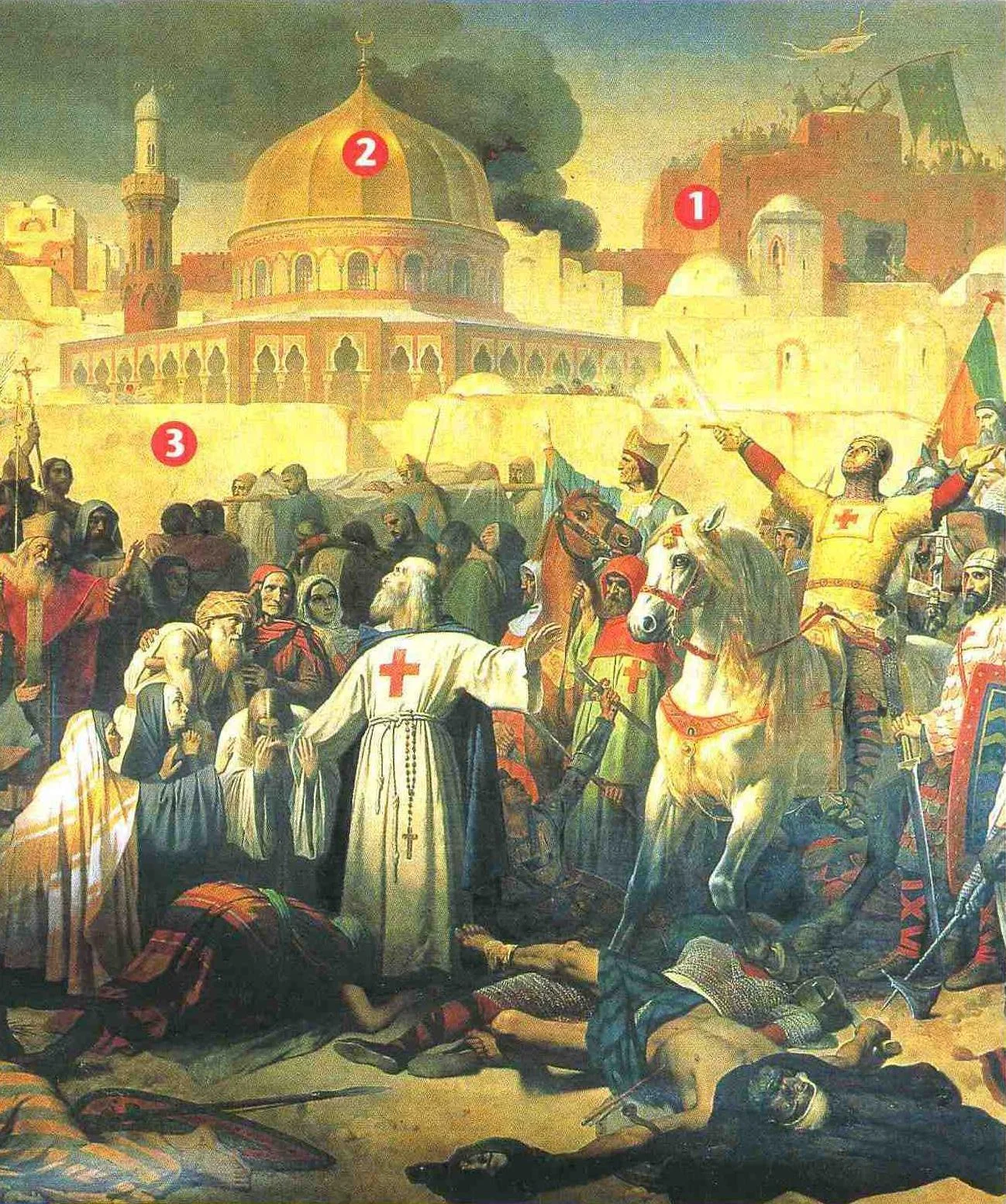
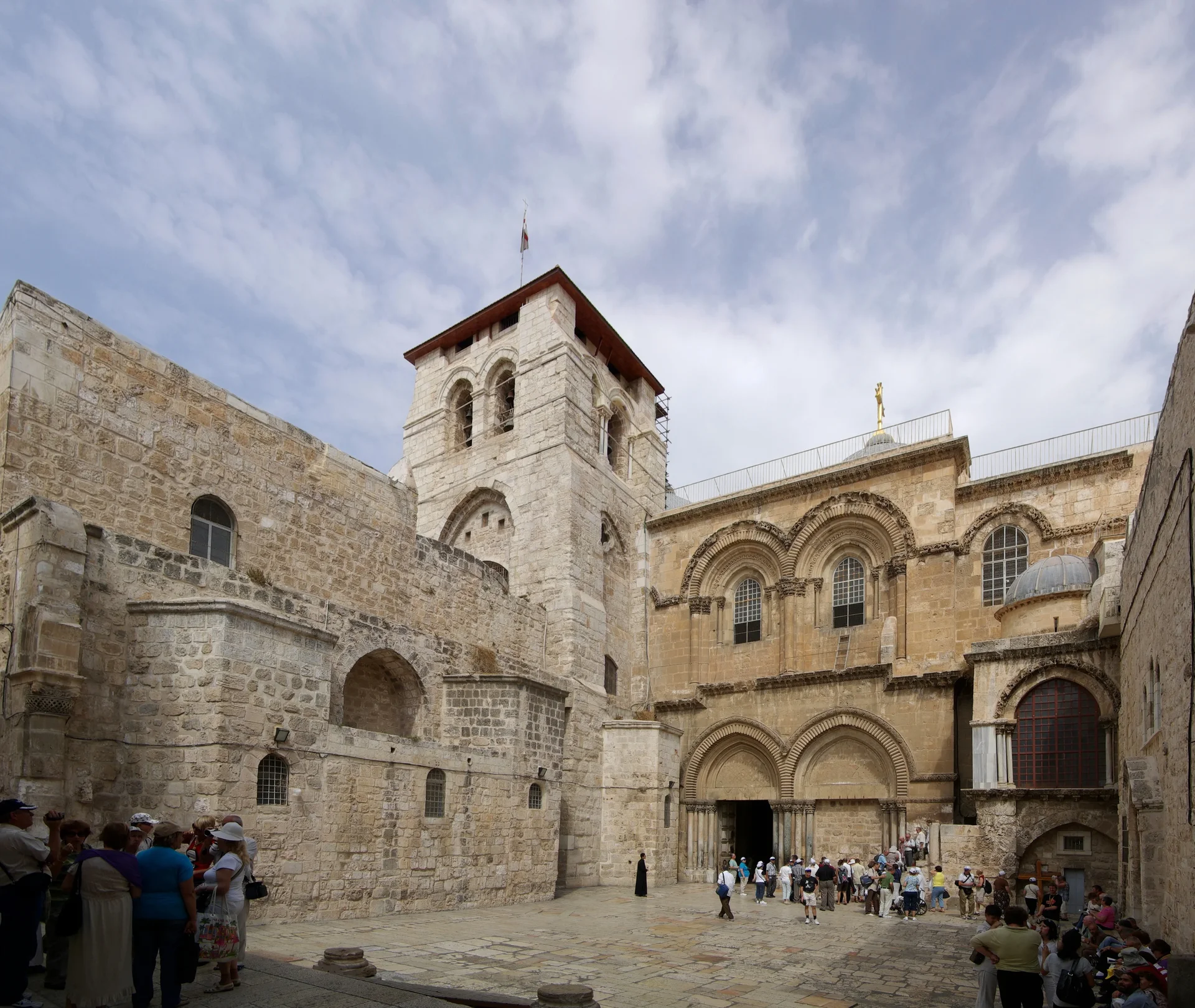
Finally, in the scorching summer of 1099, the remaining Crusaders reached their ultimate goal: the holy city of Jerusalem. The city was heavily defended by the Fatimid Caliphate - The Fatimid Caliphate was a medieval Shia Islamic empire centered in Egypt that founded Cairo and promoted extensive Mediterranean trade., an empire based in Egypt. After a tense siege, the Crusaders built huge wooden siege towers and successfully breached the towering walls. However, the victory was followed by a tragic massacre of the city's Muslim and Jewish inhabitants. This brutal violence was driven by a mix of extreme religious beliefs that the Holy City needed to be 'purified' of non-believers, and the explosion of pent-up rage from the soldiers who had suffered through years of starvation and grueling travel. With Jerusalem captured, the Crusaders established the Kingdom of Jerusalem - The Kingdom of Jerusalem was a Crusader state established in the Southern Levant by Christian leaders of the First Crusade in 1099. It was the most important and prominent of the Crusader states, encompassing the holy city of Jerusalem. Its first ruler was Godfrey of Bouillon, who famously refused the title of king in the city where Jesus wore a crown of thorns, instead calling himself 'Defender of the Holy Sepulchre.' However, his brother and successor Baldwin I was formally crowned the first King of Jerusalem in 1100. The kingdom became a major political and military power in the Middle East for nearly two centuries, fiercely defending the holy sites and serving as a unique bridge between European and Middle Eastern cultures, until its final collapse following the fall of Acre in 1291., the most important of the Crusader states. Its first ruler, Godfrey of Bouillon - A prominent Frankish knight and one of the main leaders of the First Crusade who became the first ruler of the Kingdom of Jerusalem., famously refused to wear a crown of gold in the city where Jesus had worn a crown of thorns, instead choosing the humble title 'Defender of the Holy Sepulchre.' Thus, the First Crusade ended in a dramatic victory that completely changed the map of the Middle East.