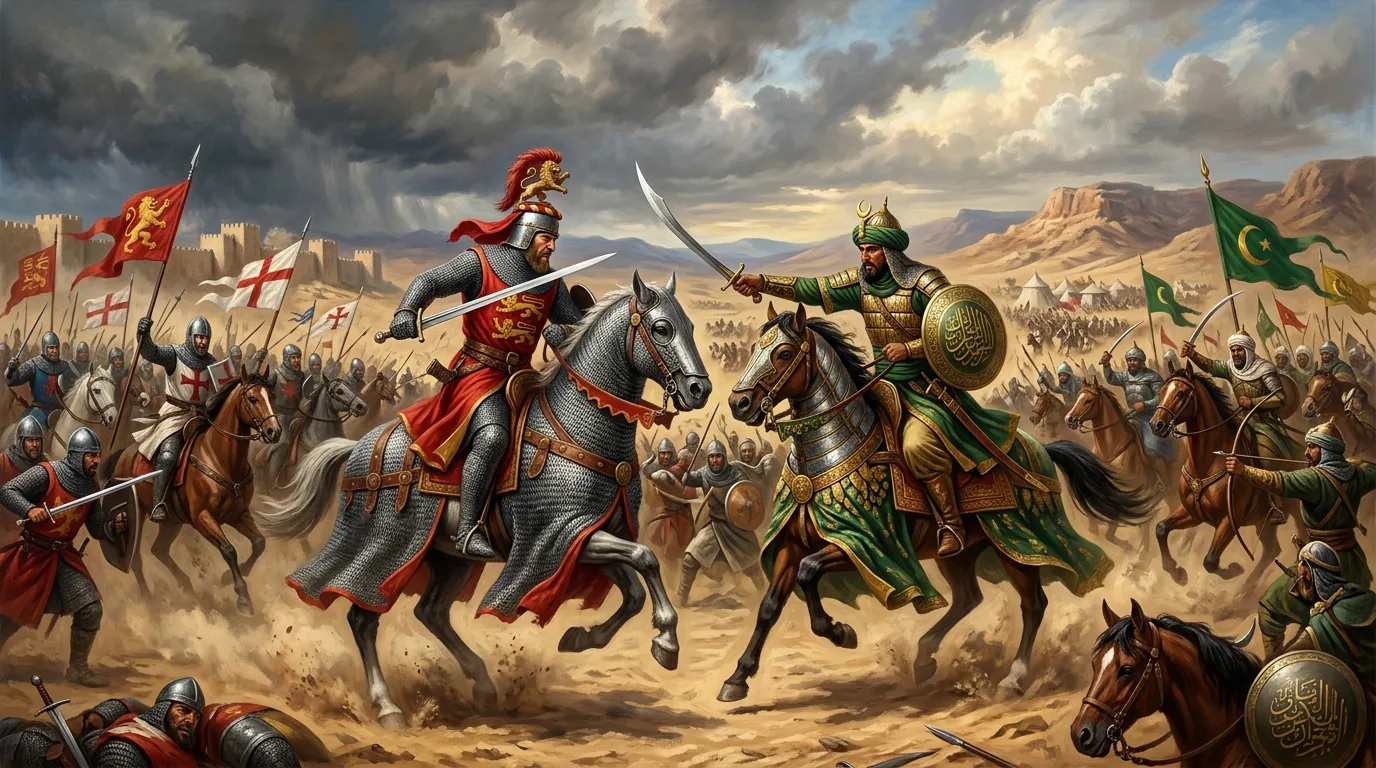
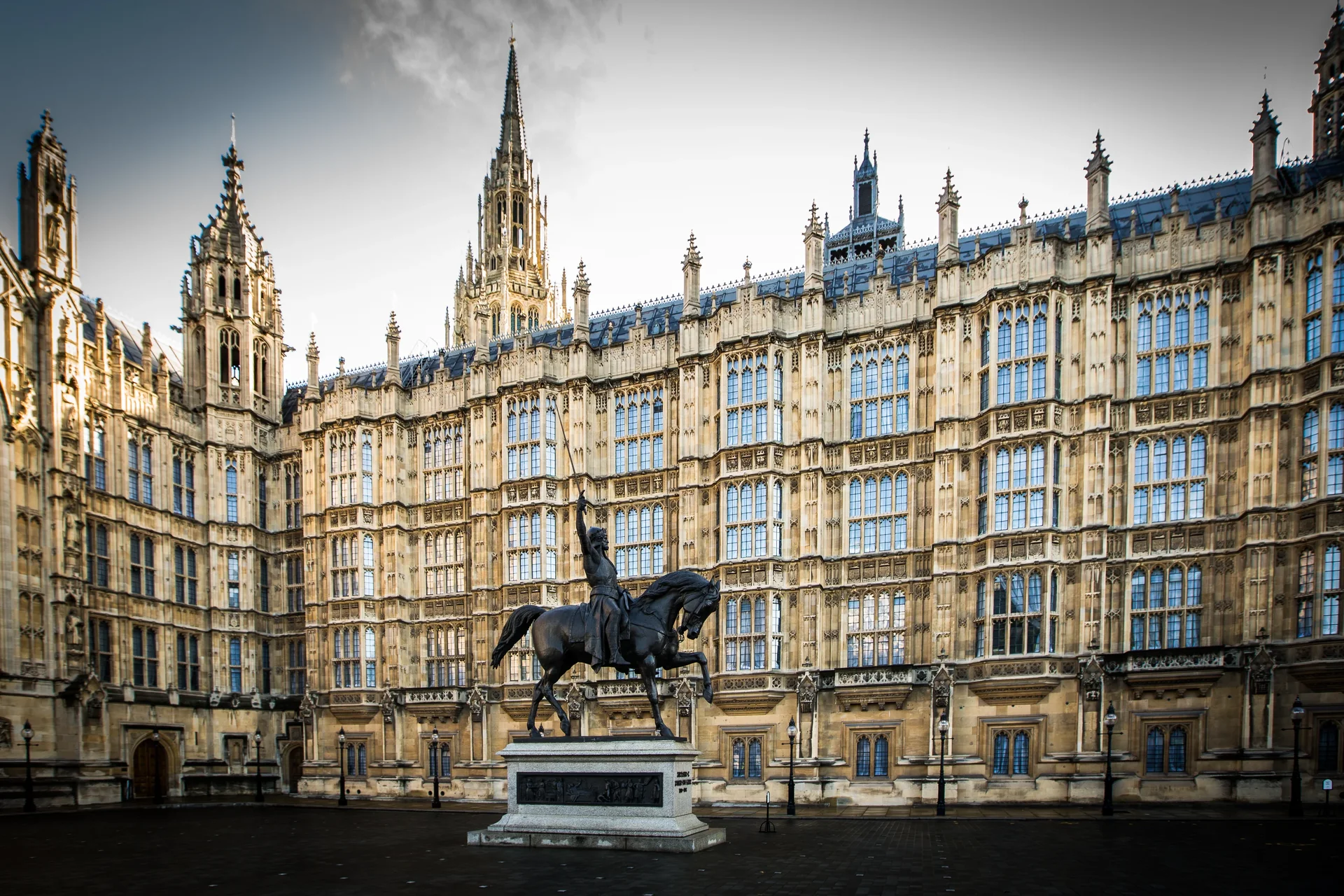
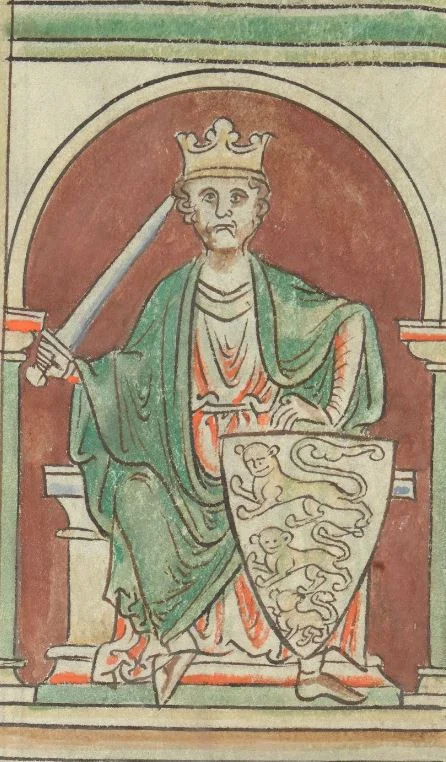
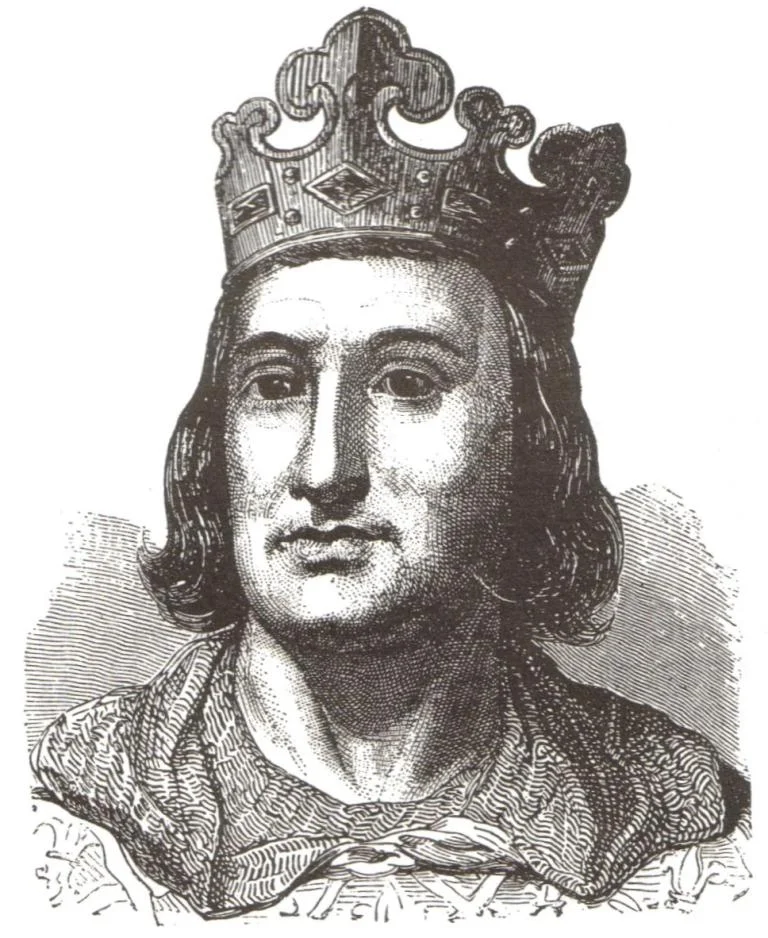
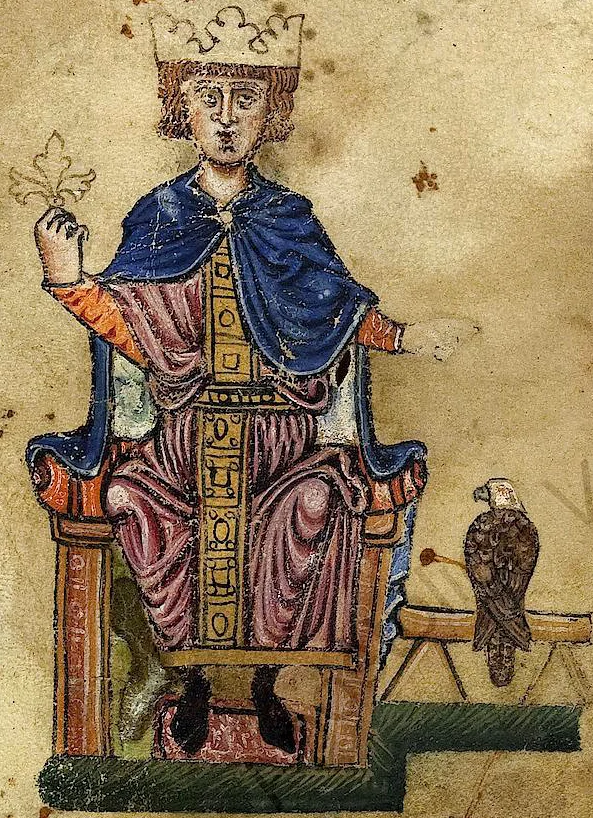
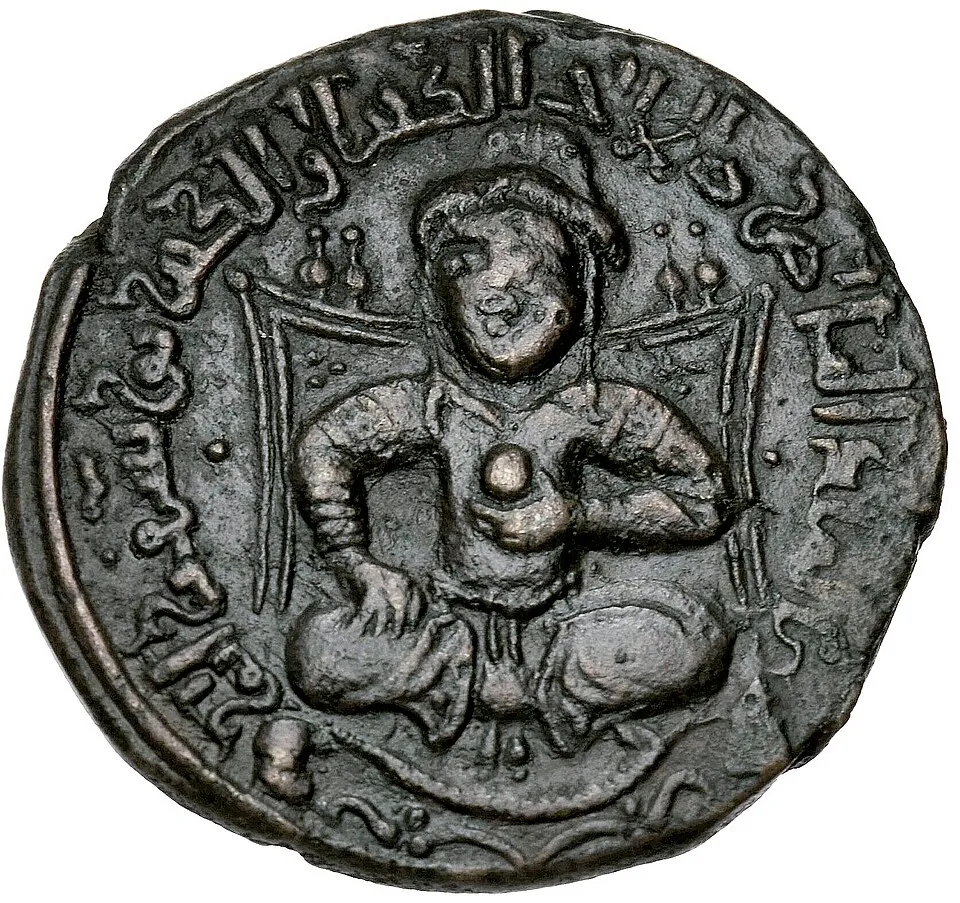
In 1187, the Islamic hero Saladin - The first Sultan of Egypt and Syria and founder of the Ayyubid dynasty, who recaptured Jerusalem from the Crusaders. decisively defeated the Crusader army at the Battle of Hattin and recaptured the holy city of Jerusalem - An ancient city in the Middle East, considered holy by Judaism, Christianity, and Islam. It was the central objective of the Crusades. According to Christian tradition, it is the place where Jesus was crucified and resurrected. For Muslims, it is home to the Dome of the Rock and Al-Aqsa Mosque, believed to be where Prophet Muhammad ascended to heaven. In Jewish tradition, it was the capital of the ancient Kingdom of Israel and site of the Holy Temple. Legend has it that when Helena, the mother of Roman Emperor Constantine, visited Jerusalem to find the True Cross, she discovered three crosses. To identify the cross of Jesus, she touched a sick woman with each cross, and the woman was miraculously cured when touched by the third one. In Islamic tradition, the city is connected to Al-Isra, the miraculous night journey where Prophet Muhammad rode the winged steed Buraq from Mecca to Jerusalem and ascended to heaven.. The news of Jerusalem's fall sent shockwaves throughout Europe. In response, three of Europe's most powerful monarchs—King Richard I - Richard I of England was born into the powerful Angevin dynasty and became Duke of Aquitaine before inheriting the English throne in 1189. of England (known as the Lionheart), King Philip II - King of France who joined the Third Crusade but returned early after capturing Acre due to illness and political conflicts. of France, and the Holy Roman Emperor Frederick I - Holy Roman Emperor known as Barbarossa (Redbeard), who led a massive army during the Third Crusade but drowned before reaching the Holy Land. (Barbarossa)—united to launch the Third Crusade. Their singular goal was to retake Jerusalem from Saladin. Frederick I's massive army was the first to march overland, defeating Islamic forces along the way. However, on June 10, 1190, a devastating tragedy struck when the Emperor drowned while crossing the Saleph River - The Saleph River, known today as the Göksu River, is a river in southern Turkey that originates in the Taurus Mountains and flows into the Mediterranean Sea. It is historically famous as the site where the powerful Holy Roman Emperor Frederick I (Barbarossa) accidentally drowned in 1190 while leading his massive army during the Third Crusade. His sudden death caused his leaderless army to largely disband before reaching the Holy Land. in Anatolia - Also known as Asia Minor, this large peninsula in West Asia corresponds to modern-day Turkey. Historically, it has been a cradle of civilization and a bridge between East and West, hosting the Hittites, Lydians, Greeks, Romans, Byzantines, and Turks. During the Crusades, it was a treacherous but necessary overland route for European armies marching toward the Holy Land.. The 68-year-old monarch, exhausted and overheated from a long march under the scorching summer sun while wearing heavy steel plate armor, plunged into the freezing, glacier-fed river. The extreme temperature difference likely triggered a sudden heart attack or physical shock. Furthermore, when his horse slipped and threw him into the water, the immense weight of his full suit of armor dragged him down, making it impossible to swim against the strong current. Without their legendary leader, the formidable German army fell into disarray and largely disbanded, dealing a massive blow to the Crusaders' morale and strength before they even reached the Holy Land.
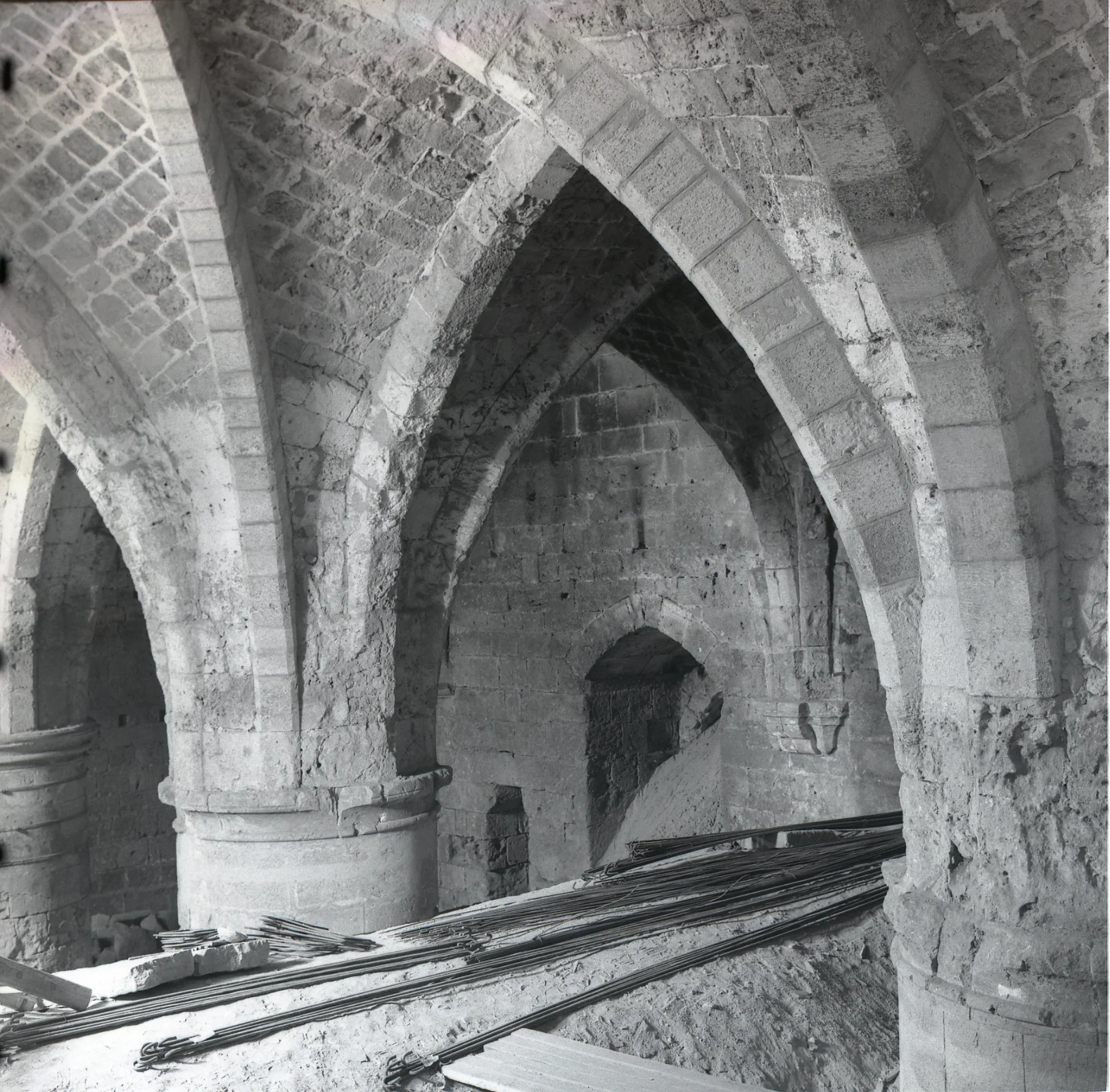
Meanwhile, the Christian forces had been besieging the strategic port city of Acre - Acre, also known as Akko, is a historic walled port-city in the Levant with a rich history dating back to antiquity. During the Crusades, it was the most important strategic port in the region. After Saladin captured Jerusalem, Acre served as the de facto capital of the Kingdom of Jerusalem. It was the site of the famous Siege of Acre (1189–1191) during the Third Crusade, where Richard the Lionheart and Philip II of France fought against Saladin. The city's fall to the Mamluks in 1291 marked the final end of the Crusader presence in the Holy Land. for nearly two years but were trapped by Saladin's outer blockade. The tide turned dramatically when Richard I and Philip II arrived by sea in 1191. Richard's brilliant use of siege engines and aggressive tactics finally forced Acre to surrender. However, the joy of victory was short-lived as sharp disagreements arose between Richard I and Philip II. The two kings had long been rivals in Europe over territory, and their animosity intensified during the crusade due to disputes over the division of spoils, who should be the next king of Jerusalem, and Richard's breaking of his betrothal to Philip's sister. Consequently, shortly after the capture of Acre, Philip II returned to France, citing ill health and domestic political duties, leaving Richard to lead the campaign alone. Marching south along the coast toward Jerusalem, Richard faced Saladin's continuous hit-and-run attacks by highly mobile horse archers. At the Battle of Arsuf, Richard maintained a disciplined defensive formation until the perfect moment, then launched a devastating heavy cavalry charge that shattered Saladin's forces, shattering the myth of Saladin's invincibility.
Richard pushed close to Jerusalem but realized that capturing and holding the city deep inland would be impossible due to stretched supply lines and Saladin's scorched-earth tactics - A military strategy that involves destroying anything that might be useful to the enemy while advancing or withdrawing from an area. This includes burning food crops, poisoning water wells, destroying shelter, and cutting off supply routes, making it impossible for the invading army to live off the land. During the Third Crusade, Saladin brilliantly employed scorched-earth tactics by burning crops along the path of the advancing Crusaders and poisoning or filling in water wells. As a result, despite their military victories, the Crusaders under Richard I suffered from hunger, extreme thirst, and lack of supplies, which ultimately forced them to abandon their attempt to capture Jerusalem.. When Saladin suddenly captured the coastal stronghold of Jaffa, Richard launched a daring amphibious counterattack with a small force and miraculously retook it. Exhausted by the prolonged war and holding deep mutual respect for one another's abilities, Richard and Saladin finally agreed to the Treaty of Jaffa in 1192. The treaty recognized Muslim control over Jerusalem but guaranteed that unarmed Christian pilgrims could visit the holy city safely, while the Crusaders retained the coastal cities like Acre. The Third Crusade thus ended not with the conquest of Jerusalem, but with a pragmatic and historic peace.