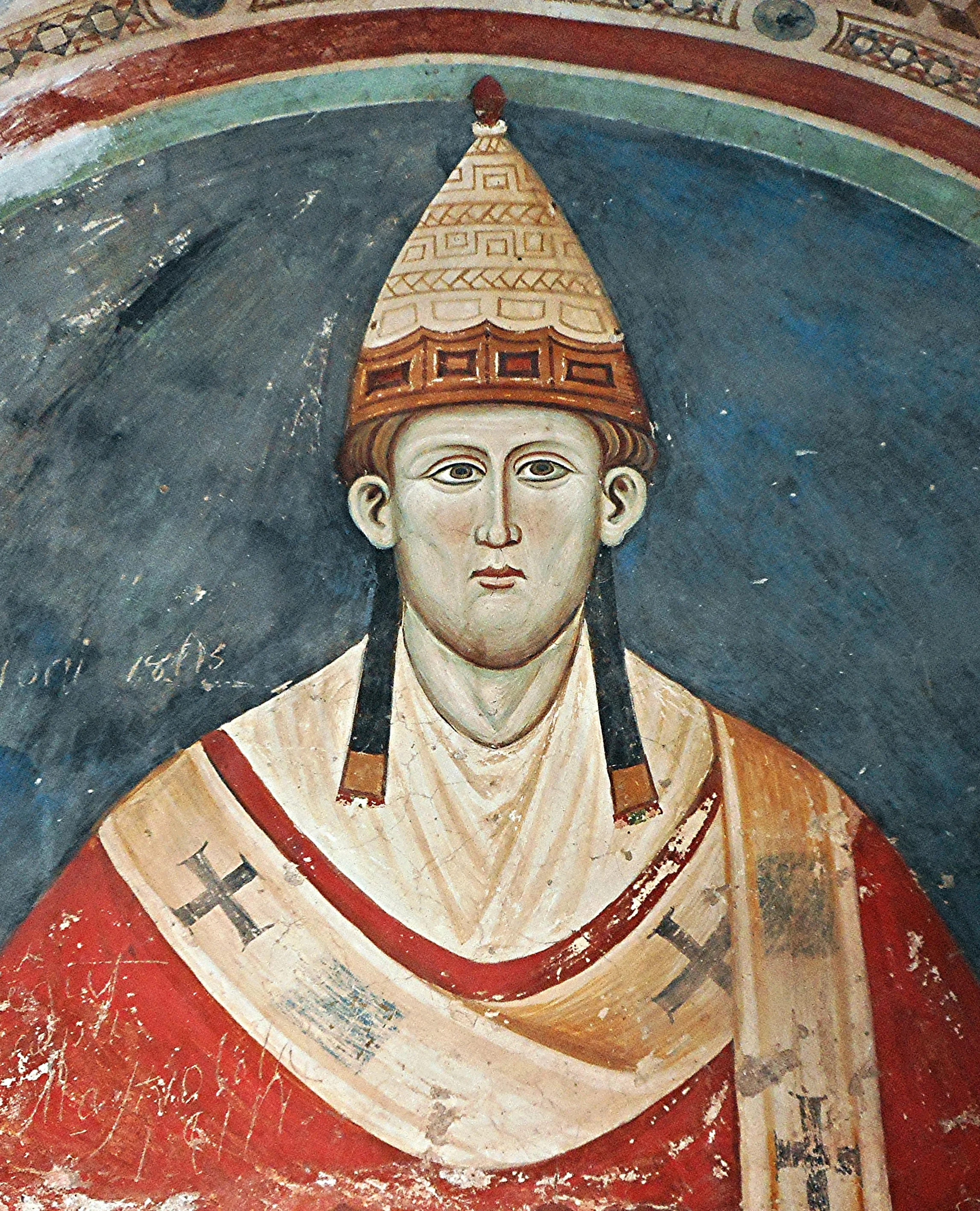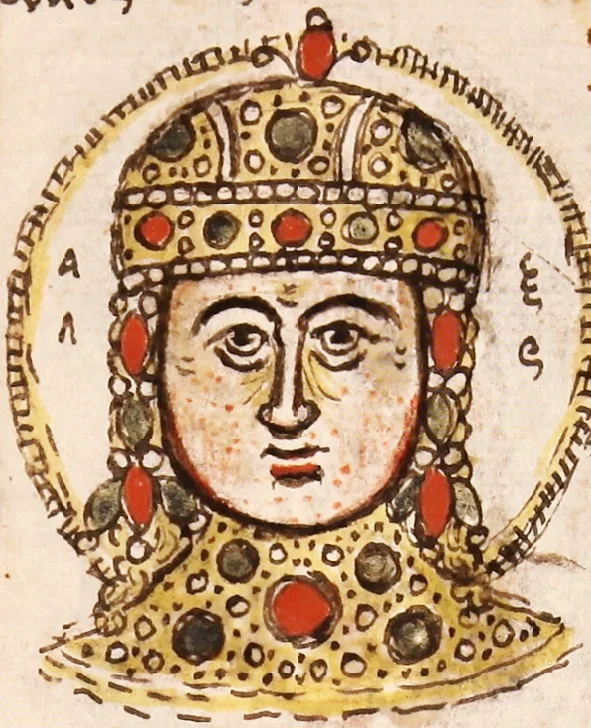
In 1202, the crusader army, heavily indebted to the Republic of Venice, agreed to attack the Catholic city of Zara on the Dalmatian coast. Pope Innocent III, furious that the crusaders were attacking fellow Christians, excommunicated the entire army. However, the crusaders kept the excommunication a secret from the rank-and-file soldiers and continued their campaign. While wintering at Zara, they were approached by a Byzantine prince, Alexios IV Angelos, whose father had been overthrown. He offered the crusaders an irresistible deal: 200,000 silver marks, military supplies for their march to Egypt, and the submission of the Orthodox Church to the Pope, if they helped him regain the Byzantine throne. The crusaders and the Venetians accepted the offer and diverted their fleet towards Constantinople.
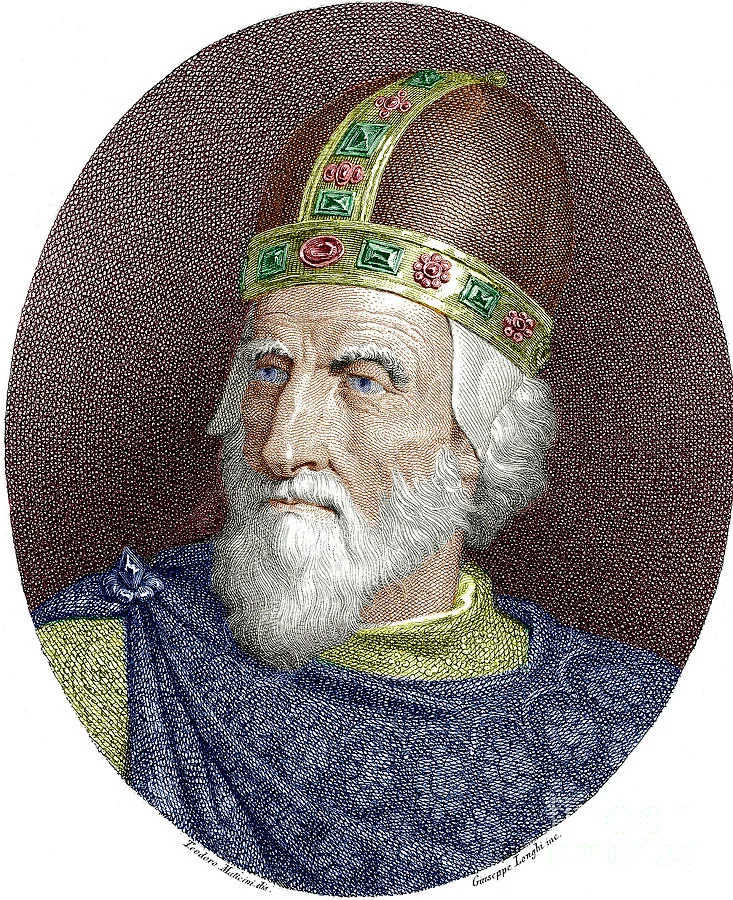
In 1203, the crusader fleet arrived at Constantinople, the largest and wealthiest city in Europe. The city's massive Theodosian Walls were considered impregnable, but the Venetian ships, led personally by the blind, 90-year-old Doge Enrico Dandolo, daringly assaulted the sea walls. The usurping Byzantine emperor, Alexios III, fled, and Alexios IV was crowned co-emperor. However, the Byzantine treasury was depleted, and Alexios could not pay the crusaders the massive sum he had promised. As he desperately tried to raise funds through heavy taxation and melting down church relics, the citizens of Constantinople revolted and murdered him, crowning Alexios V Doukas as the new emperor, who refused to pay the crusaders a single coin.
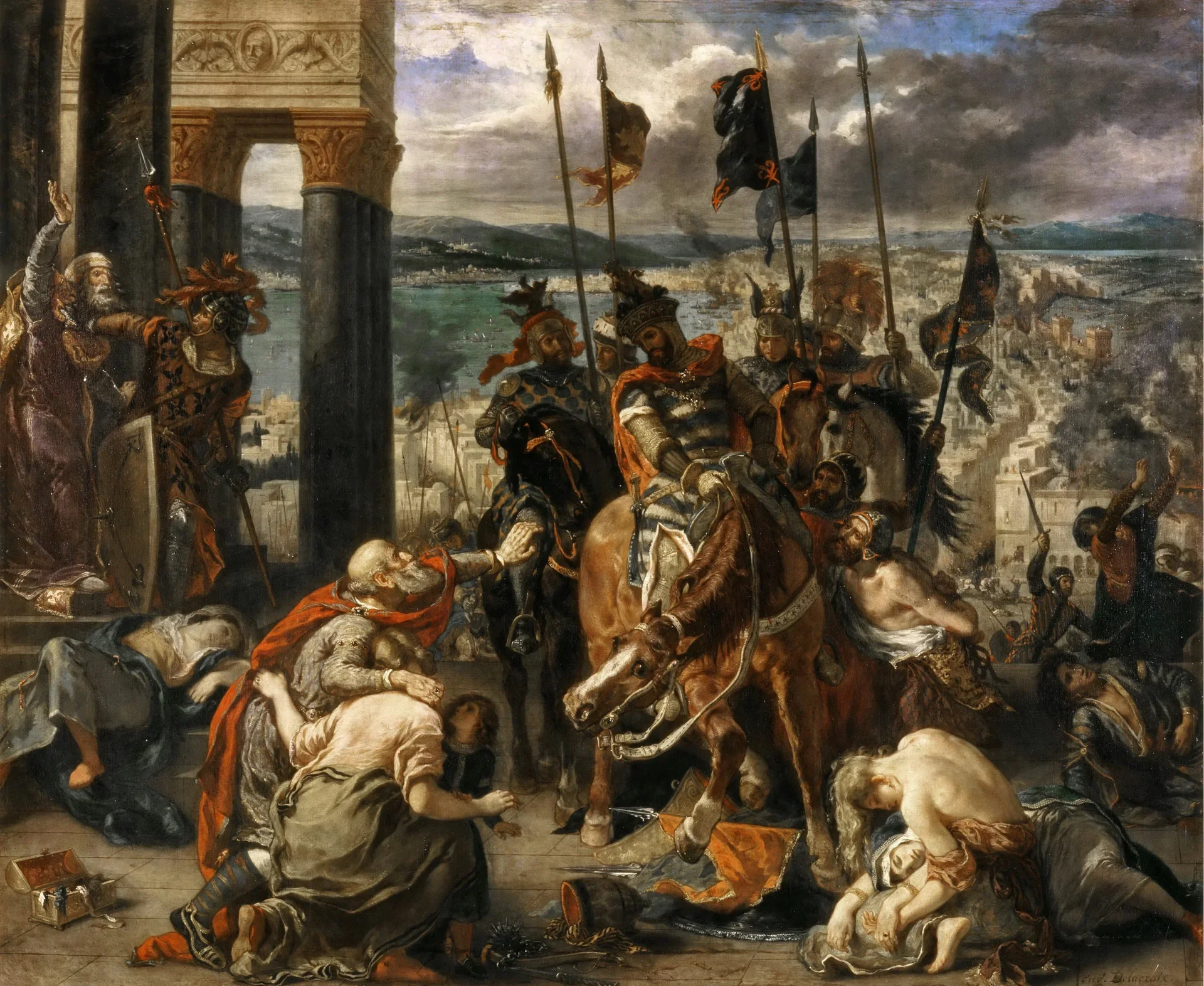
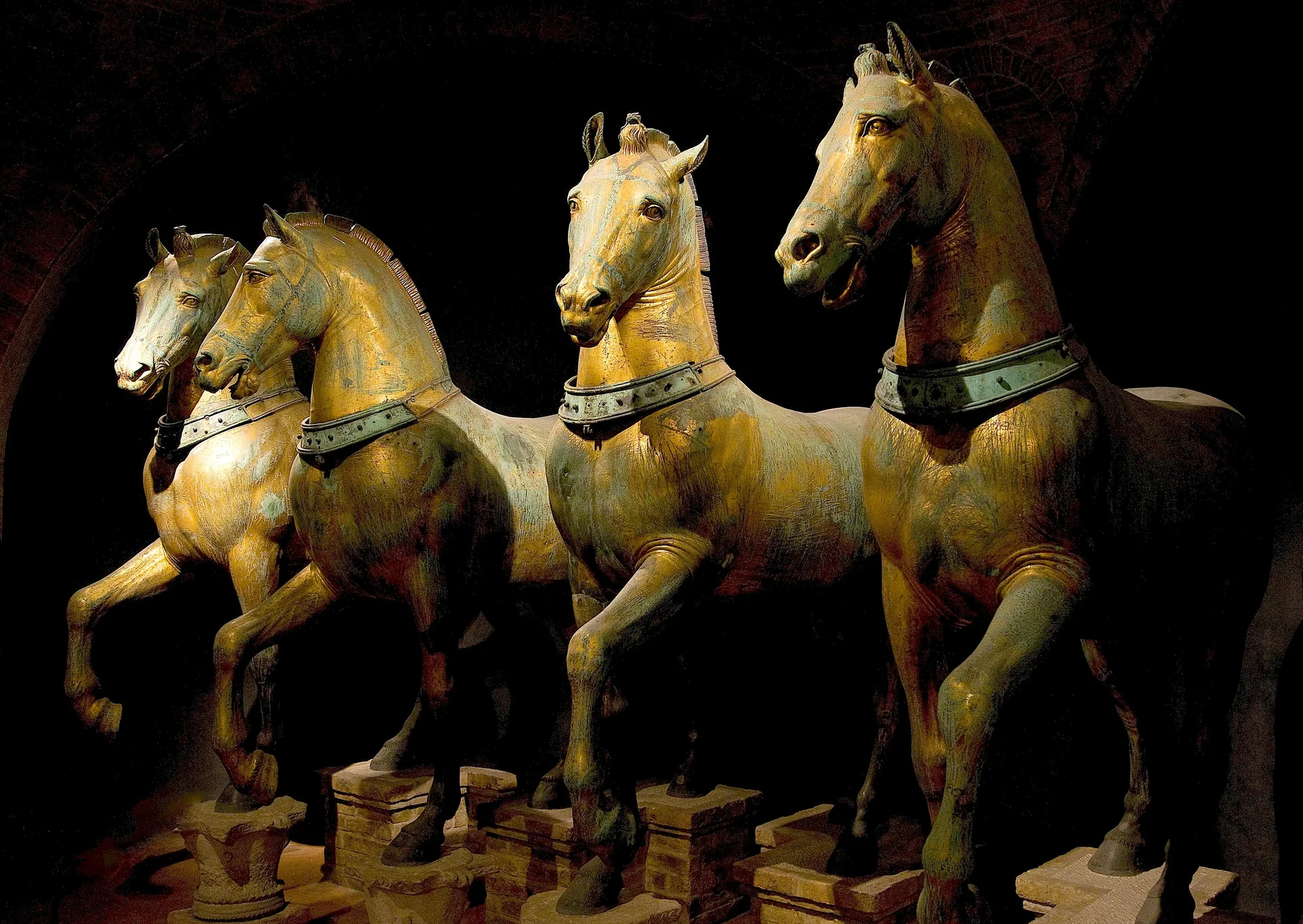
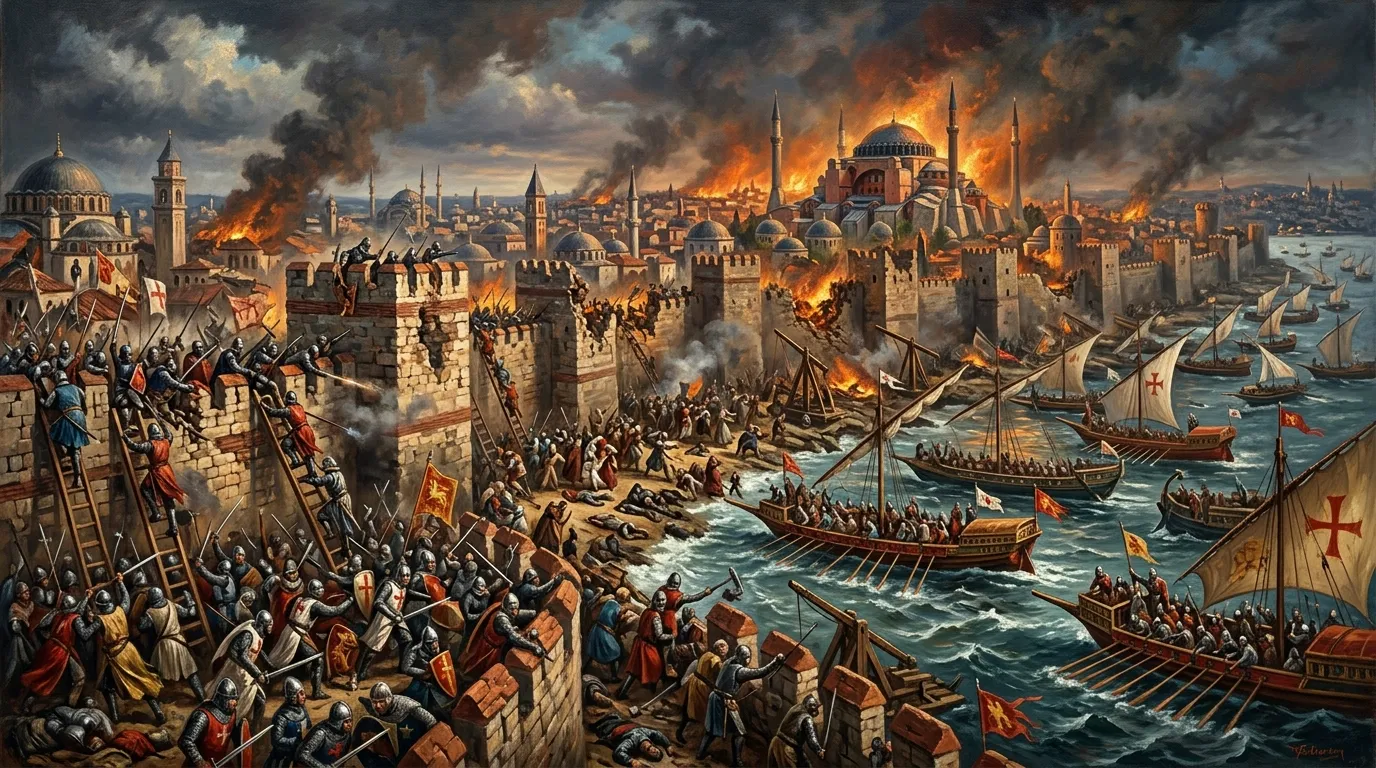
Furious and unpaid, the crusaders resolved to take Constantinople by force. In April 1204, they launched a massive assault. Despite fierce resistance from the Varangian Guard, the crusaders managed to breach the walls and enter the city. What followed was one of the most tragic events in medieval history: the Sack of Constantinople. For three days, the crusaders ruthlessly looted, burned, and destroyed the magnificent city. Priceless ancient Greek and Roman statues were melted down for their bronze, sacred churches like the Hagia Sophia were desecrated, and immense wealth was stolen, much of it carried off to Venice. The crusaders divided the conquered lands among themselves and established the Latin Empire, while the remnants of the Byzantine nobility fled to establish successor states like the Empire of Nicaea. The Fourth Crusade never reached the Holy Land, but it fatally wounded the Byzantine Empire and cemented the Great Schism between the Catholic and Orthodox churches.