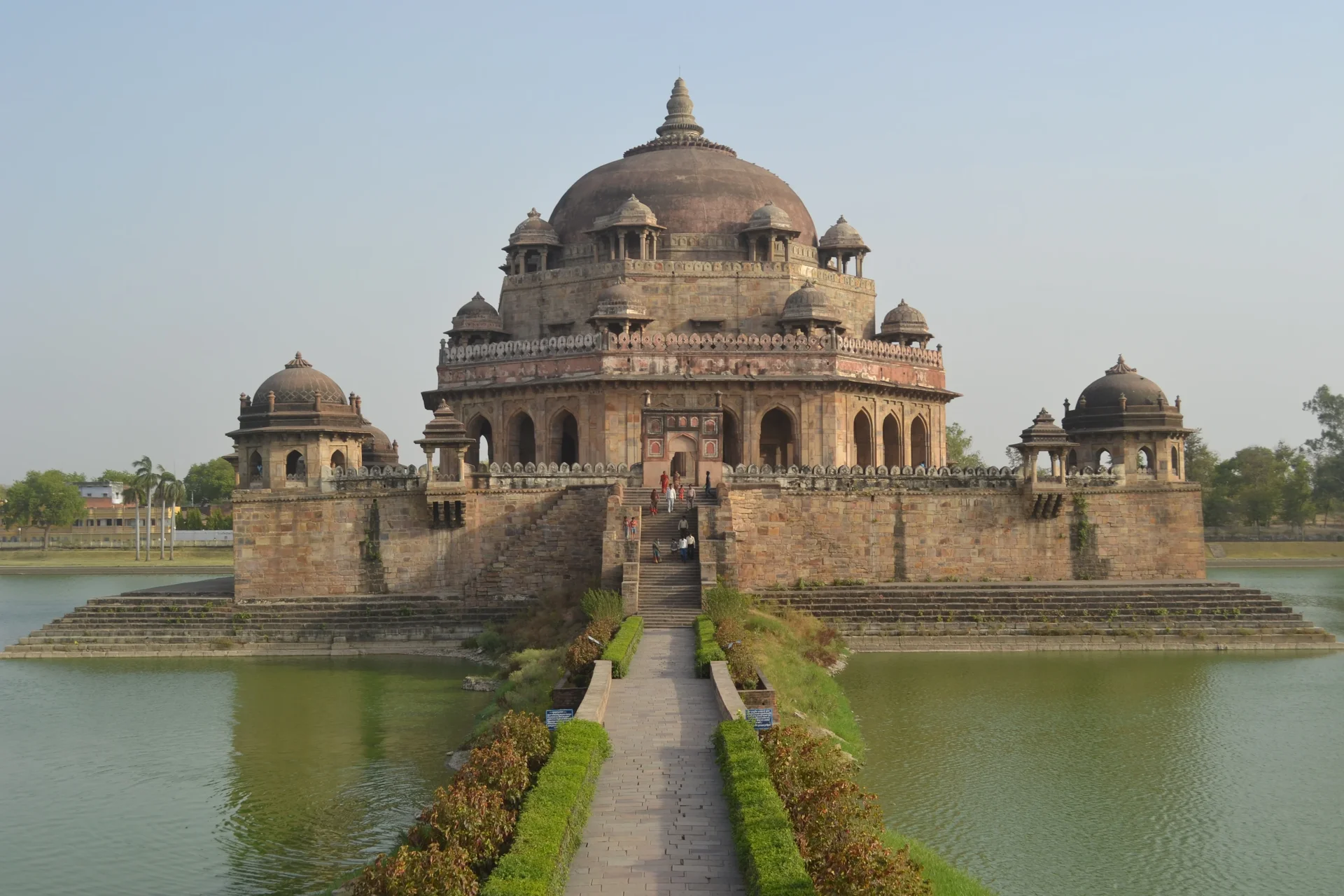
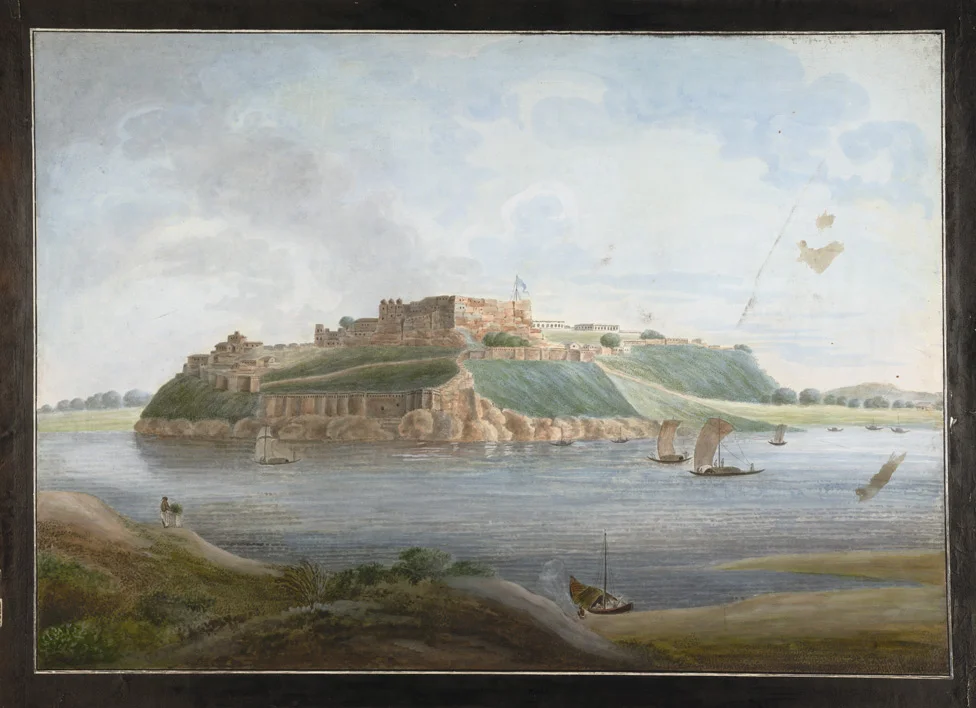
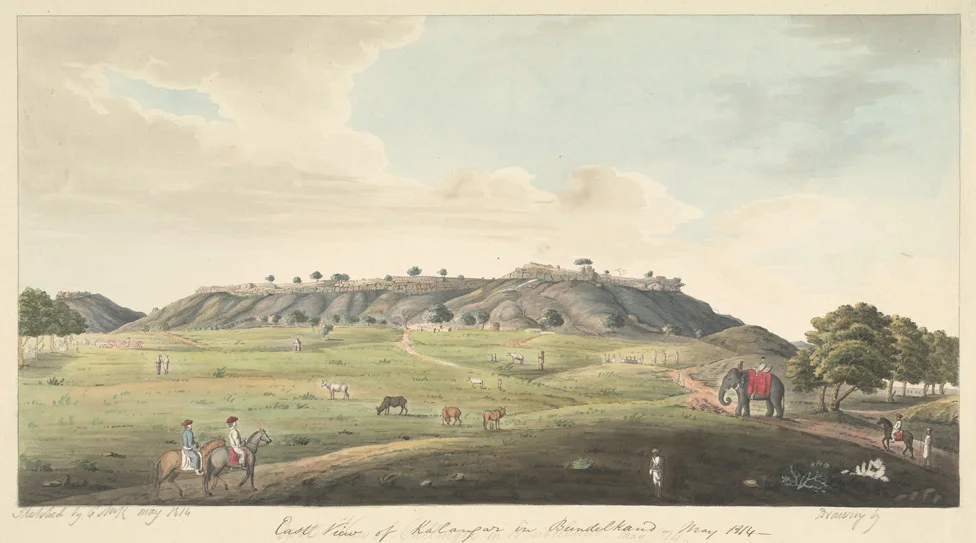
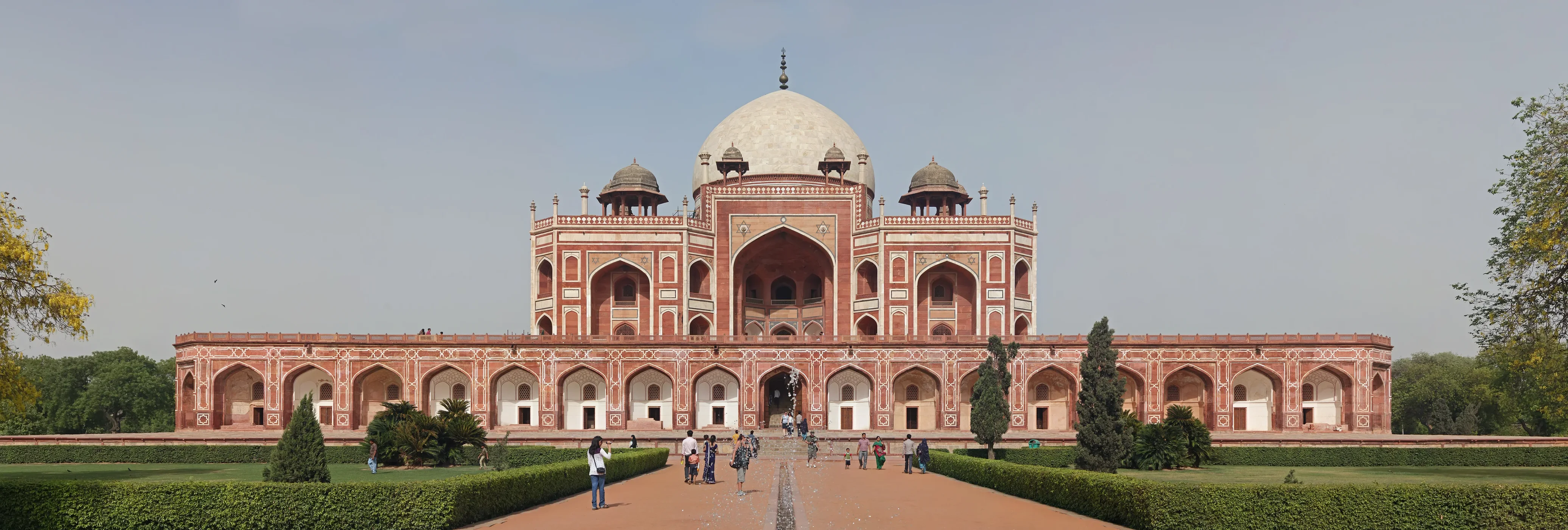
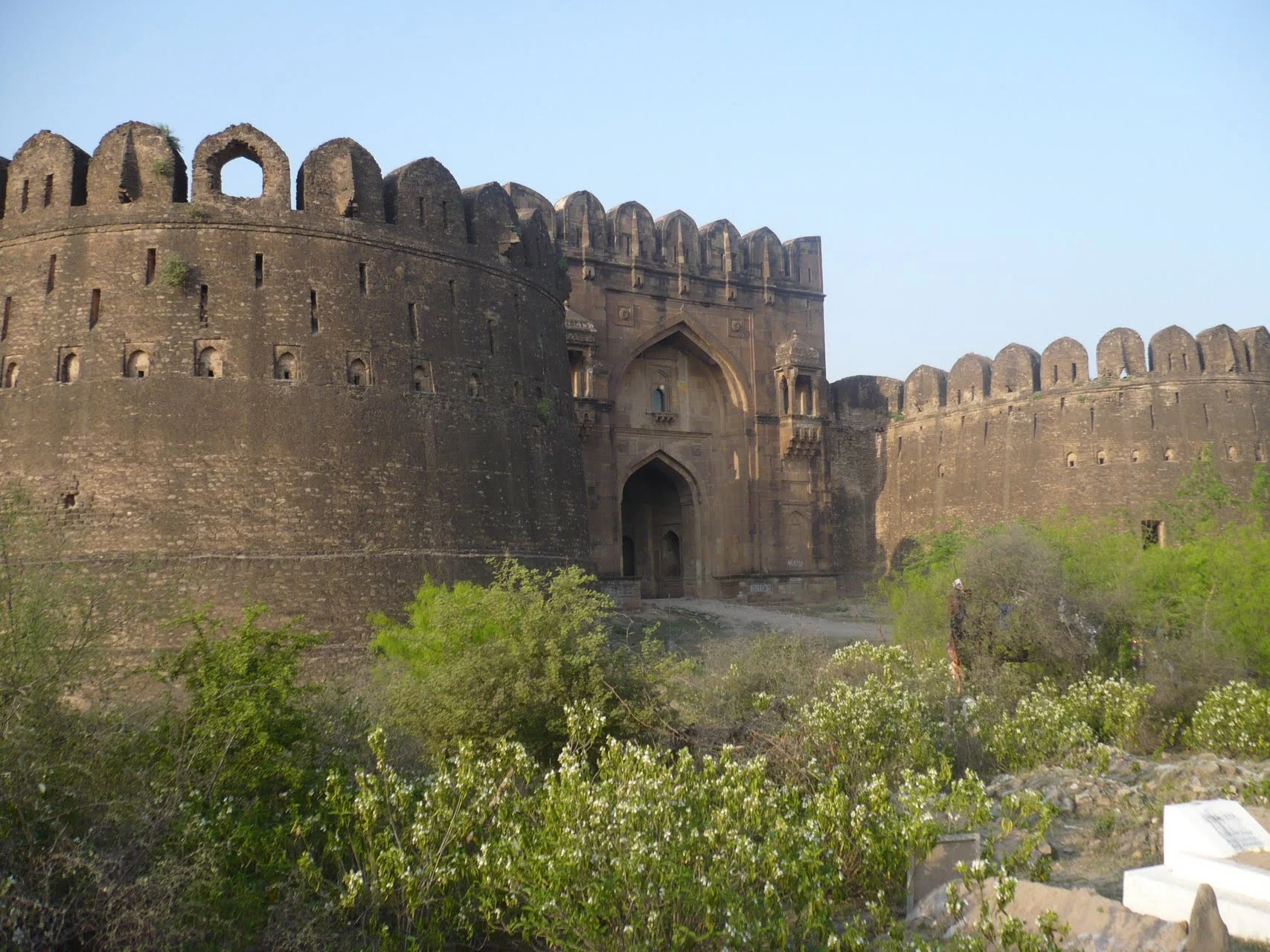
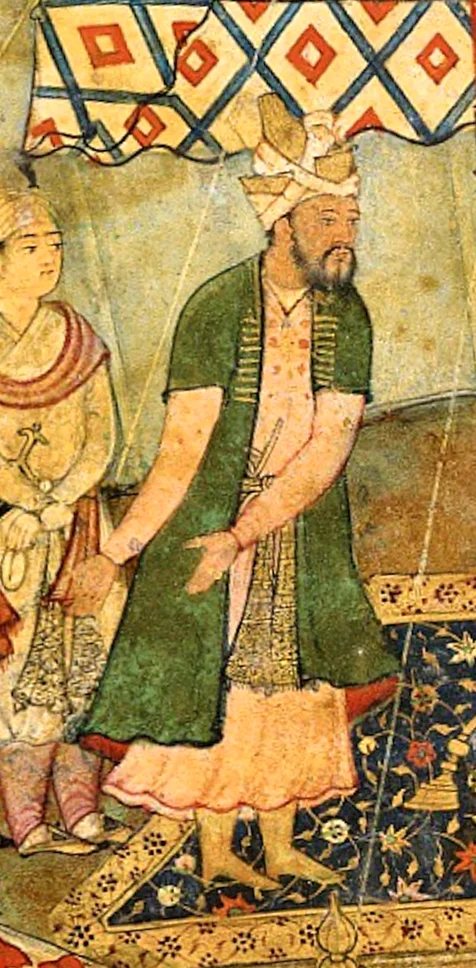
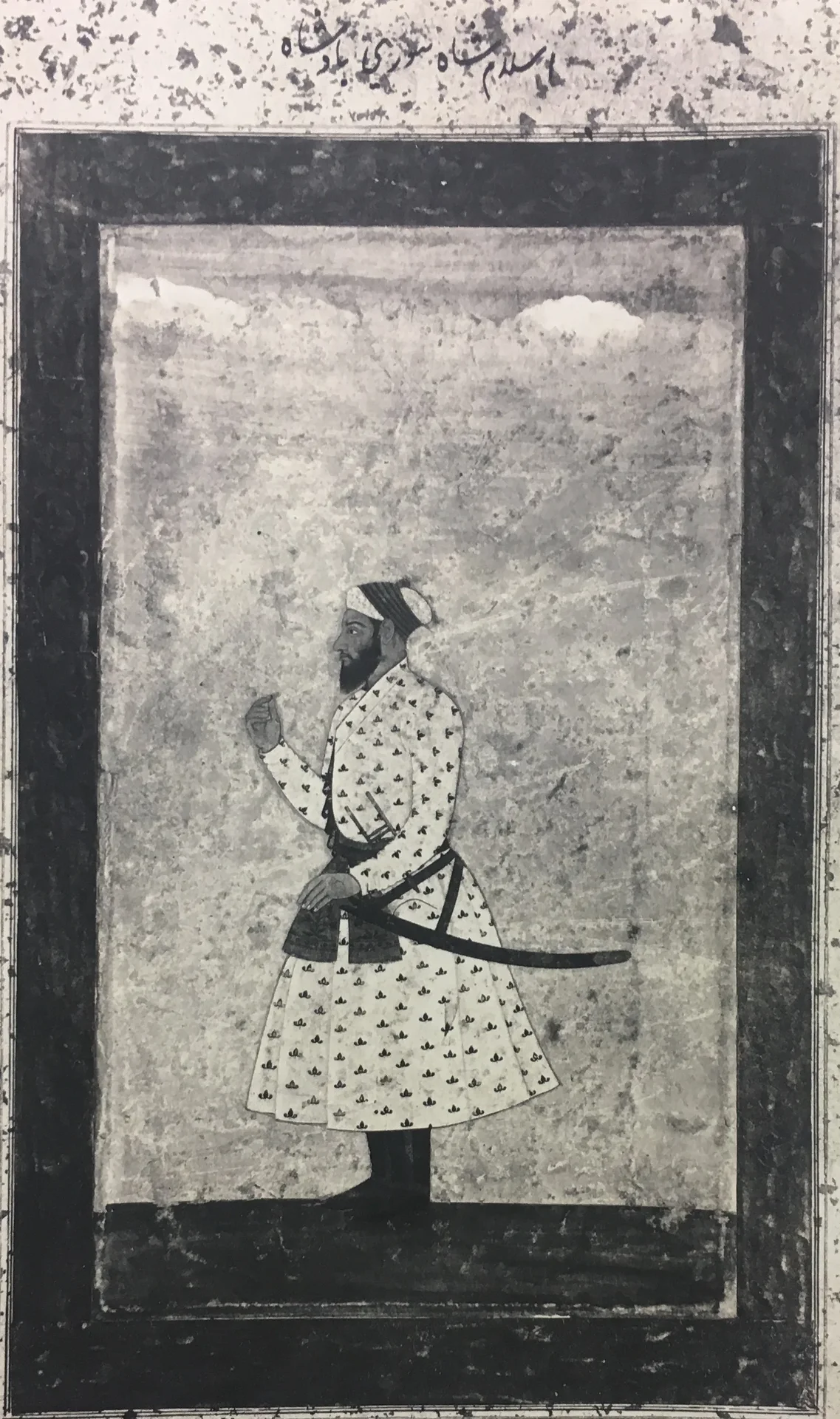
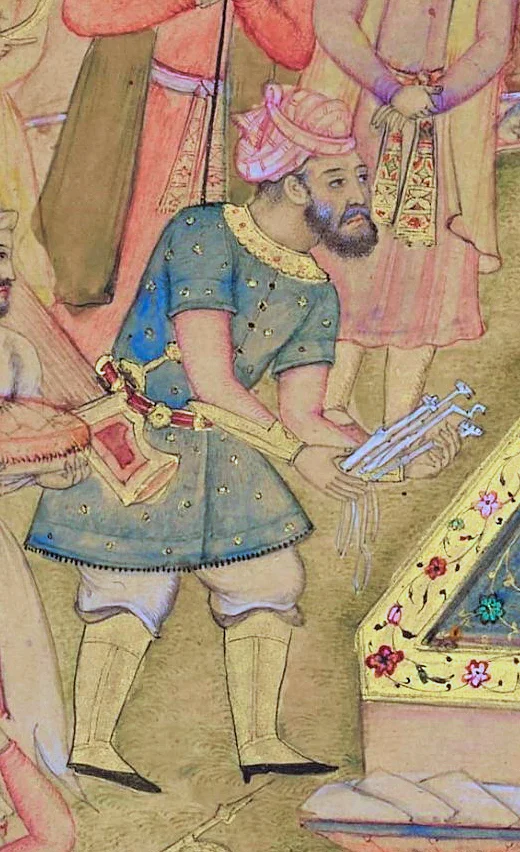
In December 1530, the founder of the Mughal Empire - A magnificent Islamic empire that ruled most of the Indian subcontinent, famous for its incredible wealth and architectural wonders like the Taj Mahal., Babur, passed away, and his twenty-two-year-old eldest son Humayun - Eldest son of Babur who lost his empire to the military genius of Sher Shah Suri and endured fifteen years of desert exile, before securing Persian Safavid support to triumphantly reconquer Delhi. ascended the throne as the second Padshah - 'Master of Kings': The Supreme Imperial Title of the Islamic World Padishah (or Badshah, derived from Persian pād 'master' and shāh 'king') is a supreme sovereign title equivalent to Emperor in the Islamic world. Ranking above a conventional king (Shah) or ruler (Sultan), it designated an autocrat who ruled over multiple nations, races, and kingdoms with absolute imperial majesty.Babur's Declaration and the Mughal Throne Princes of the Timurid dynasty had traditionally held the noble title of Mirza. In 1507, after securing Kabul, Babur formally discarded Mirza and adopted the grand imperial title of Padishah to proclaim sovereign supremacy independent of the rival Uzbek Khans and Persian Safavid Shahs. Following his conquest of northern India in 1526, all sovereigns of the Mughal Empire—including Humayun, Akbar the Great, Shah Jahan, and Aurangzeb—reigned as Padishahs (often styled Badshah in Hindustani). When Sher Shah Suri ousted Humayun and founded the Sur Empire in 1540, he similarly assumed the title of Padishah in Delhi.The Ottoman Imperial Dignity The title was also the premier formal designation of the monarchs of the Ottoman Empire (Padişah-ı Âl-i Osman). In Ottoman diplomatic protocol, European Christian kings (styled kral) were treated as subordinate princes, while the title of Padishah was reserved exclusively for the Ottoman Sultan and, through treaty concessions, the Holy Roman Emperor, symbolizing unrivaled imperial dignity and universal sovereignty.. However, the four-year-old empire stood on perilous ground. Gentle by nature and deeply devoted to astronomy, literature, and the arts, Humayun honored his father's deathbed wish by granting vast provinces such as Kabul - A 3,500-Year-Old Strategic Crossroads beneath the Hindu Kush Kabul is the capital and largest city of Afghanistan, situated in a high-altitude mountain valley (elevation ~1,800 m) south of the Hindu Kush range. As a pivotal crossroad on the southern branches of the Silk Road linking Central Asia and the Indian subcontinent, it has long been known as the historic 'Gateway to India.'Springboard of Conquerors and the Cradle of the Mughal Empire In 1398, Timur utilized Kabul as a vital military staging ground for his invasion of the Delhi Sultanate. In 1504, his descendant Babur, the founder of the Mughal Empire, captured Kabul and made it his principal base of operations. Babur held a lifelong affection for Kabul's temperate climate and lush orchards, and upon his death, he was laid to rest in his beloved terraced park, the Gardens of Babur (Bagh-e Babur).A Natural Fortress of Empires Overlooking the historic city sits the ancient fortress of Bala Hissar, founded in the 5th century as a formidable stronghold against invading armies. Controlling the southern approaches to the Salang Pass and the route eastward to the Khyber Pass, Kabul has always occupied an indispensable geopolitical position in Central and South Asian history., Kandahar - Ancient City Founded by Alexander and Gateway of Silk Road Trade Kandahar is a historic city situated on the fertile plains of the Arghandab River in southern Afghanistan. It was founded in 330 BC by Alexander the Great during his Asian campaign as 'Alexandria in Arachosia'. The modern name 'Kandahar' is widely believed by historians to derive from 'Iskandar', the Persian and eastern rendering of Alexander's name. A major crossroads of Eastern and Western civilizations, ancient bilingual rock inscriptions written in Greek and Aramaic by the Indian Mauryan Emperor Ashoka the Great were discovered carved into the mountains of Old Kandahar.The Gateway to India and Battleground of Empires Positioned along the vital trade and military corridors connecting Persia, Central Asia, and the Indian subcontinent via the Bolan Pass, Kandahar was historically prized as the indispensable 'Key to India.' Captured by Babur in 1522 after multiple sieges, the city became the premier bone of contention between the Mughal Empire and the Persian Safavid Empire, changing hands through numerous fierce sieges over two centuries. In 1747, Ahmad Shah Durrani was crowned king here and established Kandahar as the first capital of the Durrani Empire, laying the foundations of modern Afghanistan.Chilzina (Forty Steps) and Sacred Lore Carved high into the sheer rock face of the rugged Sarposa ridge west of Old Kandahar lies Chilzina ('Forty Steps'), a cliffside chamber commissioned by Babur to record his lineage and conquests. Flanked by two carved stone lions, forty steep steps lead visitors to historic Persian inscriptions detailing Mughal history. The city is also renowned for the Shrine of the Cloak (Kherqa Sharif), which preserves a sacred mantle believed to have been worn by the Prophet Muhammad, brought to Kandahar from Bukhara by Ahmad Shah Durrani., and Punjab to his three half-brothers. Yet rather than defending the central realm, these ambitious brothers constantly eyed Delhi's crown and fractured imperial unity. Exploiting this frailty, Sultan Bahadur Shah - An ambitious conqueror and warrior-sultan who forged an alliance with the Ottoman Empire to construct the most formidable artillery park in India, expanding Gujarat to its zenith before falling in a dramatic clash with Mughal Emperor Humayun and tragic betrayal by the Portuguese off Diu. of the wealthy Gujarat Sultanate - A wealthy maritime sultanate ruled by the Muzaffarid dynasty that dominated Arabian Sea trade routes and textile production. recruited the Ottoman master gunner Rumi Khan to forge a formidable artillery park, sheltering Lodi pretenders and openly challenging Mughal supremacy. In 1535, Humayun launched a preemptive campaign, severing Gujarat's supply lines at Mandsaur - Legend of the Ramayana and the Eight-Faced Deity Mandsaur (ancient Dashapura) is a historic city situated on the Malwa plateau along the banks of the Shivna River in western Madhya Pradesh, India. According to Hindu tradition rooted in the epic Ramayana, Mandsaur is renowned as the ancestral birthplace of Mandodari, the virtuous and intelligent queen consort of the demon king Ravana of Lanka. Local folklore proudly claims that the city's modern name derives directly from Mandodari. While the rest of India celebrates the Dussehra festival by burning colossal effigies of Ravana to symbolize the victory of good over evil, certain traditional communities in Mandsaur regard Ravana as their revered son-in-law, offering solemn prayers and grief at his shrine instead of burning his likeness. The city is also famous for the revered Pashupatinath Temple, which enshrines an extraordinarily rare eight-faced Shiva lingam sculpted with exquisite ancient artistry.Defeat of the Huns: Yashodharman's Victory Pillars Known in classical antiquity as Dashapura ('City of Ten Hamlets'), Mandsaur flourished as a vital trade hub and cultural center under the Western Satraps and the Gupta Empire, renowned for its ancient guild of silk weavers. In the early 6th century, when North India was devastated by the invasions of the Alchon Huns under King Mihirakula, the local Aulikara king Yashodharman shattered the Hunnic forces in a decisive battle near Dashapura, liberating the subcontinent. To commemorate this triumph, Yashodharman erected the colossal monolithic sandstone Pillars of Victory at Sondani, whose poetic Sanskrit inscriptions remain among the most celebrated epigraphic treasures of ancient India.The 1535 Battle of Mandsaur: Starving an Ottoman Arsenal In the 16th century, Mandsaur became the setting of a momentous clash between the rising Mughal Empire and the wealthy Gujarat Sultanate. In 1535, Sultan Bahadur Shah of Gujarat established a heavily entrenched camp near Mandsaur, relying on an enormous park of bronze artillery and matchlock musketeers commanded by the Ottoman master gunner Rumi Khan. Rather than ordering a suicidal frontal charge into the Ottoman cannons, Mughal Emperor Humayun deployed swift horse archers to cut off every supply line into the Gujarati camp, blocking convoys of grain, water, and fodder. Within weeks, starvation decimated Bahadur Shah's horses and war elephants. Sensing total ruin and secretly suborned by Mughal envoys, Rumi Khan betrayed his master at the critical hour. Deprived of food and fire support, the Gujarati army collapsed in chaos, forcing Bahadur Shah to abandon his artillery and flee in the dead of night toward Mandu and Champaner. and routing Bahadur Shah's army before marching on Champaner - The Clifftop Citadel of Gujarat and UNESCO World Heritage Site Champaner is a historic fortified city located in the Panchmahal district of Gujarat, western India. Nestled around the base and rugged cliffs of Pavagadh Hill, a prominent 800-meter-high volcanic crag rising sharply from the plains, the complex represents an extraordinary transition from Hindu Rajput fortress architecture to magnificent Islamic sultanate design, designated today as the Champaner-Pavagadh Archaeological Park UNESCO World Heritage Site.Founding Legends and Cultural Flowering Local lore relates that the city was founded in the 8th century by King Vanraj Chavda and named after his valiant general and companion, Champa. Atop the sheer summit of Pavagadh Hill stands the revered temple of Kalika Mata, attracting pilgrims for centuries. In 1484, Sultan Mahmud Begada of the Gujarat Sultanate conquered the stronghold following an arduous 20-month siege. Begada renamed the city Muhammadabad, relocated his capital there, and commissioned grand architectural marvels including the celebrated Jama Masjid, stepwells, and fortified gateways.Humayun's Daring Iron-Spike Cliff Assault In 1535, Mughal Emperor Humayun laid siege to Champaner during his campaign against Sultan Bahadur Shah of Gujarat. Deemed virtually impregnable to conventional artillery, the clifftop citadel appeared unassailable. In an extraordinary act of martial daring, Humayun personally led a nocturnal commando assault with 39 handpicked warriors, driving steel spikes into vertical cliff crevasses to scale the precipitous mountain wall. Infiltrating the ramparts undetected, Humayun's men threw open the gates and overwhelmed the garrison, securing the immense accumulated royal treasures of the Gujarat Sultanate., a seemingly impregnable citadel perched atop the sheer precipices of Pavagadh Hill, where Gujarat's ancestral treasury was concealed. Deeming a frontal assault suicidal, Humayun noticed local villagers scaling a secluded cliff face and hatched an audacious plan: in the dead of night, an elite strike force of 39 commandos drove seventy to eighty iron spikes into the vertical stone face to climb the abyss, with the emperor himself climbing as the 41st man. Taking the sleeping garrison completely by surprise from the rear, the Mughals breached the gates, capturing the citadel and uncovering colossal reserves of gold, silver, and jewels submerged beneath secret reservoir vaults. Yet this breathtaking tactical triumph soon turned into strategic disaster. Dazzled by unimaginable wealth, Humayun withdrew his army to Mandu, an ancient fortress city perched atop the rugged cliffs of the Malwa plateau, long celebrated as Shadiabad ('City of Joy - The Clifftop Citadel and the Floating 'Ship Palace' Shadiabad (meaning 'City of Joy') was the historic Islamic moniker for the fortified plateau city of Mandu (Mandavgad), situated atop the dramatic escarpments of the Vindhya Range (approx. 600 meters above sea level) on the Malwa plateau in central India. Naturally fortified by deep ravines and steep precipices, Mandu served as the flourishing capital of the Malwa Sultanate during the 15th and 16th centuries. The plateau is famed for its monumental Afghan-influenced Islamic architecture, most notably Jahaz Mahal ('Ship Palace')—a breathtaking pleasure pavilion built between two artificial lakes (Munj Talao and Kapur Talao) that appears to float like a magnificent vessel when the waters rise—and Hindola Mahal ('Swing Palace'), celebrated for its distinctive 77-degree sloping buttresses that create the optical illusion of a swaying structure.The Legendary Romance of Baz Bahadur and Rani Roopmati Mandu is steeped in folklore, most famously immortalized in the tragic romantic ballad of Sultan Baz Bahadur and the poet-singer Rani Roopmati. According to popular folklore sung by bards across Malwa, Roopmati was a Hindu shepherdess gifted with a heavenly singing voice who enchanted the music-loving sultan. Having vowed never to take sustenance without first gazing upon the sacred Narmada River, Baz Bahadur built Roopmati's Pavilion on the highest southern precipice of the plateau so she could revere the gleaming waters flowing through the Nimar plains below. When the Mughal army under Adham Khan invaded Mandu in 1561 and captured the city, Roopmati consumed poison to preserve her honor rather than yield to the conqueror, securing an enduring place in Indian romance.Humayun's Fateful Indulgence and Strategic Neglect In 1535, after seizing the impregnable clifftop fortress of Champaner along with its legendary treasury, Mughal Emperor Humayun retired to Shadiabad to revel in his triumph. Enthralled by the cool breezes, picturesque lakes, and splendid pleasure pavilions of Mandu, Humayun succumbed to inertia, whiling away nearly a full year immersed in opium and lavish imperial festivities. While the emperor lingered in the palaces of Shadiabad, his brother Askari misgoverned Gujarat into revolt, and the brilliant Afghan commander Sher Shah Suri consolidated control over Bihar and Bengal, setting the stage for the temporary collapse of the fledgling Mughal Empire.'). Enthralled by its opulent pleasure palaces—most notably Jahaz Mahal - The Architectural Marvel Floating Between Two Lakes Jahaz Mahal (literally the 'Ship Palace' in Hindi and Persian) is a celebrated 15th-century monument of Indo-Islamic architecture situated in the royal enclave of Mandu (Shadiabad), located on the rugged Malwa plateau in Madhya Pradesh, central India. Constructed along a narrow strip of land flanked by two expansive artificial reservoirs—Munj Talao to the west and Kapur Talao to the east—the two-storey sandstone palace spans approximately 110 meters in length. During the monsoon season when both reservoirs swell with water, the palace's elegant arched pavilions, domed kiosks (chhatris), and grand terraces cast shimmering reflections upon the water, creating the mesmerizing illusion of an imperial vessel anchored upon the lake.Sultan Ghiyas-ud-din and the Pleasure Palace The palace was built during the reign of Sultan Ghiyas-ud-din Khalji (reigned 1469–1500) of the Malwa Sultanate. Renowned for renouncing warfare to dedicate his 31-year reign to peace, music, and sensual luxury, Ghiyas-ud-din designed Jahaz Mahal as an exclusive royal pleasure resort and harem. The palace complex housed an estimated 15,000 women, including imperial musicians, dancers, poets, and an elite personal bodyguard comprised of Turkish and Abyssinian female soldiers. The palace featured ingenious hydraulic engineering, including intricate rooftop aqueducts, spiral water channels that naturally filtered and cooled water, and subterranean steam baths (hammams) adorned with starry skylights.Humayun's Fateful Indulgence and the Fall of Delhi In 1535, after storming the clifftop citadel of Champaner and capturing Gujarat's ancestral royal treasury, Mughal Emperor Humayun retired to Mandu and established his court at Jahaz Mahal. Enchanted by the palace's cooling breeze, scenic waters, and breathtaking architecture, Humayun surrendered to complacency. For nearly a full year, the emperor whiled away his days indulging in opium and endless banquets inside the halls of Jahaz Mahal, disregarding urgent administrative and military responsibilities. This protracted neglect enabled the Afghan military genius Sher Shah Suri to consolidate northern India and drive Humayun into a harrowing fifteen-year desert exile., the 'Ship Palace' that appeared to float like a magnificent vessel between two artificial lakes—Humayun completely neglected imperial statecraft, whiling away nearly a year immersed in opium and endless lavish banquets. While the emperor lingered in luxury, his brother Askari, appointed governor of Gujarat, alienated local elites through arrogant misrule, facing widespread uprisings and even plotting to seize Agra for himself. Worse still, in eastern Bihar - 'Land of Monasteries': The Ancient Crucible of Empires and Philosophies Bihar is a historically momentous region situated along the fertile middle basin of the Ganges River in eastern India. Its name derives from the Sanskrit word Vihara (meaning Buddhist monastery), reflecting the profusion of world-renowned monastic universities—most famously Nalanda and Vikramashila—that flourished across the land for centuries. It is the hallowed cradle where Gautama Buddha attained enlightenment beneath the Bodhi tree at Bodh Gaya and where Lord Mahavira, the 24th Tirthankara of Jainism, was born and achieved liberation.The Splendor of Magadha and Pataliputra In classical antiquity, Bihar was the imperial epicenter of the Indian subcontinent. It formed the core territory of ancient Magadha, from which rose India's first subcontinental empire, the Maurya Empire under Chandragupta and Ashoka the Great, as well as the Gupta Empire during India's Golden Age. Their magnificent shared capital, Pataliputra (modern-day Patna), stood proudly along the banks of the Ganges, commanding trade and military routes across Asia.Power Base of Sher Shah Suri and the Mughal Clash In the 16th century, Bihar once again reshaped the destiny of South Asia. It served as the familial fiefdom and primary launching pad of the brilliant Afghan leader Sher Shah Suri, who consolidated power from his stronghold at Sasaram and the strategic river fortress of Chunar. Rallying the Afghan clans across Bihar and Bengal, Sher Shah ambushed and shattered the army of Mughal Emperor Humayun at the decisive Battle of Chausa (1539) in western Bihar. His majestic octagonal sandstone mausoleum, rising gracefully from the center of a vast artificial lake at Sasaram, remains an enduring masterpiece of Indo-Islamic funerary architecture., an Afghan strategist of legendary cunning named Sher Shah Suri - Brilliant Pashtun strategist who earned his moniker by slaying a tiger single-handedly, crushed Mughal Emperor Humayun at Chausa and Kannauj to establish the Sur Empire, and transformed Indian statecraft through the Grand Trunk Road and the creation of the silver Rupee. (Farid Khan)—who had earned the moniker 'Sher' (Lion) by slaying a full-grown tiger with his bare hands—seized the natural river fortress of Chunar on the Ganges - Lifeline of Indian Civilization and Sacred Mother River The Ganges River (known in Hindi as Ganga) is a monumental river rising in the western Himalayas from the Gangotri Glacier and flowing 2,525 km (1,569 miles) eastward across the fertile plains of northern India into the Bay of Bengal. Nourishing one of the most populous and agricultural heartlands on Earth—the Indo-Gangetic Plain—the river has sustained Indian civilization, spirituality, and commerce for millennia.Myth of the Goddess Ganga and the Locks of Shiva In Hinduism, the Ganges is venerated not merely as water but as the living embodiment of the mother goddess Ganga, possessing the power to purify earthly sins and bestow spiritual liberation. According to Hindu mythology, when the mighty celestial river descended from the heavens to cleanse the ashes of ancient princes, her torrent threatened to shatter the earth. The great god Shiva intervened, catching the tempestuous river in his matted locks to buffer its descent and allow it to flow gently across the mortal world. This sacred lore makes the ancient riverside city of Varanasi one of the holiest pilgrimage destinations on the planet.Artery of Empires and Historic Naval Campaigns Command of the Ganges was vital for the hegemony of the Maurya, Gupta, Delhi Sultanate, Sur, and Mughal empires, serving as an irreplaceable highway for troop transport and merchant flotillas. In 1538, Emperor Humayun constructed massive floating timber artillery batteries on the Ganges to bombard the river fortress of Chunar. The epic clashes that decided northern India's fate—the Battle of Chausa (1539) and the Battle of Kannauj (1540)—took place along its muddy banks. Later in 1574, Akbar the Great launched hundreds of armed war vessels down the Ganges to conquer Bengal, extending the Mughal frontier to the shores of the Bay of Bengal. and annexed the rich kingdom of Bengal, menacing the Mughal heartland from behind. Facing catastrophic unraveling on all fronts, Humayun was forced to abandon his hard-won conquests in Gujarat and rush back empty-handed.
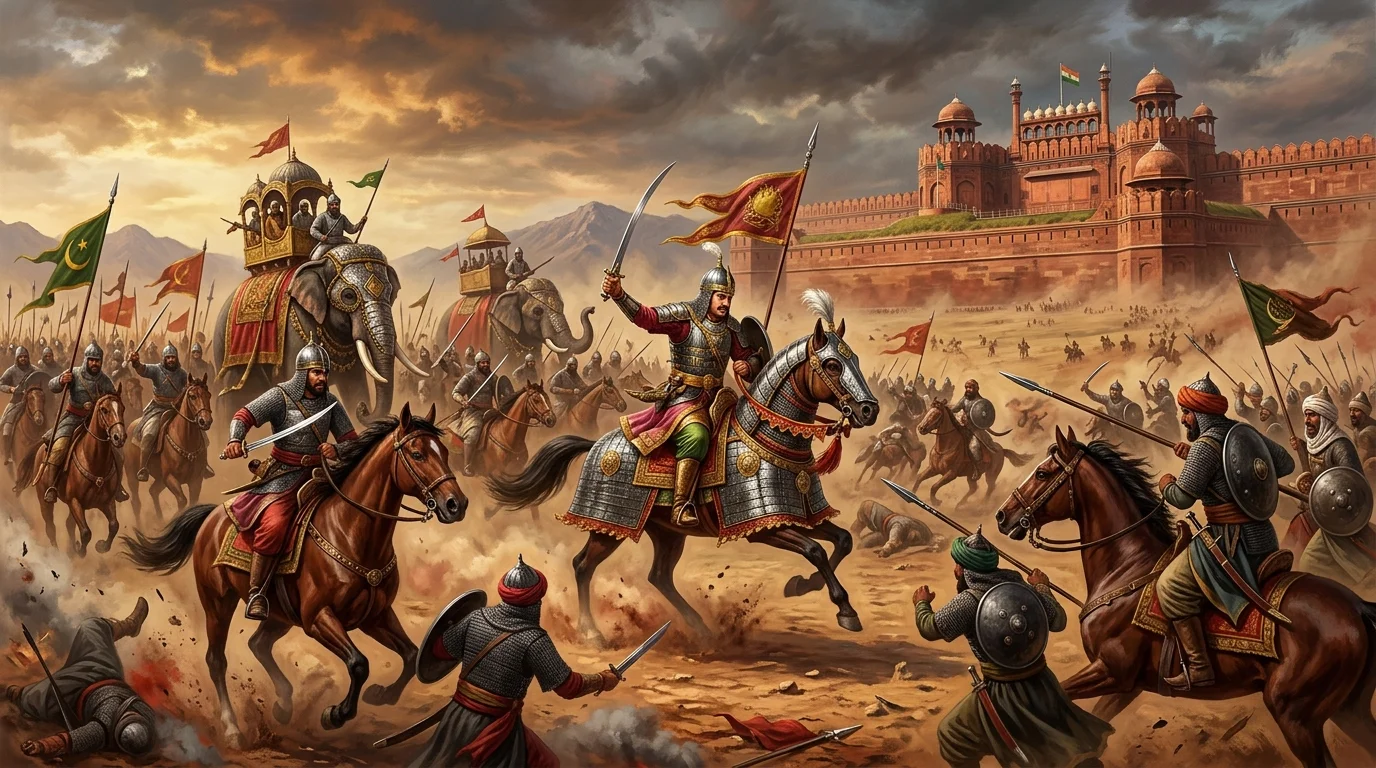
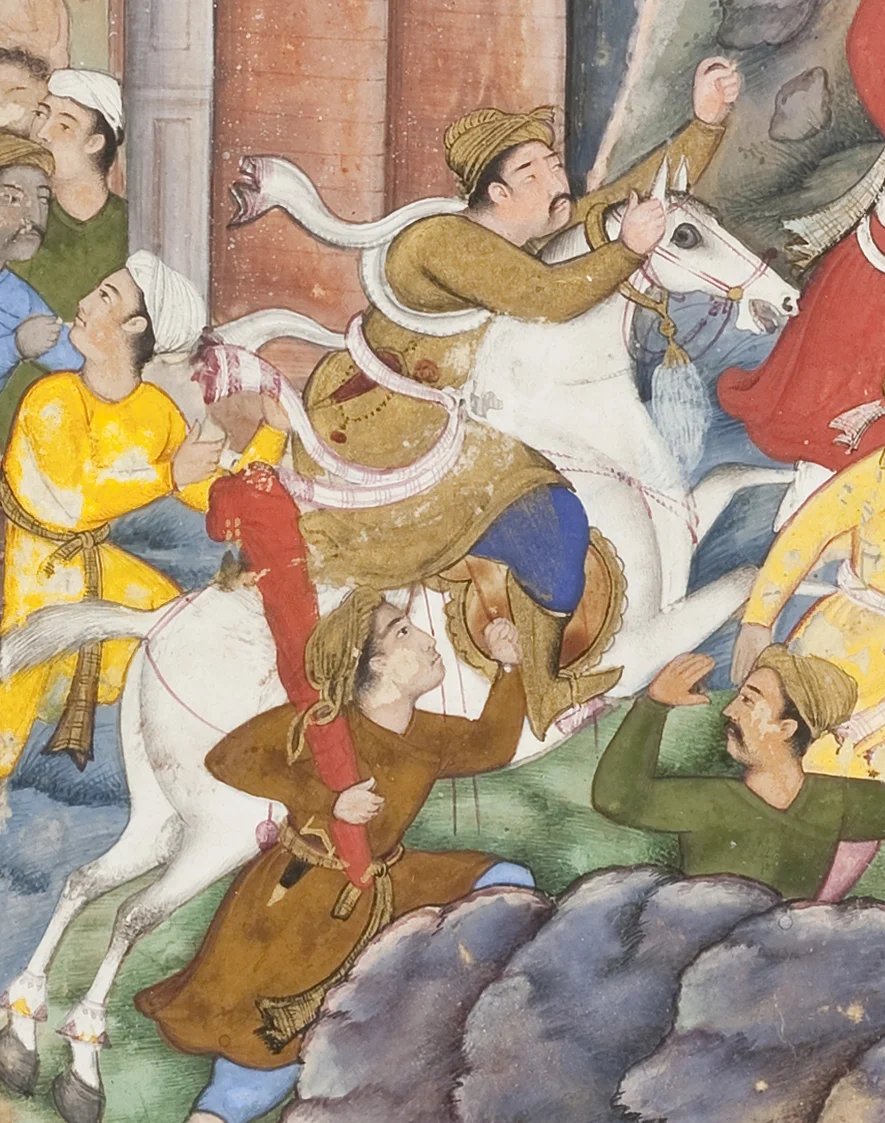
In the summer of 1539, Humayun led an expedition to Bengal to check Sher Shah's rapid expansion. With his supply lines severed and pestilence ravaging his ranks, the emperor was forced into a desperate retreat. At the plains of Chausa - Historic Battlefield along the Ganges that Shook the Mughal Empire Chausa is a historic town in the Buxar district of western Bihar, India, situated on the alluvial plains where the sacred Ganges River meets the Karamnasa River. It is celebrated in South Asian history as the site of the fateful Battle of Chausa fought on June 26, 1539, which dismantled Mughal imperial supremacy and altered the trajectory of northern India.The Dawn Ambush and the Rise of Sher Shah Suri During the monsoon of 1539, Mughal Emperor Humayun was retreating from his ill-fated expedition to Bengal when Afghan forces under Sher Shah Suri blocked his passage across the plains of Chausa. With torrential rains turning the lowlands into a treacherous quagmire, Sher Shah lulled the Mughal camp into complacency through deceptive peace negotiations. In the misty pre-dawn darkness, Afghan columns launched a coordinated three-pronged surprise assault. Overwhelmed before their cannons could deploy, the Mughal army was routed, and Sher Shah assumed the supreme title of Padishah, establishing the Sur Empire.Nizam the Water-Carrier and the Sovereign's Gratitude Chausa is celebrated for one of the most remarkable rescue legends in royal folklore. As defeated soldiers drowned in the rain-swollen Ganges, Emperor Humayun plunged into the roaring torrent on horseback. His mount was swept away, and the emperor was on the brink of drowning when a humble water-carrier named Nizam threw him an inflated goatskin water-bag (mashak), paddling alongside him to safety. Remembering his savior with profound gratitude, Humayun later invited Nizam to the imperial court in Delhi and granted him the privilege of sitting upon the Mughal throne for half a day, even issuing miniature leather coins stamped with his name. in Bihar, the two armies confronted each other across the rain-swollen Ganges. Amid monsoon downpours that turned the battlefield into a quagmire, Sher Shah initiated deceptive peace negotiations, completely disarming Mughal vigilance. In the misty dawn of June 26, 1539, Afghan regiments launched a sudden, coordinated three-pronged assault on the sleeping Mughal camp. Overwhelmed before a single cannon could fire, panicked Mughal soldiers plunged into the roaring river. Humayun himself fell into the Ganges and was on the verge of drowning when a humble water-carrier named Nizam threw him an inflated leather water-bag, miraculously saving the emperor's life. Emboldened by victory, Sher Shah declared himself Padshah. The following year, at the 1540 Battle of Kannauj, rain soaked the Mughal powder reserves, neutralizing their artillery, and Sher Shah's disciplined cavalry crushed Humayun's host. Stripped of his crown, Humayun fled westward into the scorching desert.
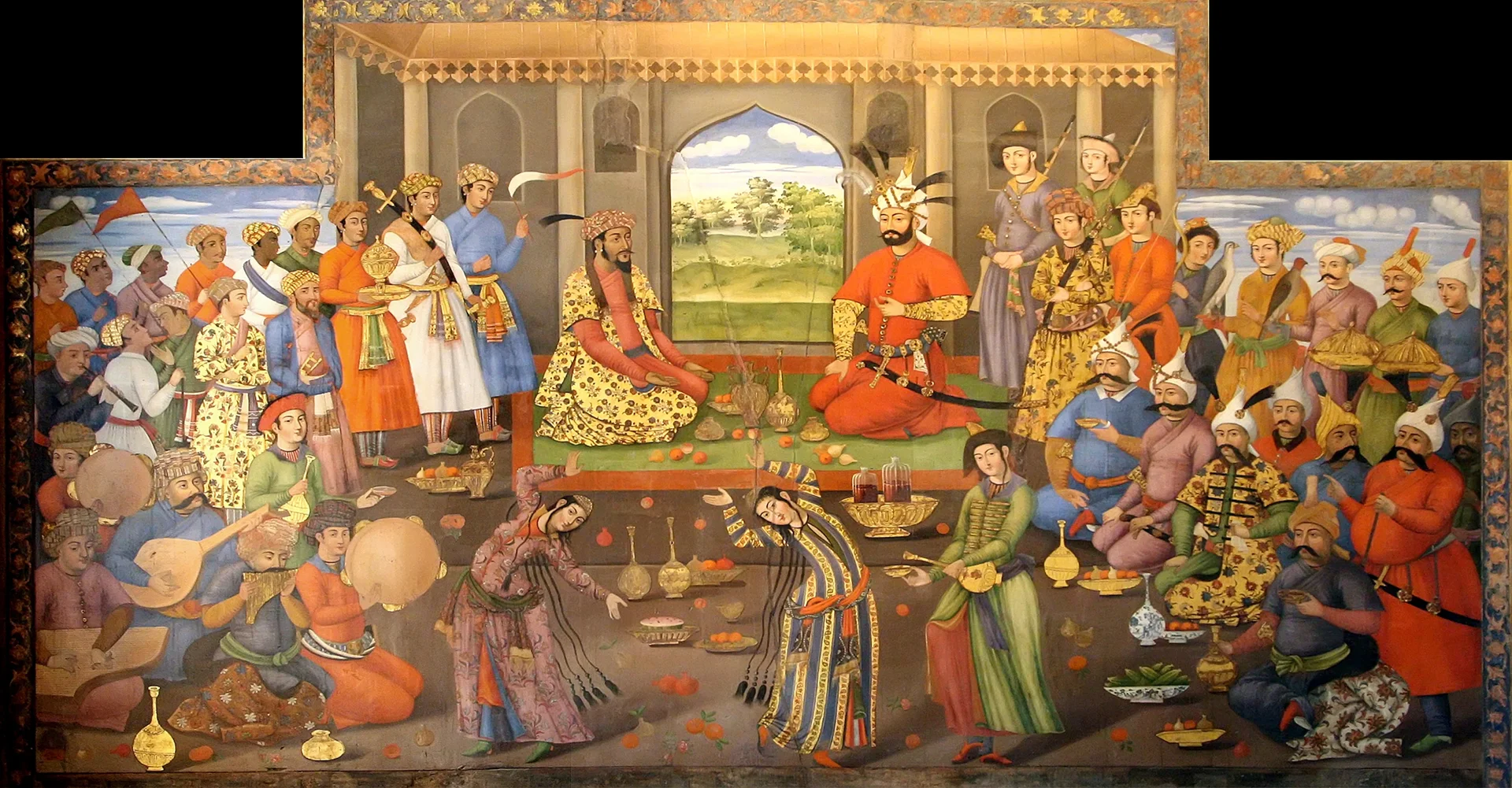
Reduced to a hunted fugitive overnight, Humayun embarked on a grueling fifteen-year exile across the scorching Thar Desert of Sindh - Scorching Dunes and the Vast Arid Wilderness The Sindh Desert (the western expanse of the Great Indian or Thar Desert) is a vast arid wilderness spanning southeastern Sindh in Pakistan and northwestern Rajasthan in India. Characterized by undulating sand dunes, scrub plains, and brutal summer temperatures exceeding 50°C (122°F), it was historically one of the most perilous natural barriers in South Asia.Humayun's Harrowing Wilderness Exile Following his crushing defeat by Sher Shah Suri at the Battle of Kannauj in 1540, Mughal Emperor Humayun was reduced to a hunted fugitive. Together with his teenage pregnant bride Hamida Banu Begum and a band of loyal retainers, the emperor fled into the blazing Sindh wilderness. Parched horses collapsed beneath riders, soldiers were driven to drink blood from pack animals, and desperate men fell into deep desert wells while fighting for brackish water. This harrowing ordeal tested the resilience of the Mughal dynasty to the limit, forged in the crucible of exile before Humayun's eventual restoration fifteen years later.Desert Nomads and Romantic Folklore Despite its extreme climate, the desert supported vibrant pastoralist clans who traversed the sands with camel caravans. The region is immortalized in the rich folk literature of Sindh, most famously in the tragic romance of Umar Marvi, in which a virtuous village maiden held captive in a desert citadel refused worldly luxuries out of unyielding love for her native sands and pastoral kinsfolk. with his pregnant wife Hamida Banu Begum and a handful of loyal retainers. Enduring unimaginable hardships where parched men were forced to drink horse blood, a historic moment occurred in October 1542 at the oasis fortress of Umarkot - Desert Oasis Stronghold and Birthplace of Akbar the Great Umarkot Fort (historically known as Amarkot) is an ancient desert citadel situated at the gateway to the Thar Desert in southeastern Sindh, Pakistan. Traditionally founded in the 11th century by Umar of the Soomro dynasty, its imposing ramparts of burnt brick and packed mud stood as a vital oasis refuge against desert storms. It holds an immortal place in world history as the historic birthplace of Akbar the Great, the most celebrated emperor of the Mughal dynasty.Rana Prasad's Chivalrous Refuge and Imperial Birth In the autumn of 1542, having lost Delhi and wandered through the unforgiving Sindh desert, Mughal Emperor Humayun reached Umarkot in utter exhaustion alongside his heavily pregnant teenage wife, Hamida Banu Begum. The Hindu Sodha Rajput chieftain of the fort, Rana Prasad, offered chivalrous sanctuary to the destitute Muslim emperor, defying the wrath of rival warlords. Sheltered safely within the fortress walls, Hamida gave birth on October 15, 1542, to the future emperor Akbar.The Fragrant Musk Pod Blessing and Marvi Legend Penniless and in exile, Humayun possessed no treasury to distribute traditional celebratory gifts upon his firstborn's arrival. The emperor broke open a single fragrant pod of musk, distributing the dark grains among his loyal companions while proclaiming a legendary prayer: "This is all the present I can afford to give you on the birth of my son, whose name I trust will yet be spread over the universe like the fragrance of this musk." The fortress is also the celebrated setting of the Sindhi folk epic Umar Marvi, symbolizing steadfast fidelity and patriotism.: the birth of his son Akbar, the future emperor. Possessing almost nothing, Humayun broke a single fragrant musk pod to share among his followers, praying that his son's renown would spread across the world like its sweet perfume. Yet when his ambitious brother Kamran in Kabul turned against him, cutting off all shelter, Humayun staked his survival on seeking asylum in Safavid Persia - Early modern Persian empire founded in 1501 by Ismail I that established Twelver Shia Islam as the state religion and ignited a golden age of Persian art and architecture.. Shah Tahmasp I recognized a profound opportunity in hosting the exiled Padshah of the illustrious Timurid dynasty. Staging lavish imperial hunts and splendid court banquets, Tahmasp accorded Humayun royal hospitality while projecting the supreme prestige and suzerainty of the Safavid throne across the Islamic world. Beneath this lavish reception lay calculating realpolitik. Pressed by the formidable Ottoman Empire to the west and fierce Uzbek raiders to the north, the Safavid state urgently needed a stable eastern buffer ruled by a friendly, restored Mughal ally. Tahmasp agreed to supply twelve thousand elite Persian cavalry, but extracted two steep conditions: the immediate cession of the strategic gateway fortress of Kandahar to Persia, and Humayun's formal conversion to Shia Islam, symbolized by donning the scarlet Shia headgear known as the Taj-e Haydari - The Sacred Scarlet Cap Symbolizing Twelver Shi'ism The Taj-e Haydari (literally 'Haydar's Crown' in Persian) was the iconic scarlet felt headgear designed in the late 15th century by Shaykh Haydar, head of the Safaviyya Sufi order and father of Shah Ismail I. Consisting of a tall crimson felt cap with a baton-like spire around which a white turban was wrapped, its defining feature was twelve vertical pleats (tark) radiating along the cap. Each pleat symbolized one of the Twelve Holy Imams of Shia Islam, proclaiming the wearer's devotion to the Twelver faith and their unconditional fealty to the Safavid spiritual master (Murshid-i Kamil).Emblem of the Fierce Qizilbash The Turkic tribal cavalrymen who donned this distinctive headgear were known throughout the Near East as the Qizilbash ('Red Heads' in Turkic). To the Qizilbash, the Taj-e Haydari was far more than military armor; it was an oath of spiritual loyalty and martyrdom. The sight of thousands of Qizilbash horsemen in their scarlet headpieces charging fearlessly across battlefields became the decisive force that unified Persia and established the Safavid Empire.Humayun's Submission and the Restoration Cavalry In 1544, the Taj-e Haydari became the crucible of diplomacy when the exiled second Mughal Emperor, Humayun, arrived at the court of Shah Tahmasp I after being driven from India by Sher Shah Suri. In exchange for twelve thousand elite Safavid cavalrymen to reconquer Kabul and Delhi, Tahmasp insisted that the Sunni Mughal sovereign make a formal profession of Shi'ism and publicly don the Taj-e Haydari. Despite severe religious anguish and wounded Timurid pride, Humayun recognized that the restoration of his dynasty depended upon Safavid arms, and placed the scarlet turban upon his head to seal the historic alliance.. Torn between religious anguish and imperial pride, Humayun recalled how his father Babur had similarly worn Safavid robes and accepted military aid from Shah Ismail I decades earlier to retake Samarkand, and reluctantly yielded. The indispensable architect of this fragile agreement was general Bairam Khan - Loyal general who served Babur and Humayun, orchestrated Humayun's restoration, and served as guardian and regent for the young Akbar, winning the pivotal Second Battle of Panipat to rescue the Mughal Empire from the brink of destruction.. A Shia of noble Turkmen lineage who was deeply versed in Persian court diplomacy and etiquette, Bairam Khan delicately smoothed over explosive theological and ceremonial frictions between the two proud monarchs, bringing the alliance and cavalry deployment to fruition. Meanwhile in Delhi, Sher Shah demonstrated remarkable administrative genius: he revitalized the ancient 2,500-kilometer Grand Trunk Road - Asia's Oldest and Longest Transcontinental Highway The Grand Trunk Road (commonly GT Road) is a legendary 2,500-kilometer highway spanning the breath of the northern Indian subcontinent, stretching from Sonargaon in Bengal westward through Delhi and the Punjab, ascending through the Khyber Pass to Kabul in Afghanistan.Sher Shah Suri's Masterpiece of Infrastructure While portions of the road dated back to Chandragupta Maurya in the 3rd century BC, it was thoroughly rebuilt, widened, and systematized in the 16th century by Sher Shah Suri, founder of the Sur Empire, who dubbed it the Sadak-e-Azam ('Great Road'). • Inns and Amenities: Sher Shah constructed over 1,700 sarais (caravanserais) every two koses (approx. 8 km), providing free boarding, water wells, and separate lodgings for Hindu and Muslim travelers. • Security and Postal Network: Lined with shade trees, milestone minarets (Kos Minars), and guarded horse-relay outposts, dispatches and imperial commands could race across hundreds of miles within days.Vibrant Artery of South Asian Civilization More than a military highway, the Grand Trunk Road served for centuries as an enduring cultural melting pot where caravans, wandering mystics, soldiers, and merchants shared ideas, languages, and philosophies. Extensively maintained by subsequent Mughal rulers and British authorities, it remains the bustling commercial backbone of modern South Asia. with roadside inns and trees, minted the standardized silver Rupee - Origin of Modern South Asian Currency Founded by Sher Shah Suri The Rupee (originally Rupiya) was introduced around 1540 by Sher Shah Suri, the visionary founder of the Sur Empire, who sought to overhaul India's chaotic, debased monetary systems. The word derives from the Sanskrit rupya, meaning 'wrought silver' or 'of beautiful form'.Standardization and the Tri-Metallic Monetary System Sher Shah abolished earlier irregular coinages and instituted a standardized tri-metallic currency of unyielding purity: • Rupiya: The benchmark pure silver coin weighing 178 troy grains (approx. 11.53 grams). • Dam: A heavy copper coin weighing 382 grains for everyday commercial transactions, pegged at 40 dams to one silver rupee. • Mohur: A high-value pure gold coin weighing 169 grains used for major settlements and royal treasuries. To inspire universal trust, coins featured inscriptions in both Arabic calligraphy and Devanagari script carrying Sher Shah's imperial name.Enduring Legacy in Modern South Asia Sher Shah's silver rupee proved so remarkably stable and successful that Emperor Akbar maintained the exact mint weight and standards throughout the Mughal era. It was subsequently adopted by the British East India Company and forms the direct ancestor of modern currencies across India, Pakistan, Sri Lanka, Nepal, and Mauritius. that became the ancestor of modern South Asian currencies, and overhauled imperial taxation, before tragically perishing in 1545 when a deflected gunpowder rocket exploded his powder magazine during the siege of Kalinjar.
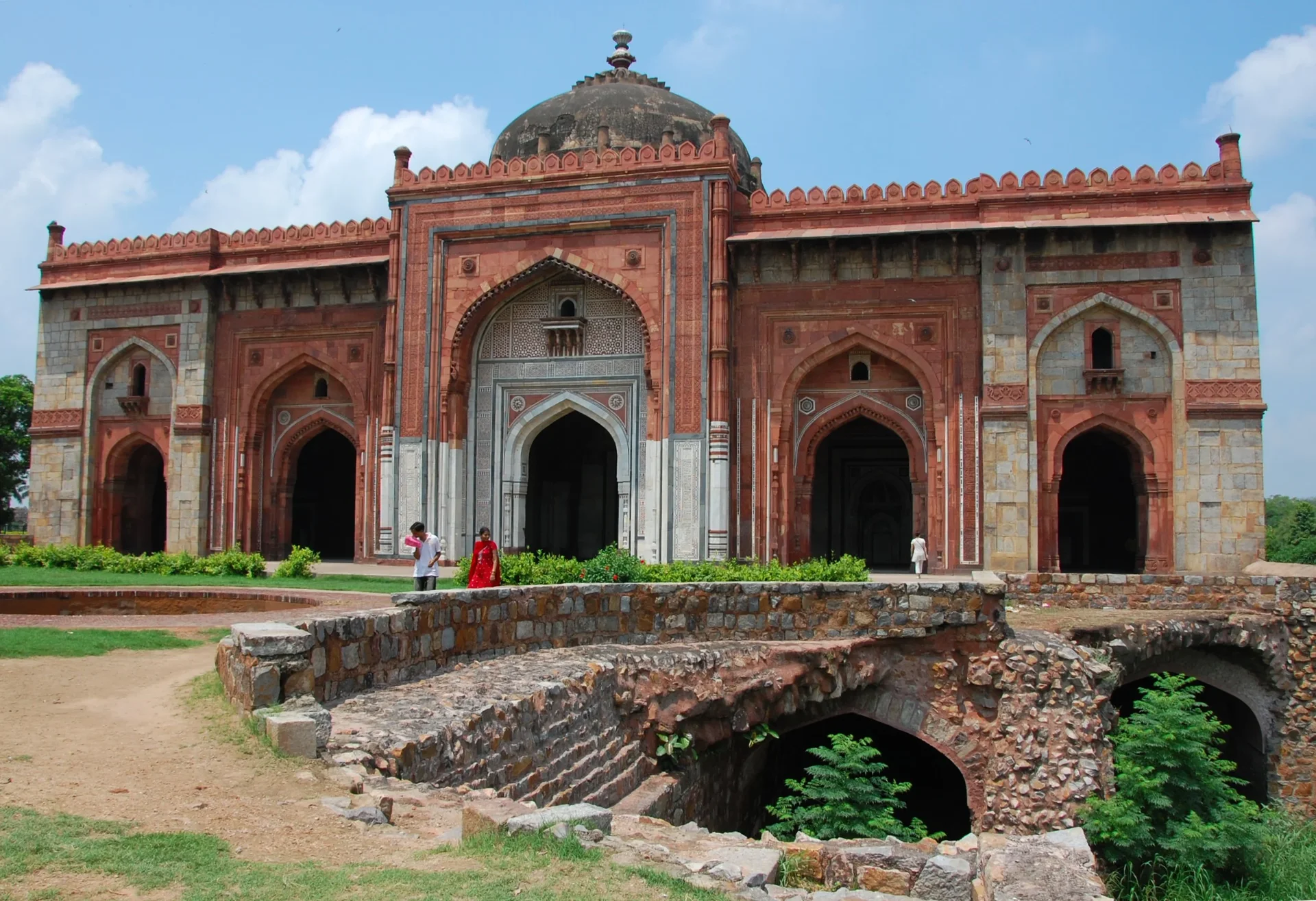
When Sher Shah's capable successor Islam Shah Suri - Second son of Sher Shah Suri who succeeded to the throne, ruthlessly suppressed rebellious Afghan tribal chieftains to consolidate a centralized empire, held exiled Humayun at bay, and famously elevated Hemu into high imperial command. died of illness in 1554, the Sur Empire - Afghan-led empire that ousted the Mughals from northern India, renowned for monumental infrastructure like the Grand Trunk Road and the creation of the silver Rupee. rapidly fractured into a bloody civil war among three rival princely claimants. Recognizing the golden opportunity, Humayun appointed the veteran Bairam Khan as supreme commander and marched back into the Indian subcontinent - From Drifting Island to Mountain Builder: The Birth of a Subcontinent A subcontinent is a vast, distinct landmass that forms part of a continent (Asia) yet is geographically demarcated by colossal mountain barriers and seas, giving it a unique climate, geography, and cultural character. Today, this vast region encompasses India, Pakistan, Bangladesh, Nepal, Bhutan, and Sri Lanka. Tens of millions of years ago, the prehistoric tectonic plate of India drifted across southern oceans and violently slammed into the Eurasian landmass. This colossal geological collision buckled the Earth's crust into the sky, creating the highest mountain ramparts on the planet: the Himalayas and the Hindu Kush.Natural Bastions and the Historic Gateways Guarded by soaring, snow-capped ranges to the north and embraced by the Arabian Sea, the Bay of Bengal, and the Indian Ocean to the south, the subcontinent functioned as a gigantic natural fortress. This geographic isolation allowed rich, indigenous civilizations to take root and flourish undisturbed for millennia. Yet the subcontinent was never completely isolated. Through narrow alpine clefts in the northwest—chiefly the legendary Khyber Pass and Bolan Pass—waves of Indo-Aryan migrants, the Macedonian phalanxes of Alexander the Great, and Central Asian conquerors like Timur and Babur surged into the river plains, reshaping political destinies. Meanwhile, seasonal monsoon winds propelled vibrant maritime trade networks connecting the subcontinent with Rome, Arabia, Southeast Asia, and China.Cradle of Faiths and Empires: The Legacy of Bharat Ancient texts referred to this expanse as Bharatavarsha (the realm of the legendary King Bharata), while Persian, Greek, and Arab travelers named it after the mighty western lifeline, the Indus River (Sindhu), giving rise to the names 'India' and 'Hindustan'. It served as the cradle of the urban Bronze Age Indus Valley Civilization, and as the birthplace of major world religions and philosophies including Hinduism, Buddhism, and Jainism. Successive imperial dynasties—from the ancient Maurya and Gupta Empires to the medieval Delhi Sultanate and the magnificent Mughal Empire—strove to unite the immense subcontinent under a single canopy, leaving an enduring tapestry of architectural wonders, languages, and cultural traditions.. In May 1555, at the Battle of Machhiwara along the Sutlej River - Lifeblood of the Punjab and Longest Tributary of the Indus The Sutlej River (ancient Sanskrit: Shatadru; Punjabi: Satluj) originates near Mount Kailash and Lake Rakshastal in western Tibet, cutting through the high Himalayas to flow across Indian Punjab and Pakistan for approximately 1,450 kilometers. It is the longest and easternmost of the five legendary rivers that give the Punjab region ('Land of Five Rivers') its name, eventually merging into the mighty Indus River.The Legend of Shatadru: The Hundred-Branched River In ancient Vedic scriptures and Hindu epics, the river was revered as Shatadru ('flowing in a hundred channels'). According to legend, when the venerable sage Vashistha threw himself into the torrential currents in profound grief after the tragic loss of his sons, the sacred river refused to harm him. Instead, its waters miraculously parted into a hundred gentle streams, safely delivering the holy sage to the riverbank.Battle of Machhiwara and Strategic Imperial Frontier The banks of the Sutlej have served as a decisive theater for imperial campaigns across the centuries. In May 1555, general Bairam Khan led the returning Mughal vanguard across the Sutlej to confront the numerically superior Sur army at Machhiwara. Under the cover of night, a fire in the riverside village exposed the enemy's positions, allowing Mughal horse archers to inflict a crushing rout that directly paved the way for the restoration of the Mughal Empire in Delhi. Centuries later, the river formed the historic boundary between Maharaja Ranjit Singh's Sikh Empire and the British East India Company under the 1809 Treaty of Amritsar., a surprise night attack aided by blazing village thatch roofs routed the Sur vanguard. A month later, at the Battle of Sirhind in June, Bairam Khan's masterful flanking cavalry maneuvers decisively broke the primary army of Sikandar Shah Suri - Sixth ruler of the Sur Empire who seized Delhi and Punjab during the fractious Sur civil wars, whose decisive defeat at the Battle of Sirhind in 1555 against Bairam Khan and Humayun marked the restoration of Mughal rule.. On July 23, 1555, fifteen years after his bitter flight, Humayun made a triumphant entry into Delhi and Agra, successfully restoring the Mughal throne. Although the emperor died just six months later in January 1556 after a tragic fall down his library staircase, the restored realm was safely passed to his thirteen-year-old son Akbar, inaugurating a new golden age in Mughal history.